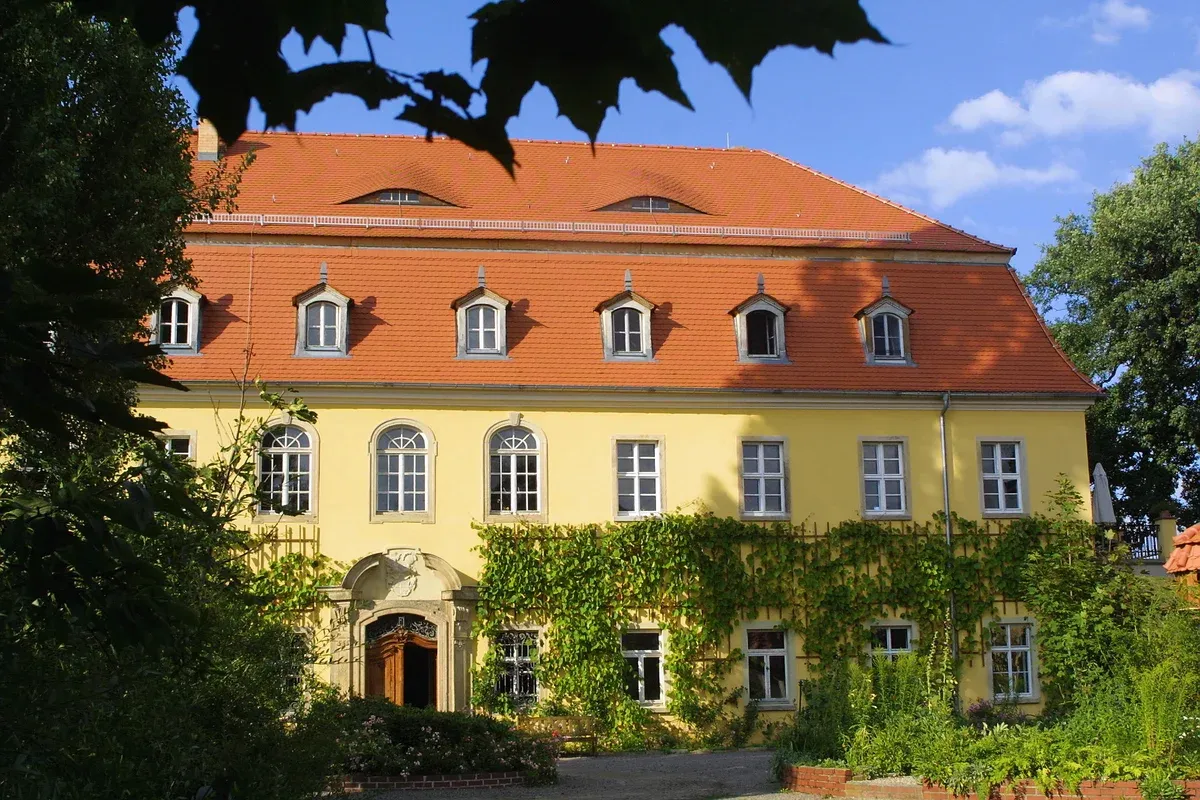
Tucked into the gentle rolling hills of the Mulde valley, some thirty kilometres north-east of Leipzig, lies Rittergut Heyda – a place where history, a deep bond with nature and a sustainable way of life come together in a remarkable symbiosis. Those who travel here step not only into a lovingly restored manor house steeped in centuries of history, but also into a living example of modern sustainability with deep roots.
The estate was first mentioned in documents in the 16th century. Its present appearance, shaped by Baroque architecture, dates from the 18th century. The noble von Carlowitz–Hartitzsch family acquired the property through marriage in 1846, only to lose it to the expropriations that followed 1945. For decades the estate served as a children’s home and workshop, until it was returned to the family in 1995. Since then, Johannes and Felicitas von Carlowitz have devoted themselves with great dedication to restoring the estate and steering it towards a sustainable future.
The “Inventor” of Sustainability
The vision of today’s owners reaches far beyond simply preserving cultural heritage. They consciously build on the ideas of their forebear Hans Carl von Carlowitz, who as early as 1713 coined the concept of sustainable use in his work “Sylvicultura Oeconomica”. Who would have thought the term was already that old?
This historical responsibility is carried forward today through a carefully considered ecological concept across the estate. Around a thousand hectares of arable and grassland are farmed according to sustainable principles, and a substantial share has already been converted to organic production or is in the process of being so. The farm is therefore already Naturland-certified. In addition, the estate includes some four hundred hectares of woodland, which are PEFC-certified and, through close-to-nature forest management, not only enrich regional biodiversity but also serve as significant CO₂ stores.
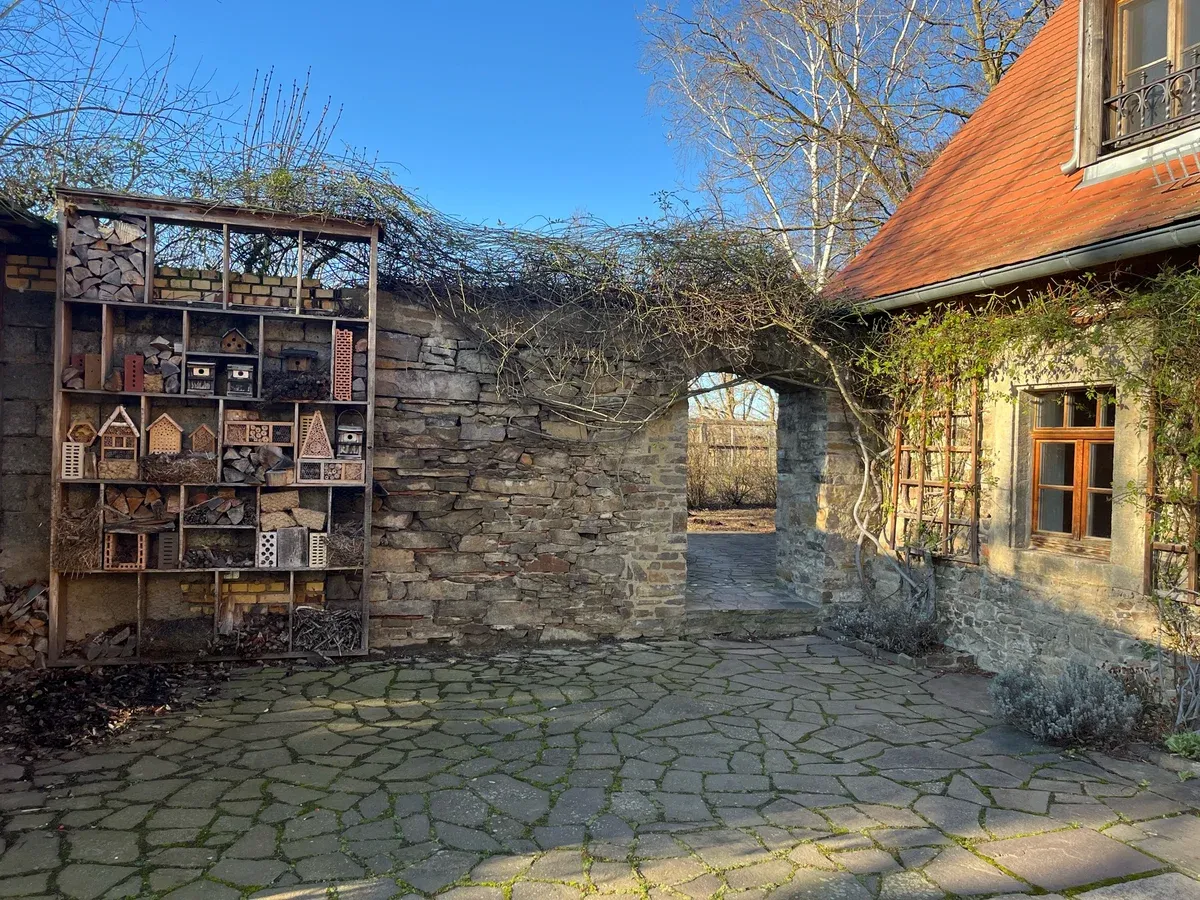
Particularly noteworthy is the decision to forgo the plough in arable farming, which protects the soil structure and reduces erosion. The estate’s ecological awareness is evident across its sweeping fields too: islands of trees break up the monoculture, offer refuge for birds and insects, and enrich the landscape at the same time. Insect hotels and nesting aids, built together with school groups or guests as part of educational programmes, round out this picture of sustainability in action in the most fitting way.
Romantic Cottages on the Estate
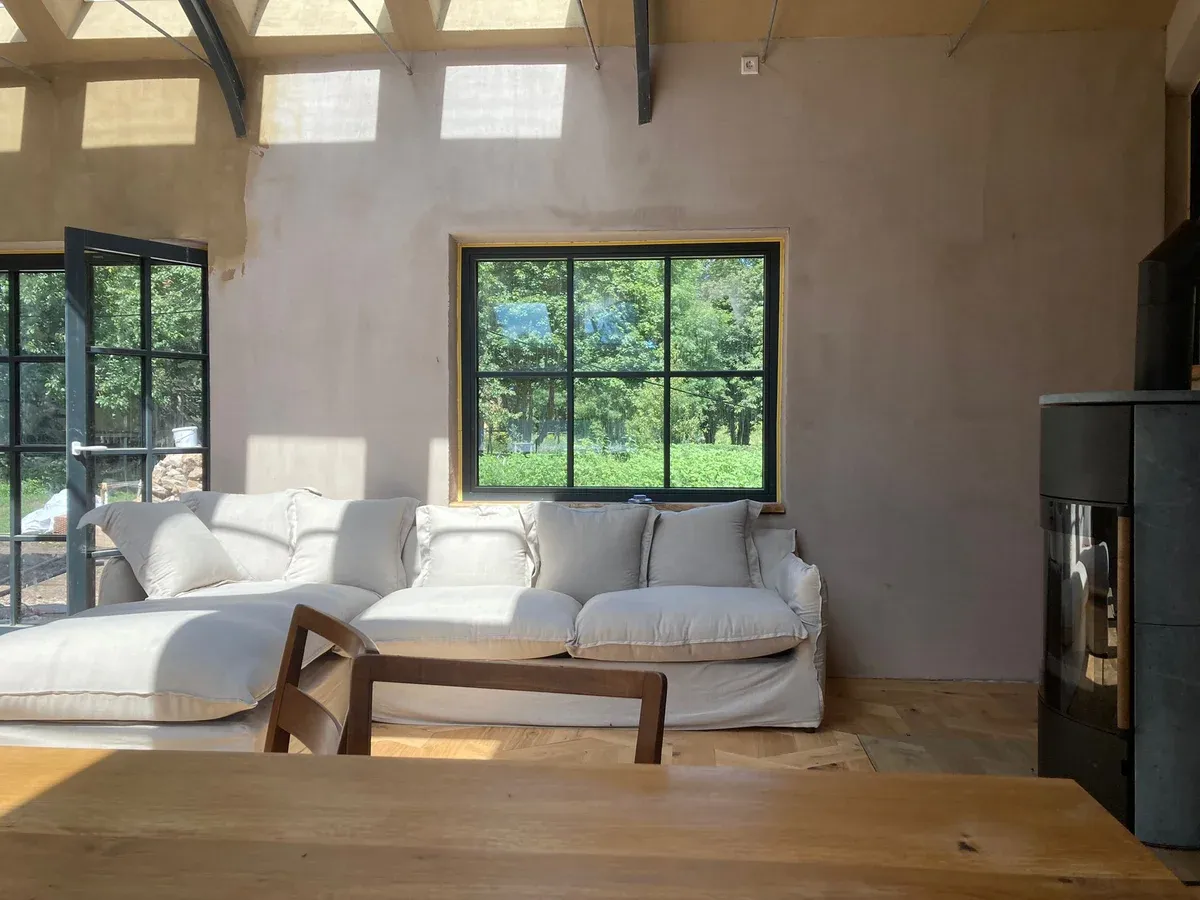
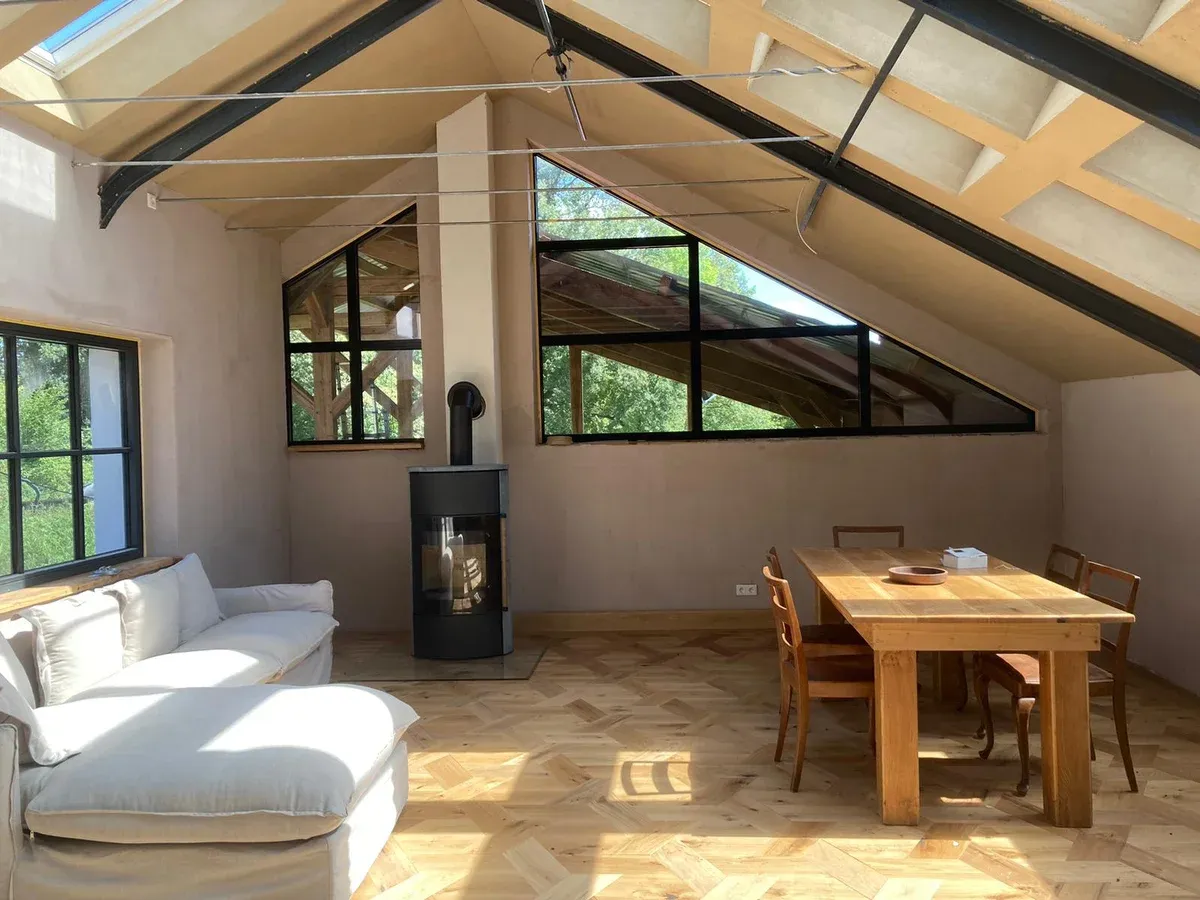
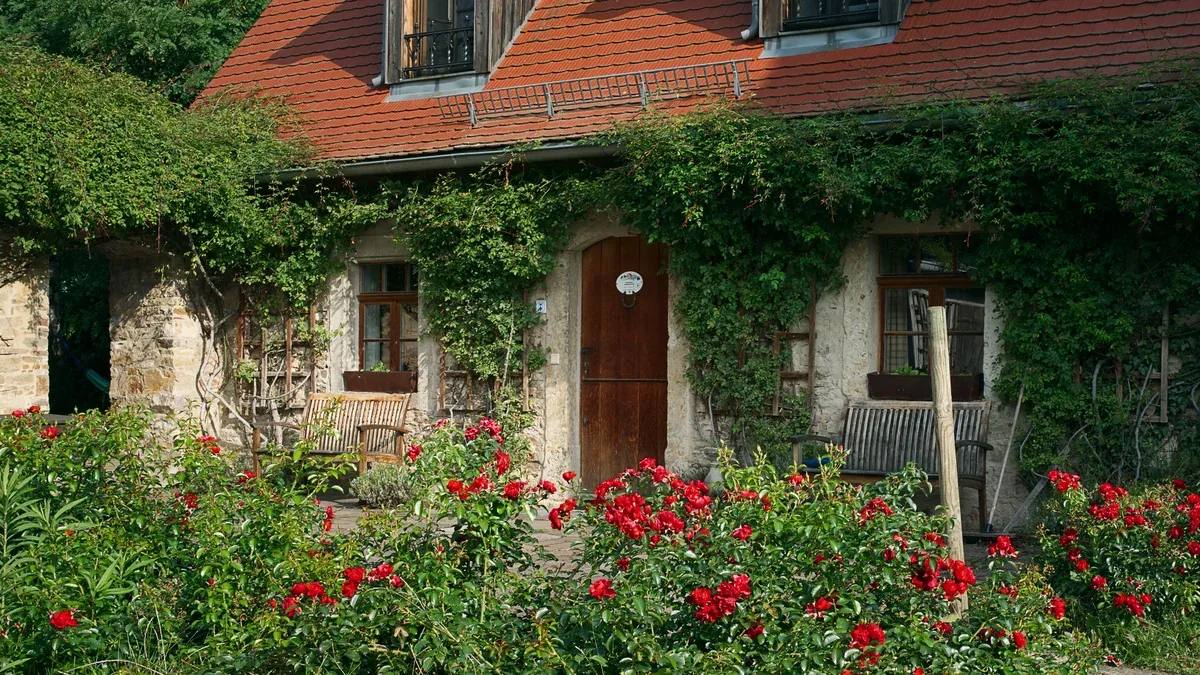
Yet the estate is far more than an agricultural enterprise – it is a place to be experienced. In recent years several historic outbuildings have been transformed, with great care and ecological building materials, into cosy holiday accommodation. The former gardener’s house, for instance, with its own garden, wood-burning stove and fireplace, offers a retreat that is rustic and stylish in equal measure. The romantic Rose Cottage – once a wash house – charms with its façade of estate-grown larch, all-natural pigment paints and a terrace overlooking the estate pond. The castle apartment, the orangery and the stable apartment have likewise been renovated with great attention to detail, where antique furniture, clay plaster and regional timber create a warm, natural atmosphere.
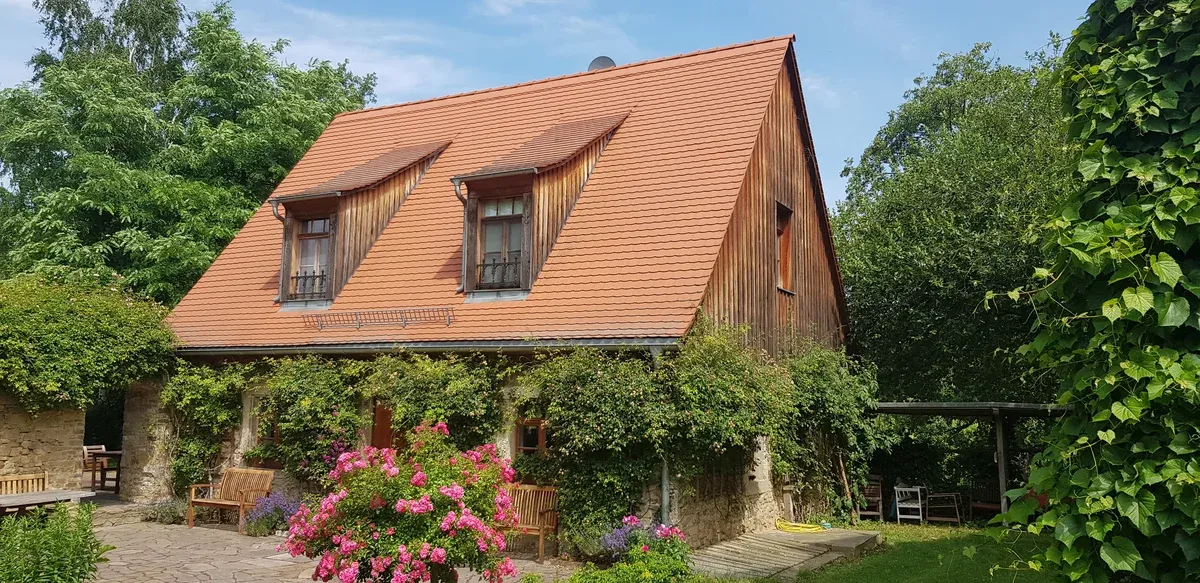
Anyone holidaying here is invited to leave everyday life behind and immerse themselves in country living – whether gathering herbs, lending a hand in the vegetable garden, or joining a guided tour of the grounds that often ends with a visit to the nearby wildcat trail. For families in particular the estate is a true paradise: a large nature playground, encounters with animals and child-friendly programmes let young guests engage with ecological themes through play.
A Wealth of Measures to Promote Biodiversity
A central focus of the von Carlowitz family’s environmental commitment lies in activities that increase biodiversity. These include:
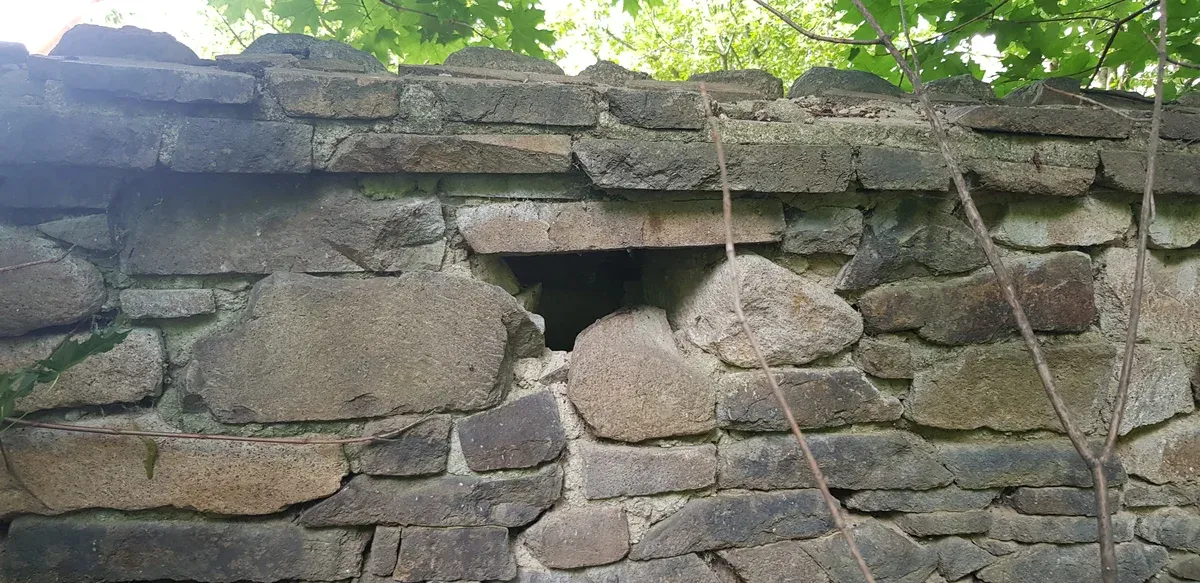
- Creating bat roosts on the gable of the glamping building and within fieldstone walls
- Rewilding and other measures to protect the wildcat
- Installing large insect hotels
- Soil-friendly forest management, including the use of draught horses for log extraction
- Establishing Benjes hedges combined with bee-friendly rambler roses
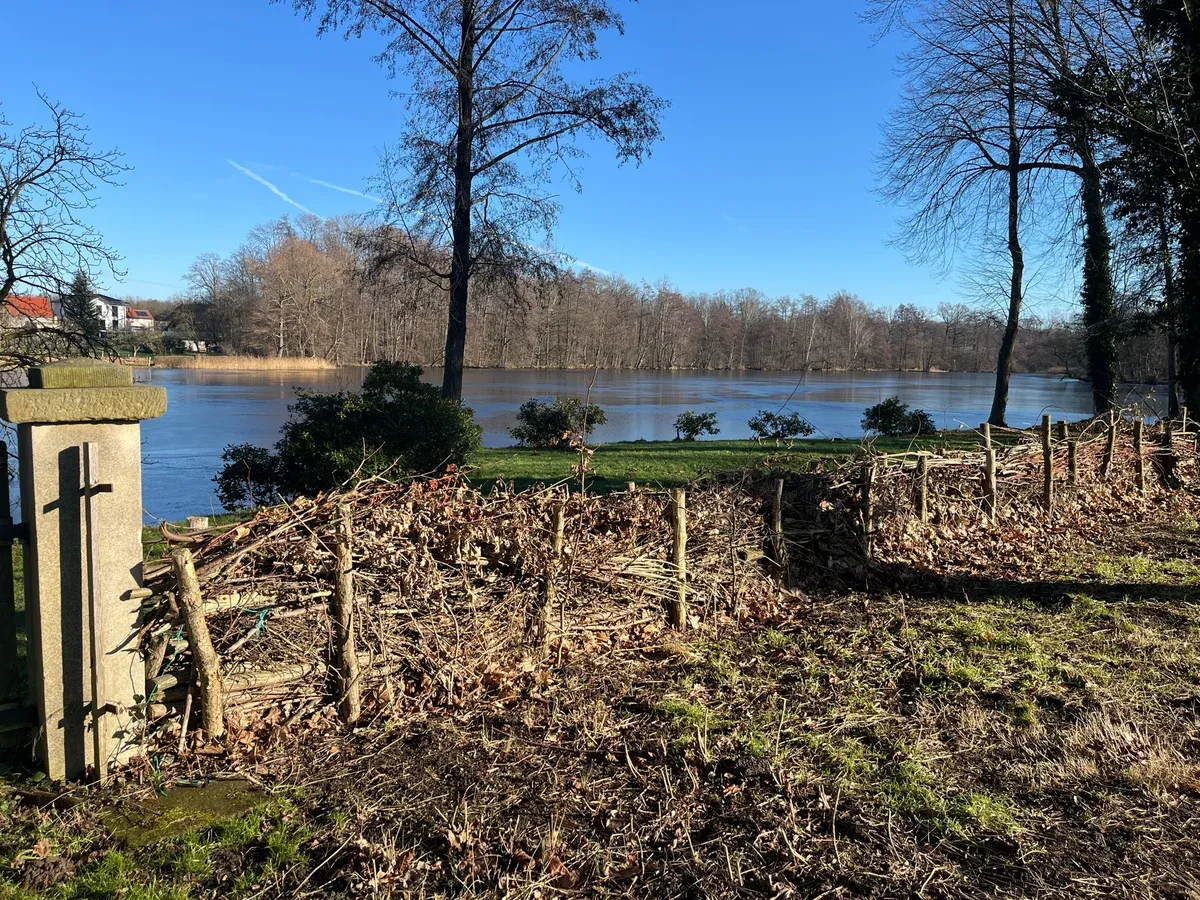
- Creating woody structures such as hedges, bushes and shrubs to promote biodiversity; planting more than 1,000 oaks and beeches in 2025 alone
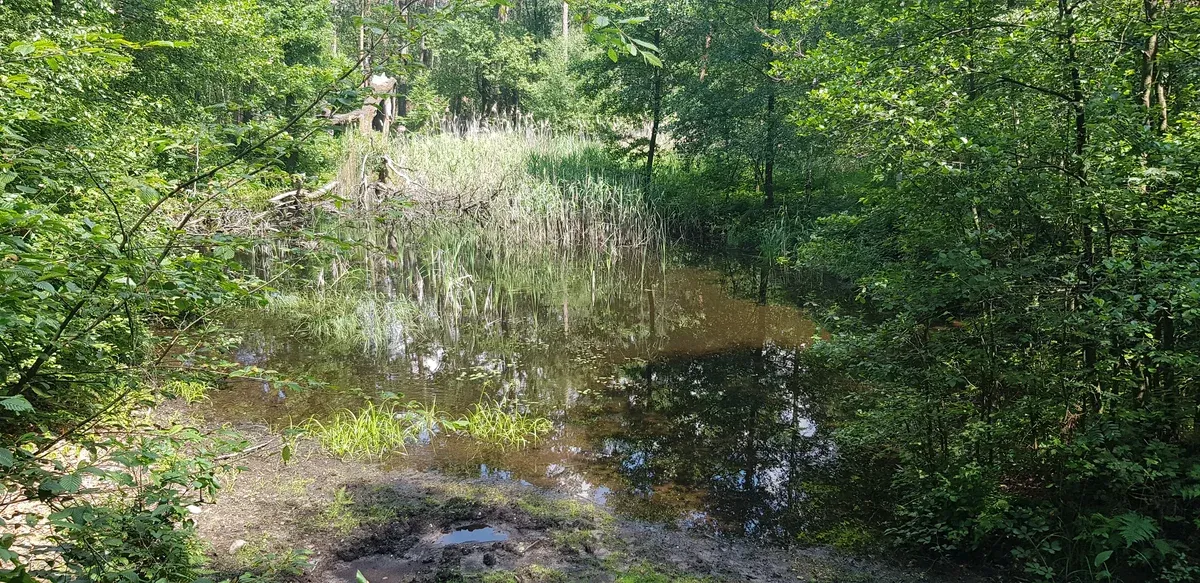
- Protecting existing wetland biotopes and creating new ones, including within forest stands
- Designating more than 2,000 habitat trees, especially in cavity-rich islands of old-growth wood and as individual trees that serve as habitat for wildlife
- Skylark plots: keeping areas clear, i.e. leaving patches unplanted amid cultivated farmland, to give ground-nesting birds a place to land
- Planting tree-lined avenues
- Establishing flowering strips along field margins
The Ideal Holiday Setting – Beautiful Saxony
Set between Leipzig and Dresden, the estate also makes an ideal base for cultural discoveries or extended hikes into the Dahlen Heath. Heyda itself, home to just under 170 residents, has become a small hub of sustainable village development. The projects initiated by the von Carlowitz family range from neighbourly WhatsApp groups and swap circles to championing the region’s culinary traditions. Here it becomes clear that rural development and ecological responsibility need not be at odds – they can nourish one another.
Especially in the warm months between spring and autumn, the estate unfolds its full charm and becomes the setting for numerous workshops, hands-on activities and cultural events, from a stroll to the Uckermark cattle to a guided tour of the castle. The hosts welcome their guests warmly and, with a fine instinct, create a space where slowing down, a closeness to nature and mindful consumption stand in harmonious balance.
Rittergut Heyda is more than a holiday destination. It is a living model of how tradition, innovation and sustainability can come together as a coherent whole. Those who come here travel not only into one of the most beautiful regions of Saxony – but also, in spirit, into a future in which consideration for nature and for one another is felt not as sacrifice, but as enrichment.