A new, electric compact SUV that, shortly after its market launch, already ranks among the three most popular e-models in Germany, and a European city that was awarded "The Best of the World 2025 by "Editor’s Choice" by National Geographic. So why not combine these two?
And so we explored Sarajevo, the capital of the young European country Bosnia and Herzegovina, with the new Škoda Elroq, which has 85 kilometers of range. After a short visit to this multicultural pearl, we focused on its surroundings, which are truly unique. We chose five destinations. The selection was difficult, because the range of natural attractions is enormous. Will both of them live up to their promises and thus our expectations? The conclusion is at the end. Now it's time for adventures in nature.
Sarajevo - the multicultural pearl of the Balkans
The city of Sarajevo is known to many due to some historical events. For example, it is associated with the First World War, which began here due to the fatal assassination of the Austrian-Hungarian throne heir, Archduke Franz Ferdinand and his wife Sophie. The city was also under a terrible war from 1992 to 1995 and became known as the city with the longest siege of over 1425 days in modern history. But our journey is not dedicated to the wars. Sarajevo itself also does not want to be reduced to this. The city, located in the valley and surrounded by mountains, offers an unforgettable visit, whether in terms of history, culture, cuisine or nature.
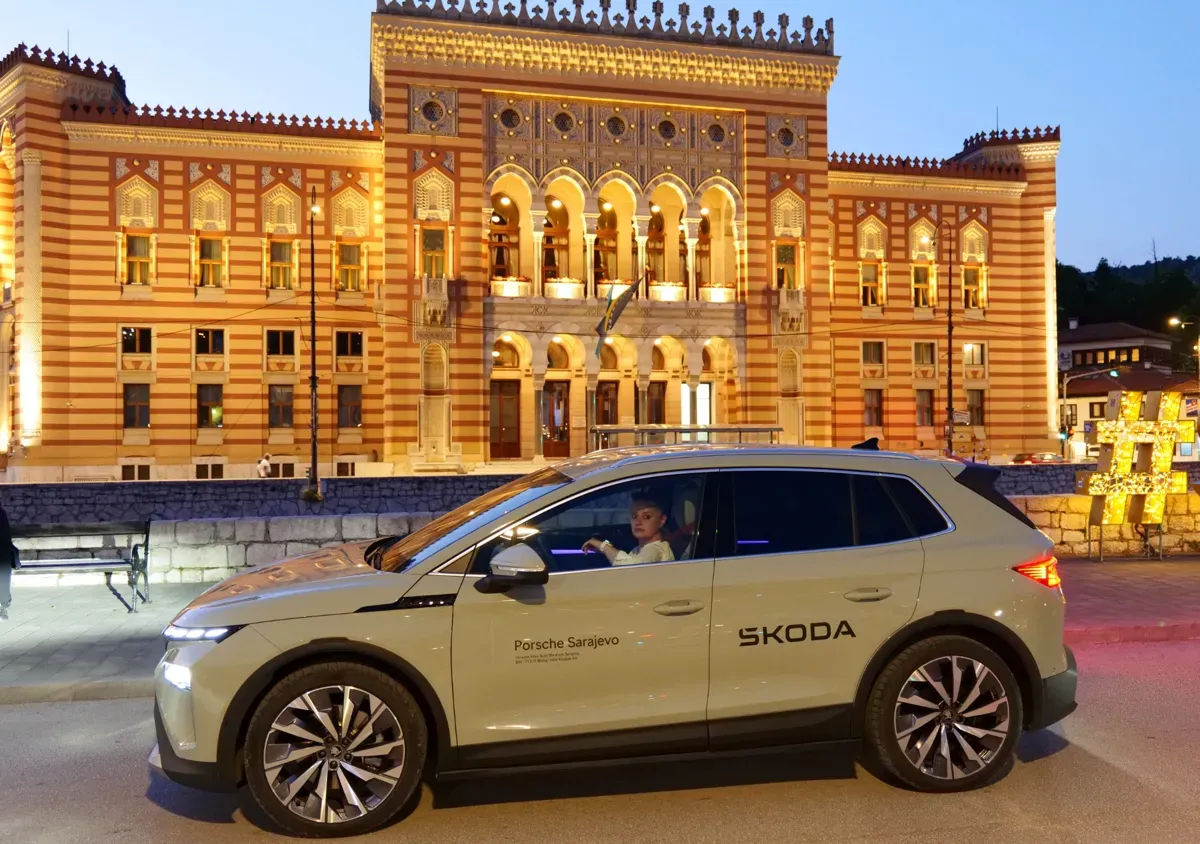
Sarajevo was founded in 1486 by the Ottomans. The city is surrounded by seven mountains, which are still completely covered with dense forest. In addition, it is richly endowed with numerous springs and with two rivers, the Miljacka and the Zeljeznica, which flow through the valley. And then there is the source of the Bosna River, after which the country is named. The city received its name from the Ottoman words Saray Ovasi, which translates to "The Castle in the Field". From the 15th century, it was developed and was already considered a place in the Middle Ages where all religions lived peacefully side by side.
The beginning of our journey is exactly in this center. We wind our way with the "Stromer" through the narrow streets up to the Gelbe Festung, which was built in the 18th century, from which you can wonderfully overlook the city and enjoy the spectacular sunset. Sarajevo, deeply and hidden in the valley, consists of various so-called Mahalas, city districts, which are up to 900 meters high in the surrounding mountains. The historical streets are narrow and lined with old Bosnian houses. This can sometimes be a problem if two cars meet. And sometimes the slope is very steep, as we know in Germany. Nevertheless, the ride is really fun.
We sit on the wall of the fortress and look down in fascination at the city, which is 511 meters above sea level. From there, you can see what makes Sarajevo special: minarets stand next to Catholic and Orthodox churches, and synagogues are also located in the old Ottoman bazaar and the Prachtstraße, which was built in the 19th century by Austria-Hungary. The sun slowly sets in the west, the sky turns various shades of orange.
And then the moment comes. While the muezzin calls for prayer, the church bells ring at the same time. Pure goosebumps! Gradually, the lights in the valley turn on. We linger until the sun has completely set. From tomorrow, we will leave the city every day to explore its wild, green surroundings, which are among the most beautiful landscapes of the Balkans. We are looking forward to immersing ourselves in the dreamlike nature and are curious to see how the Škoda Elroq will fare on the road. And especially, whether the range of our vehicle is sufficient given the extreme mountain driving.
From Umoljani to Lukomir - Following the dragons' tracks
Sarajevo and its surroundings are full of legends. Especially dragons are said to have roamed here. We set out to follow their tracks. In the Dinaric Alps, we visit the mountain villages of Umoljani and Lukomir, places where the legends are still alive.
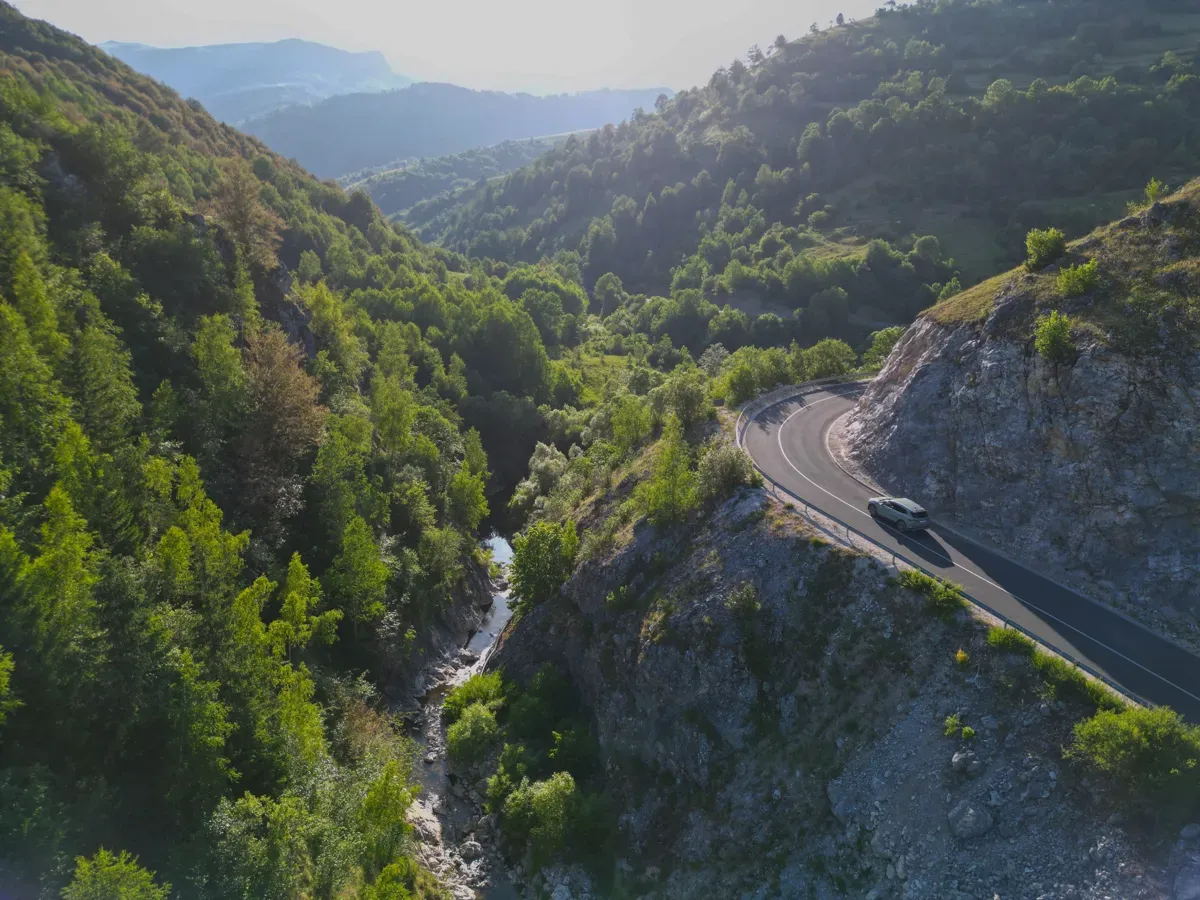
From Sarajevo, we drive up to Bjelašnica to the village of Umoljani. The road is now paved and we can park our car there before embarking on a two-day hike. When we arrive, a light mist hangs over Umoljani. Or is it the breath of a dragon? According to a legend, a furious monster from the Rakitnica gorge haunted the inhabitants. In their desperation, they began to pray – and God petrified the dragon. Even today, a rock formation reminds us of this. The name "Umoljani" – "The Praying" – comes from this story. Below the village flows the geological wonder "Studeni Potok" - in German: "Cold Stream". The course, when viewed from above, resembles the dragon legend. It was said to have been created by the dragon's tail.
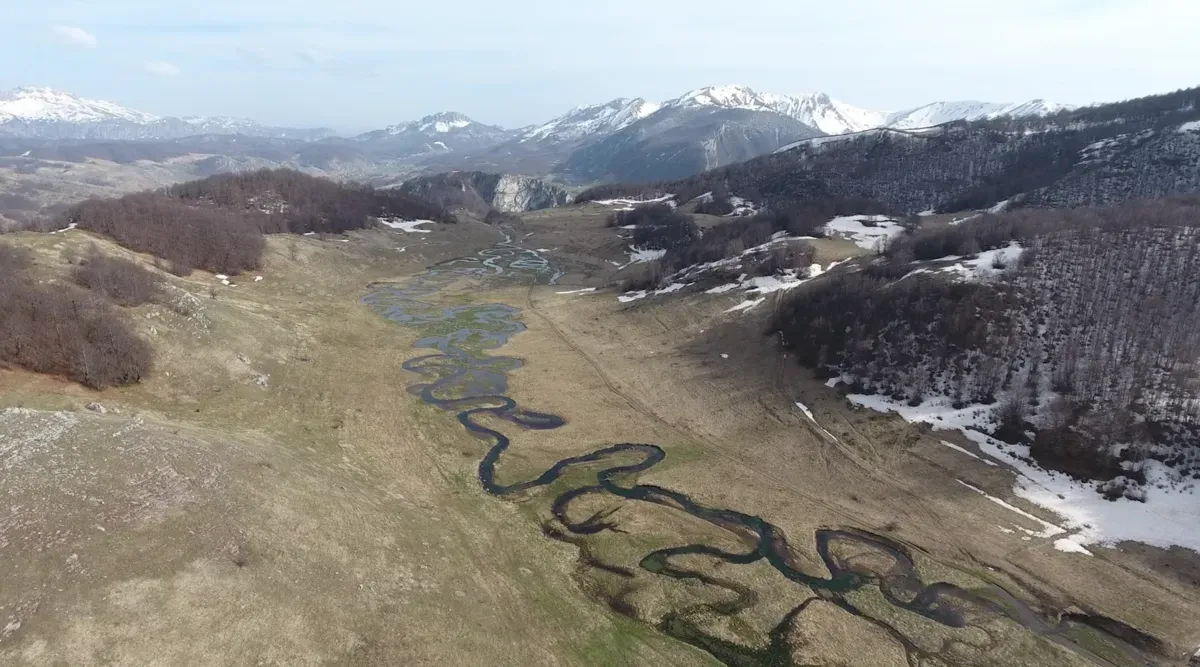
We cross the stream and hike through the Rakitnica gorge with its canyons up to Lukomir, the highest village in the country. The route leads through wide plateaus, past old stone houses and catapults us into another time. Some residents still live today as they did 200 years ago, but water and electricity are now also available in their houses. And mobile phones are also a must here. Zlata sits in front of a house and spins wool with a traditional spindle, while her neighbor knits traditional slippers with old Slavic patterns – which were once protection symbols, perhaps from the gods. Their peace is almost otherworldly. Zlata tells us about the "Vilen", the fairies, who live in the mountains, watch over nature and only help those who respect them.
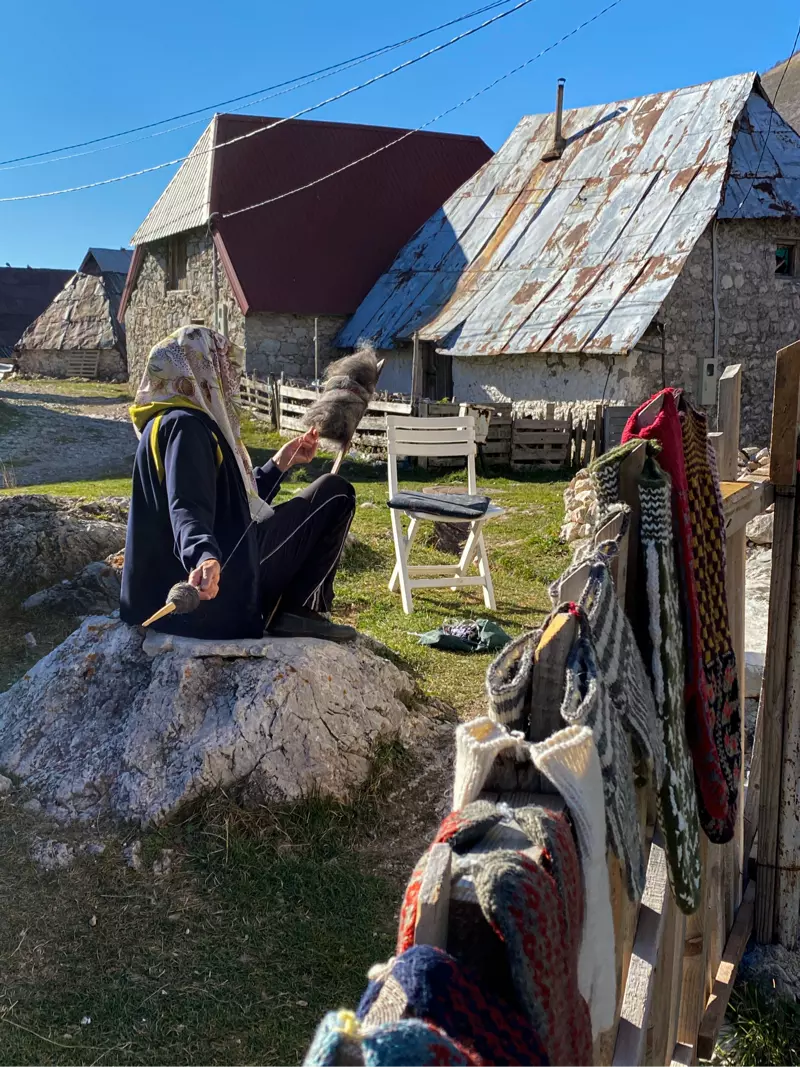
The up to 300-year-old stone houses indicate a settlement that is even older, because there are also Stećci, medieval tombstones. Today, the medieval necropolises are a UNESCO World Heritage Site. They are mainly found in the mountains. Their shape and the depictions and inscriptions on them are unique and tell stories from long-gone times.
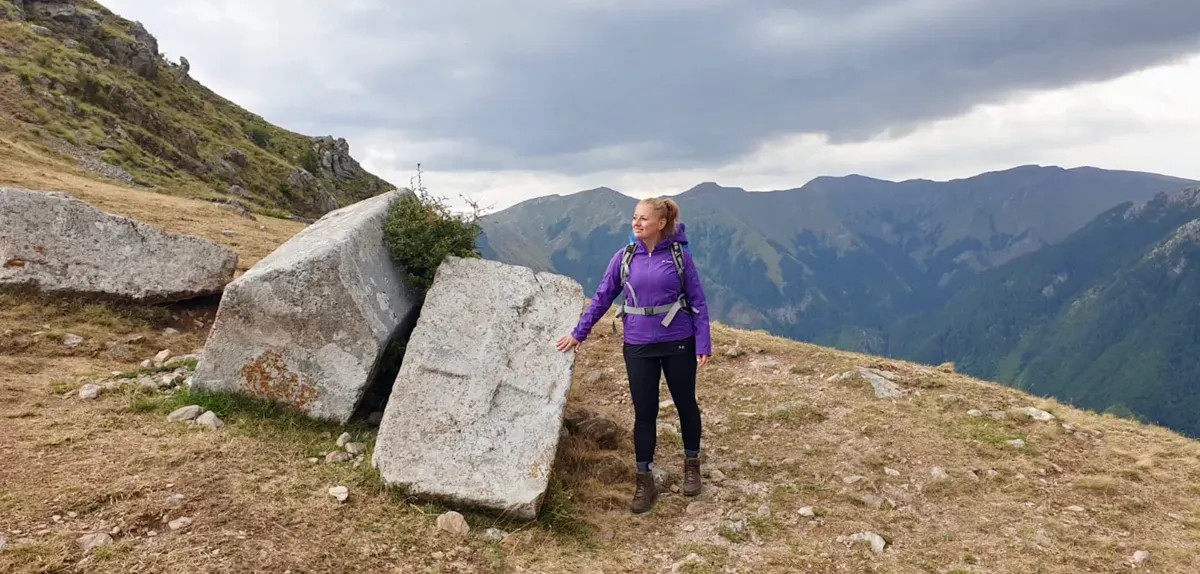
We hike to the highest point of the village and look over the canyon. Down in the gorge flows the river Rakitnica. There are many caves, in one of which, according to legend, a peaceful dragon lives, which protects the water. Anyone who carelessly wastes it risks his wrath. So the villagers still use this precious water with gratitude – it tastes wonderful, by the way. There is a spring at the well, which flows 24 hours a day and is accessible to everyone.
When the sun sets behind the mountains, it bathes the landscape in warm light. A shimmer rises over the hills – "holy flames", say the locals. These are spirits who did not find their way. They should not be followed, otherwise you will get lost between the worlds. At night, Mars, Jupiter and Saturn shine, and then the Milky Way appears – clear and vivid. Space and time dissolve. Are we enchanted? Maybe. But one thing is certain: "Lukomir" means "Harbor of Peace". And we have found this harbor of peace.
365 water sources - the mountain Treskavica
Just 20 kilometers from the city is the mountain Treskavica, which belongs to the Dinaric Alps. With a height of 2,082 meters, its summit is the highest peak of the capital region. What makes this mountain so unique is its incredible water supply. 365 springs have been counted, but there are probably many more. In addition, there are several natural mountain lakes. Because it can get very hot in the summer, this mountain range offers plenty of refreshment. We only have one water bottle with us, because we can refill it with fresh spring water at any time, which is purified by kilometers of rocks and always stays cold.
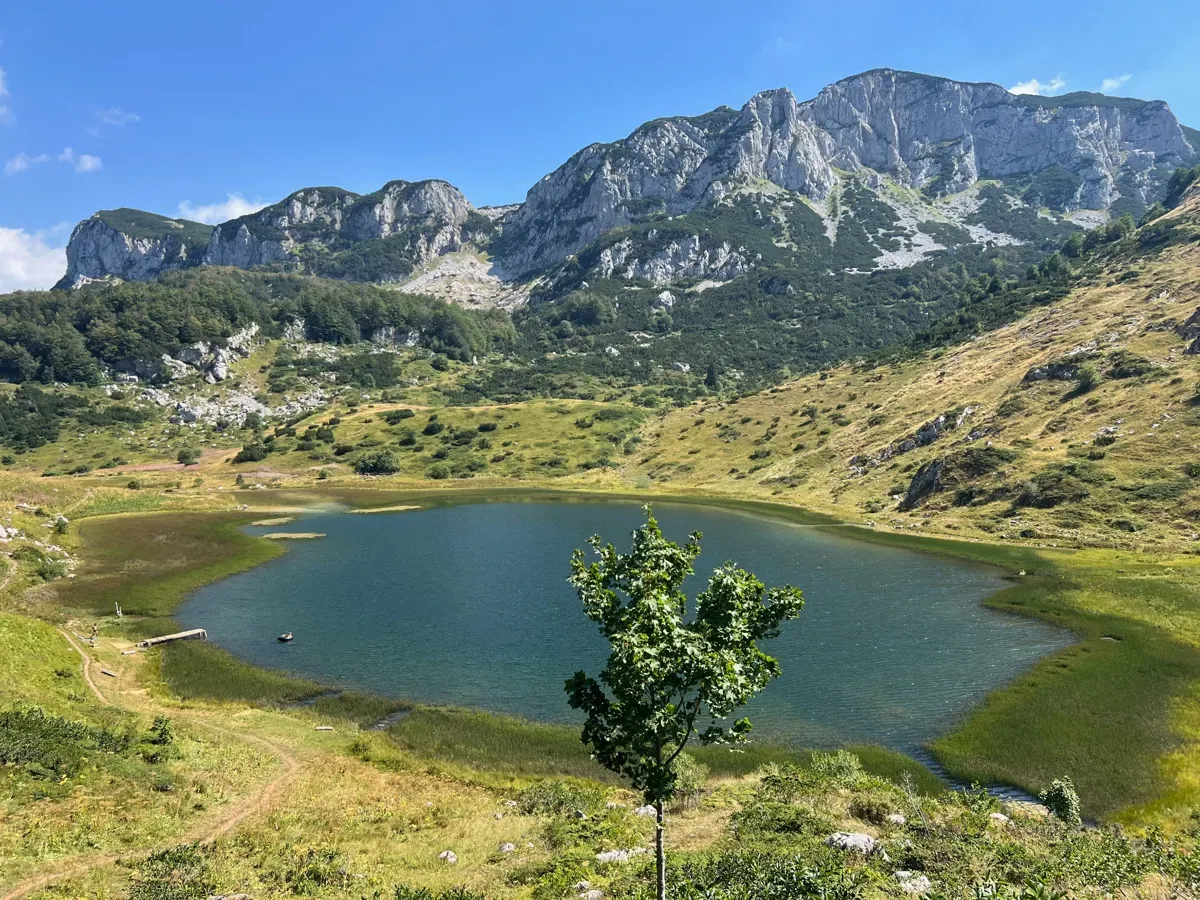
Other refreshments are provided by the wonderful lakes, which are also pleasantly cool in the summer. During a hike, several stops can be made to take a dip in the natural pools. Our favorites are the large, white and black lake. We linger there to swim and then enjoy our food. Hiking here in early summer is particularly beautiful. Everything is blooming and we are accompanied by the scents of the flowers, which mix with the scents of the wild herbs.
Skakavac waterfall
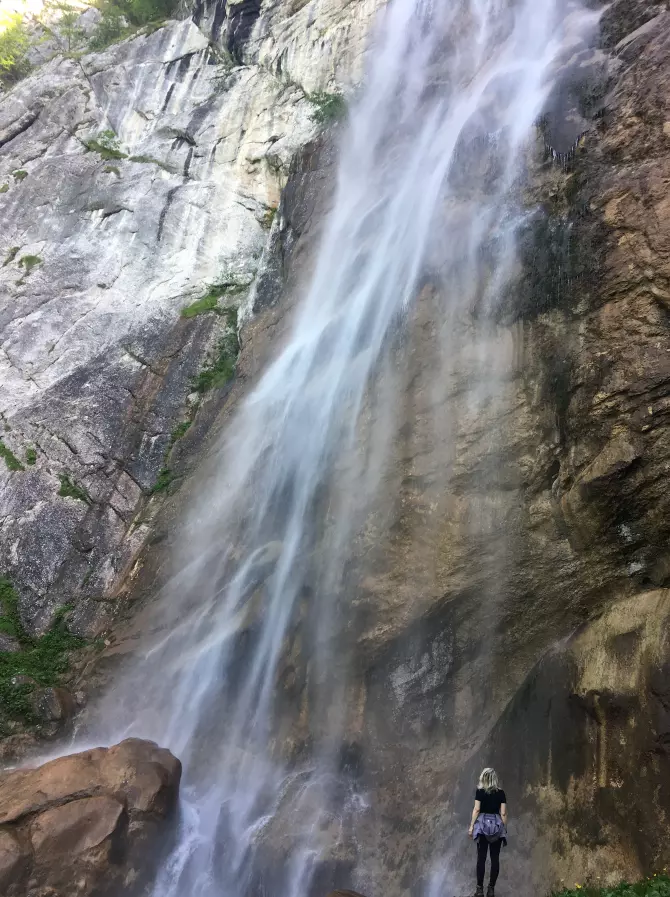
Just twelve kilometers from the old town is one of the most beautiful waterfalls, with a fall of 98 meters, it is the highest in the country. The hike takes about two hours through a deciduous forest. Even before we reach the clearing, we hear the sound of the water. We are greeted by a fascinating landscape like in old Heimatfilme. At the foot of the waterfall, small streams have formed. We stand in front of them. A light water mist wets our faces. When a gust of wind joins, the natural shower becomes a little stronger. The powerful roar is like a meditation for the soul. We walk on the opposite side. It goes uphill through pure nature. From there you have a wonderful view of the entire waterfall. Because it is very hot in Sarajevo in the summer, this hike is ideal because most of the paths are in the shade.
With the funicular to Mount Trebević
Today, the Škoda Elroq is standing in the garage and can be comfortably charged at one of the numerous AC charging stations. Yes, charging is no longer a problem in this country. Sarajevo is actually the only capital with a funicular that leads directly up to a mountain. It was opened in 1959, reopened and modernized after the Balkan War. Directly opposite the Vijećnica, the Old Town Hall, which was built in the k.u.k. style in the 19th century, is the foot of the funicular.
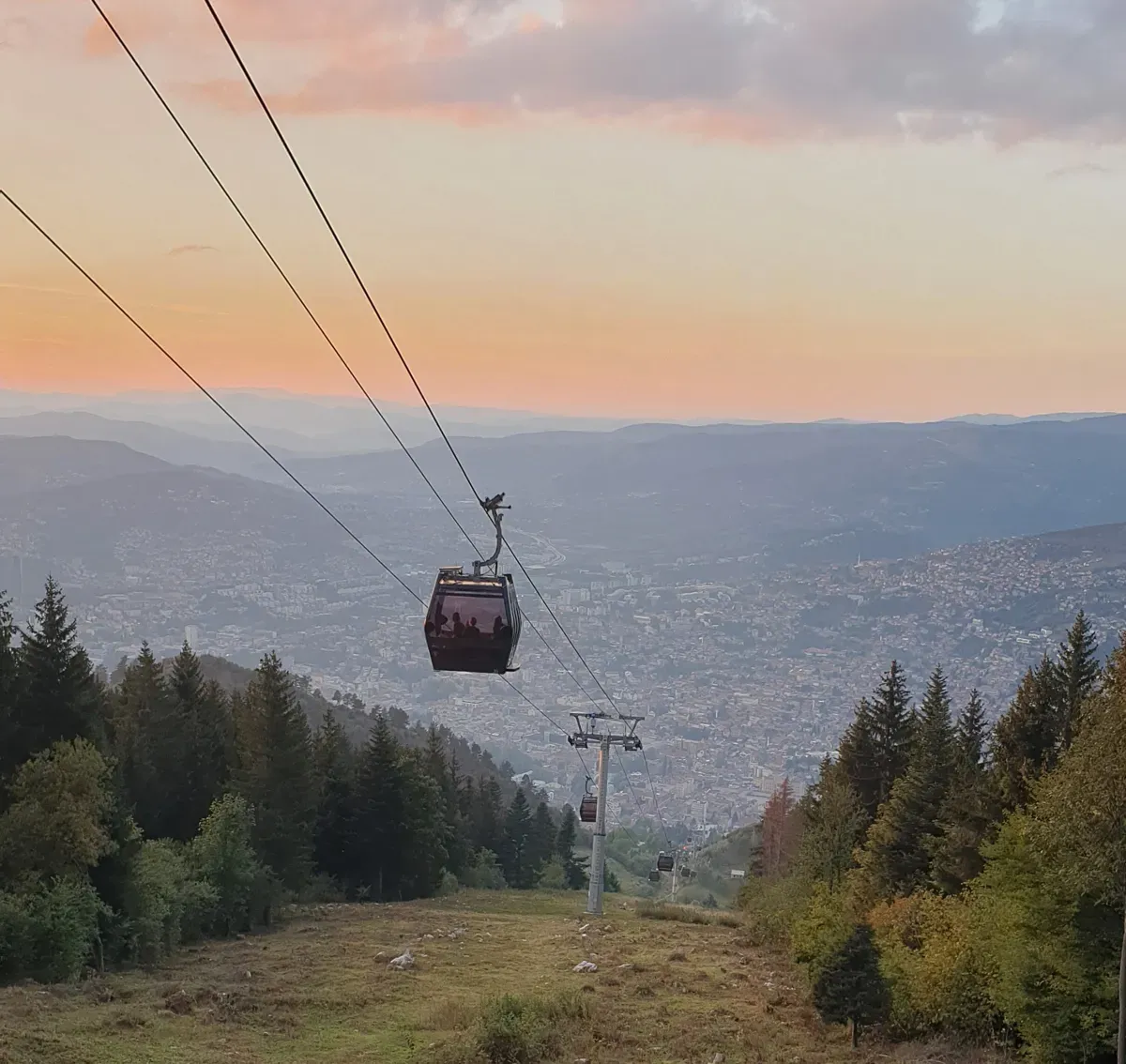
It takes you to the summit of the mountain closest to the city. The journey takes about 20 minutes. The view is gigantic! You float over the old Mahalas and the roofs of the city until you finally find yourself in the middle of nature. It is fascinating to see how Sarajevo has grown in the valley and how abruptly the city ends and you are suddenly in the wilderness. Trebević was one of the main venues for the 1984 Winter Olympics. The bobsleigh track is still here – but as a ruin, which is "decorated" with graffiti. We hike to the Jure Franko hut, which is named after the former Yugoslavian ski racer who won the silver medal there. There you can meet interesting people and have wonderful conversations in the cozy room.
Ilidza - to the source of the Bosna River
Sometimes you don't have to go far to enjoy nature. In Sarajevo, this is almost the case. Just 15 kilometers from the old town, at the foot of Igman mountain, the Bosna River, after which the country is named, springs. The exact meaning of the name of the third largest river in the country is not known. Linguists suspect an illyrian or Thracian origin, which means "to flow" or "water". The fact is that the Romans named it Bosona. They settled here and built villas for relaxation near the natural sulfur springs, which were used for healing. A park was created around these small karst springs, which was known as K. and K. in the 19th century. An avenue leads to this park, which was used by Fiak carriages since the 19th century. We park the car and walk along the avenue. No matter how hot it is – the plane trees provide pleasant shade and their sweet scent. They are lined with beautiful villas from the Austrian-Hungarian period. The air quality here is particularly high, because it is one of the highest in the country.
Sarajevo can rightly be called "The Best of the World 2025". The city's history is unique and combines East and West in terms of history and cuisine. You don't have to travel to Istanbul to experience these two cultures in symbiosis. And its unique location in the midst of dreamlike landscapes invites nature lovers from all over the world to explore.
The Škoda Elroq 85 – a good choice?
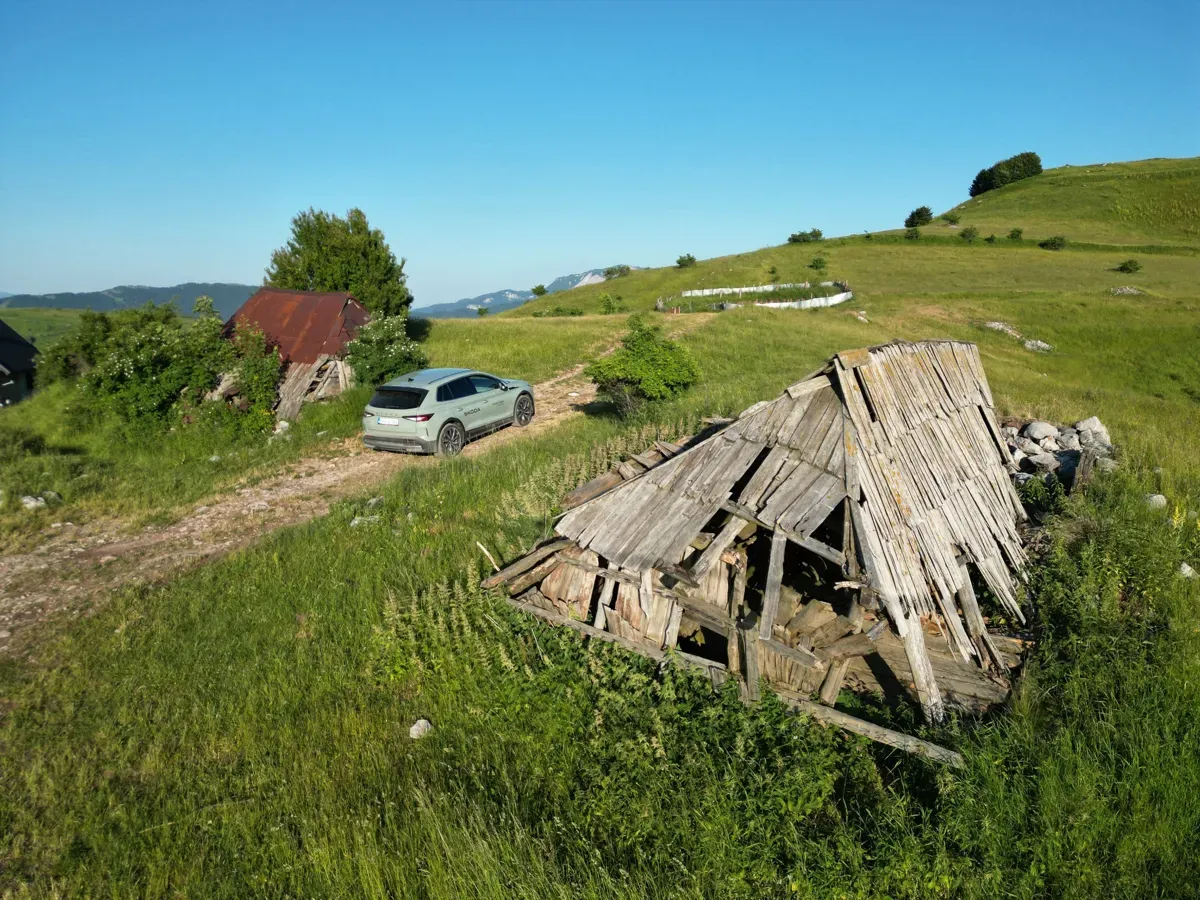
The reason we chose the Škoda Elroq 85 as a travel vehicle was – admittedly – also due to the stylish exterior with the beautiful Timiano Green paint. The popular electric car stands out thanks to its new front design language, which is characterized by narrow Matrix LED daytime running lights and a prominent air intake. With its 21-inch lightweight wheels in matte black, the sporty roof spoiler and bumpers in the same tone, it makes a challenging impression.
That it was a good choice is also confirmed by our first driving impressions of this compact SUV, which, thanks to a motor with 210 kW (286 hp) at the rear axle, can accelerate from 0 to 100 km/h in just 6.6 seconds if desired.
According to the manufacturer, the Elroq has a usable battery capacity of 77 kWh and a consumption of 15.2–16.6 kWh/100 km, which gives it a range of up to 581 kilometers. Our actual average was despite many mountain climbs only 16.8 kWh/100 km. Even with intensive use of the air conditioning at 34 degrees Celsius, our range was still around 520 kilometers. We drove in Comfort or Normal mode, combined with the Break mode.
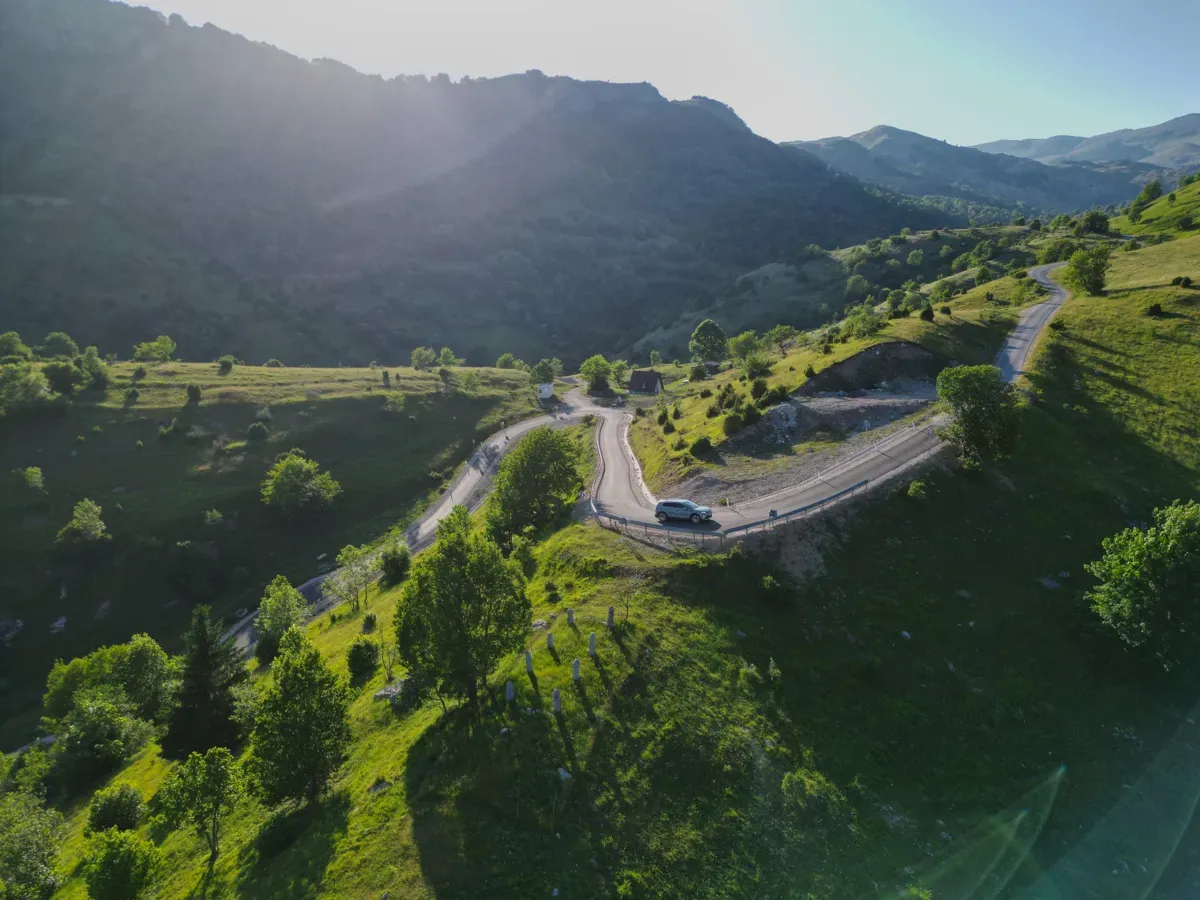
Charging is also a masterclass with the Škoda. With a charging power of up to 175 kW, the battery can be charged from 10 to 80% in about 28 minutes, which makes it an ideal mobile partner for long journeys. At home, it can be charged with 11 kW overnight.
The cockpit is digital, well-designed and inviting. A 13-inch touchscreen is the central control element, complemented by a 5-inch display behind the steering wheel. Even more practical is the head-up display, which reflects the most important driving data directly onto the windshield – a real comfort plus, especially on long journeys. This saves your neck, because you no longer have to lower your head so often to read the information.
Active lane keeping assist, adaptive cruise control and predictive assistance systems have also been thought of – and they all work perfectly in the traffic of Bosnia and Herzegovina.
The seats? We love them! Our model even had a massage function. In addition, there is a well-thought-out space with plenty of room, even for large passengers. The trunk has a volume of 470 to 1580 liters and is a real space wonder.


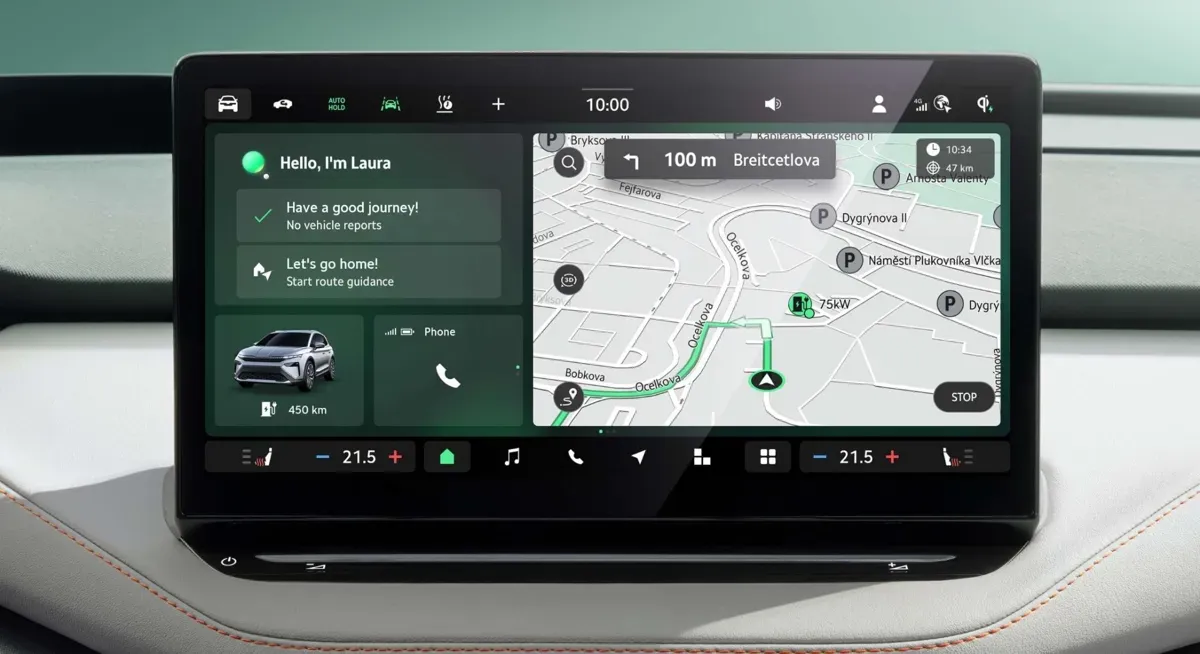
Not only the low consumption figures make the Elroq an eco-friendly choice, but it also offers sustainability at its best, because almost all materials in the interior come from environmentally friendly sources. This not only feels good, but also looks good.
Can we experience the Sarajevo region with the Elroq – is this a good choice?
Absolutely! The almost untouched nature around Sarajevo should be explored – but in a sustainable way. Many travelers come with their cars to stop where they want to be close to nature.
The Škoda Elroq makes this possible in a sustainable way: it allows environmentally friendly travel through one of the last green paradises in Europe – and that without compromising comfort. Because the Elroq has shown that it can take us (almost) anywhere – even to these remote corners of the landscape.
And if the path becomes too wild and only a 4x4 vehicle can get through – no problem. Then it's time to park, put on a hiking backpack – and continue on foot or by bike. Our approach: To experience nature without leaving any traces – except those that contribute to the preservation of the last untouched nature of this world.
Because where the asphalt ends, that's what really matters.