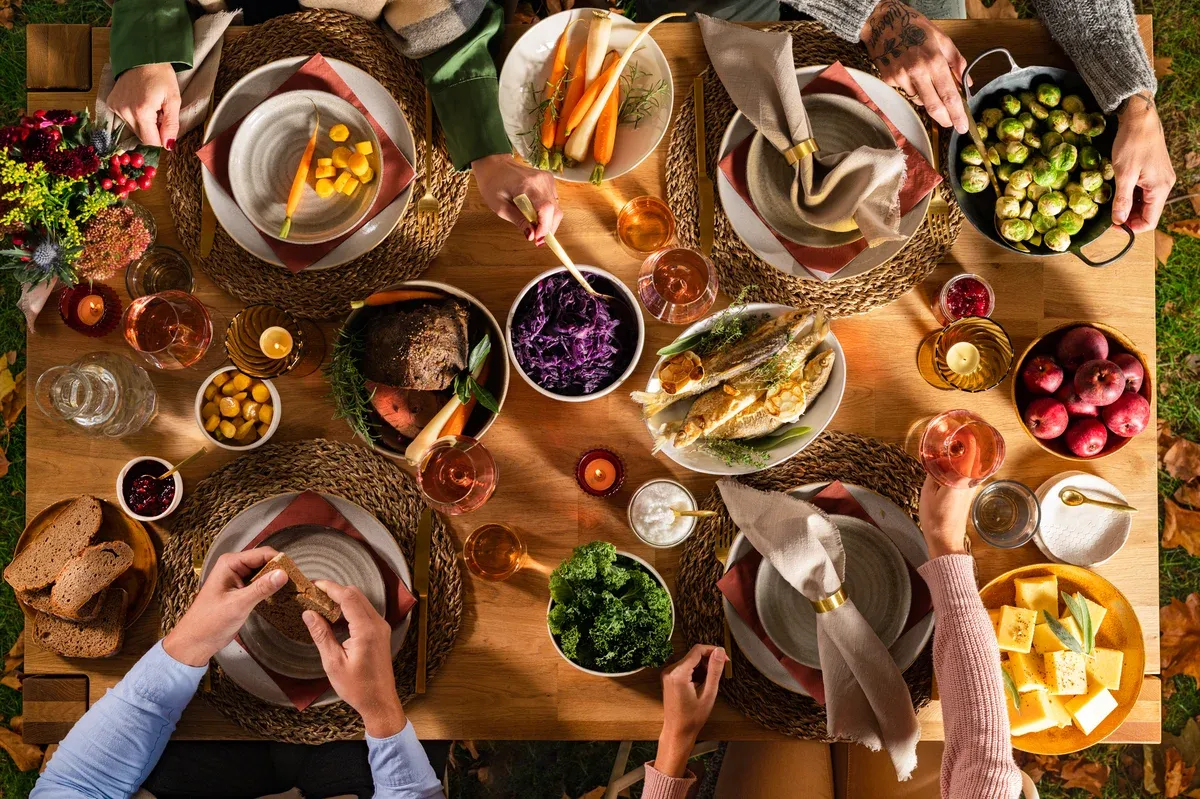
Rome 1986: As a reaction to the opening of a fast-food outlet on Piazza Navona, journalists near the Spanish Steps set up a long table and serve traditional, local dishes there. This eye-catching action raised the awareness of Italians for their culinary heritage and ultimately led to the founding of the global Slow Food movement.
From protest against uniform food to a global community: Since 1989, this movement has grown into a network of millions of people active in over 160 countries, advocating for good, fair food and environmentally friendly agriculture.
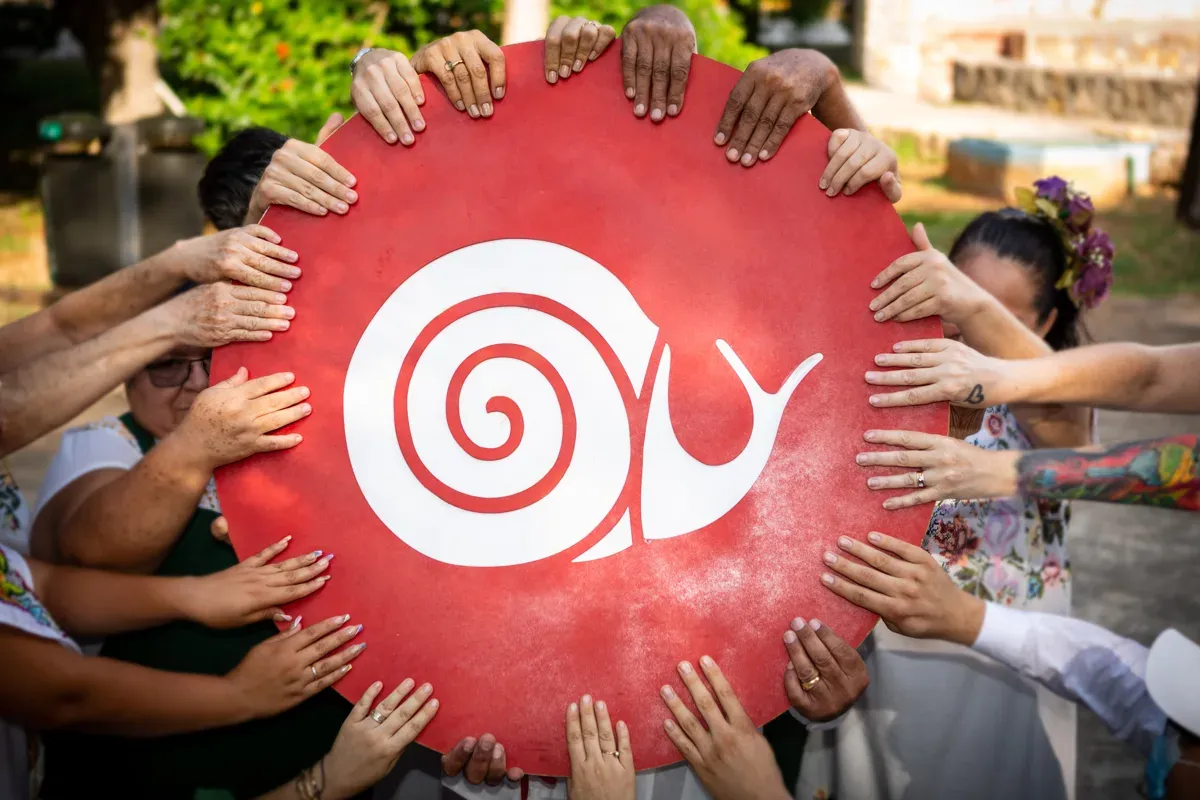
Global Commitment: The Snail's Pace
Slow Food Germany
In Germany, around 10,000 people are now involved in approximately 80 local groups, known as the "Convivien", with the aim of preserving regional food culture through initiatives and events. They advocate for food that tastes good, is environmentally friendly, and is produced and traded fairly. The "Market of Good Taste" in Stuttgart makes the impressive diversity of regional specialties visible. This annual fair, organized by Slow Food Germany, has established a meeting place for connoisseurs who are interested in hand-crafted and high-quality food, with the opportunity to talk to the over 500 exhibitors. And they take the opportunity to taste regional specialties.
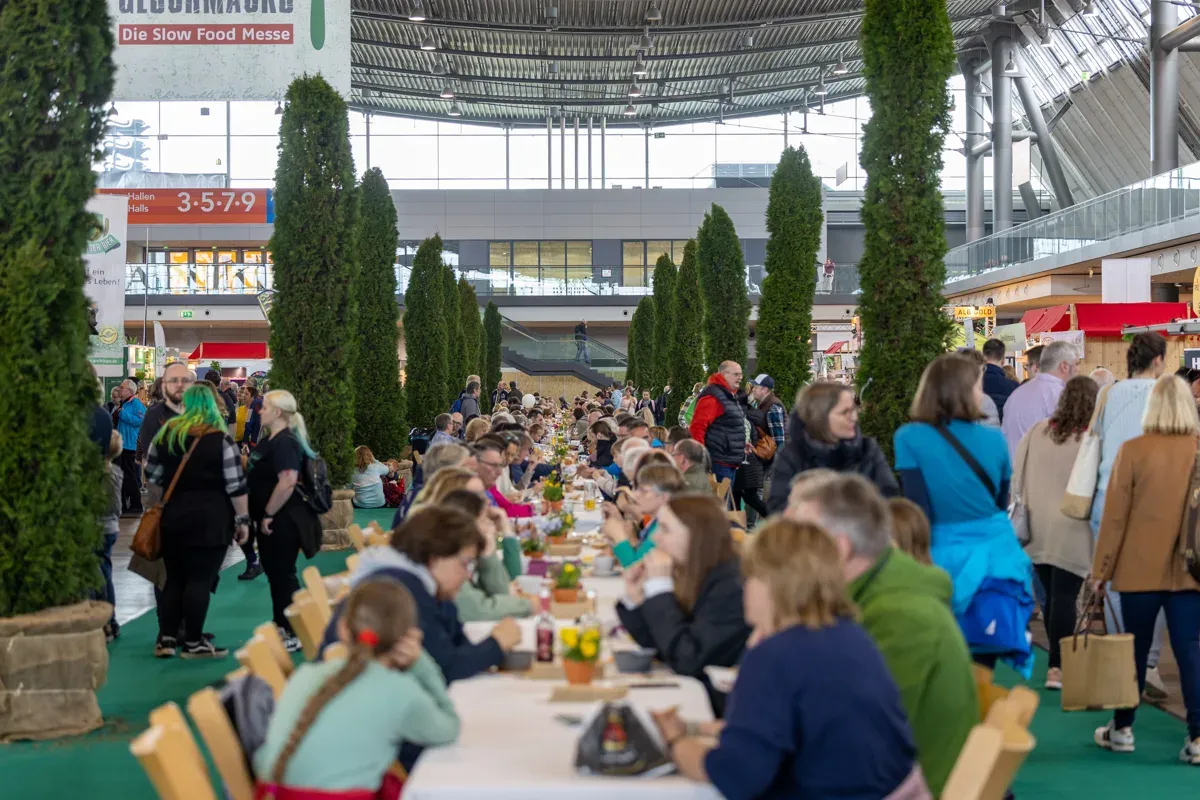
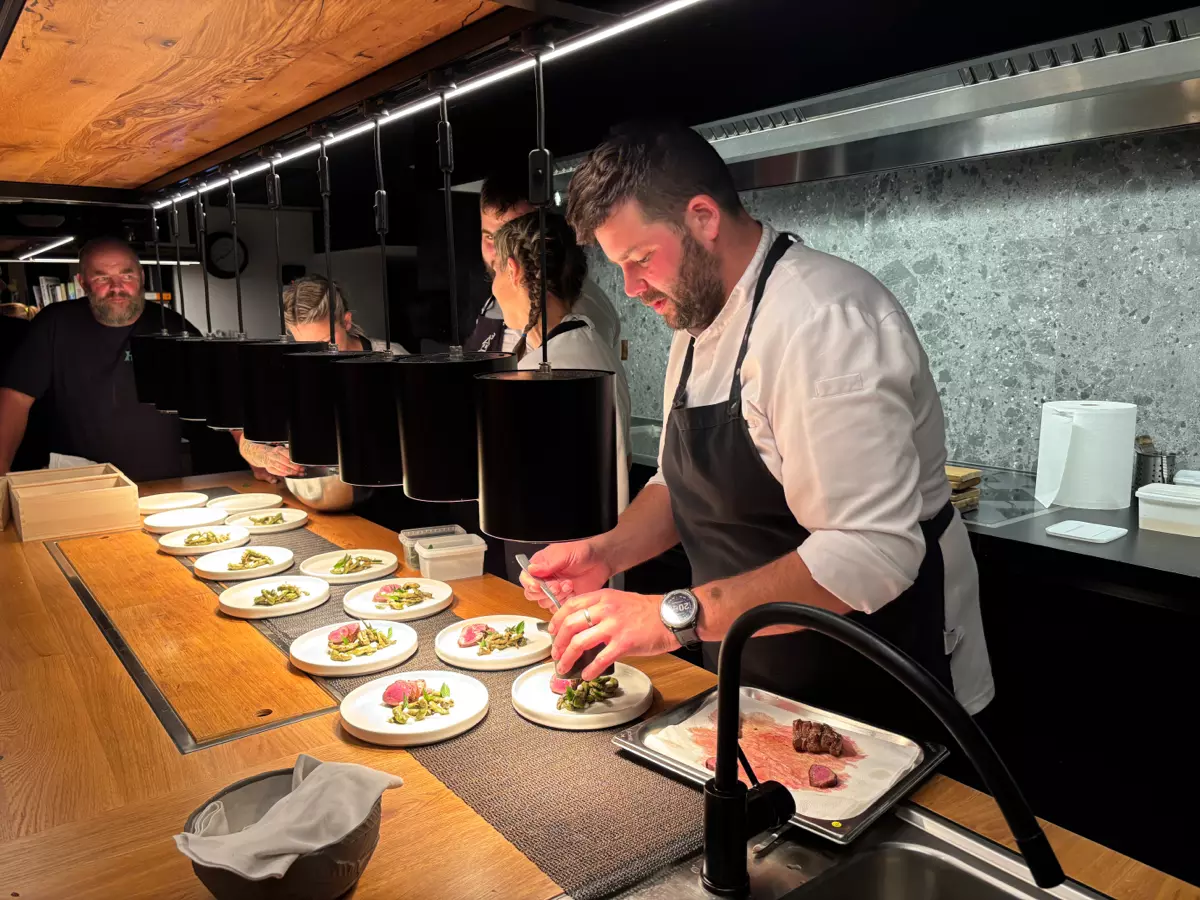
Nose to Tail" or "from Leaf to Root", use as many parts of food as possible.
Political engagement and educational initiatives
Slow Food strengthens small-scale, ecological agriculture through projects, initiatives, and campaigns, promoting appreciation for food and the biological and culinary diversity. Its political engagement, at both national and EU levels, aims to establish a socially and ecologically responsible food system that strengthens regional economic cycles, avoids waste, and protects people, animals, the environment, and the climate.
Holistic education, according to the principles of Johann Heinrich Pestalozzi, only occurs when the heart, mind, and hands of the individual are addressed simultaneously. And, in the spirit of the Slow Food movement, the sense of taste. Accordingly, Slow Food's educational projects provide children, young people, and adults with experiences and knowledge in a practical and everyday way. They work with experts from theory and practice on farms, in kindergartens, schools, leisure centers, kitchens, and bakeries, and experience how healthy and delicious food can be achieved for both people and the planet.
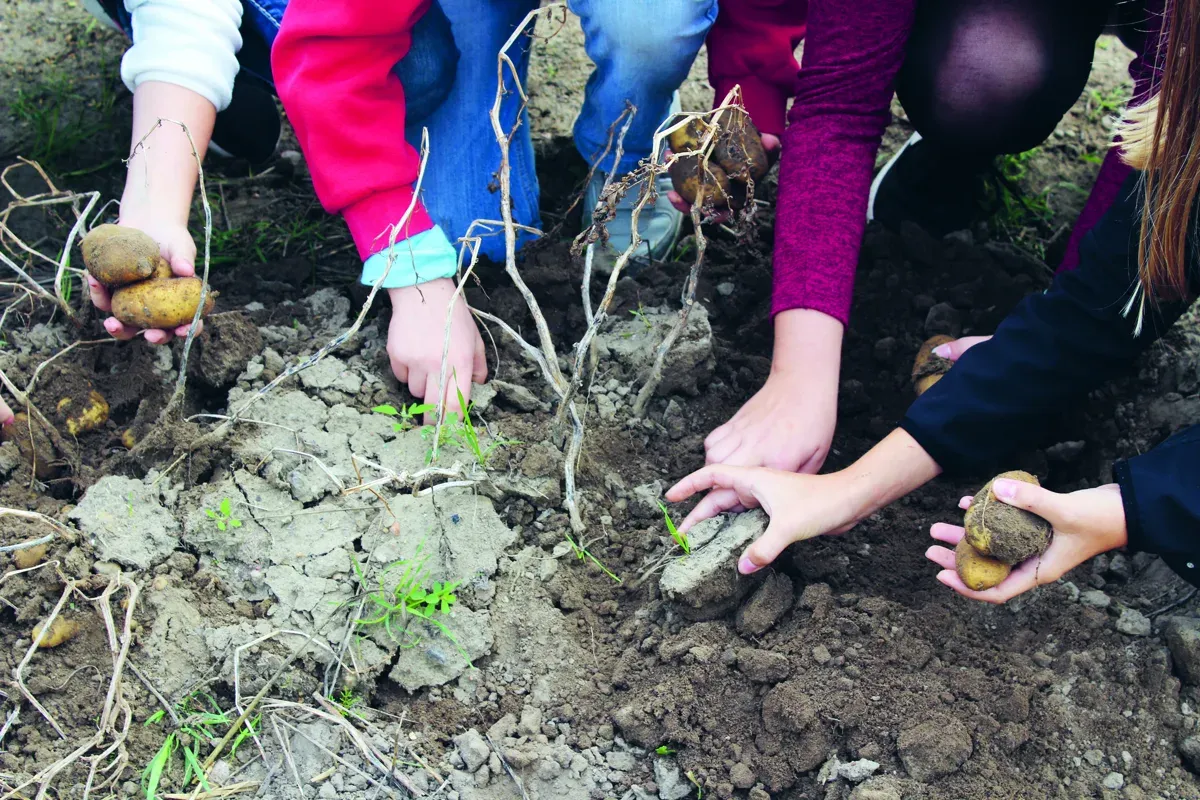
"Green Spoons" Project: Engaging Students with Biodiversity and Nutrition Through Interactive Learning Materials
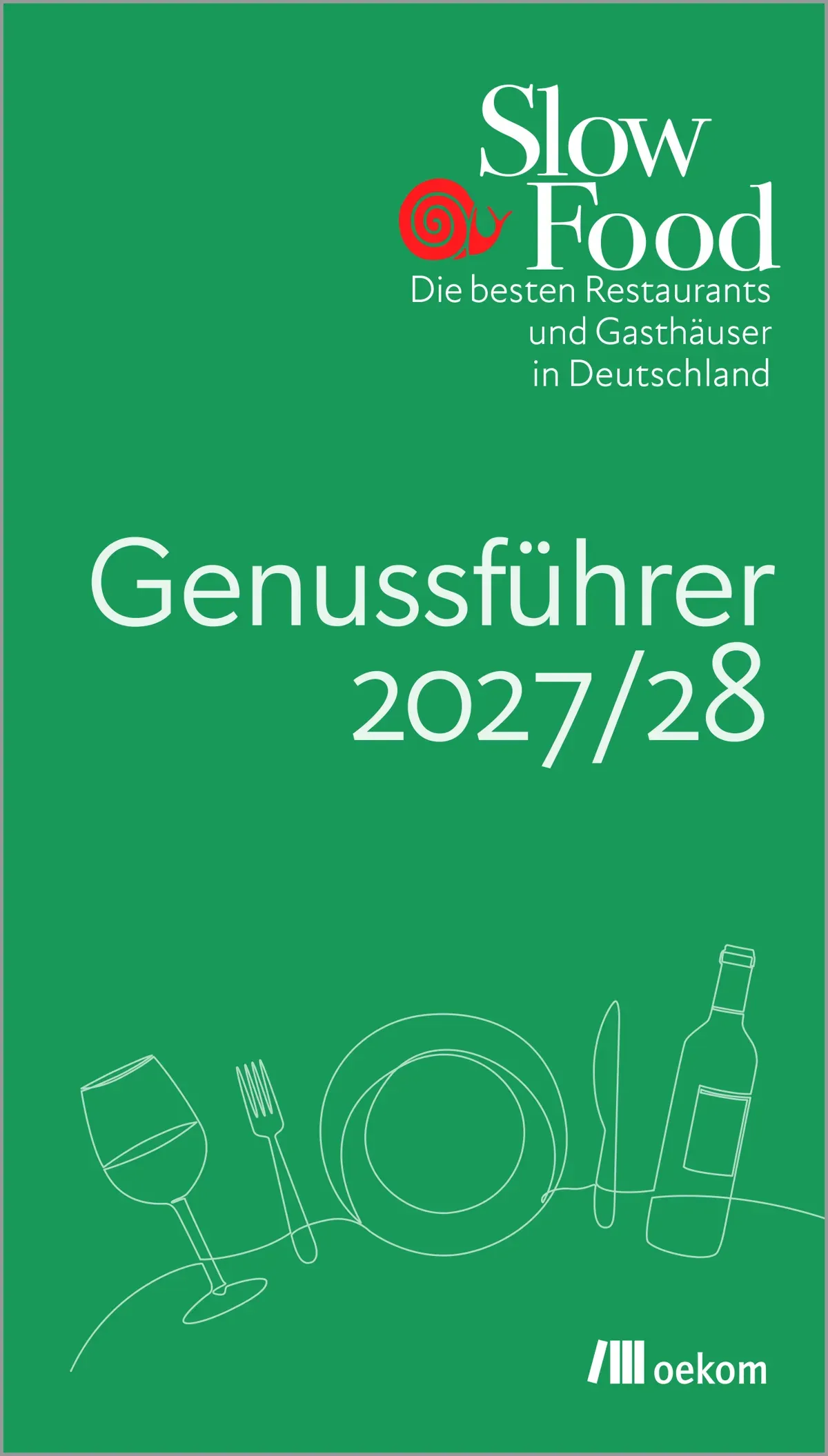
which is also available as an app, recommends restaurantswhere food is seasonally and regionally sourced – without artificial additives and with traceable origins.
Projects to Conserve Agro-Biodiversity
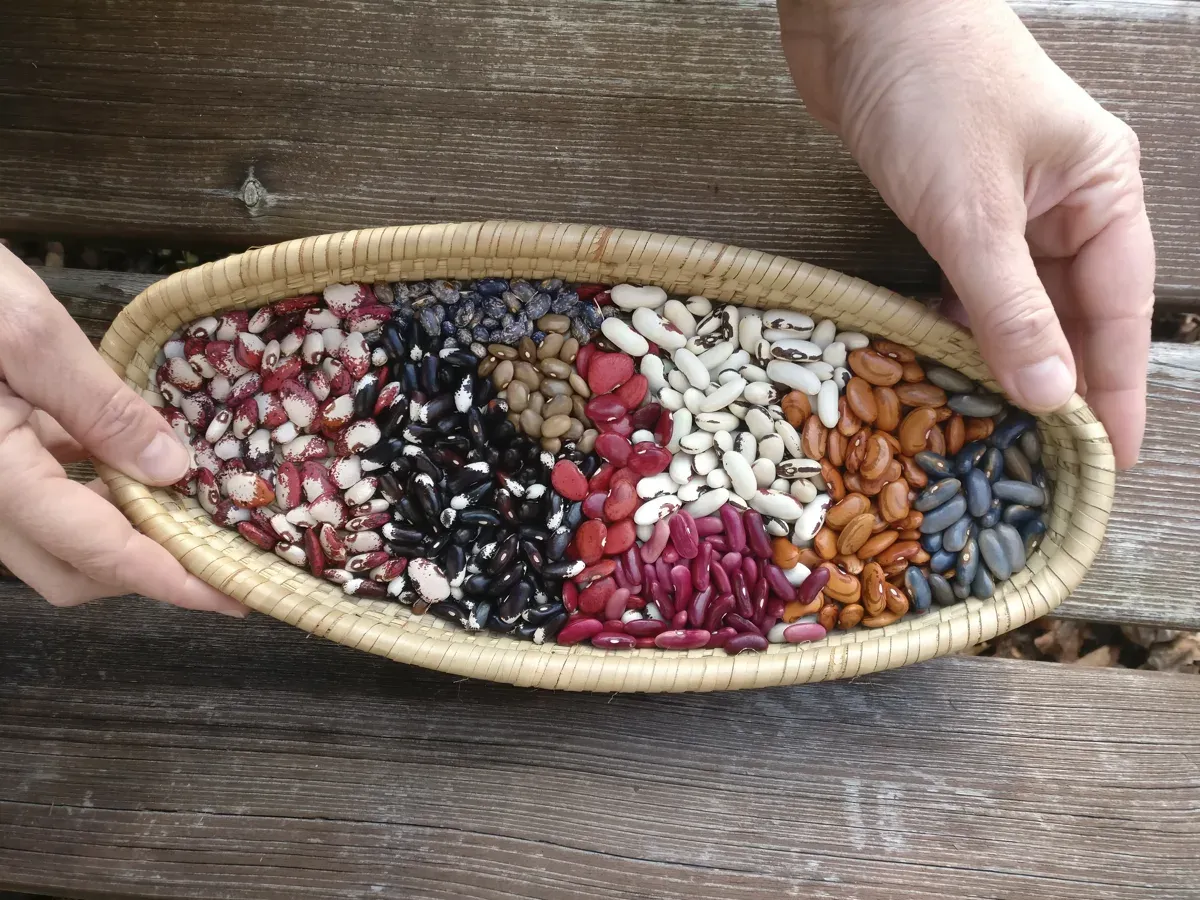
"The Ark of Taste": A Biodiversity Project by the Slow Food Foundation, Protecting Ancient Breeds, Crops, and Traditional Cooking Methods from Extinction.
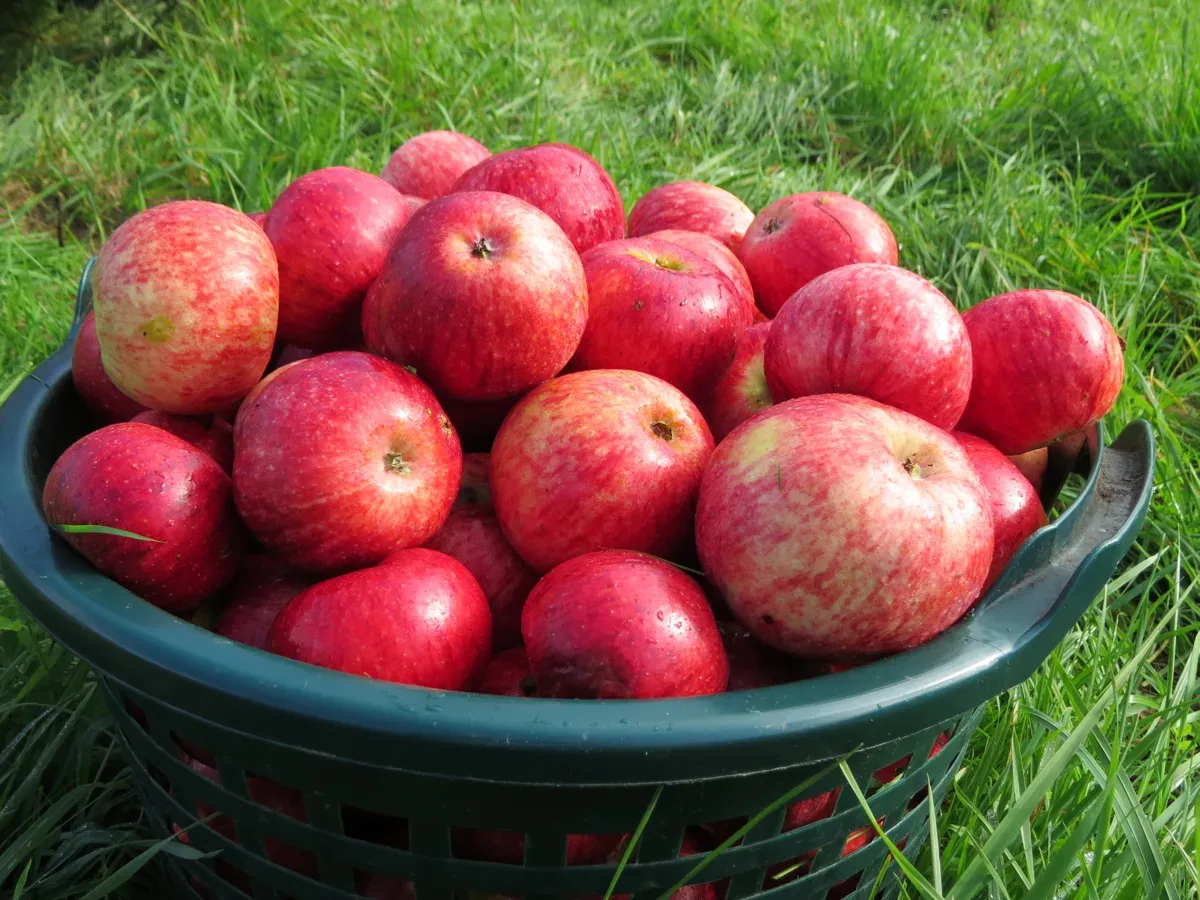
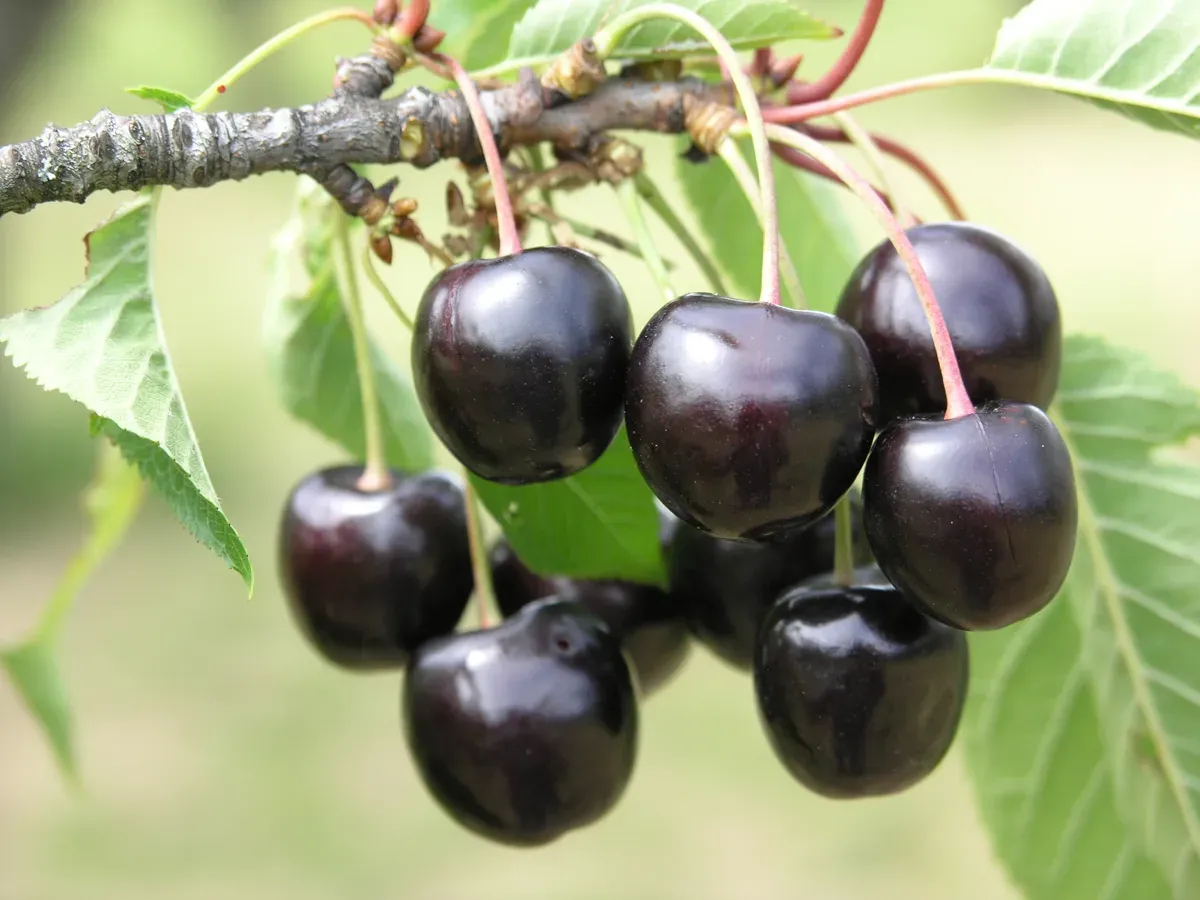
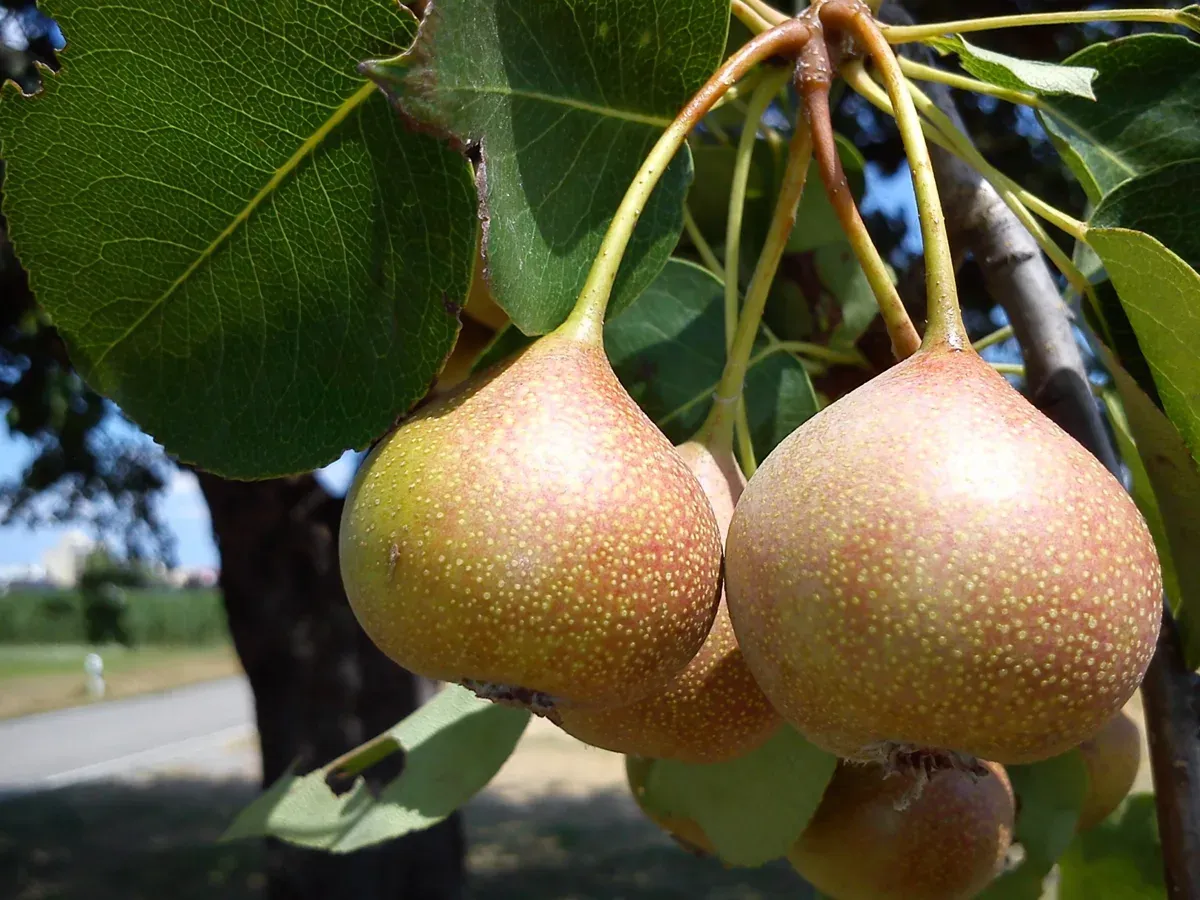
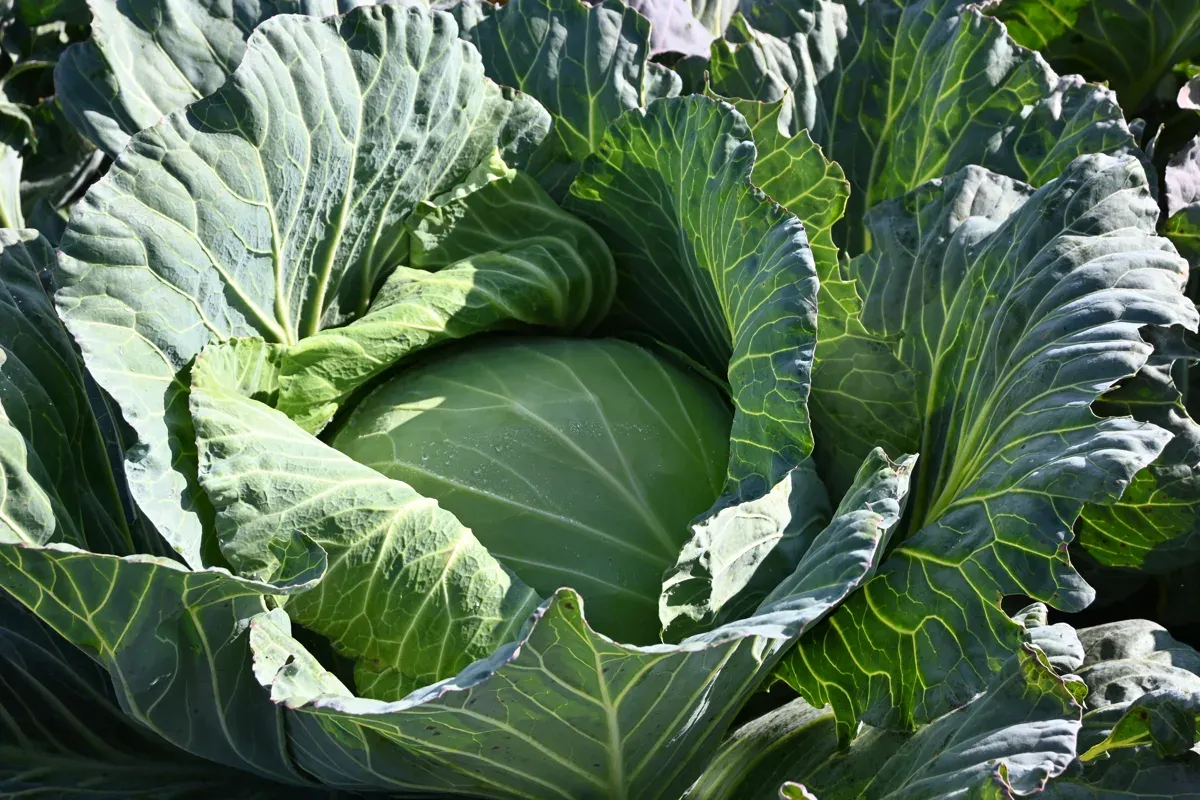
Regional heritage varieties from Germany: Luiken apple, Ermstäler knorpelcherry, Ismaninger palm pear, Kraut
Biodiversity Loss: Projects Like This Are Essential
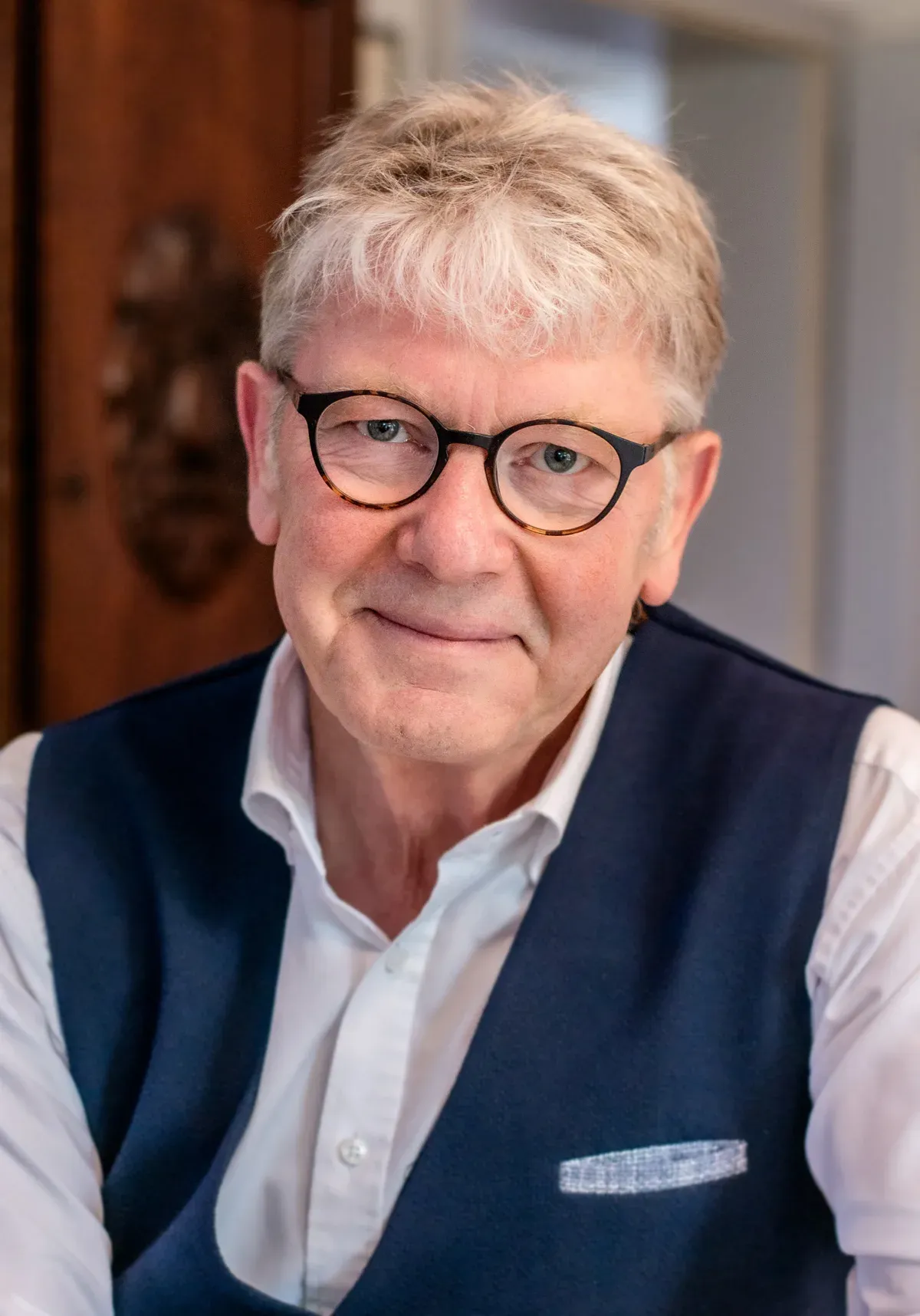
„We want to raise awareness that good food is always connected to landscape, biodiversity, and craftsmanship. We make these connections visible."
Dr. Rupert Ebner, Chairman of Slow Food Germany e.V.
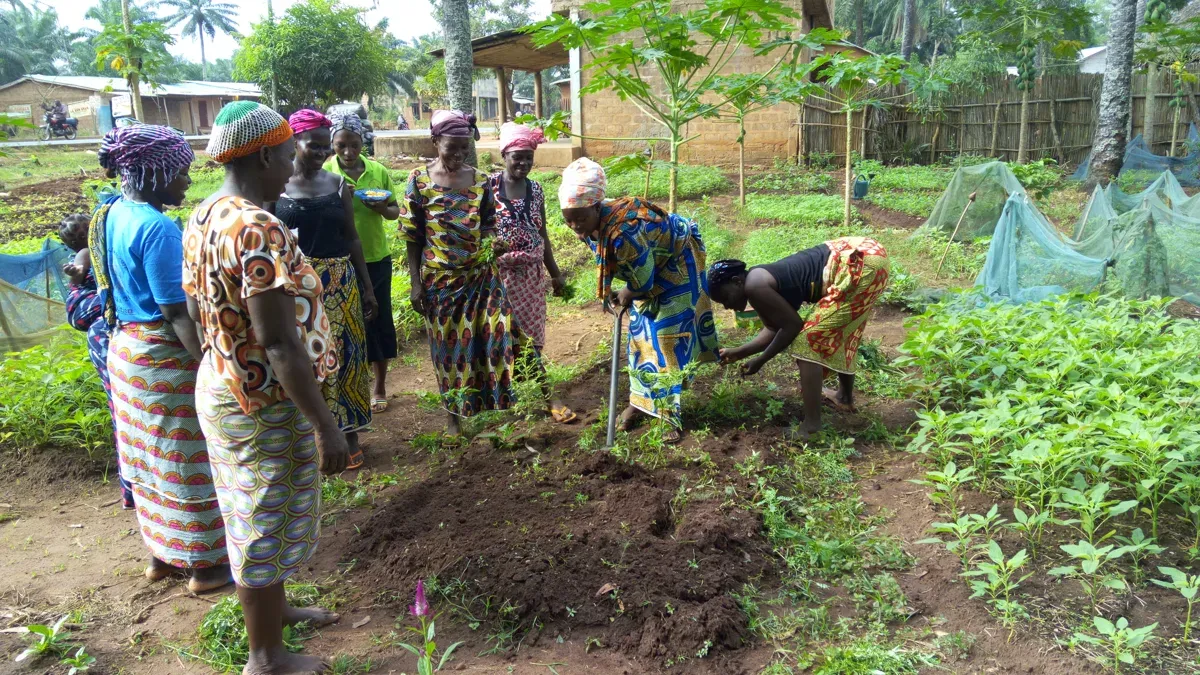
"Slow Food Gardens" network in Africa promotes biodiversity, traditional knowledge, and small-scale farming across the continent. This initiative, through its commitment to establishing sustainable food gardens in schools and communities, is a beacon of hope.
Rebstock Sponsorships
Supporting biodiversity and a unique cultural landscape through a "Vineyard Sponsorship" project by Slow Food Germany.
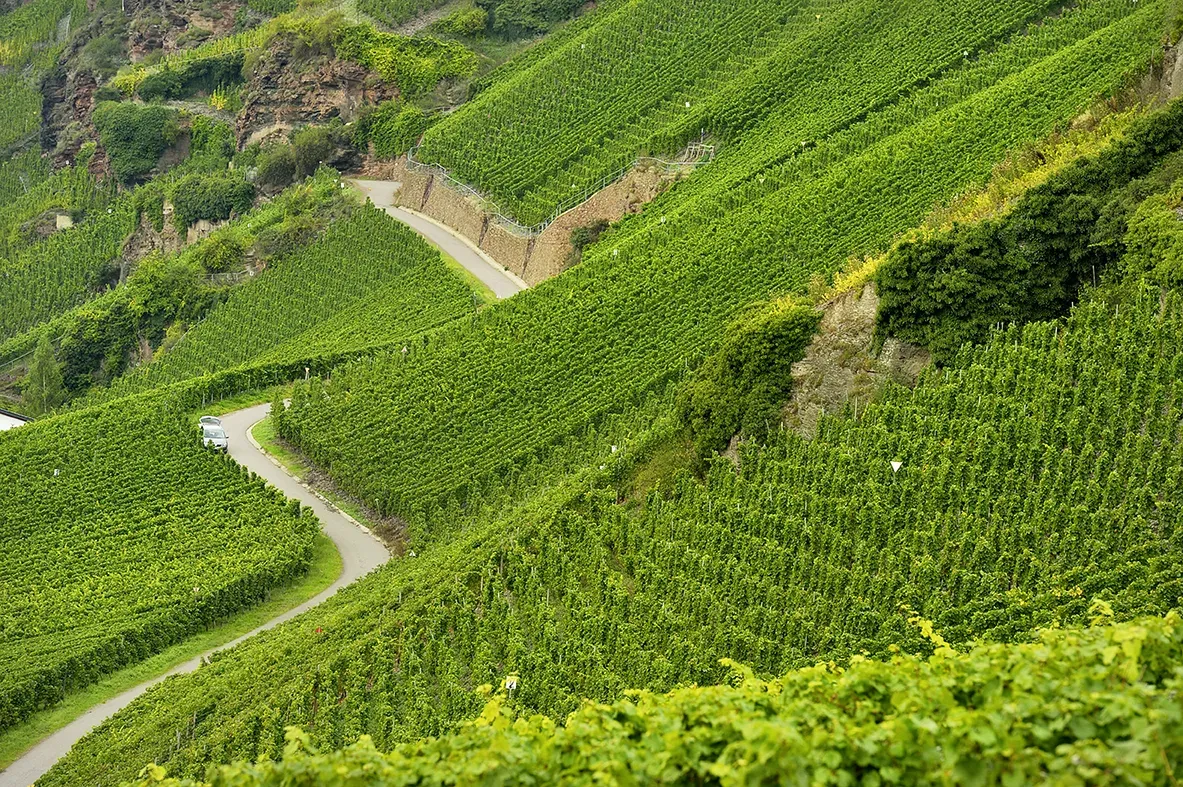
Steep slopes are considered jewels of German winemaking, but their steepness makes them particularly challenging to manage.
Grapevine Sponsorship: Winemakers receive support to continue cultivating and producing their steep-slope Rieslings. This wine represents unique quality: a cultural heritage that is still produced using traditional methods – exclusively mechanically clarified and without protein enrichment.
Slow Food Travel
Austria's Kärnten: The World's First Official "Slow Food Travel" Region
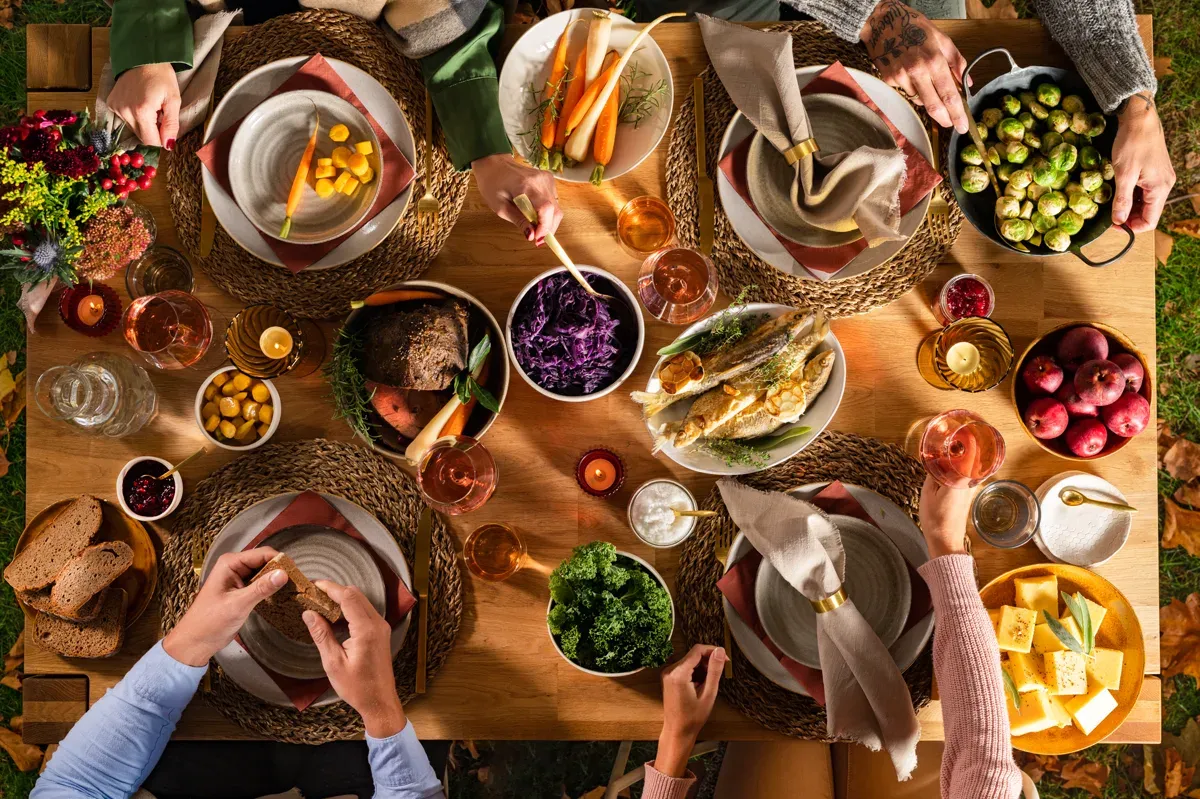
Slow Food Travel is not only an attraction for tourists who value sustainable enjoyment and conscious interaction with nature. The network also has an important significance for the local population, as old traditions should not be forgotten among the people living there.
More Slow Food Travel Regions Now Include Italy, Saudi Arabia, Azerbaijan, and the Philippines.
Read about the Slow Food Travel Region Alpe Adria in our special article:
Slow Food travel in the Alps-Adriatic region, Kärnten: holiday in the sign of the snail
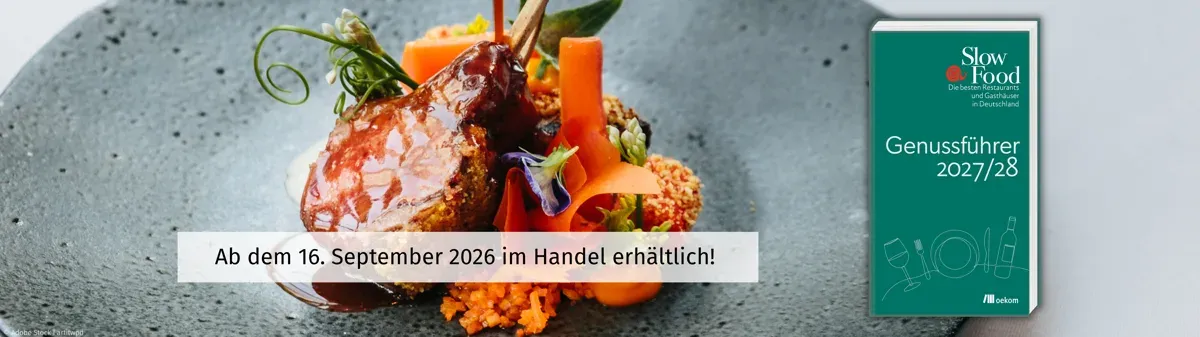
Pre-order your "Genussführer" (Enjoyment Guide) now!
https://www.oekom.de/buch/slow-food-genussfuehrer-2027-28-9783987265303
Peter Grett
Images: Main image: Noah's Ark
Images: Image 1 Snail: PABLO PUGA –P STUDIO
Images: Image 2 Table: Ingo Hilger
Images: Image 3, Children: Slow Food Germany
Images: Image 4, Pleasure Guide: Stefan Michel
Images: Image 5 Luikenäpfel: Rudolf Thaler
Images: Image 6 Cherries: Annette Braun-Lüllemann
Images: Image 7 Pears: Matthias Braun
Images: Image 8 Krautkopf: Anett Tobies
Images: Image 9 R. Ebner: Christine Olma
Images: Image 10. African Women: Slow Food
Images: Image 11 Vineyard: Weingut Richard Böcking
Images: Image 12, Table: Florentina Klampferer
Images: Image 13 Banner "Genussführer: Slow Food Deutschland"