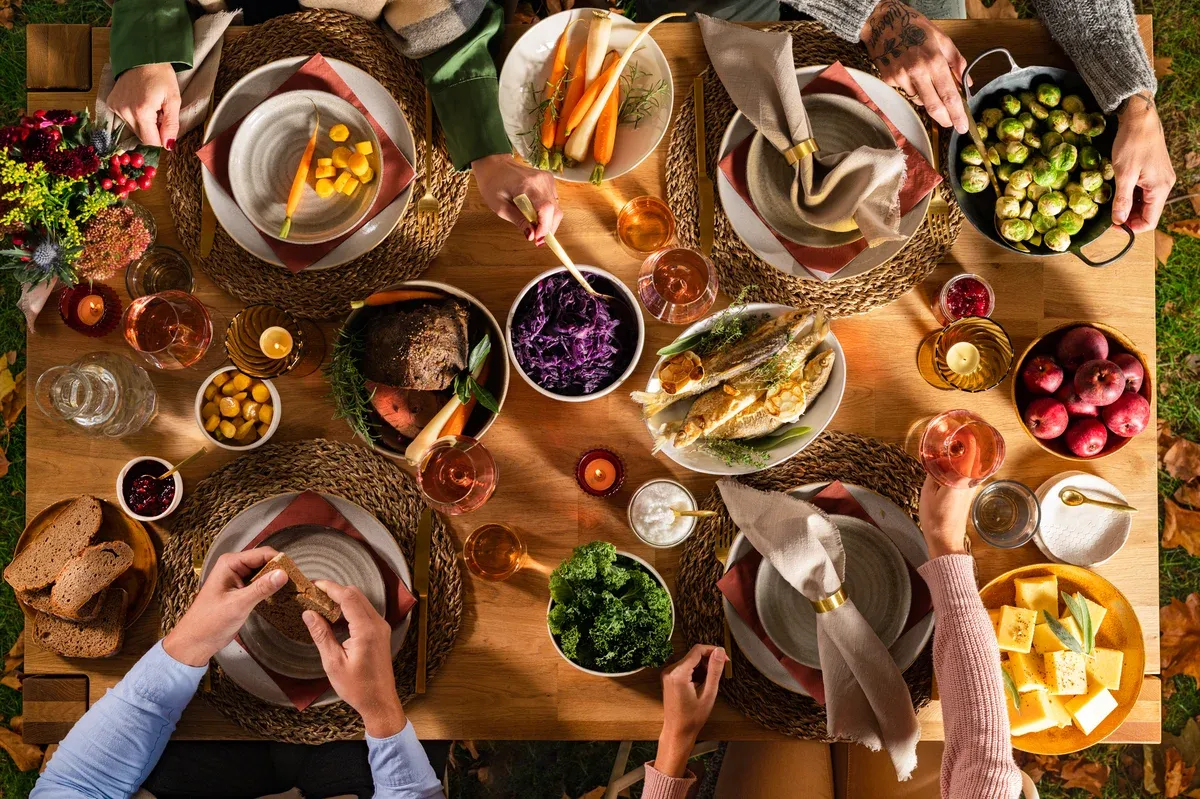
Currently, there are two food trends that could not be more different: while one focuses on sustainable bakers, organic food, and taking time to cook and enjoy, the other trend emphasizes fast living with fast food. Eating on the go, at your desk, quickly, and then continuing quickly. Fortunately, more and more people are rediscovering the connecting and almost healing power of good food. At least during vacation, more and more people are willing to take the time to enjoy it.
In Austria, particularly in Kärnten, this trend is gaining momentum: In the Lesachtal and the Gailtal, the first official Slow Food Travel region in the world is located. A true paradise for gourmets! Kärnten promotes its wonderful food as a real attraction for tourists who value sustainable enjoyment and conscious interaction with nature. But also for its own population, as old traditions should not be forgotten by the people on site. Together with the Slow Food movement, a culinary network has emerged in recent years, which is unique.
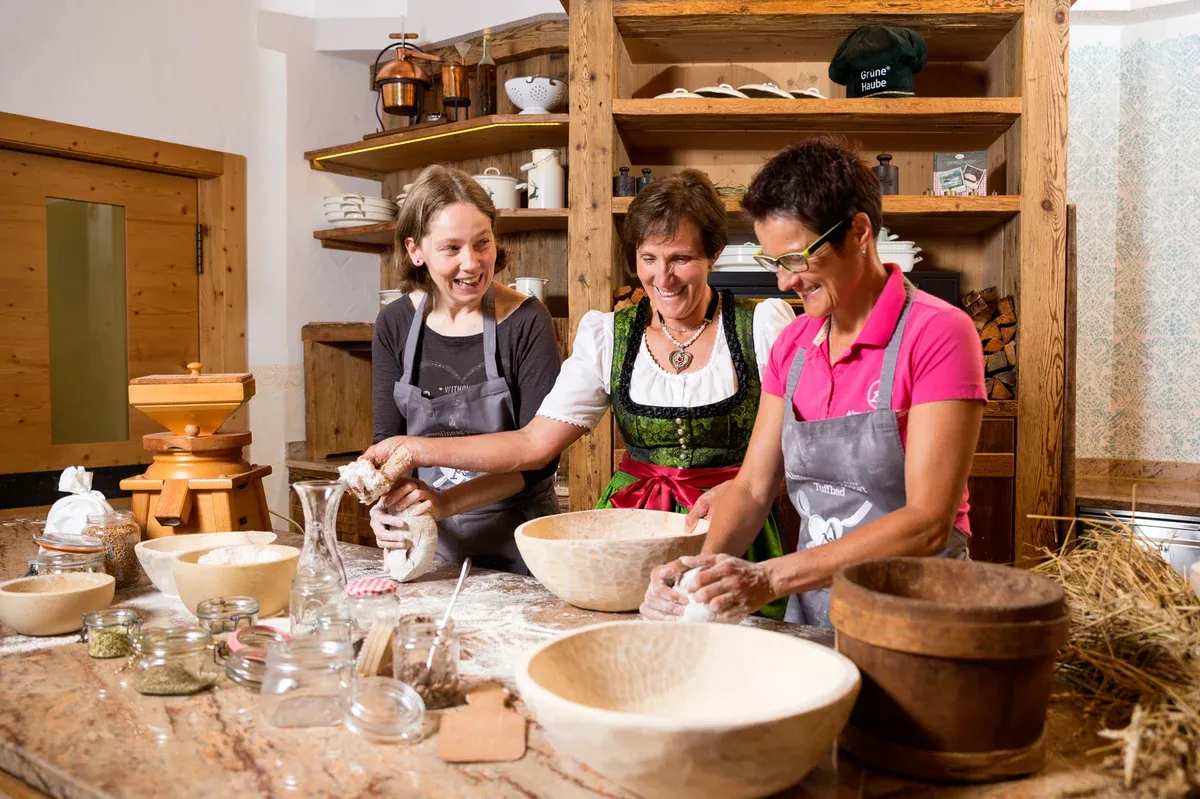
Slow Food Experiences: Courses to participate in
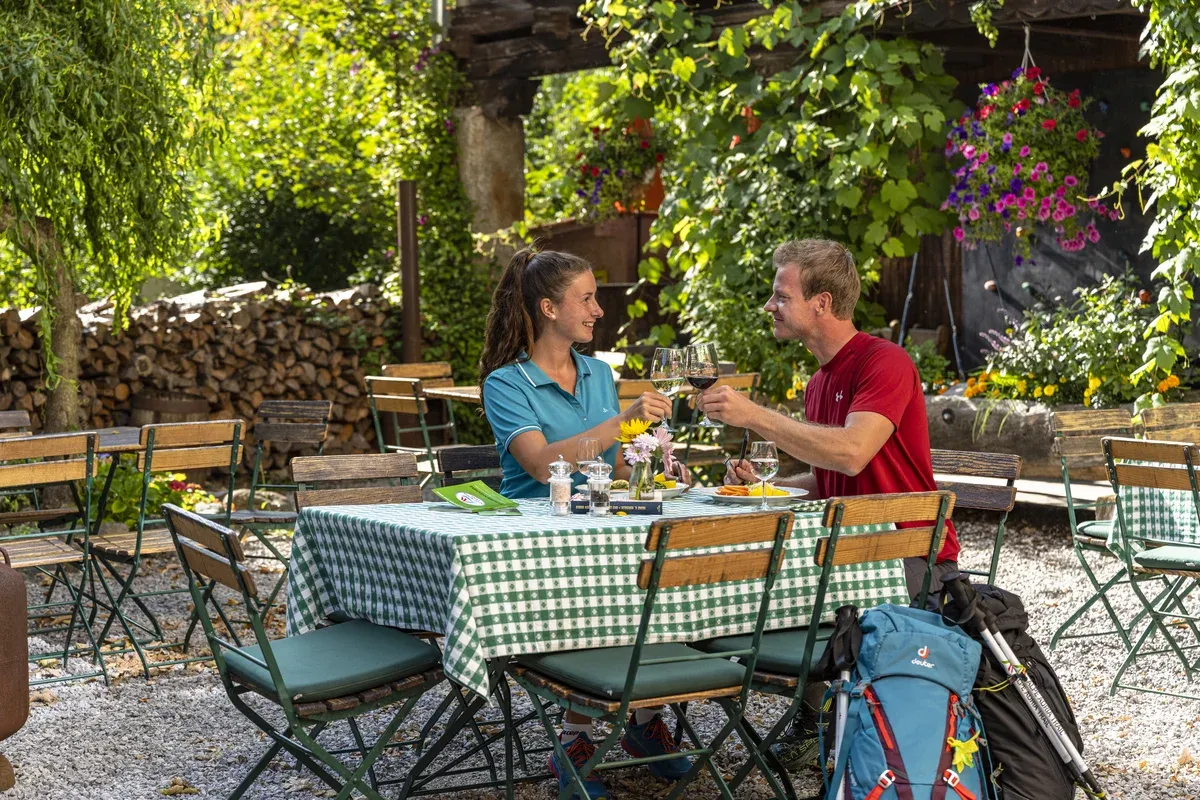
Slow Food TravelThis is a group of committed partners who are committed to the original culture of enjoyment. They value the use of seasonal and regional products and the craftsmanship of high-quality food. Therefore, before visiting the region of Nassfeld-Pressegger See/Lesachtal/Weissensee in Kärnten, it is always worthwhile to visit the website www.slowfood.travel – this allows you to plan a wonderful route from one delicacy to another, book tables in popular restaurants in advance, or book a course with an apiarist, ice cream maker, or other culinary craftsman.
Tourists can, for example, visit a master baker and see how really good bread is made. Namely from regional raw materials and with natural sourdough according to traditional methods. But not only bakers are happy to show their work. Visitors also have the opportunity to participate and learn a lot about good food. For example, about the production of Speck at Hans Steinwender at Schloss Lerchenhof, where you learn why it is not allowed to "huddel" during ripening. Those who want to know how to make fine ice cream can take a look behind the scenes at Lissis "kuhlem" Bauerneis. You can brew your own beer and witness the harvesting of honey by beekeepers.
Here are a few more tips for special places to enjoy, which will make you want to experience Slow Food and Slow Living. As it should be.
Hanf-culinary in the Hepi Lodge
How do Helene and Pepi Klingesberger describe themselves? As educated free spirits with boundless outdoor enthusiasm. But in their actual lives, they have knowledge of hiking, mountain and ski guides - and that in a total of six languages. The couple wanted to share their passions and open-minded worldview with like-minded guests and renovated an old farmhouse in a panoramic location at the foot of the Karnian Alps. With a lot of love, heart and effort, the apartment house Hepi Lodge was created, a place that creates an emotional connection to nature and the mountains. But there is also culinary something to discover: Helene and Pepi cultivate here in Obergail, among other things, hemp, introduce Slow Food Travel guests to the many benefits of this weather-resistant plant and offer samples of the nutty-spicy products from hemp.
The taste of organic Heumilch
Grass blades tickle between the toes, the scent of herbs fills the air. After the barefoot walk, homemade specialties made from organic Heuwiesenmilch melt on the tongue, while at the same time waving to the ten producers who are grazing nearby. This is an experience of depth that will remain in your memory. Elisabeth Guist is happy to introduce her guests to the art of producing these nutrient-rich specialties, from the first hay harvest in June to grazing in the autumn. As a convinced organic farmer and nature cosmetics expert, she runs the over 270-year-old organic farm "Ederhias" in Obergail.
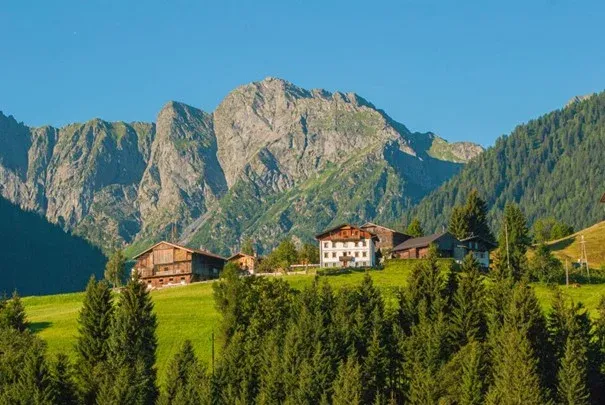
This is a holiday home and training location in one. Because Elisabeth knows the secret recipe for the best products: appropriate animal husbandry, diverse mountain pasture feed and plenty of fresh air, instead of industrial mass animal husbandry. No wonder that the traditional Heumilch economy in the Alpine region was recognized as the first system in the German-speaking area as a cultural heritage of global importance. When picking the own "mountain pasture feed" from all the colorful flowers that Elisabeth's milk cows eat, you feel close to this heritage.
The power of wild mountain herbs
Growing up in a Lesachtaler mountain farmer family, Klara Obernosterer has always been interested in the stories of the plants around her. She wants to pass on the careful Umgang with nature, which she learned as a child, to visitors: "We learned through collecting and processing the meadow and medicinal plants the importance of natural foods for health. Sustainability was already important to my ancestors."
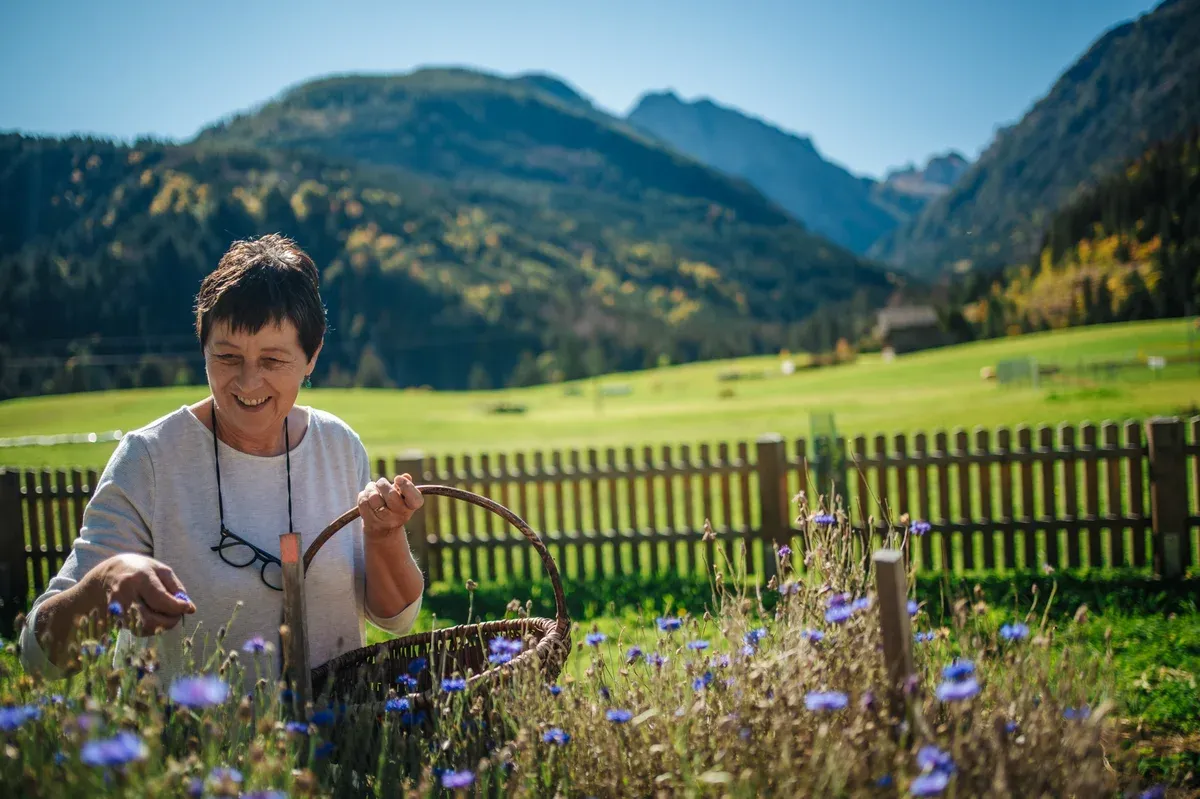
With endless expertise and typical Kärntner charm, the diploma-trained herb and forest educator leads her remote home, to where the valuable mountain herbs and roots thrive. Back in Klaras Kräuterhäusl, the participants of the popularSlow Food workshopsthen gather with coffee or self-picked tea and learn a lot about the production of natural remedies that have been used in the Lesachtal homes for centuries. During the joint cooking, for example, sushi à la Lesachtal is prepared. With wild herbs and porcini mushrooms, vegetables from the garden. Instead of wasabi, fresh kren is used.
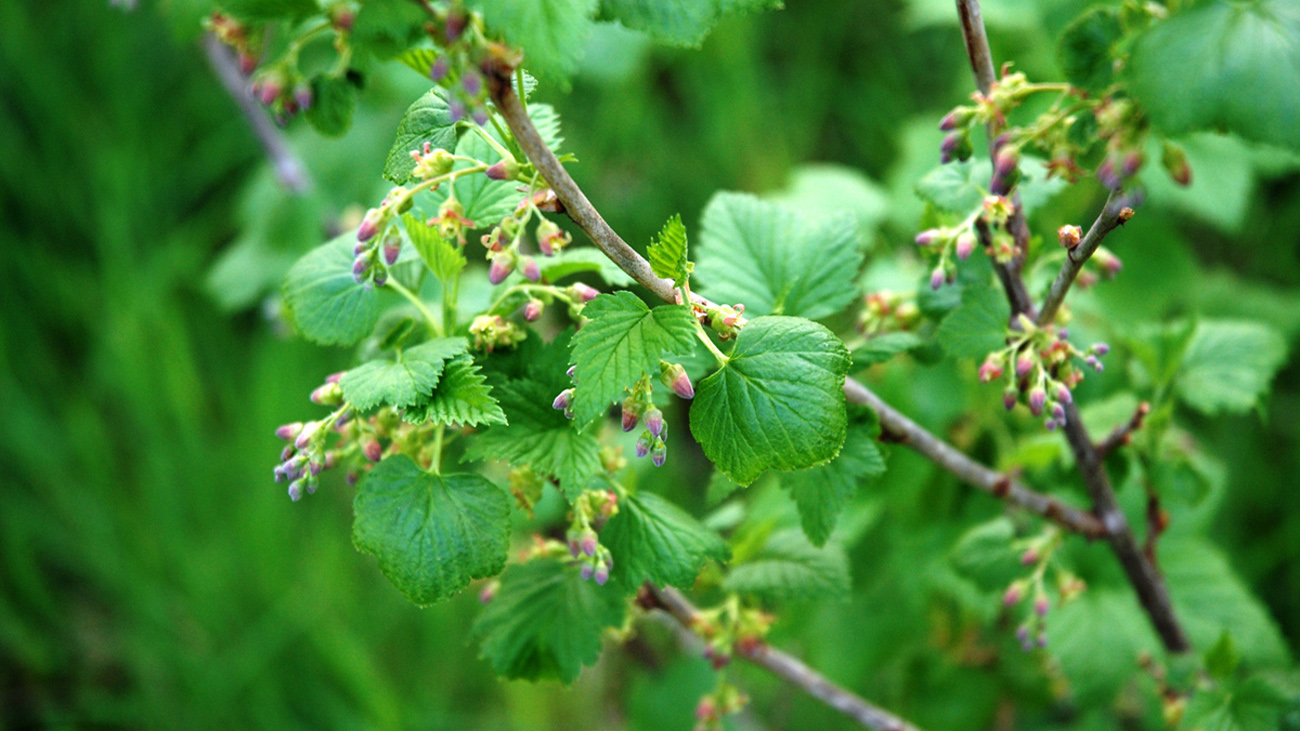
Old apple varieties, newly cultivated
Have you ever heard of pomology? It is the science of the different types and varieties of fruit as well as their determination. Two experts in this almost forgotten area are Philipp Bodner and Eva Hinterbichler. The agricultural scientist with Osttirol roots and the studied agricultural biologist and orchard keeper from Upper Austria are jointly running the Baumschule Fruchttrieb in the Gailtal. Here, on a height of almost 1,000 meters, fruit trees and shrubs have been growing since 2021, currently over 200 different varieties.
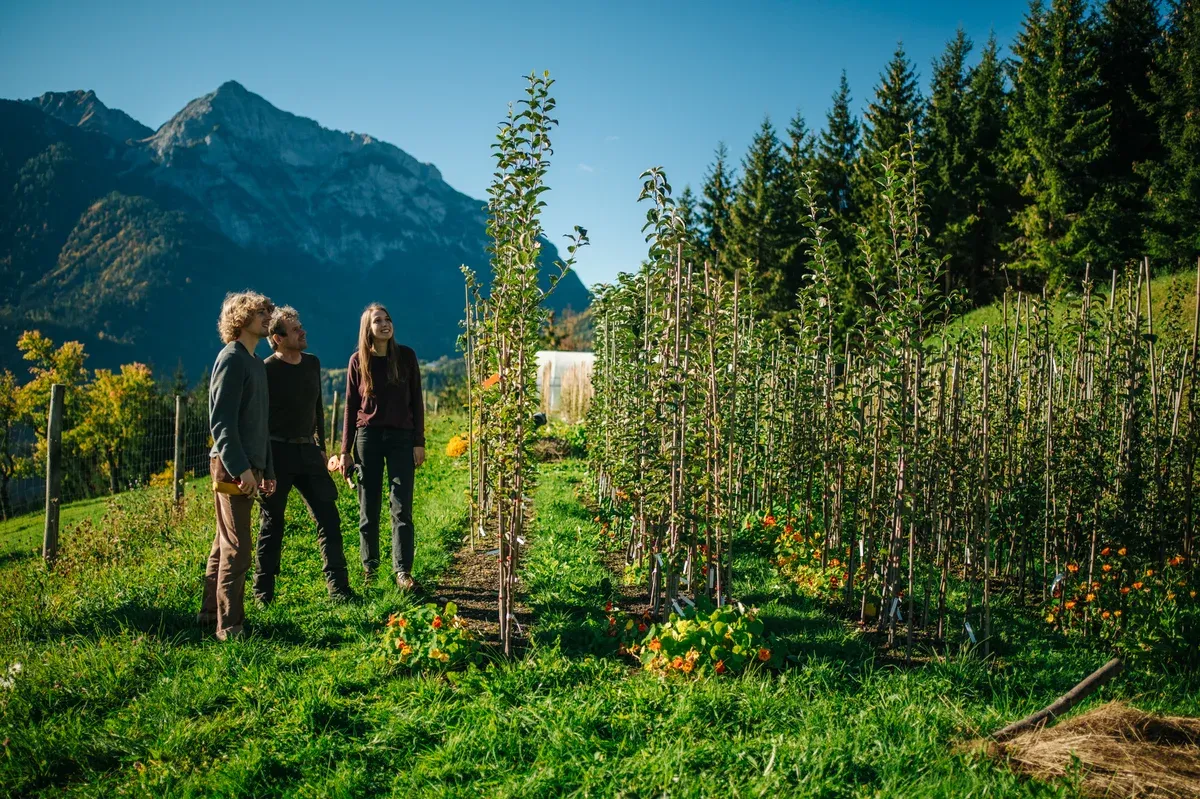
This is managed by hand and organically-biologically. For these millennials, it is a nearly meditative work that grounds them and allows them to focus on the important things. Namely, to preserve the biodiverse orchards, to protect old varieties and to promote sustainable agriculture. Those who want to test the wide range of flavors and uses of some almost extinct varieties are welcome here: During the tour, the two explain the ecological value of orchards - fruity tastings of apple, pear, marille and peach as well as advice for the own garden included.


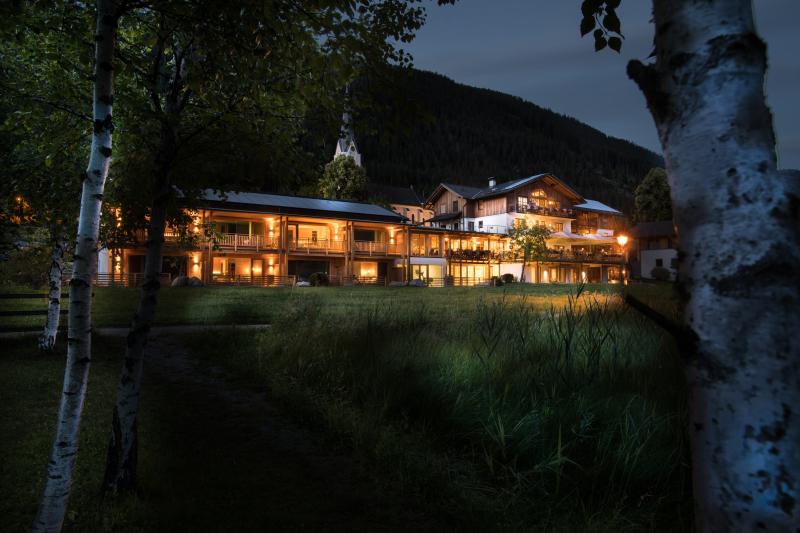
Alpine See cuisine at a star level
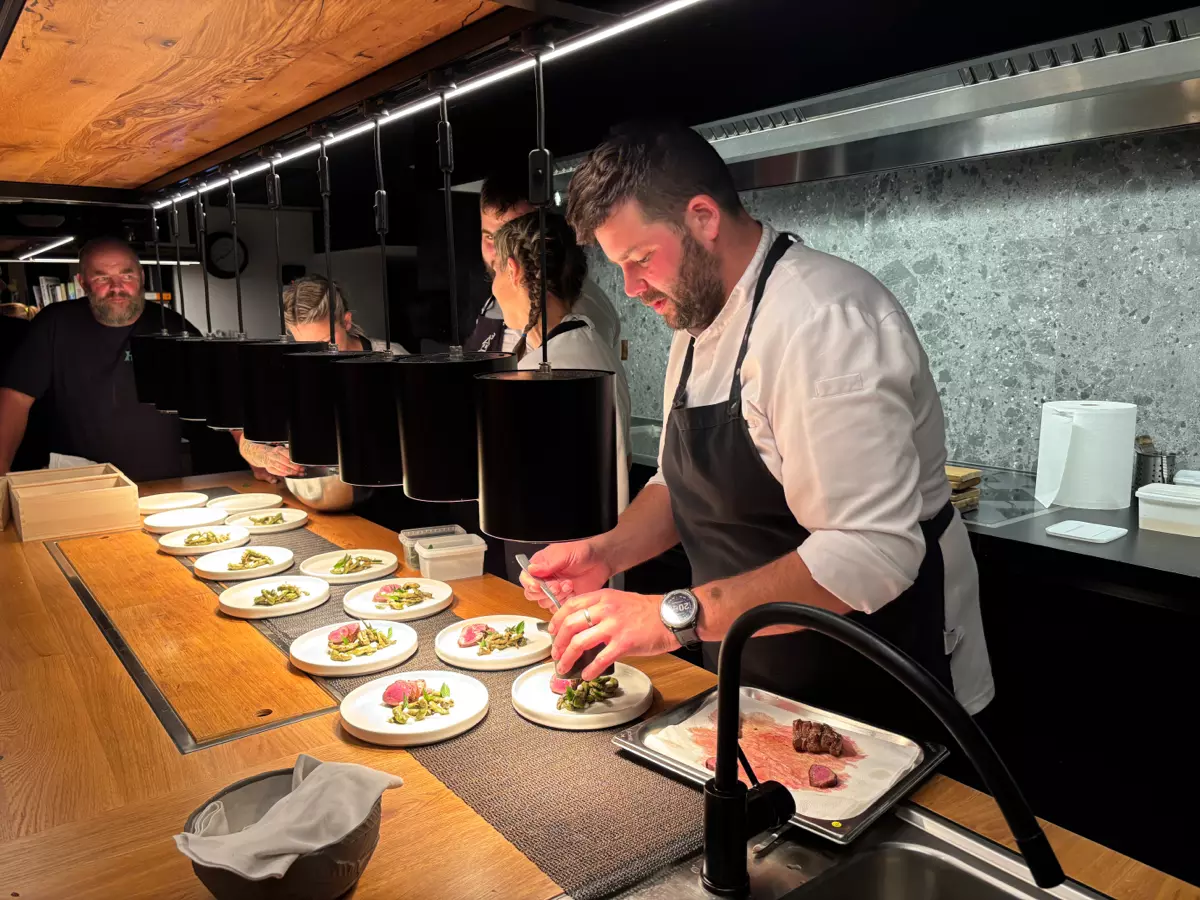
Hannes Müller, the chef of the "Forelle" hotel at Weissensee, is a passionate cook. His culinary heart beats for his region. Gault Millau Austria recently crowned him "Chef of the Year 2025". Four stars and 18.5 out of 20 points were awarded to his commitment to innovative tradition, the best products from local businesses, sustainability and seasonality. Those who stay at the "Forelle" can enjoy alpine culinary craftsmanship at the highest level. The chef himself thinks ahead, remains modest, is nature-loving and always appreciates.
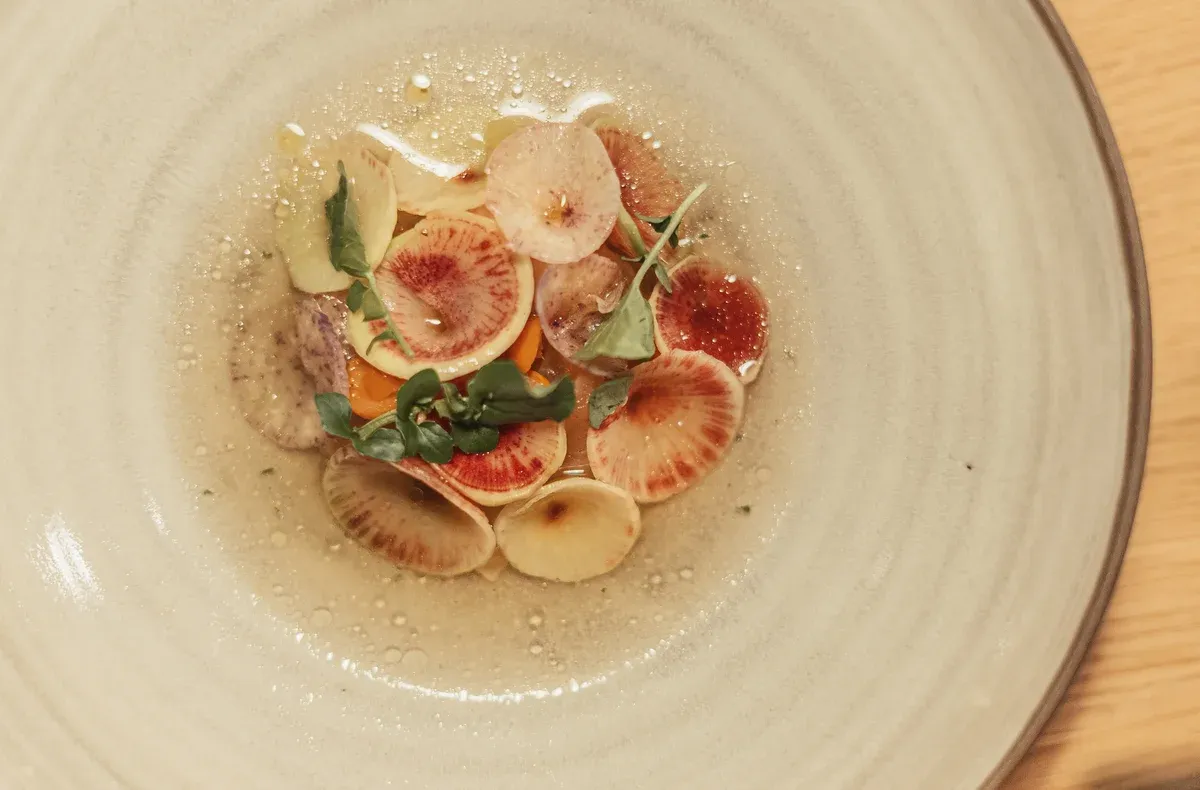
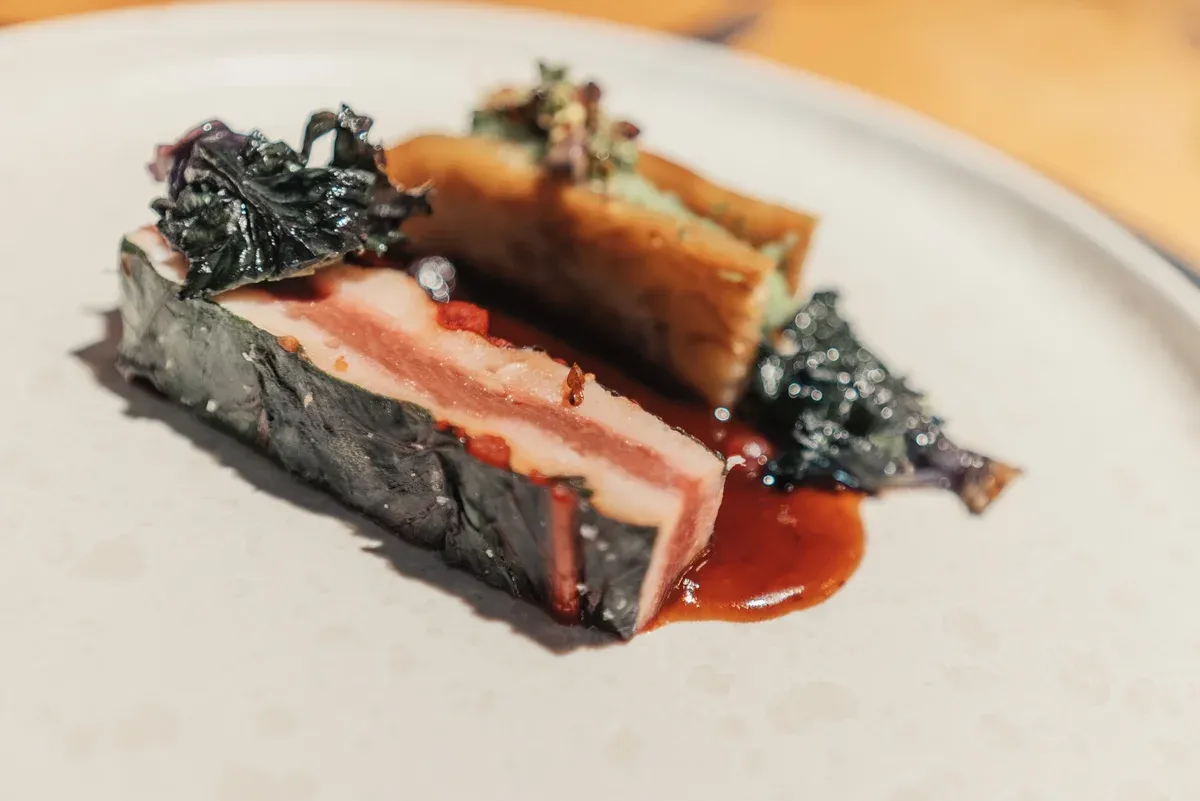
His goal is taste: unique, full and unadulterated. "Unplugged" he experiences when he prepares a delicious five-course meal for guests without electricity. During the Slow-Fish-Workshop, he shows interested people how wild fish from the Weissensee or fish from natural breeding can be processed "from the eye to the tail fin".
Superfood from the Gailtal
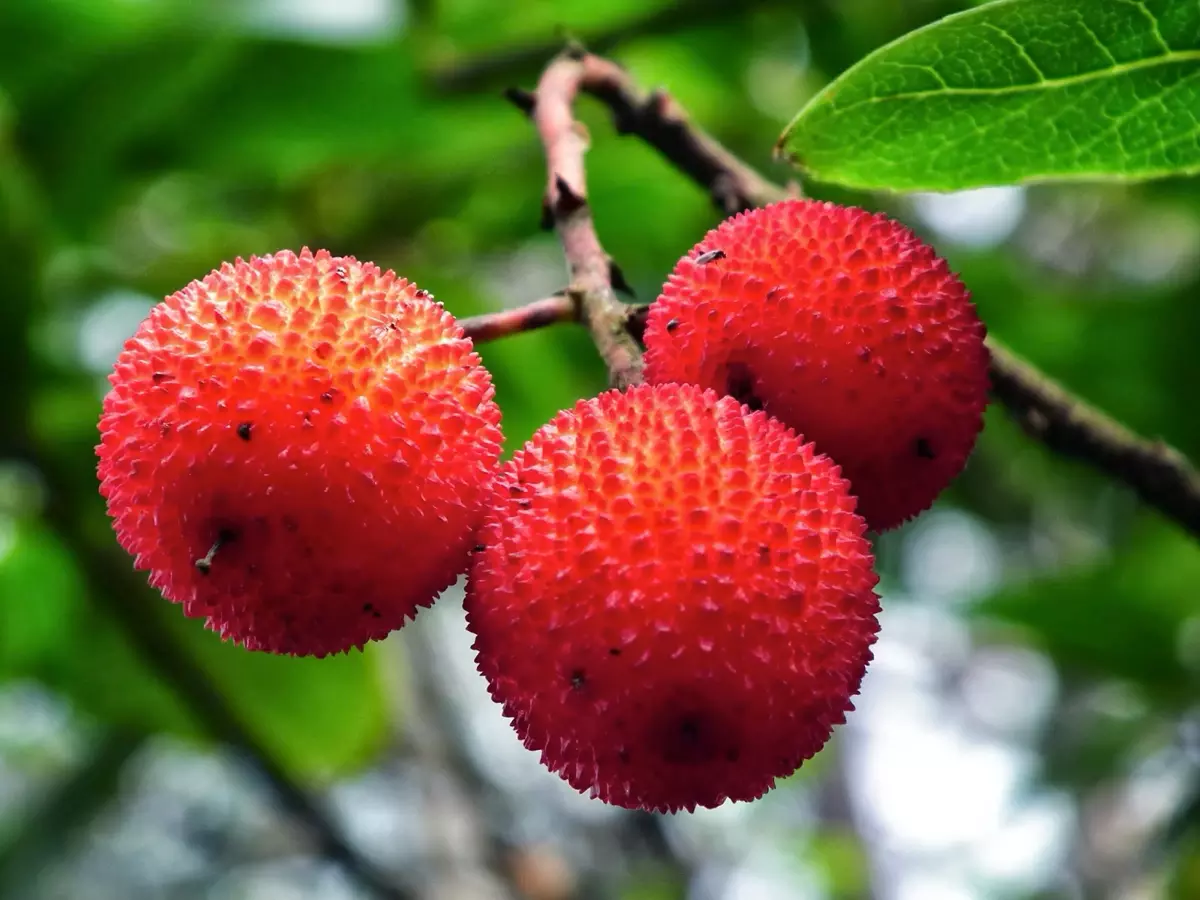
Actually, he comes from North America: the Aronia bush, short Aronia or appleberry. Its up to three meter high shrubs bear fruits that strengthen the immune system, promote blood circulation and protect cells. In addition, the berries are excellent for making juices, jams, teas or dried snacks. Günter Buchacher was the "Karnischer Gebirgsaronia" in the Gailtal. 2.500 shrubs of this trendy superfood as well as a few holunder bushes, the native, had the native, Günter Buchacher, who was actually a plasterer, restorer and sculptor in Munich, brought to his farm.
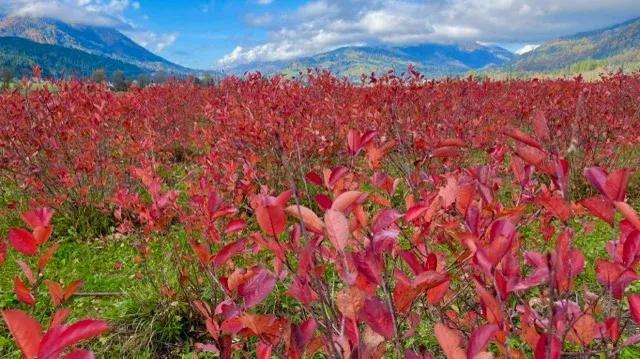
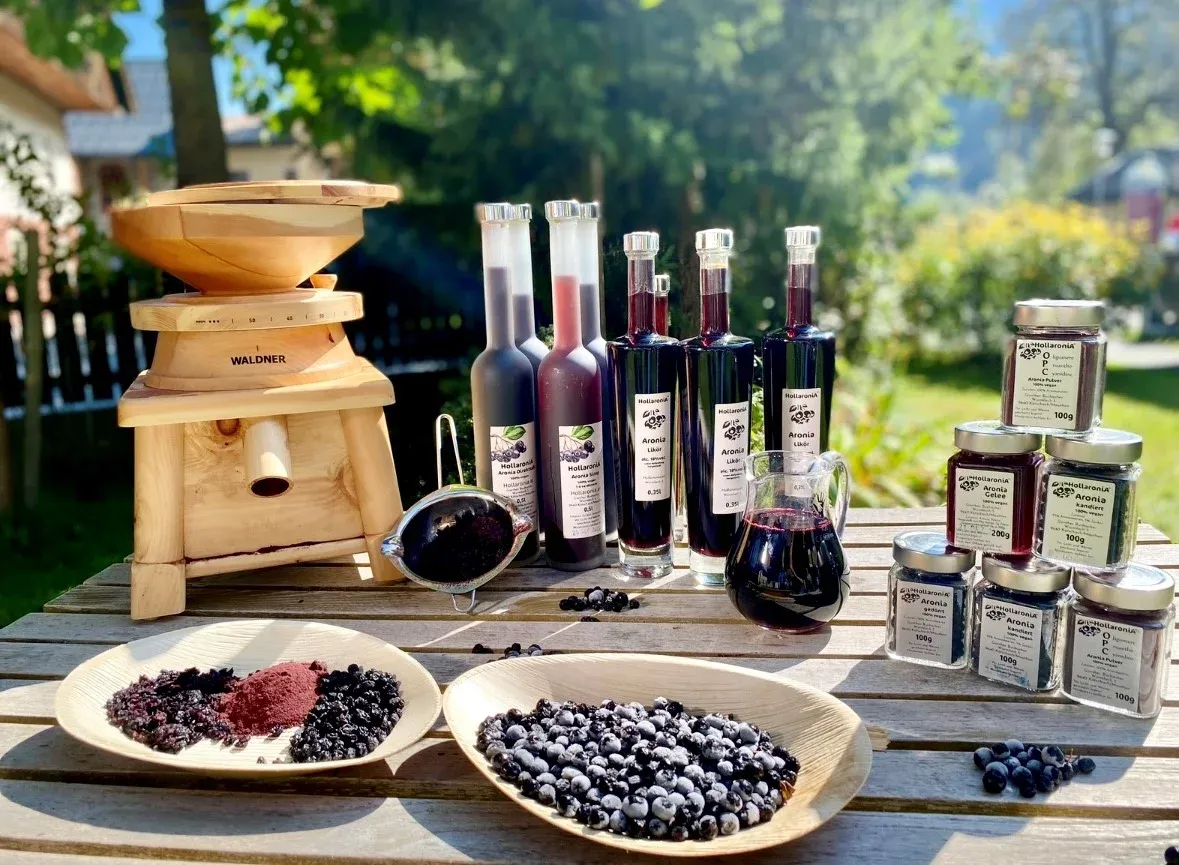
Today, Ingrid Buchacher-Toulali runs the Aronia plantation with a lot of ambition and the knowledge of her deceased father, a pioneer of Hollaronia. For five years, the organically grown plants have been lovingly harvested by hand and from them products such as Aronia-gel without sugar, jams for wild dishes, an anti-inflammatory direct juice, liqueur and syrup are produced. The latter, called "Hollaronia", combines the best of appleberry and white elderberry. A special Slow Food experience is a harvest day on the plantation with a subsequent visit to the old farmhouse, where the berries are processed into tasty delicacies.

Vegetarian delights at the Bärenwirt
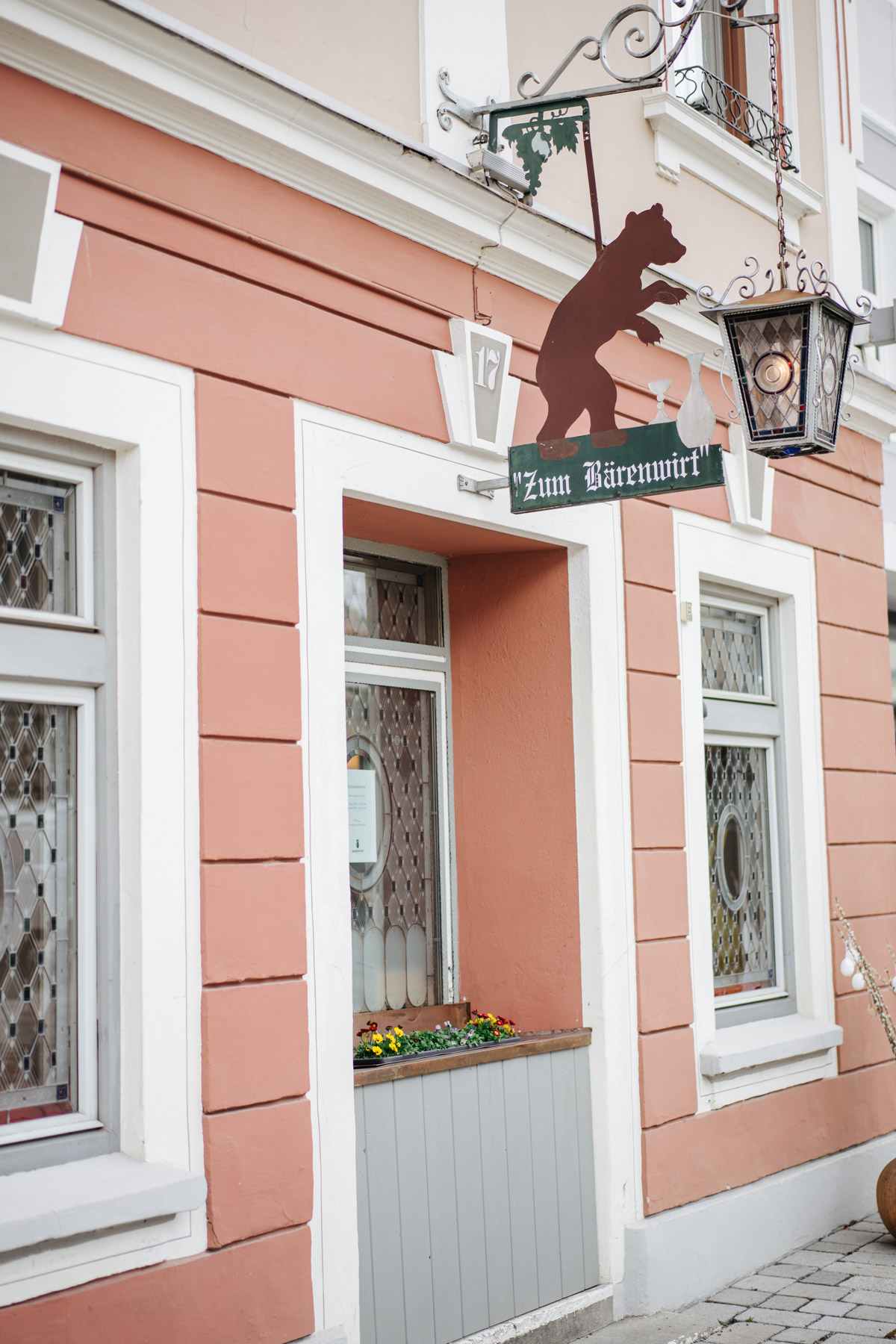
The saying "back to the roots" fits Manuel and Claudia Ressi in double sense. After 13 years in Vienna, the two have returned to their Gailtaler home in Hermagor. And (root-)vegetables are at chef Manuel Ressi, currently awarded with 16 Gault-Millau points and three stars, in high demand. In his Slow Food vegetable kitchen, he shows guests various vegetarian preparation possibilities and takes them on a taste journey through the region of Nassfeld-Pressegger See. The city life has inspired them: Manuel learned the top gastronomy in all its facets, Claudia studied and observed. Since becoming parents, they missed the nature, the vastness and the peace of the mountains.
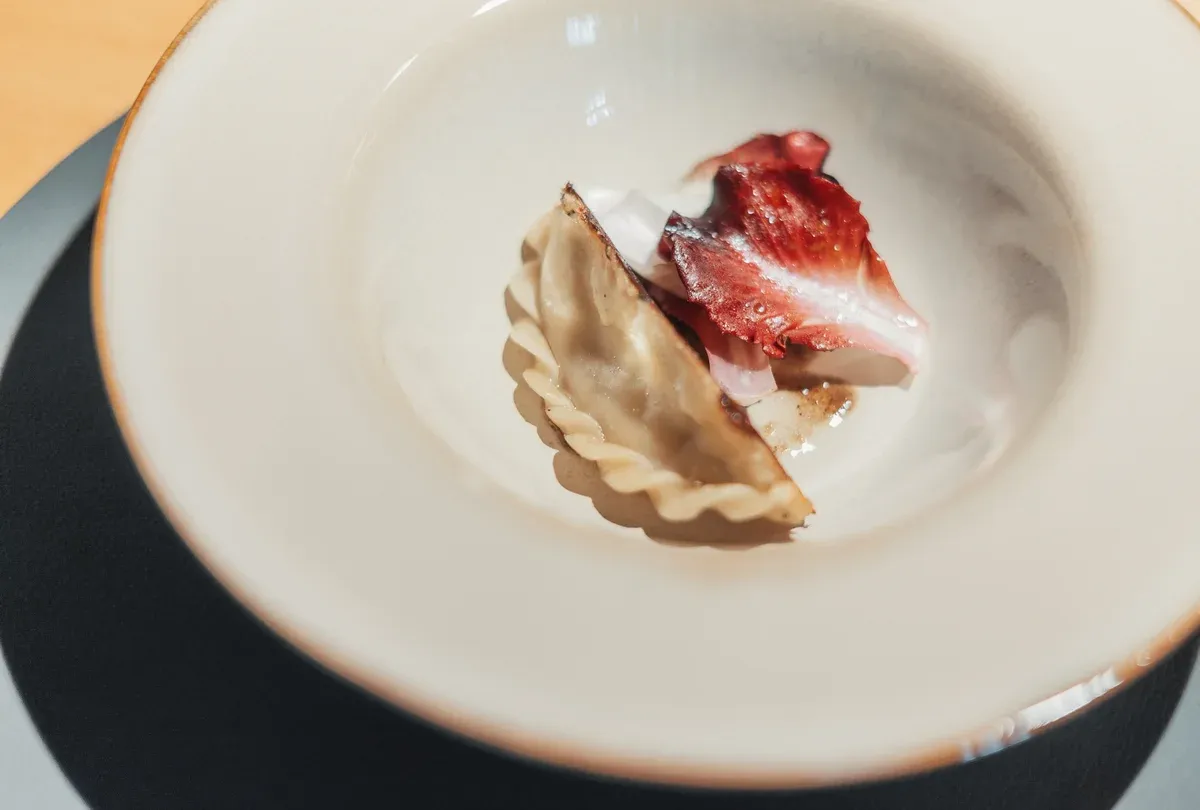
They returned, took over the Bärenwirt in the center of Hermagor and earned the trust of the locals and guests with "understandable inn cuisine" made from honest, unadulterated ingredients. The style of the former Steirereck sous chef is creative, regional and surprising with exciting tastes. Especially noteworthy are the extraordinary pastry skills with which Manuel rounds off his gourmet menus. In addition to the Bärenwirt, there is also the "Kleiner Bären" in the former night watchman house next door: with stylish accommodation and a show kitchen for cooking courses. Hungry for bears? Then go there!

Dr. Wiese, Dr. Alm and Dr. Wald bring health back
"Health through nature and joie de vivre" is the motto at the Peintnerhof. This principle is lived by Andrea Unterguggenberger and her husband Georg Lexer, both doctors. Guests are welcomed by the two on their "Auszeithof" in the midst of the healing landscape of the Lesachtal, surrounded by "Dr. Alm", "Dr. Wiese", "Dr. Wald" and "Dr. Water" in cozy holiday apartments. Everything in their "wooden house" happens in harmony with nature. This starts with the wood used for building and extends to the wool bedding from the sheep that Andrea has been breeding for years.
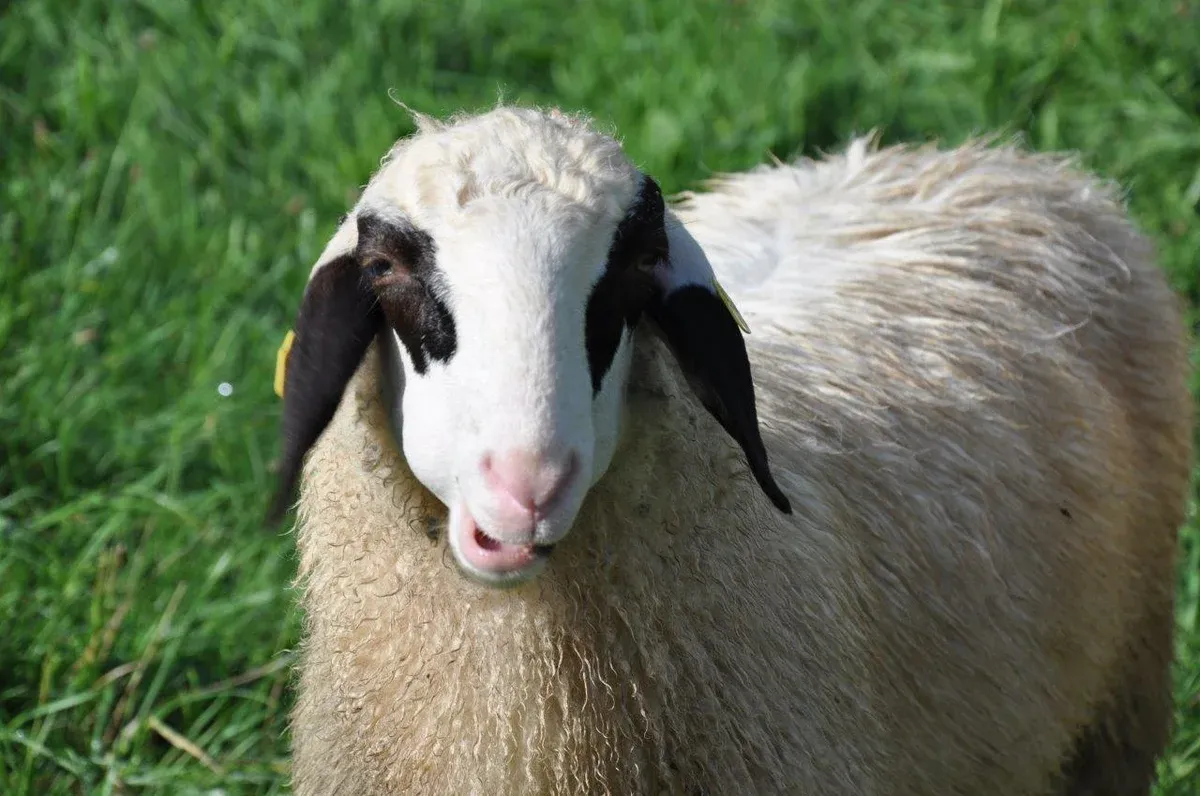
Culinary specialties such as bread, ham and milk products are made on site or come from the region. Vegetables, herbs, grains, fruit, lamb meat and trout come from the own garden, the pasture, the herb and grain field, the orchard and the stable and fish pond. Welcome to a place of rest, as described in the "Slow Food book"!


www.slowfood.travel
www.kaernten.at
www.slowfood.travel/de
This folder provides information on the individual businesses in the region. To find it under:
https://www.slowfood.travel/PDFs/SFT/Folder_SFT_2025_PRINT.pdf