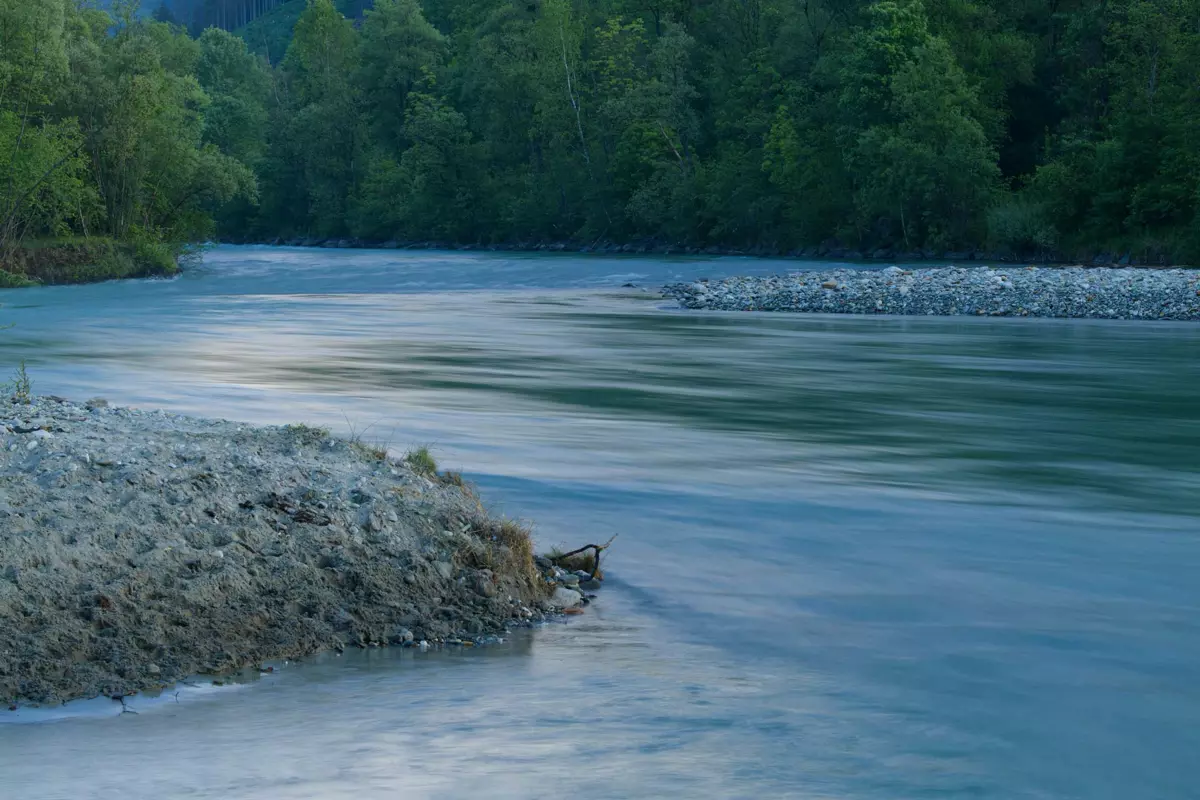
The early morning light shines in warm colors, but slightly milky, on the rushing river with its small islands and open banks. Further back in the valley, the blue shadows of the fading night remain. Above, wide mountain ridges rise, still adorned with snow patches. The river, with its turquoise-tinged, milky water, fills the valley with its sound. It smells fresh, of the river's wetness, of livestock, and of vegetation covered in dew. I take a deep breath, connect with this peaceful place, and position my camera on a tripod with still damp fingers.
Not an ordinary alpine valley
We are in the Iseltal in East Tyrol. This is not just any alpine valley with a flowing stream, but the Isel is a truly special river. And I am here because I can lead a group of photographers to special places with great potential. The East Tyrol Tourism Association had actually announced a "Photography Safari" on the Iseltrail. This already legendary route has been running along the Isel since 2020 – from the mouth in the Drau near Lienz to the source in the wilderness of the National Park Hohe Tauern.
Original mountain landscapes as a positive tourism factor
But let's start from the beginning. The Tyrolean "exclave" East Tyrol is surrounded by high mountain ranges, which have always made the technical accessibility from the densely populated areas of Central Europe more difficult compared to other holiday regions in Austria, such as the neighboring North Tyrol. As a result, there has not been such intensive tourist development, nor are there large ski areas or villages characterized by uniform hotel complexes. There are also hardly any large-scale facilities such as hydroelectric power plants, such as in North Tyrol. For a long time, this was considered a disadvantage, looking longingly and jealously at North and South Tyrol. However, East Tyrol is now benefiting from this situation, which was previously considered a backwardness, thanks to the increasing tourist demand for original and authentic experiences in close contact with nature. And this has also led to a gradual change in attitude among the local population. As nature-friendly tourism projects are increasingly appreciated by visitors and tourists, and thus create economic value, more and more people in the region now consider the supposed disadvantage of non-development as a positive thing.
A natural jewel saved
But the landscape beauty of East Tyrol is still intact today, as there were fierce social conflicts in the last decades between industrial usage claims and a more sustainable development path.
The Isel was at the center of the controversy. This river, about 57 kilometers long, originates at the Umbalkees glacier in the middle of the alpine wilderness of the Hohe Tauern and flows to the mouth in the Drau in Lienz completely freely, without ever being dammed or diverted. The river dynamics of the Isel are therefore largely undisturbed and natural from source to mouth. And this is a rarity in the Alps.
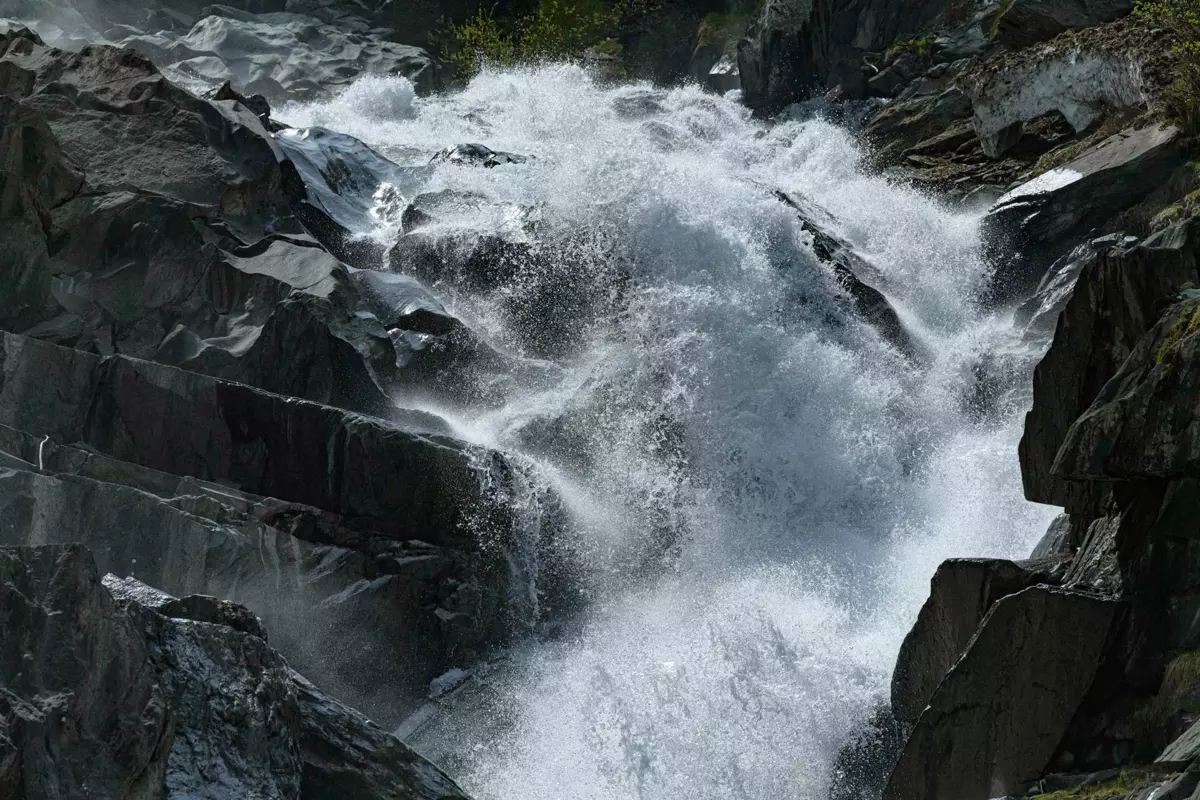
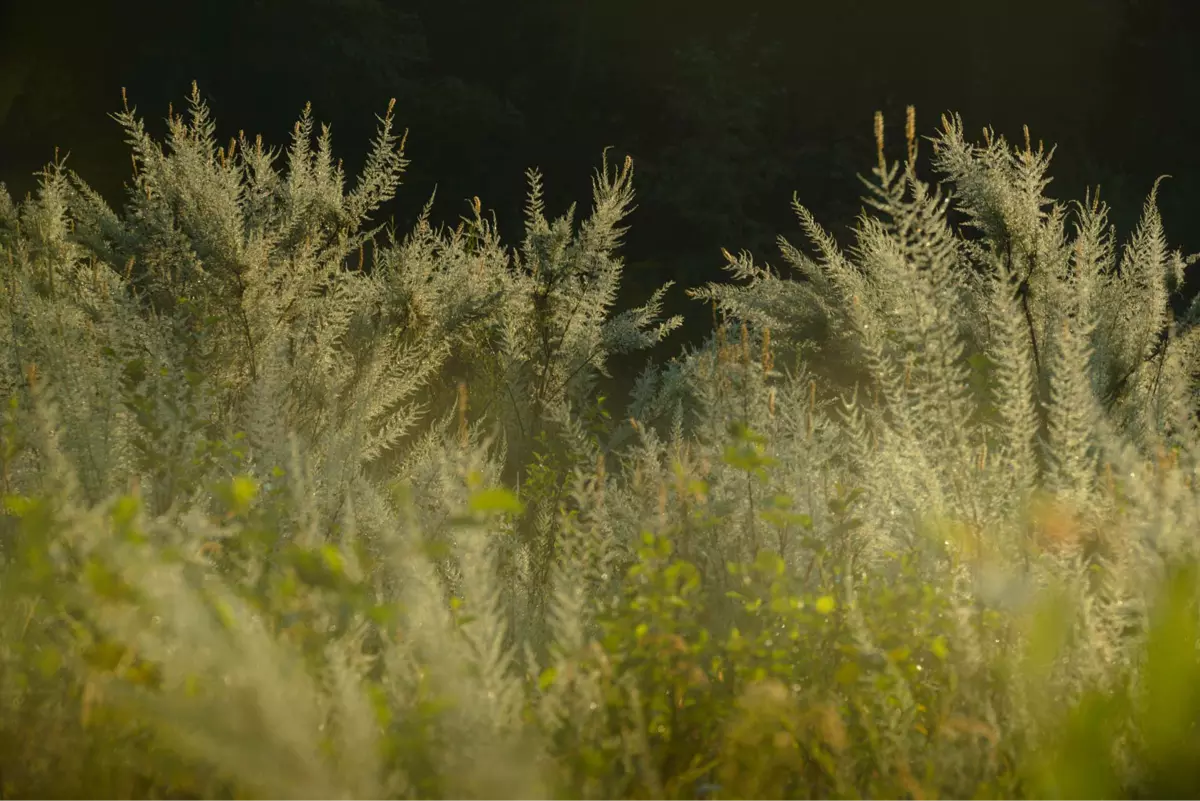
The water supply fluctuates depending on the temperature, time of day and season. In the warm season, the ice melts even at the top, which ensures an increased meltwater release. Especially in the afternoon. These daily small floods of the gravel banks create special ecological conditions. So habitats are created that allow rare and protected species, such as the German Tamariske, to survive. Without these periodic floods, they would otherwise be displaced by other species. This has already happened on most other glacier rivers: The Tamariske was once a common species on many Alpine rivers. Today, it has become very rare because most Alpine rivers no longer flow freely and "live"
In the 1970s, the state energy supplier wanted to build a large reservoir for power generation with a 220-meter high dam in the Kaiser Dorfer valley below the Großglockner. The operators also planned to enclose more than 20 glacier streams in East Tyrol at a high altitude and lead them underground into the reservoir. This would have deprived East Tyrol of a large part of its water resources and also severely affected the internationally famous Umbalfälle in the upper Iseltal. In addition, two run-of-river power plants were to be built on the Isel between Matrei and Lienz.
The Lienzer biologist Wolfgang Retter – aptly named – and many people from the local population were completely opposed to these plans. Together with the "Verein zum Schutz der Erholungslandschaft Osttirol" (Association for the Protection of the Recreation Landscape of East Tyrol), the Alpine Club, and many nature conservation organizations, they launched a campaign against the major project. Instead of the massive interventions in the natural landscape, the opponents of the power plants demanded the establishment of a national park in the wild Hochgebirgslandschaft (high mountain landscape) of the Hohe Tauern and the preservation of the Isel, the only freely flowing glacier river in the Alps.
The national park was again rejected by parts of the local political scene and by landowners. However, a referendum carried out in 1987 in the main affected town of Kals am Großglockner resulted in a two-thirds majority against the power plant plans. Two years later, the construction projects were finally dropped by the responsible ministry.
But the Isel continued to be a source of conflict. Investors wanted to channel the entire Virgental into a "Kraftwerk Obere Isel" (Upper Isel Power Plant) for power generation. Nature conservationists – and later also the EU Commission – demanded the preservation of the freely flowing wild river. In 2018, the designation of the entire Isel as a Natura 2000 European protection area finally ended all power plant ambitions for this natural jewel. The establishment of the European protection area now means that a so-called "harm prevention" is no longer possible for protected habitats and species. New dams or water diversions are therefore no longer possible. In return for the Natura 2000 designation, financial funds were made available for regional development.
The designation of a national park and a European protection area is a great stroke of luck for tourism in East Tyrol and the preservation of the valuable natural areas. Outstanding nature experiences such as the cataracts of the Isel, especially the very popular Umbalfälle, or the countless mountain hiking opportunities in and around the national park are major tourist attractions and form the basis for sustainable tourist value creation in the communities of the region.
Tourist landmark with the slogan "Follow Your River"
Now, let's turn to the Iseltrail. This is a continuously marked hiking route with numerous viewpoints on magical places. With a total length of 73.7 kilometers and a total of 2120 meters of ascent, the route can be divided into individually selectable sections.
The lower Iseltal, which is more populated and crossed by a federal highway and a high-voltage line, has benefited less from the national park and the predominantly alpine tourism offers. Therefore, the idea of installing a long-distance hiking trail along the Isel – which I was involved in developing – received great support from the East Tyrol Tourism Association and other decision-makers. The idea was to develop the Iseltrail as a new nature-touristic landmark. With logo, the slogan "Follow Your River", information boards on the landscape highlights, use of existing paths and the creation of new infrastructure such as rest areas with drinking water fountains, viewing platforms or new access roads.
The aim of the project was from the beginning to unite tourism and nature conservation and to upgrade the region with a new nature brand, to promote it and thus to increase the regional tourist value creation. All construction measures are carried out carefully to protect nature. With a total length of 73.7 kilometers and a total of 2120 meters of ascent, the continuously marked route can be divided into individually selectable sections. And what is the balance? East Tyrol's tourism manager Franz Theurl is more than satisfied: "The businesses tell me that they are seeing a significant increase in overnight stays due to the Iseltrail. East Tyrol has been committed to nature experiences for years – the Iseltrail is now one of the most attractive offers. Not only visitors, but also locals are enjoying the Iseltrail. We are lucky to be a nature-rich region. We want to remain this way, and the Iseltrail is our jewel."
An Eldorado for hikers and nature photographers
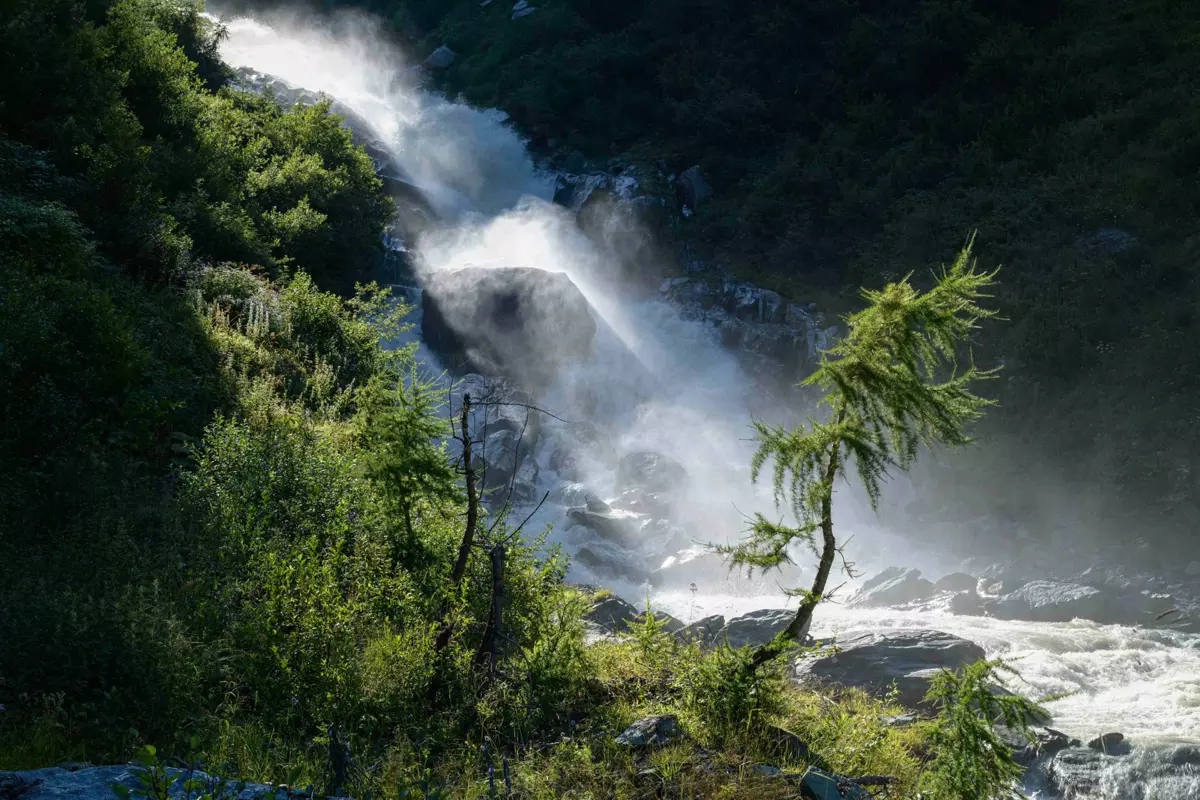
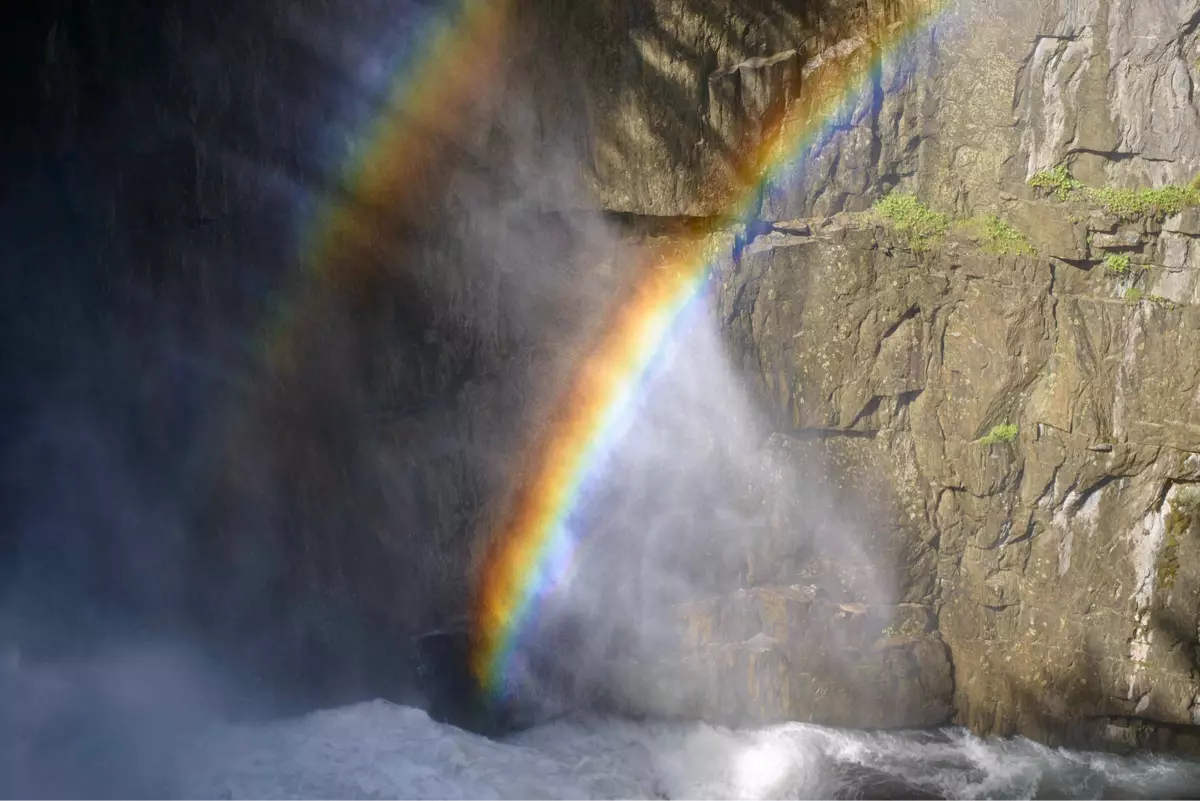
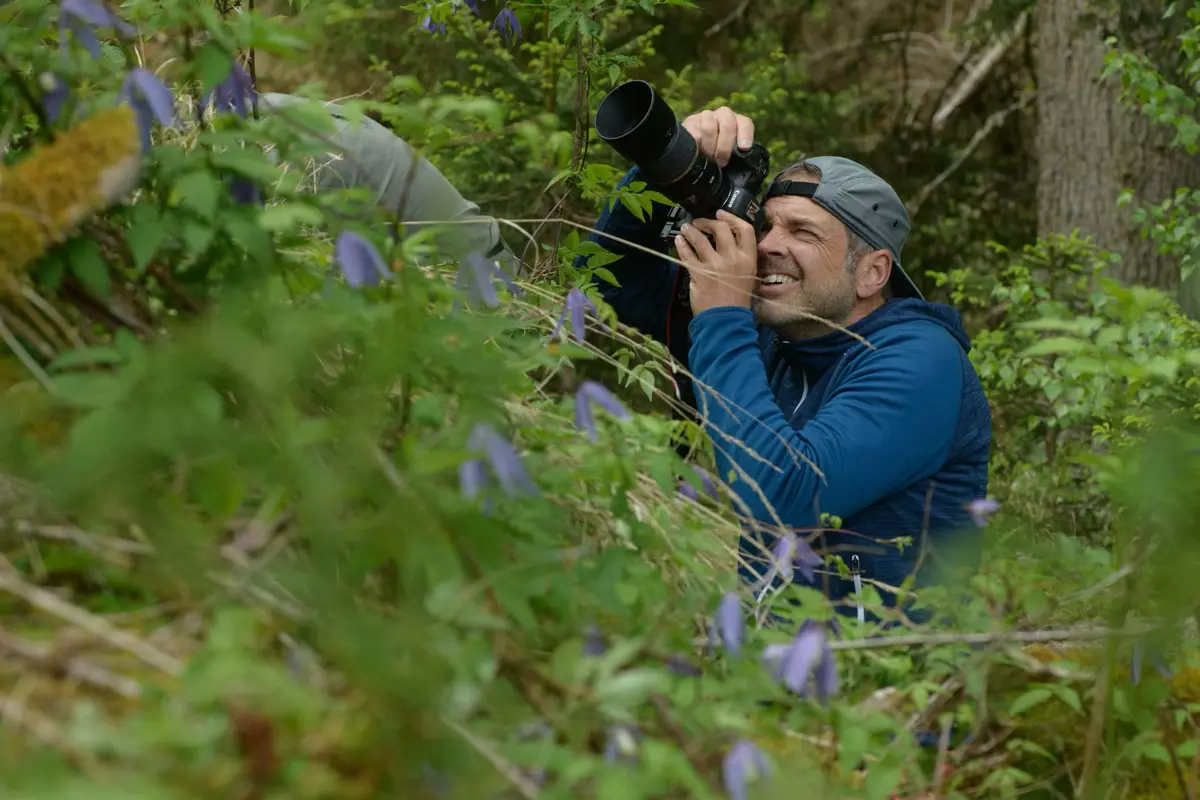
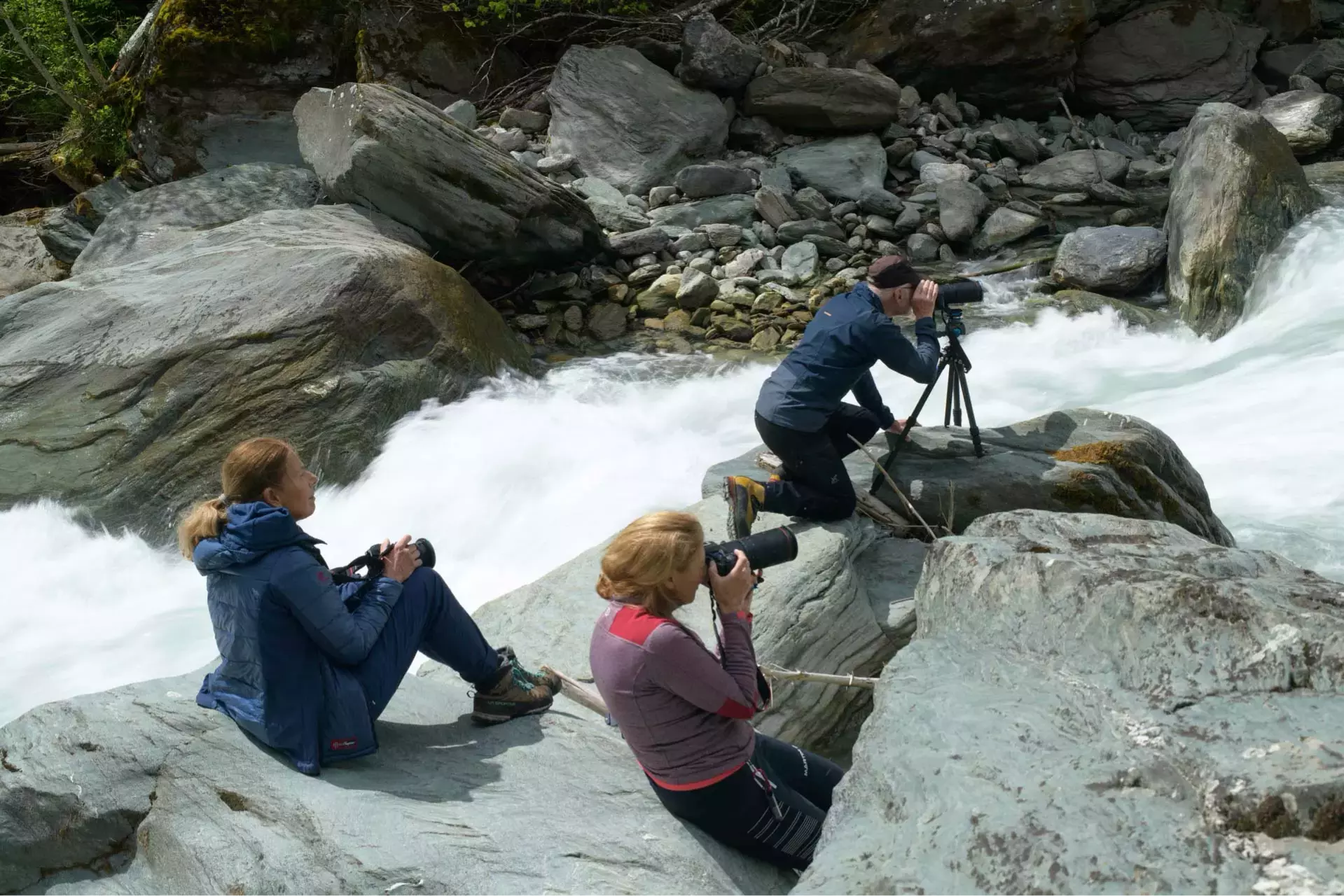
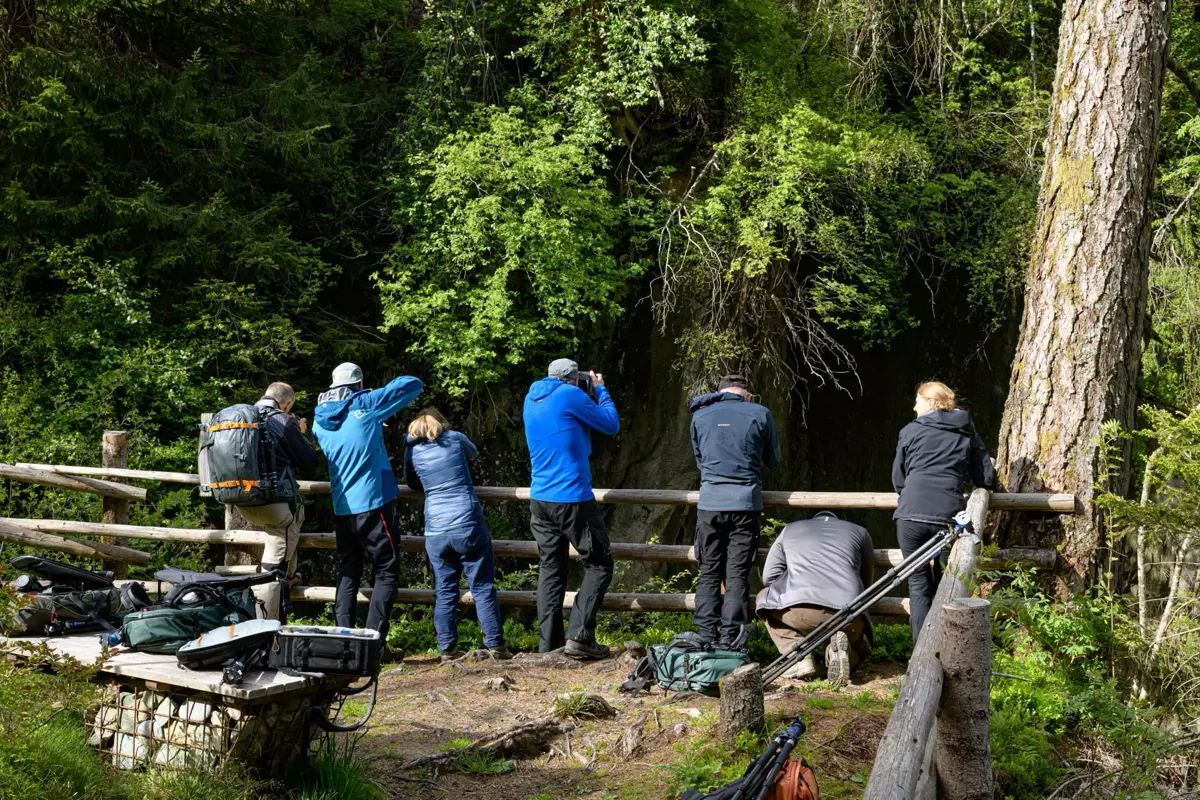
Let's return to the photography safari. The small group of photography enthusiasts from Bavaria and Austria worked their way up the Iseltrail for three days. I was able to show them some of my favorite places, which I had discovered during the development of the trail: rushing waterfalls such as the Daberer waterfall, hidden in a green gorge, rocky and wild rapids near Virgen, picturesque, with lichens and moss, glacier finds near the river, a rainbow in the water mist over a glow-waterfall or roaring water masses in the "Sturzfall" (waterfall) over high rock formations near the Umbalfälle.
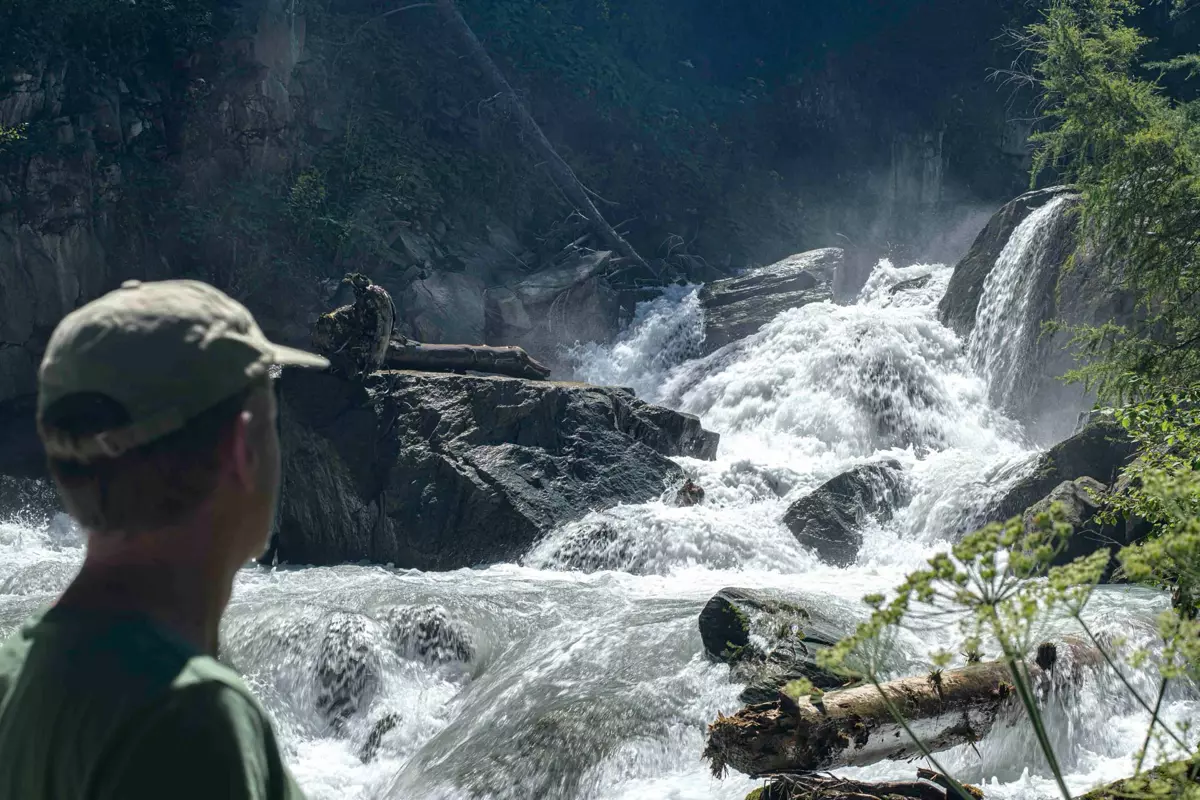
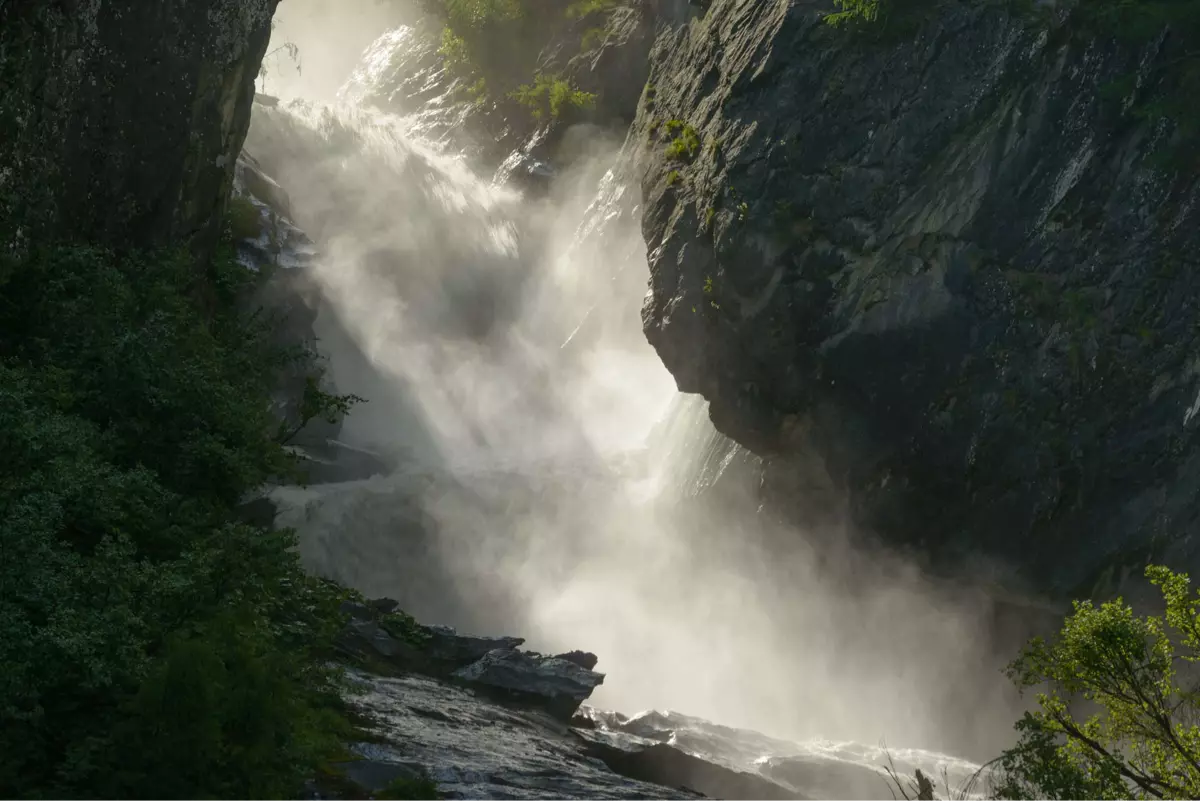
In addition to the well-known attractions such as the Umbalfälle, there are also several enchanted places that are not directly visible from the trail. To find them, you need a special nose. These "secret" places are very sensitive. Because there is no way to get there, too many visitors would probably cause considerable damage. Therefore, these places must remain hidden, which is not a problem because the Iseltrail itself already presents itself as a "river of natural beauty". Here, everyone can discover their own favorite places. They only need open senses and a sense of adventure.
So: Follow Your River!