Vienna is one of the greenest cities in the world, with a significant 34 percent of its area designated as protected, and this increases to 40 percent when the area of the Wienerwald Biosphere Reserve is included. Within the city limits lies a portion of the Donau-Auen National Park, as well as several nature reserves, a biosphere reserve, five Natura 2000 areas, twelve landscape protection areas, protected landscape sections, ecological development areas, and over 400 natural monuments.
In terms of biodiversity, Vienna is particularly distinguished by its location at the interface between steppe, mountains, and the Mediterranean. As a result, the capital of Austria offers a wide variety of landscape types, and therefore a great diversity of plant and animal species.
Forest Landscapes
While researching suitable images for an article on native orchids, I came across the excellent website naturlandschaftenwiens.com, created by the passionate nature photographer Adolf Schatten. This website not only contains numerous photos of these fascinating plants, but it also provides a guide, organized by districts, to the most beautiful natural areas in Vienna.
To my delight, the experienced expert invited me to join him on a joint exploration walk in a special forest area in the west of the city. However, first of all, we had to climb the Jubiläumswarte, a 31-meter-high viewing tower located in the western district of Ottakring. After having climbed the 183 steps, we enjoyed a wide view of the city and the Vienna Basin, towards the east and towards the west over the adjacent Wienerwald.
Wienerwald UNESCO Biosphere Reserve
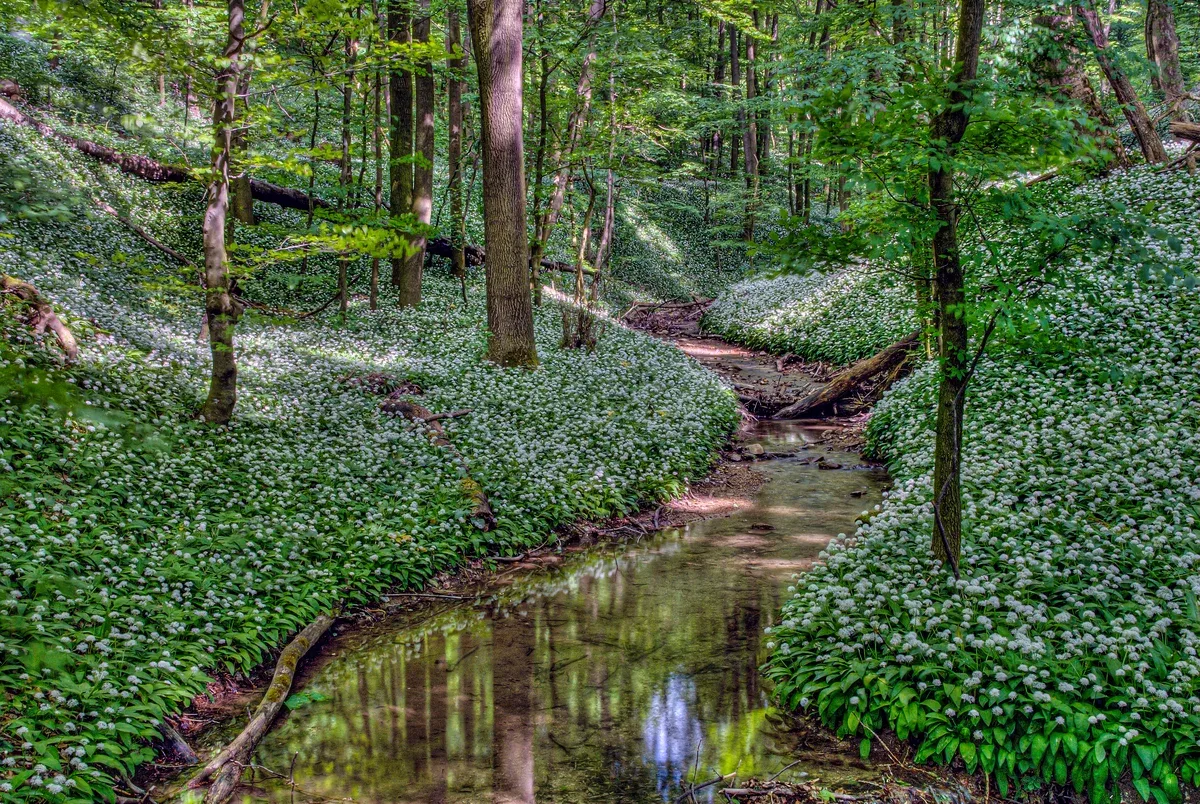
What immediately caught my eye was: Unlike many cities surrounded by monocultures of fir or pine trees, the Wienerwald boasts ecologically valuable deciduous forests. Not only that, but it is currently the largest remaining beech forest in Central Europe. As a result, the dominant tree species is the beech, but there are also oak-hornbeam forests, elm-ash forests, or black pine forests, depending on the different growth conditions. Because the Wienerwald occupies only 5,000 hectares within the city limits, not all of the tree communities are found there.
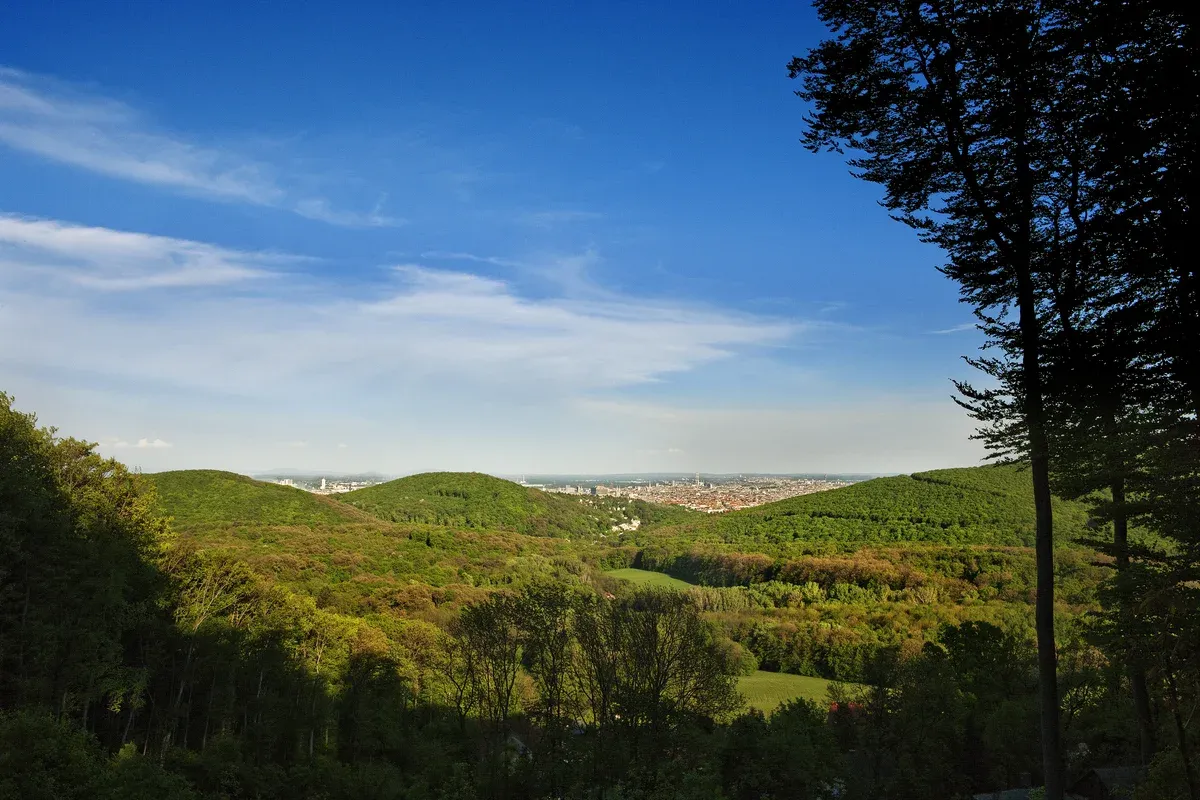
The Wienerwald is the easternmost extension of the Alps. This largely forested mountain range is a popular recreational area for Viennese residents, and today, including the surrounding areas in the city, it is almost entirely designated as a UNESCO Biosphere Reserve. Its positive effects on climate, air, and water are of great importance for the Vienna metropolitan area. It offers residents a popular recreational area, and nature lovers a variety of species-rich habitats to explore.
It is hard to imagine what large parts of the Wienerwald would look like today without the journalist, politician, and nature protector Josef Schöffel, who, through a persistent media campaign in the years 1870–1872, prevented a quarter of the Wienerwald forest from being cleared in order to sell it to a timber merchant. The reason for the planned sale by the Finanzlandesdirektion was the catastrophic financial situation caused by the war, which was intended to be improved through privatization. The "savior of the Wienerwald" denounced the misuse of the ministerial commission, which he dubbed the "State Goods Disposal Bureau," and was subsequently brought to court. However, because his research was solid, all the lawsuits were eventually withdrawn, and the nature crime was finally stopped.
Wolfsgraben Nature Reserve
From the Jubiläumswarte, it was only a few minutes' drive in the western direction to the actual destination, the nature reserve "Wolfsgraben" or "Moosgraben". The springs and streams of the Wolfsgraben supplied the "Albertinische Wasserleitung" from 1804 to 1890, which for the first time supplied drinking water to the city.
Its forest-unmanaged core area covers an area of approximately 34 hectares. It contains a number of protected plant species, such as the Genuine Seidelbast and the Violet Ständelwurz (Epipactis purpurata), a beautiful orchid. However, the Green Nieswurz (Helleborus viridis), also known as the Green Snowdrop, is the "star" of the Wolfsgraben, and this rare and inconspicuous flower owes its protected status as a nature reserve to its presence. Unfortunately, it has not been possible to find it there in recent times.
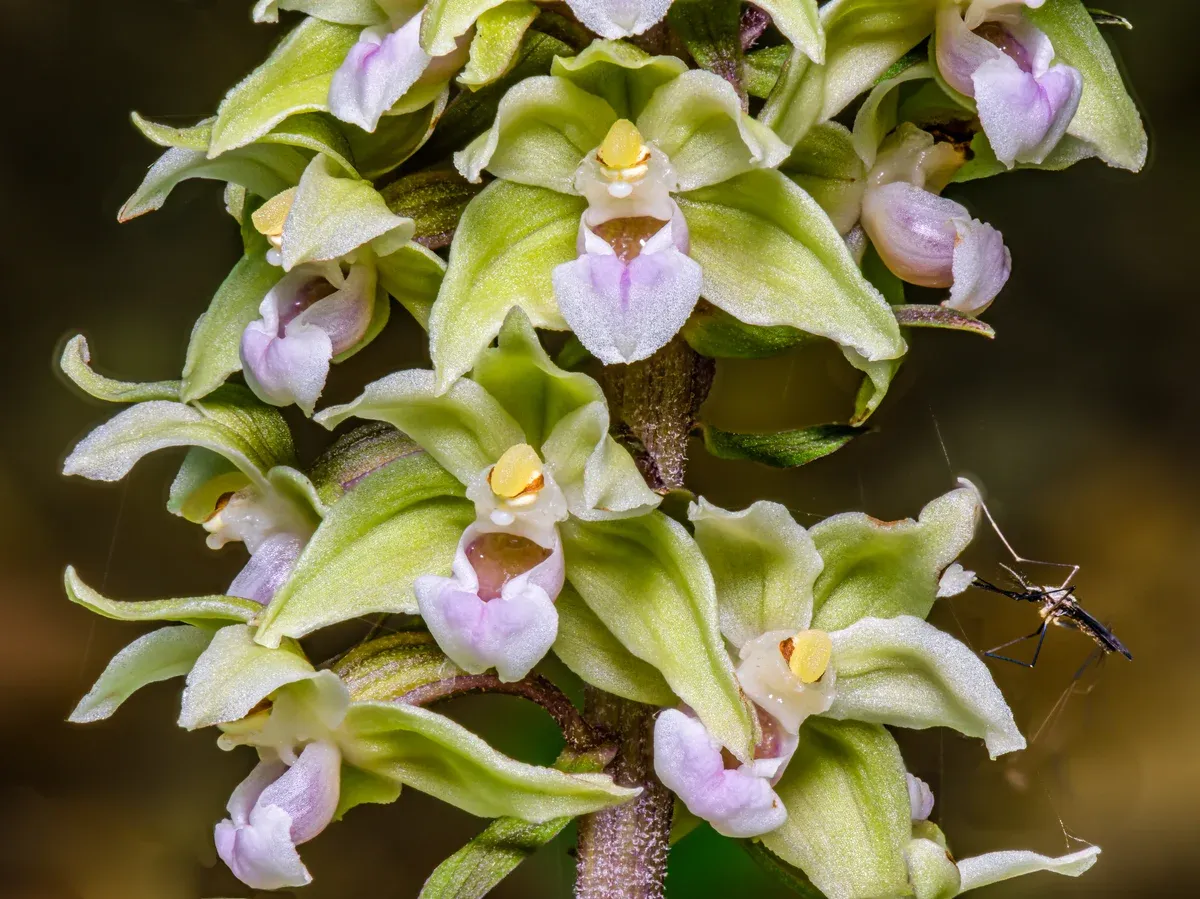
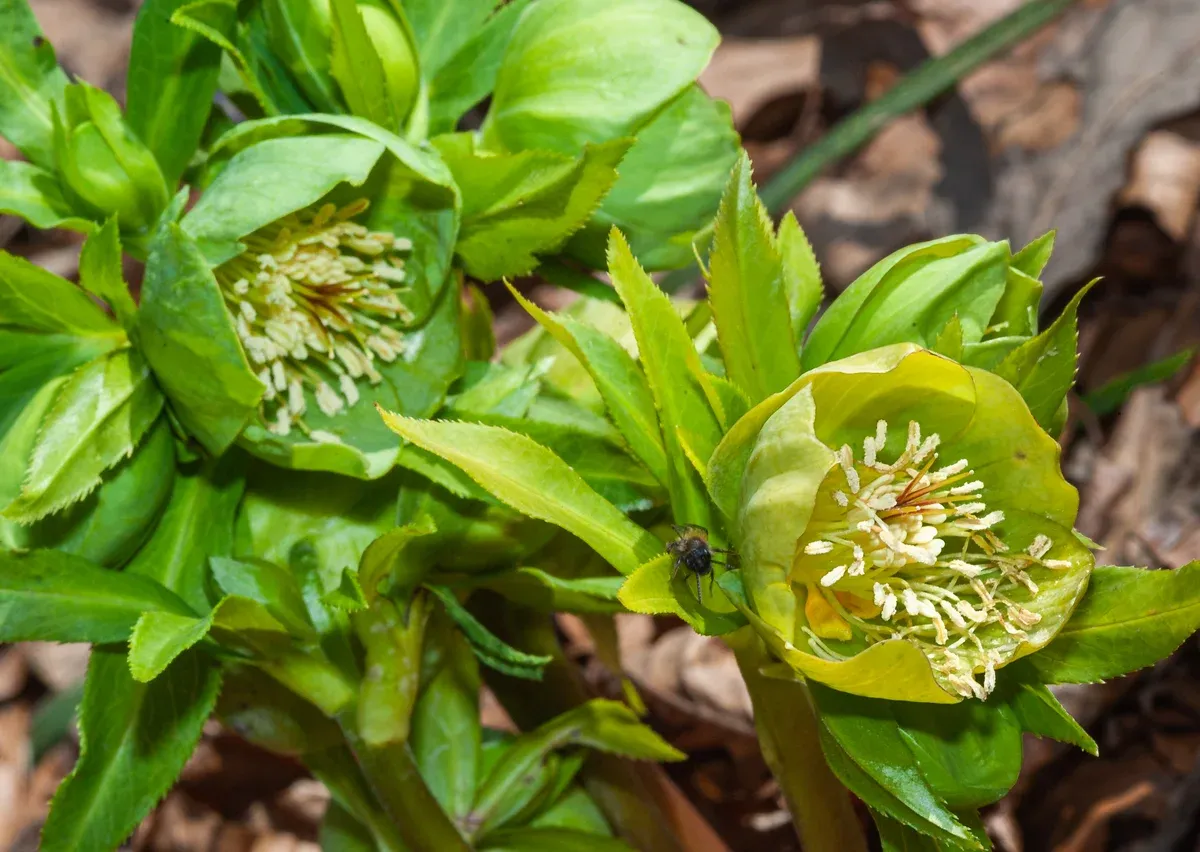
The area with its beech forests, many moist microhabitats and stream beds, harbors numerous threatened animal species, such as bats and cave-breeding birds such as the White-backed woodpecker, the Middle woodpecker, and the Black woodpecker and the Hoopoe.
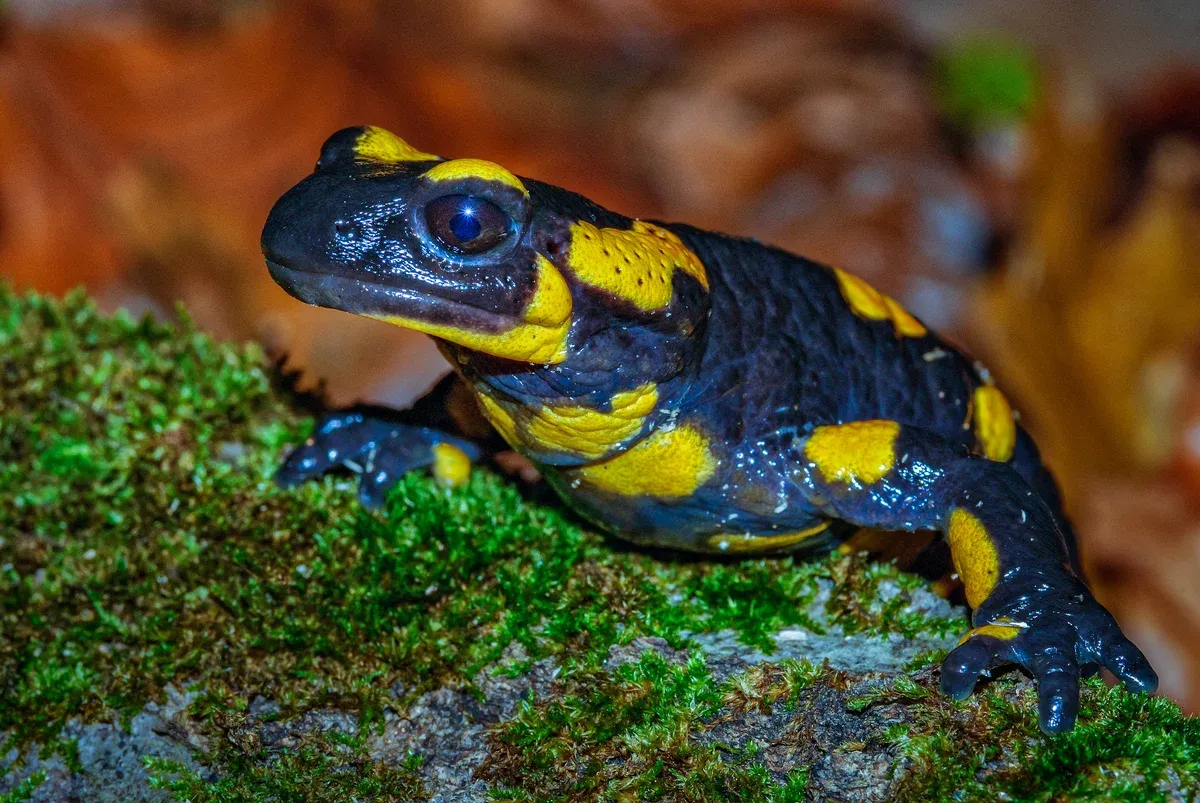
The Wolfsgraben is also an ideal habitat for the fire salamander, which is still found in large numbers here, which is all the more important because the populations of this amphibian species have been severely decimated in many places due to an infection by a skin fungus (Batrachochytrium salamandrivorans).
Other special discoveries by my guide include numerous mushroom species, the most spectacular of which is the Copper-red Polypore (Ganoderma pfeifferi) This colorful parasitic fungus grows on old deciduous trees or stumps, preferably on beech trees in the Wolfsgraben, and creates a white decay.
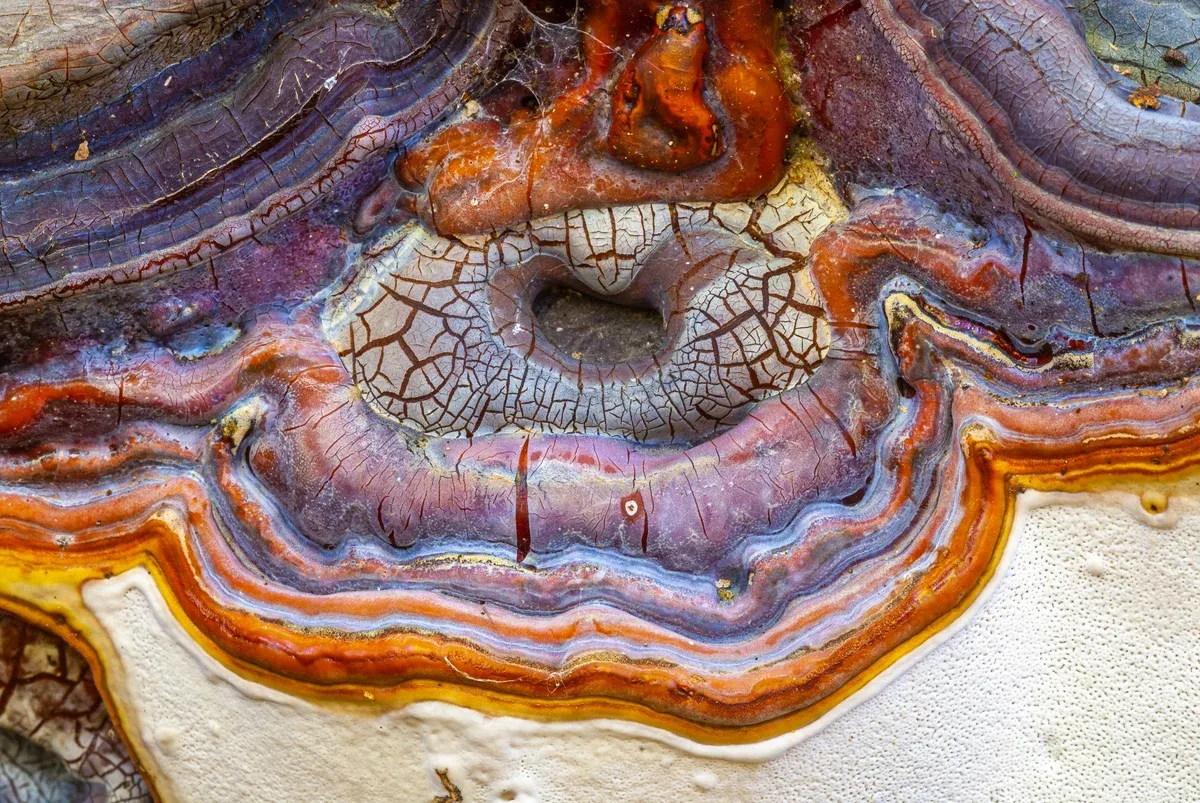
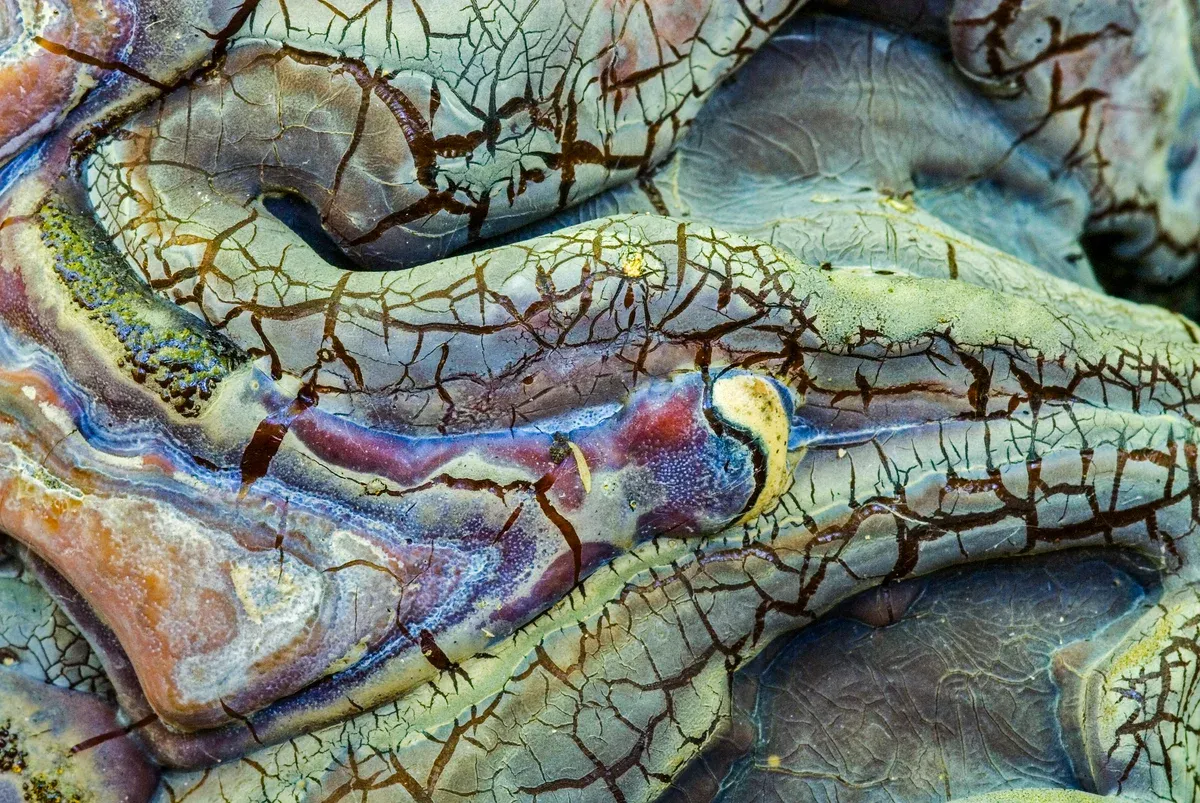
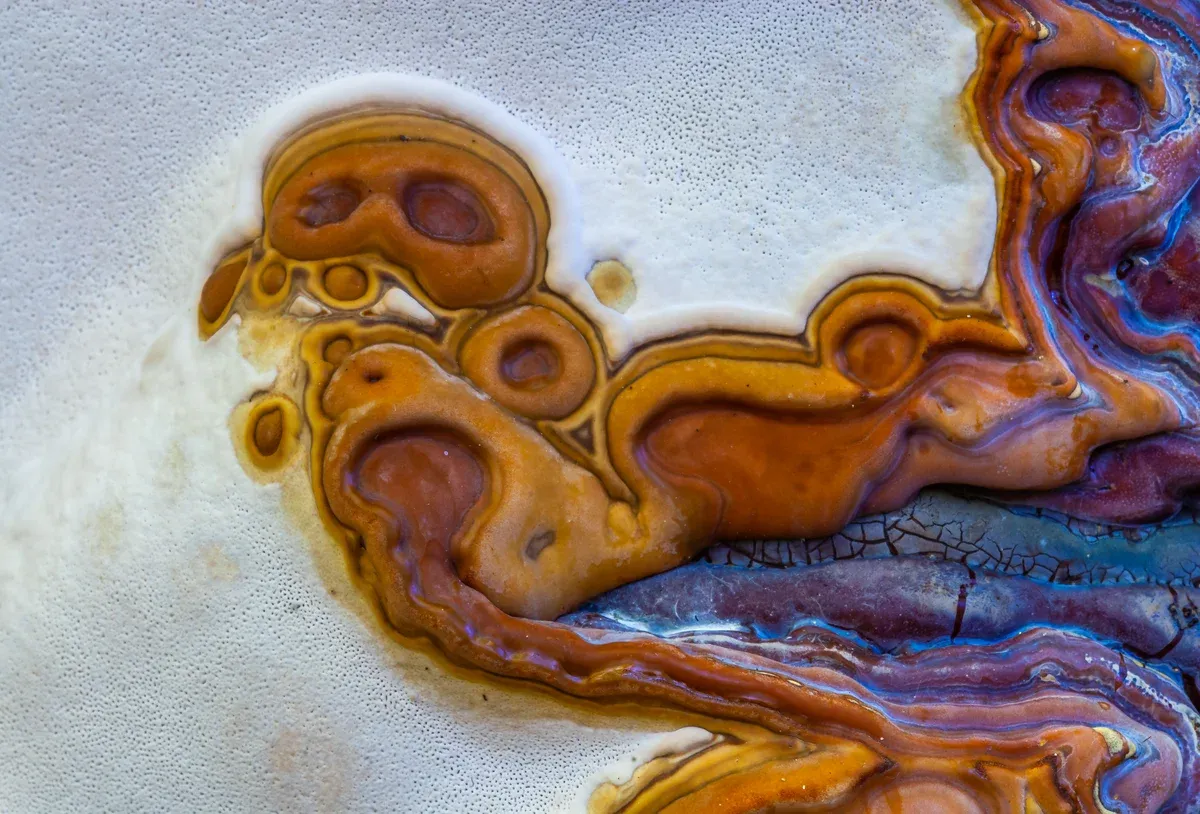
Lainzer Tiergarten Nature Reserve
As part of the Wienerwald Biosphere Reserve, the Lainzer Tiergarten is located in the west of the city in the Hietzing district, covering an area of 2,450 hectares. Its name might initially make non-Viennese residents think of a zoo, but it is actually a former imperial hunting ground, which is bounded by a 22-kilometer-long enclosure. Today, the area with its large wild population is a popular recreational area for Viennese residents. The Lainzer Tiergarten was already declared a nature reserve in 1941 due to its high biodiversity and its old-growth trees. Since 2008, the cultural and natural area also has the status of a European protected area. According to the European Union's Nature and Habitats Directive, certain species and habitats in the Lainzer Tiergarten are to be protected. These include, among other things, meadows, hazel-wood forests, yellow-bellied toad, coppice and deadwood-dwelling beetle species such as the Large Beech Beetle, the Juchten Beetle, and the Scarlet Beetle and the Alpine Beetle.
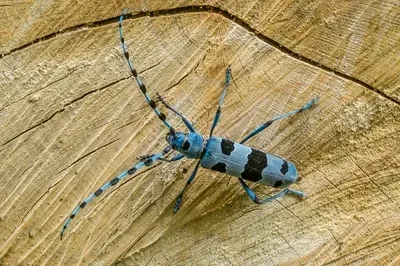
Nature-interested visitors can enjoy guided tours and excursions on various topics such as wild herbs, bird songs, or bats. Incidentally, the Lainzer Tiergarten contains 18 of the 29 native bat species in Austria, including the Water Bat, the Large Bat, and the Small Nightjar. A special feature of the Tiergarten area is the "Johannser Kogel". This hill with its 400-year-old tree population was declared a nature reserve in 1972 for research purposes and has been left to its natural development. 45 hectares of the 70-hectare reserve are fenced off and inaccessible to visitors. The sunny slopes are mainly characterized by oak trees with trunk diameters of up to four meters and hornbeam trees, while in the shady areas, beech trees predominate.
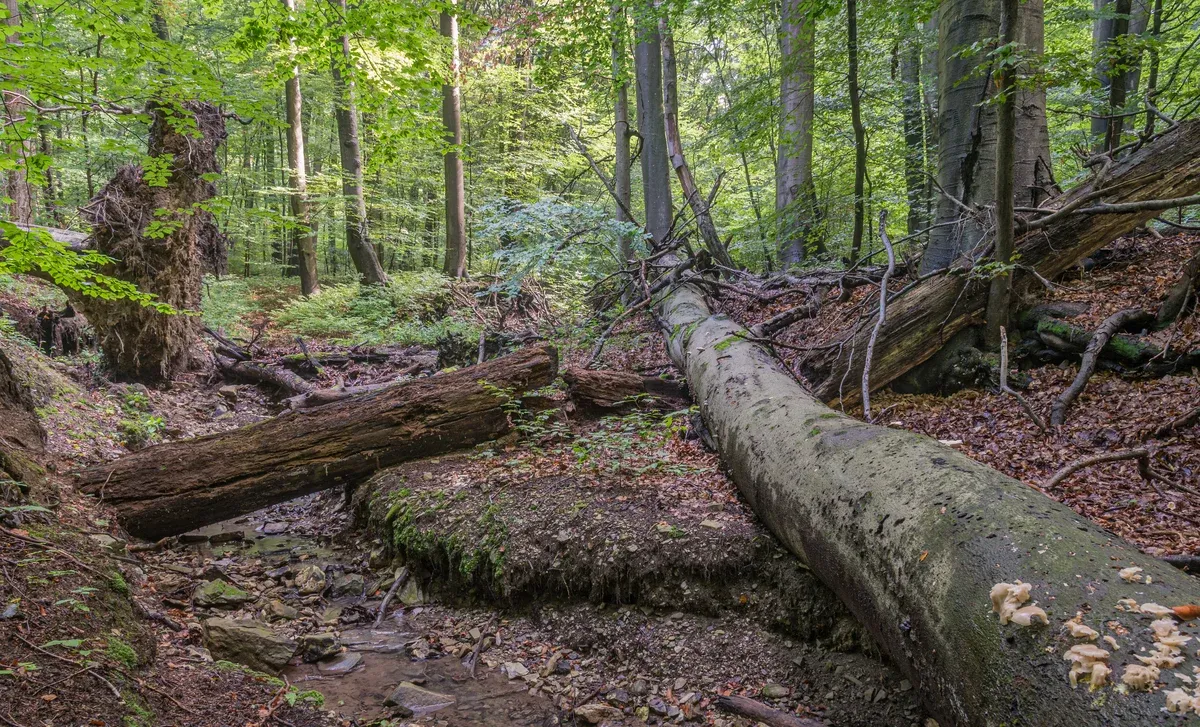
Those who want to immerse themselves in this self-overgrown natural jewel can get to know the "primeval forest" on a guided tour with experts from the Forst- und Landwirtschaftsbetrieb.
The Prater, a special natural experience area
When the Wiener Prater is mentioned, many visitors to the city think of the amusement park with the Ferris wheel and roller coasters. This "Wurstelprater" only occupies a small part of the Prater, which covers an area of 513 hectares. The areas away from the hustle and bustle are designated as a landscape protection area and have the character of a hazel-wood forest. Typical of this habitat are numerous ponds and wetlands, which overflow during heavy rainfall, as well as a high groundwater level. However, the character of the wetlands has gradually been lost due to the regulation of the Danube. Nevertheless, the nature forest of the Prater with its large amount of deadwood still provides a valuable habitat for flora and fauna in the city. And where felling takes place, this is mainly done to allow young trees to grow more easily and thus to enable the natural regeneration of the population.
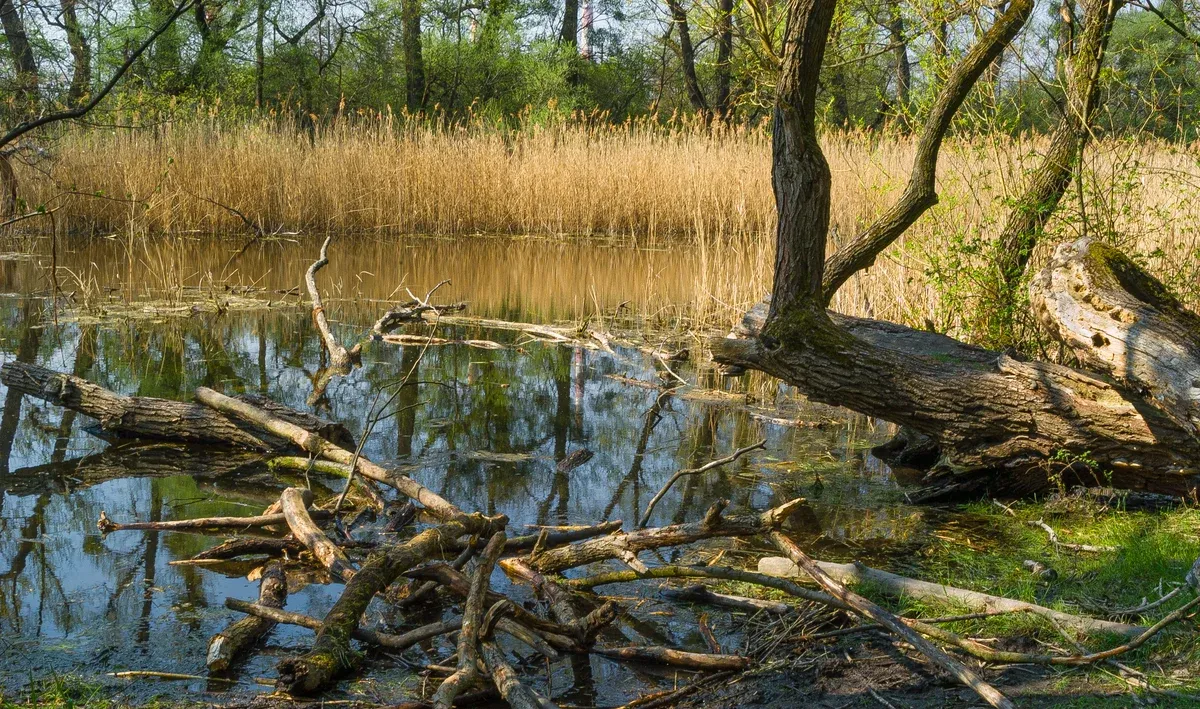
Despite human influence, the wild Prater with its mosaic of forest, water, and meadow areas is a treasure trove of biological diversity. Rare species such as the Red Deer Beetle, the Green and Black Woodpecker, and the European Robin can be found here. The large amounts of deadwood and the numerous old trees represent important microhabitats for many of the insect species listed on the Red List.
naturlandschaftenwiens.com website:www.naturlandschaftenwiens.com
popphackner photography:www.popphackner.comandhttps://wienerwildnis.at
Stadt Wien:https://www.wien.info/de/lebenswertes-wien/nachhaltiges-wien
Book tip:Wiener Wildnis
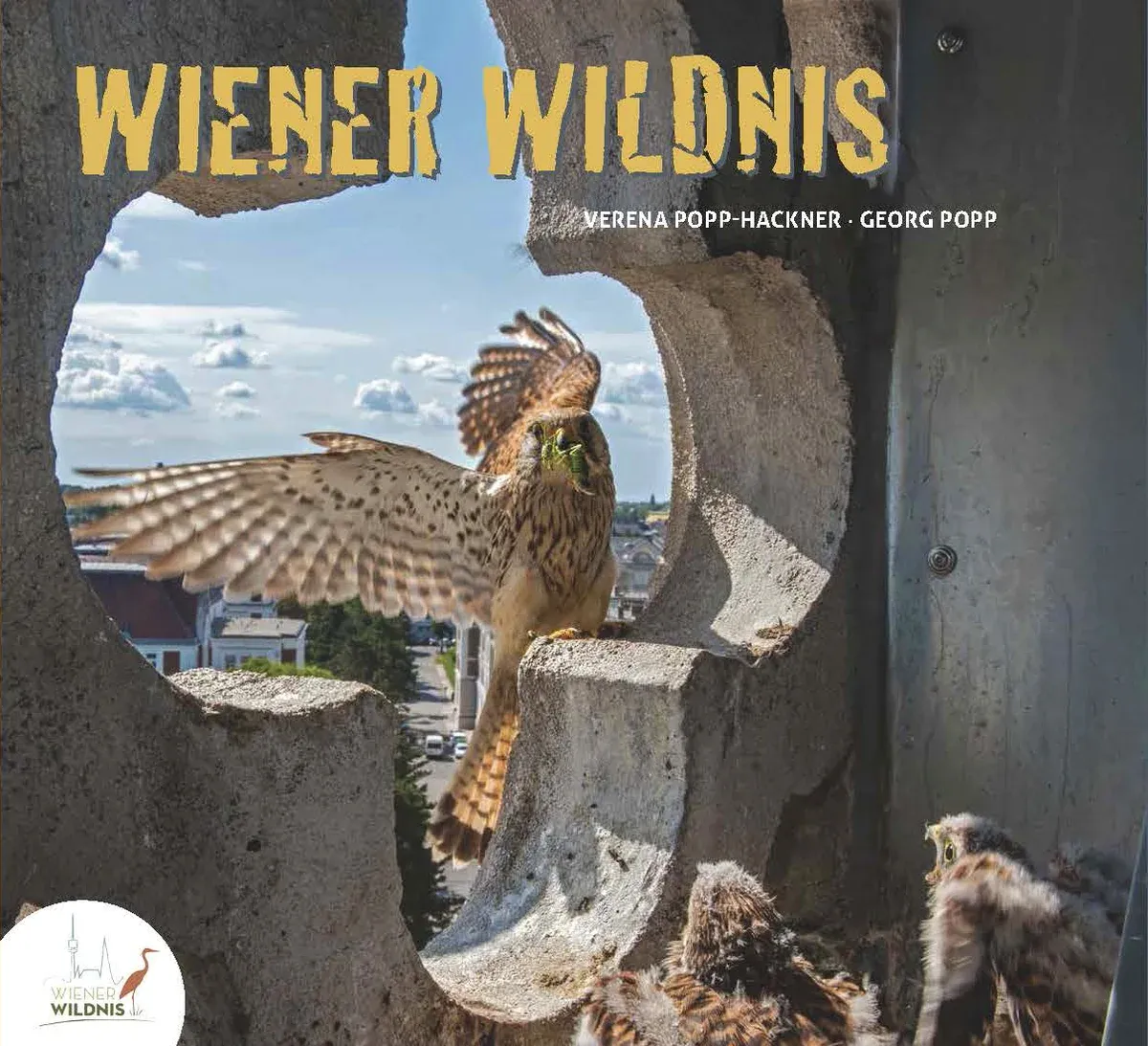
Wild animals conquer the big cities. Often unnoticed, they are nevertheless right in the middle of us. That is good, because we humans also benefit from the nature in the city. With more than 50 percent green space, Vienna is one of the greenest metropolises in the world – providing sufficient living space for deer, foxes, field mice, and chamois. They all roam the streets, in ponds, on church towers or cemeteries. Vienna is also one of the most water-rich federal states in Austria, and therefore the rivers, lakes, and streams of Vienna are also interesting.
For five years, the photography team of the "Wiener Wildnis" book has been tracking these wild Viennese animals in the urban jungle to give them a face. With technical finesse and a lot of patience, photos were created that show Vienna as it has not been seen before. In the text contributions, you can learn a lot about the current state of research, urban species and environmental protection, but also about the stories behind the photos and the Wiener Wildnis multimedia project.
Wiener Wildnis
Verena Popp-Hackner/Georg Popp
ISBN: 978-3-200-05352-6
Popp-Hackner Photography, 256 pages,
approx. 300 color photos, softcover, 55 Euro