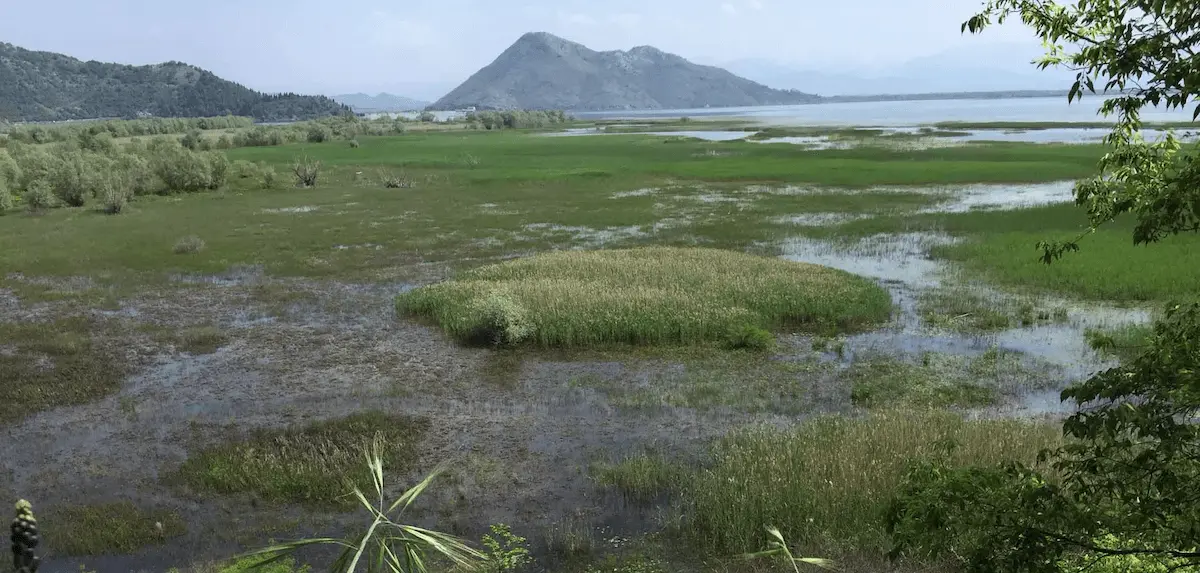

The Skutar Lake, shared by Montenegro and Albania, is actually a flooded karst field. This elongated basin with a nearly level floor creates a highly diverse and dynamic area through its large fluctuations in water level and the various surrounding landscapes. The lake is one of the most bird-rich bodies of water in Europe, lies on the Adriatic bird migration route, and is home to the westernmost breeding colony of the Dalmatian Pelican.
Exploring the flooded forest
Just before 6 a.m., Mirko drives us through the flooded forest in his fishing boat on this May morning. The rising sun gilds the treetops above us, fresh green explodes, and the concert of bird sounds drowns out even the humming noise of the engine. The karst water beneath us is crystal clear. Suddenly, Mirko slows down and points downwards: "A wreck! A sunken smuggler boat from the war years." He is referring to the Yugoslav Wars of the 1990s, when the blocked remnants of Yugoslavia supplied fuel and cigarettes here, via Albania. We can only see the rusty superstructure of a larger boat.
Shortly afterwards, the forest becomes narrower and transitions into scrubland that rises out of the water. Then we glide through vast areas of floating aquatic plants. The view extends over the sea surface to the gently undulating Rumia Mountains. A flock of white-throated divers circles overhead, but soon calms down. The dark-bellied, white birds with red beaks and black caps descend gracefully onto their floating nests built from reeds. The birds are more shy than usual. For several weeks, the lake has been closed to fishermen in order to protect the spawning of the fish in the spring. Therefore, our boat lane in the floating vegetation is also almost overgrown, and the birds find the boat unusual.
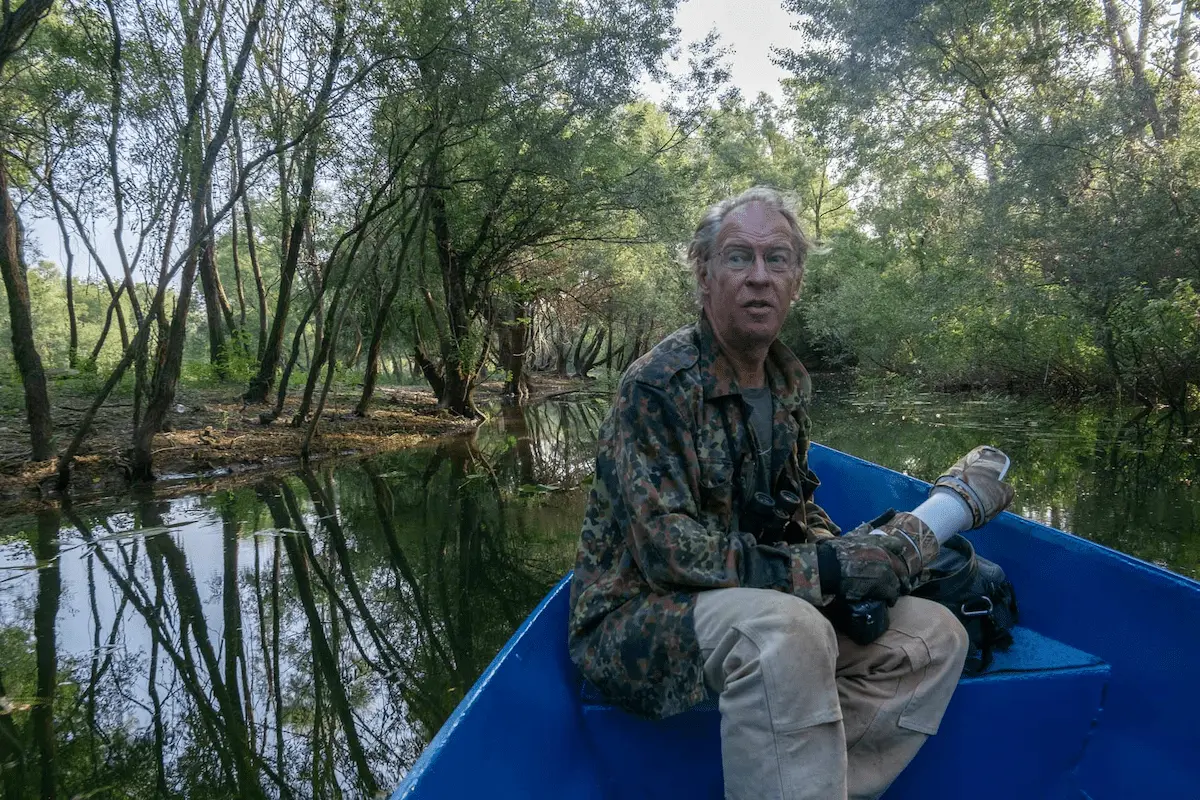
Morning photography excursion through the flooded forest
The slow fishing boats do not pose a major problem for the floating aquatic vegetation. However, fast boats with much more powerful engines cause a much greater wave, which no newly hatched, soft dragonfly, no newly hatched Limicola chick can survive. Nevertheless, even tourists with 130 horsepower outboard motors are now driving through the water lily areas. On the open sea surface, this would be harmless, but they want to see the beautiful water lilies and do not consider the destruction they cause. As for the monstrous fast boats, which, along with the fast German cars, are status symbols for the Montenegrin macho men, let's not even talk about them.
Cormorants and their smaller, completely black colleagues, the raven-like species, fly in groups like tattered storm clouds across the sky. They can be distinguished from each other by the frequency of their wingbeats and the different size. Grey herons, silver herons, silky herons, purple herons and egrets are also on the lookout for breakfast.
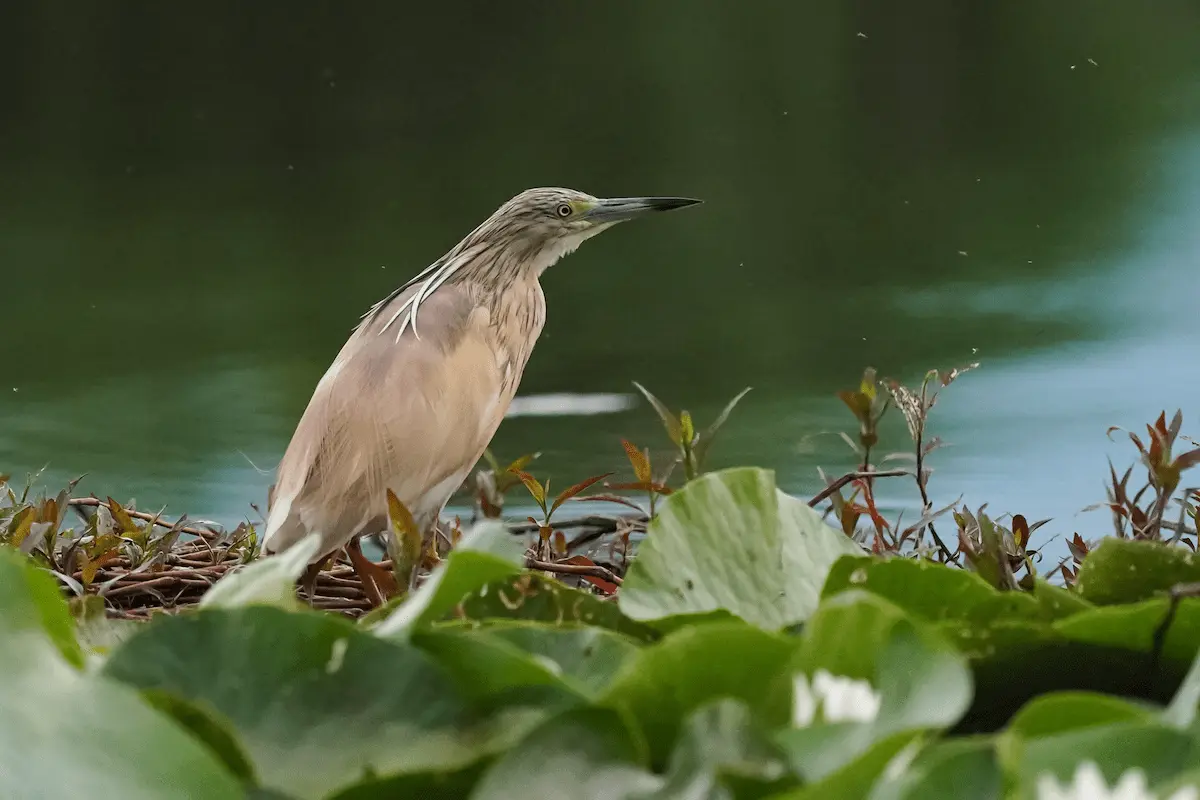
For the bird enthusiast, a short look through the field pointer is enough to recognize the yellow feet of the silky heron or the reddish-brown stripes and the slender neck of the purple heron. The heron sends its own signal for identification: from a light brown piece of driftwood, on which it, equally light brown and inconspicuous, may have sat motionless for hours, it flies as a white bird with large wings and then settles down again, folds its wings and thus switches off its white signal! Now, in the morning, the night herons are already huddled in the bushes. An Airbus is in landing mode over Podgorica, - a few floors below flies a Dalmatian pelican. It switches from powerful wingbeats to similar gliding technique to reach its fishing grounds.
There are ecological studies on water birds. One knows how much fish a cormorant, a raven-like species, eats per day. And one can count the birds. At lakes of the size of the Skutar Lake, there must be many tons of fish per day that are now being eaten by birds during the breeding season.
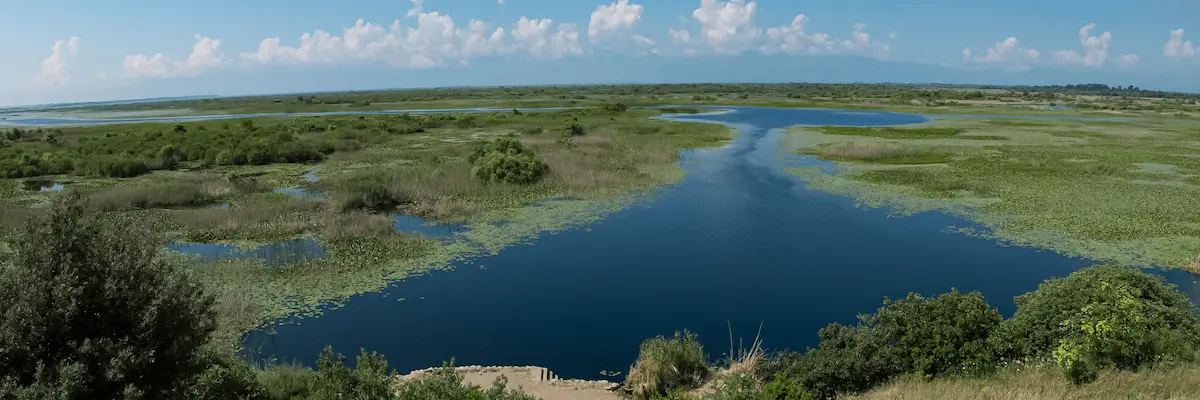
The lake is not deep. Strong winds can stir up sand from the bottom: the surface of the water then appears brown. A few days later it can be azure blue. It collects water from several tributaries and numerous karst springs from a large catchment area with heavy rainfall. Here in the mountains of Montenegro, the highest annual rainfall in Europe falls. More than in the Norwegian fjords, Ireland or in the northwest of Scotland!
When the snow masses of the mountains melt and heavy rainfall comes, the water level rises and floods the surrounding flooded forests and wetlands. The fluctuations between low water (mostly in autumn) and the flood in winter or spring average 3-5 meters, but can reach up to 9 meters as in 2010. The lake is then as large as Lake Constance, i.e. almost 540 km².
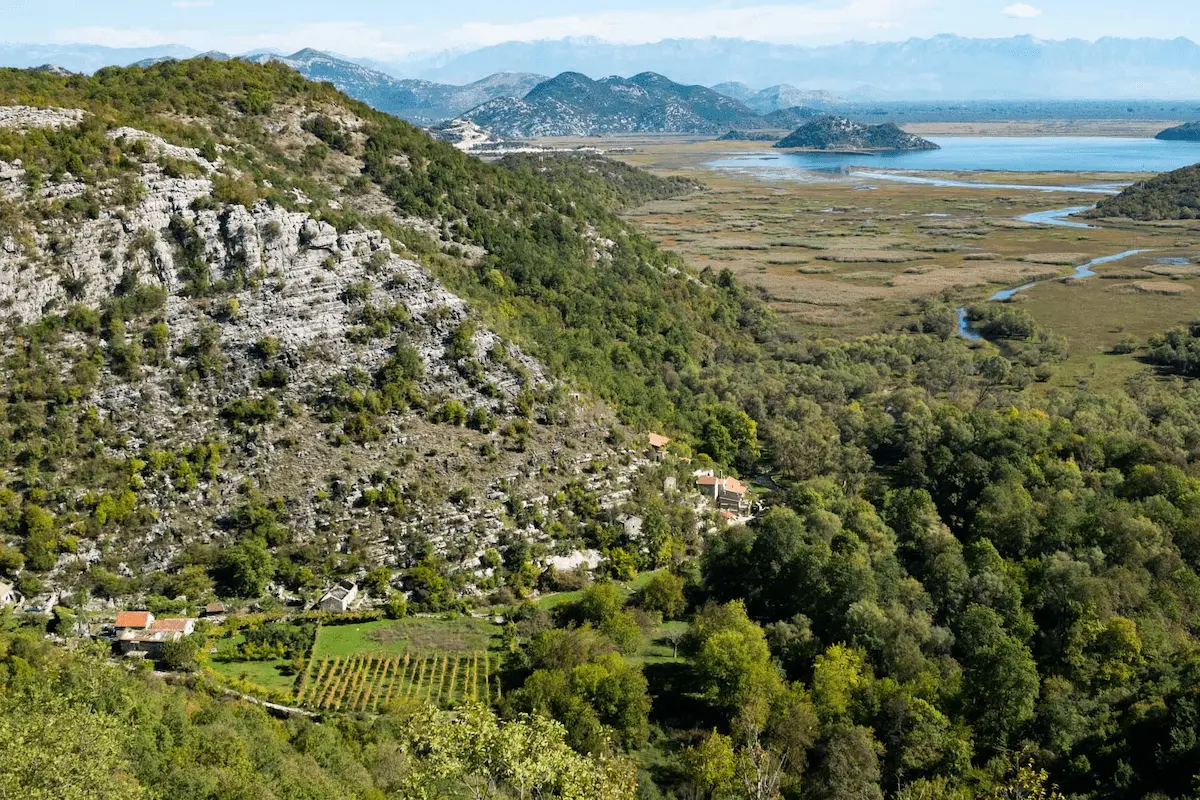
The water of the lake flows out to the south, at the Albanian town of Shkodra. There begins a river of about 40 km long with two names: Bojana on Slavic, Buna on Albanian. The river flows from the left bank into the Drin and now flows powerfully and meandering through the flooded forest area to the sea, where it empties into the Adriatic as the third largest river flowing into the Mediterranean (after the Nile and the Po).
In the north, large wetlands and floodplains border the lake, and from the east, a powerful sediment cone from the Albanian Alps reaches it, and in the south and west, steep slopes of the Rumia Mountains rise over 1500 meters and protect the lake from the Adriatic.
One can imagine: a maximum of 9 meters of fluctuation with such a different relief: what diversity of habitats can arise from this, but also disappear. The fact that the only a few meters deep lake does not grow with reeds like, for example, the Neusiedler See, is due to the large fluctuations in water level. So little reeds, but a shallow, nutrient-rich water as a nursery for fish. Months later, it is then a grazed meadow and an important resting place for pelicans. Without a grazed meadow, there are no pelicans, no grey herons, no cormorants. Here, as almost everywhere in Europe, grazing is the most important conservation measure, because the invasion of the American invasive species Amorpha (Amorpha fruticosa), better known as bastard indigo, exacerbates this problem throughout the Mediterranean. Within a few years, un-grazed areas grow meter by meter, which is worse for biodiversity than fire.
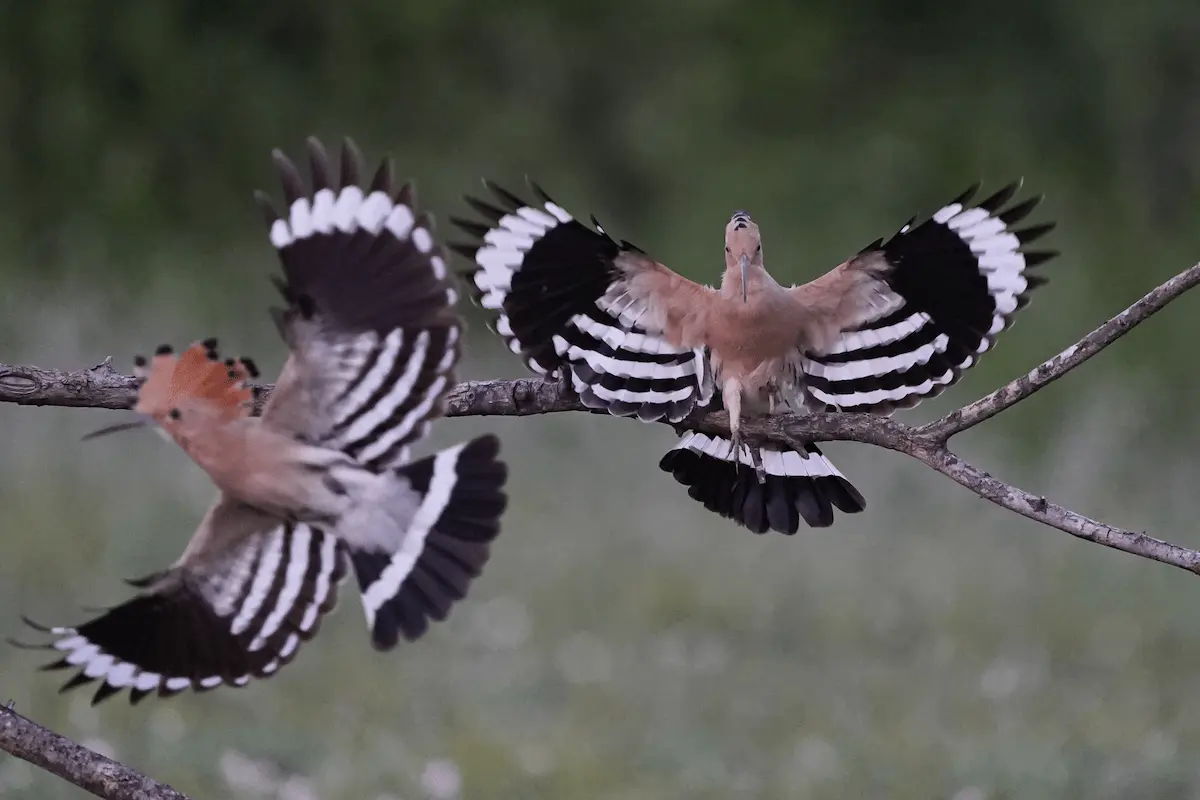
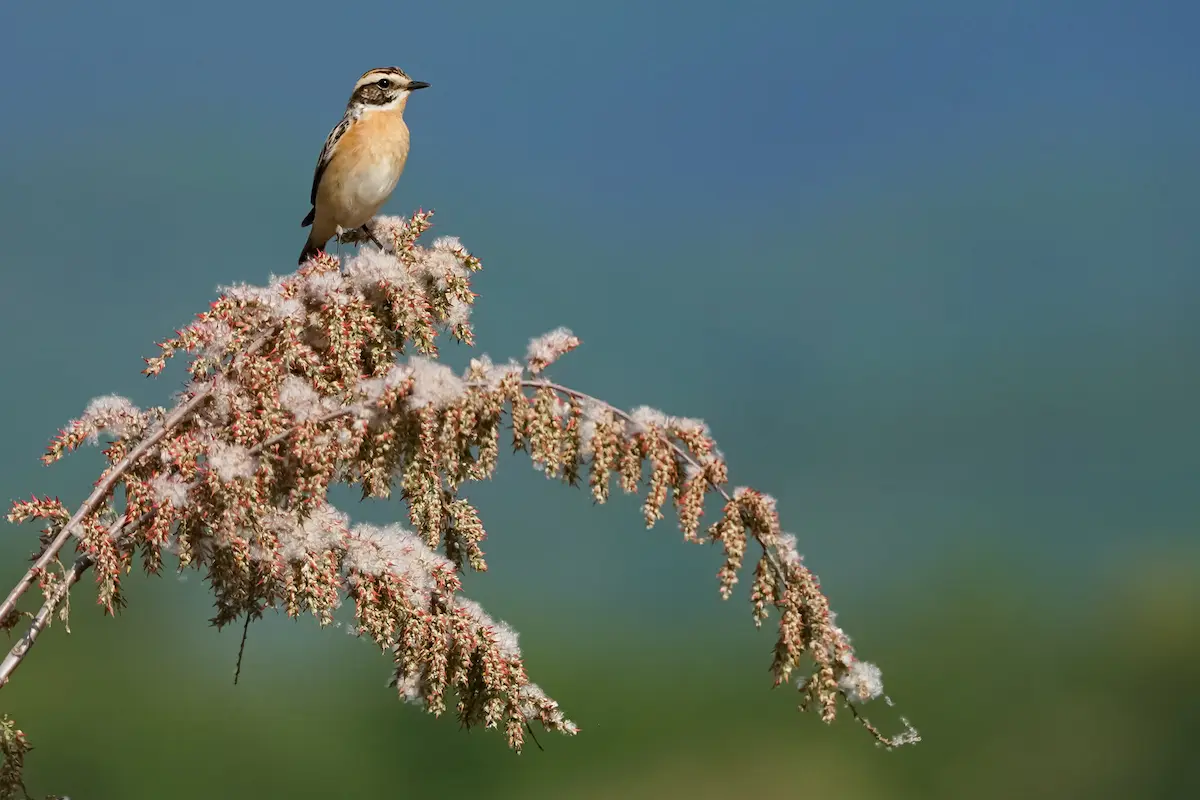
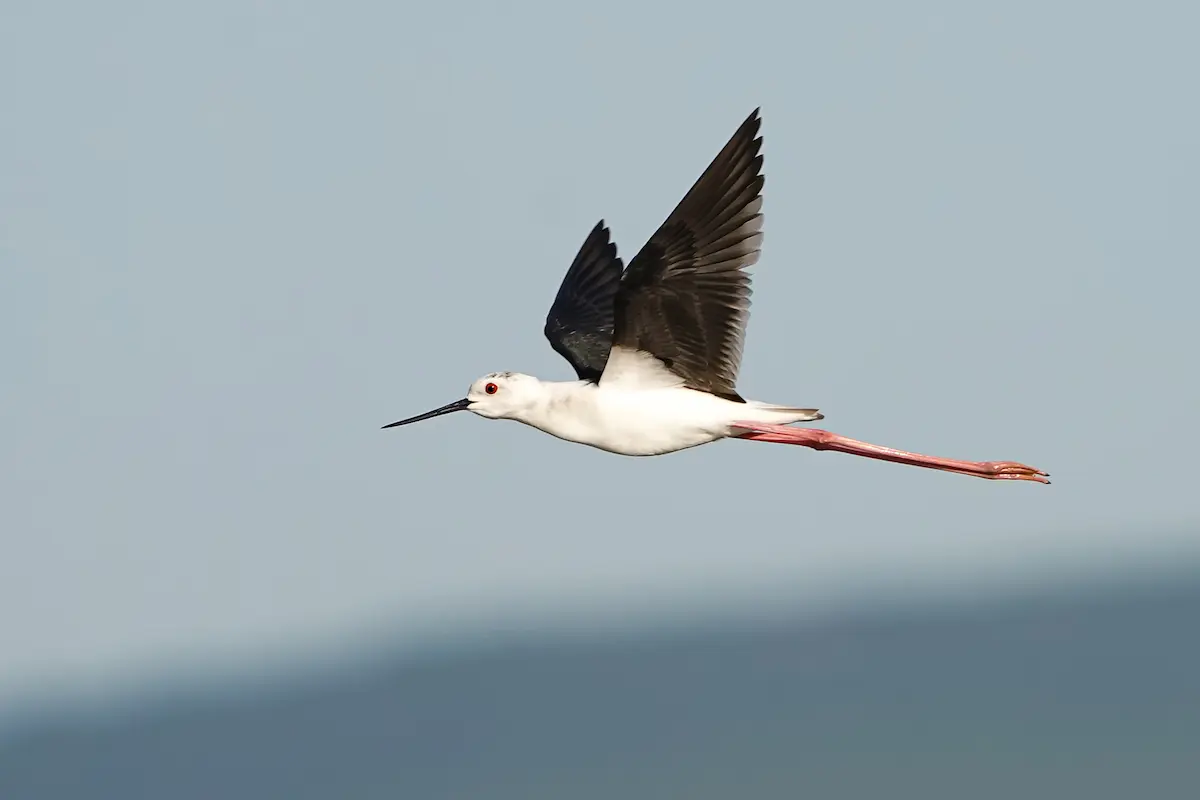
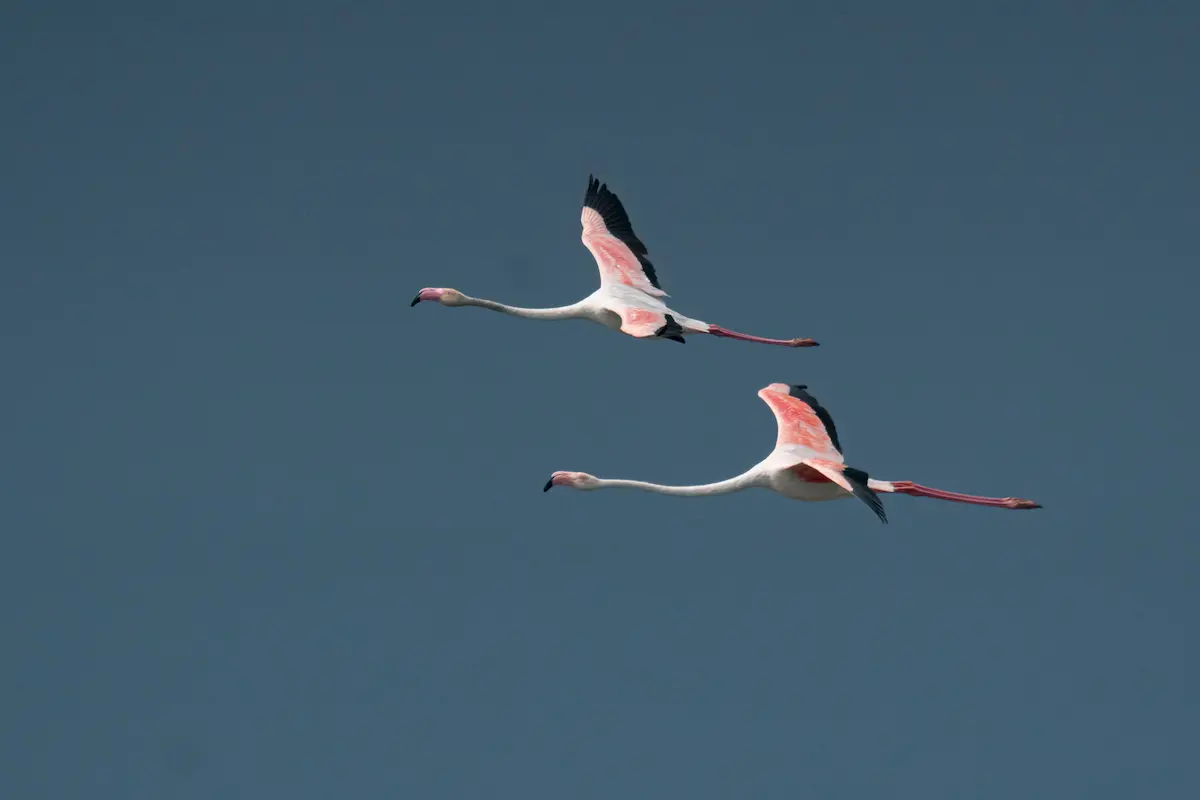
During the Iron Curtain, when the lake was a disputed border region and the river was one of the most heavily guarded borders in the world, the number of birds that wintered and rested here reached millions. Only a fraction of these can be counted today: the data published by EURO-Natur and the researchers Martin Schneider-Jacobi and Borut Stumberger, for example, show 700 grey herons, 32,000 black-winged gulls, 2700 shovels, 2000 puffins, and 20,000 dwarf herons on one day. The Zwergscharben occupy the lake with about 20,000 individuals. The Dalmatian pelicans have a population of about 100 individuals here, in the westernmost breeding colony of the world. Several thousand pairs of white-throated divers occupy the water lily areas in good years. Several hundred pairs of red-breasted cormorants and a nest box project have had good success with the blue-throated diver. Rosa flamingos are increasingly sighted there, but their breeding attempts have so far been unsuccessful.
The conservation efforts on site have been strengthened with the founding of the local BirdLife partner Centar za zaštitu i proučavanje ptica (CZIP) and with the approach to the EU through the Natura 2000 program. For example, it has been possible to protect the Ulcinj salt lake, which was a speculation object. It is desirable that the politics of Montenegro continues to pursue the path to an environmentally friendly country. We, foreign nature tourists, can contribute to this.
Those who want to approach the region from a nature and tourist point of view must decide: each of the four zones justifies a longer stay and brings rewarding observations.
- The lakewith its very different shores and boundaries: starting point VIRPAZAR (with 2 hotels, private rooms and a campsite) and the National Park center on Vranjina Island. Boat trips from Virpazar and Vranjina.
- The Albanian east sideand the Alps. Shkodra or Koplik are starting points for this.
- The border river Bojana/Buna, dune landscape of the delta and the large beachas well as the lying behind
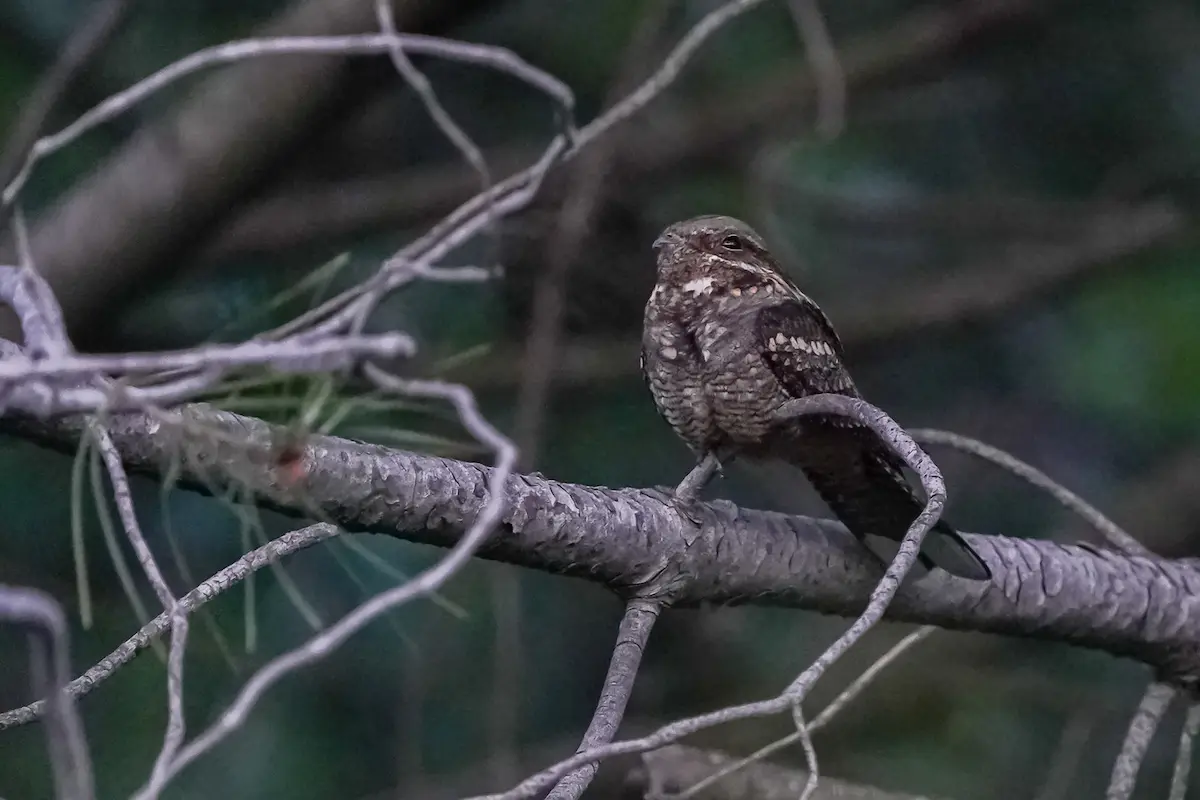
- salt lakeFor the two and fourth mentioned regions, you should contact one of the many hotels in Ulcinj or on Velika Plaza. There are also numerous campsites here, and in the pine forest, you can discover the rare and beautiful pygmy owl and the goat herder, to name just two examples of the species-rich bird world.
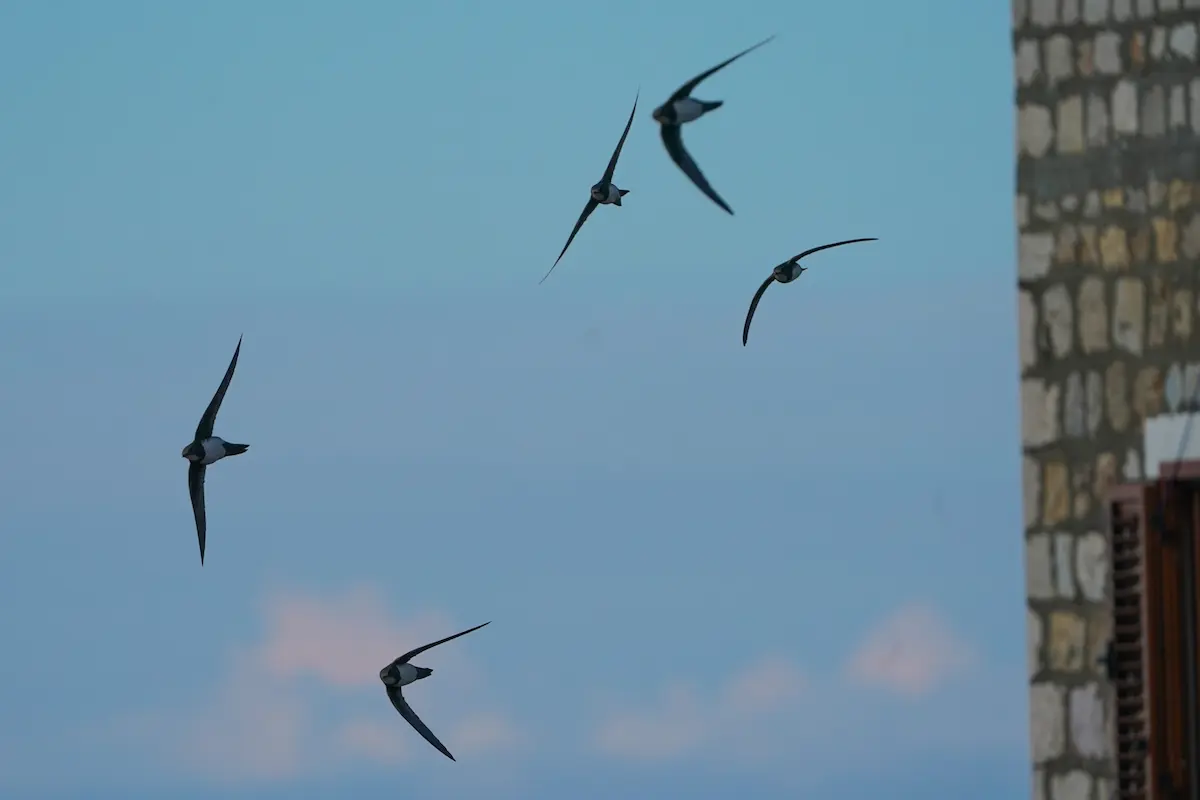
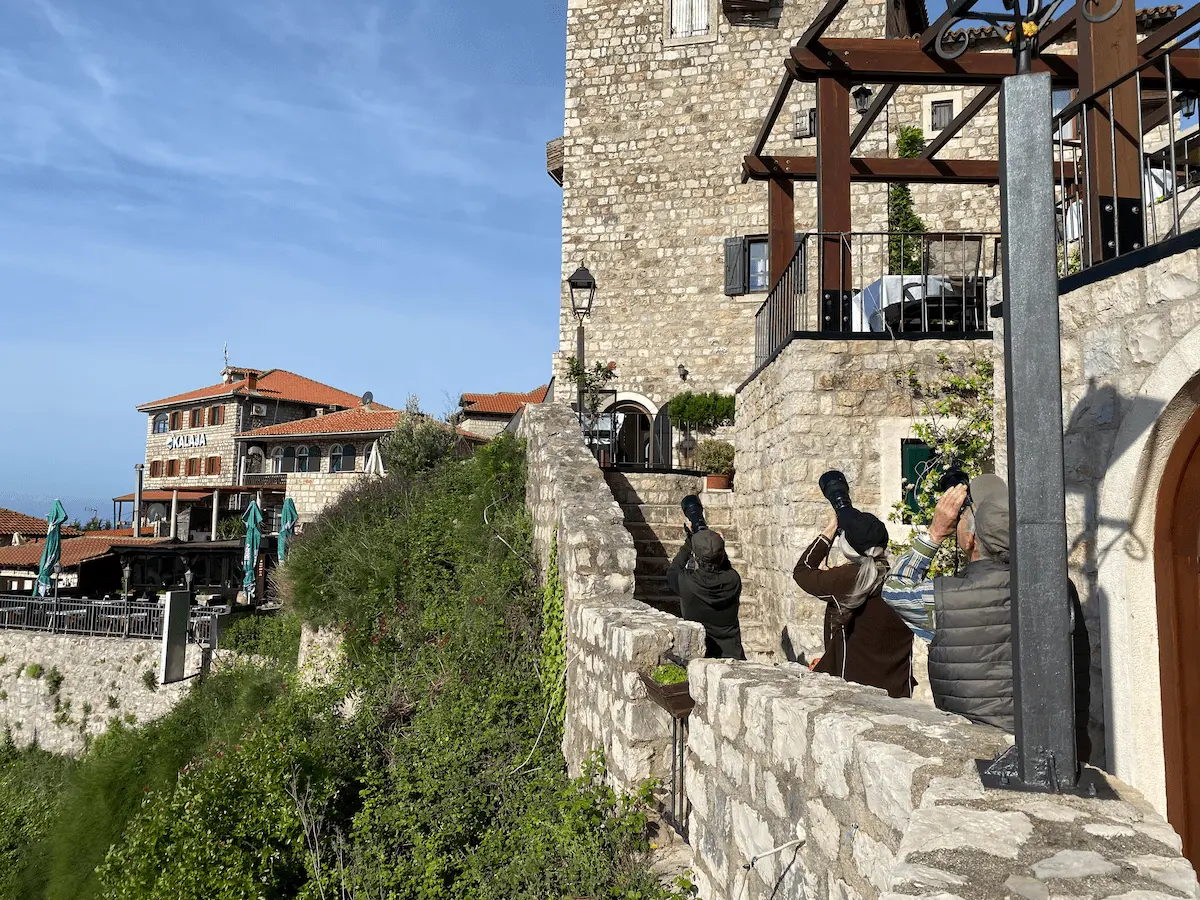
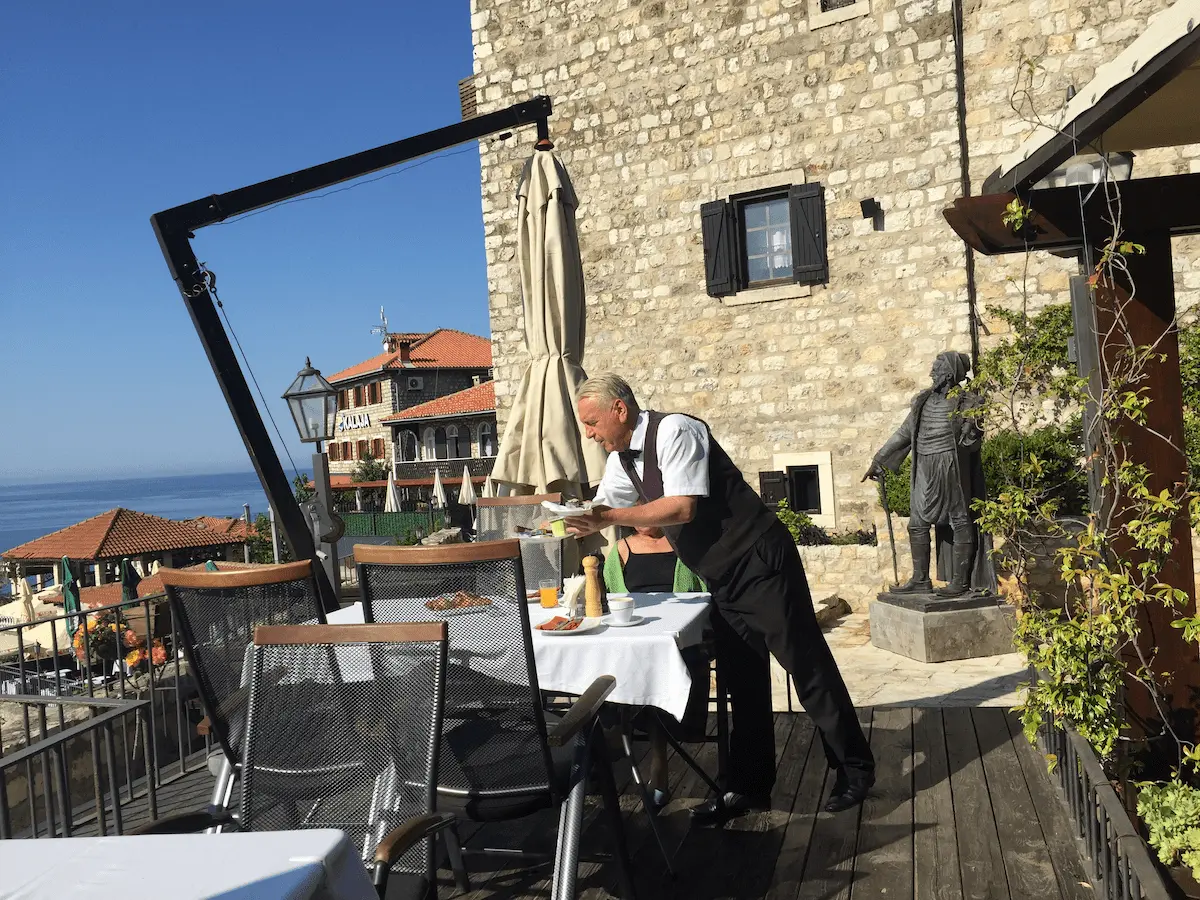
The hotel „Palata Venezia“ is a historical jewel, furnished in the renovated palace of the Venetian governor and some side buildings. It is run with commitment and love by the Resulbegovic family. They have installed nest boxes for, among other things, Alpine eagles and barn owls. Mr. Leskovac, who was active for decades in the upscale gastronomy in Munich, must now make a difficult decision: enjoy fresh, warm croissants, or photograph the Alpine eagles.