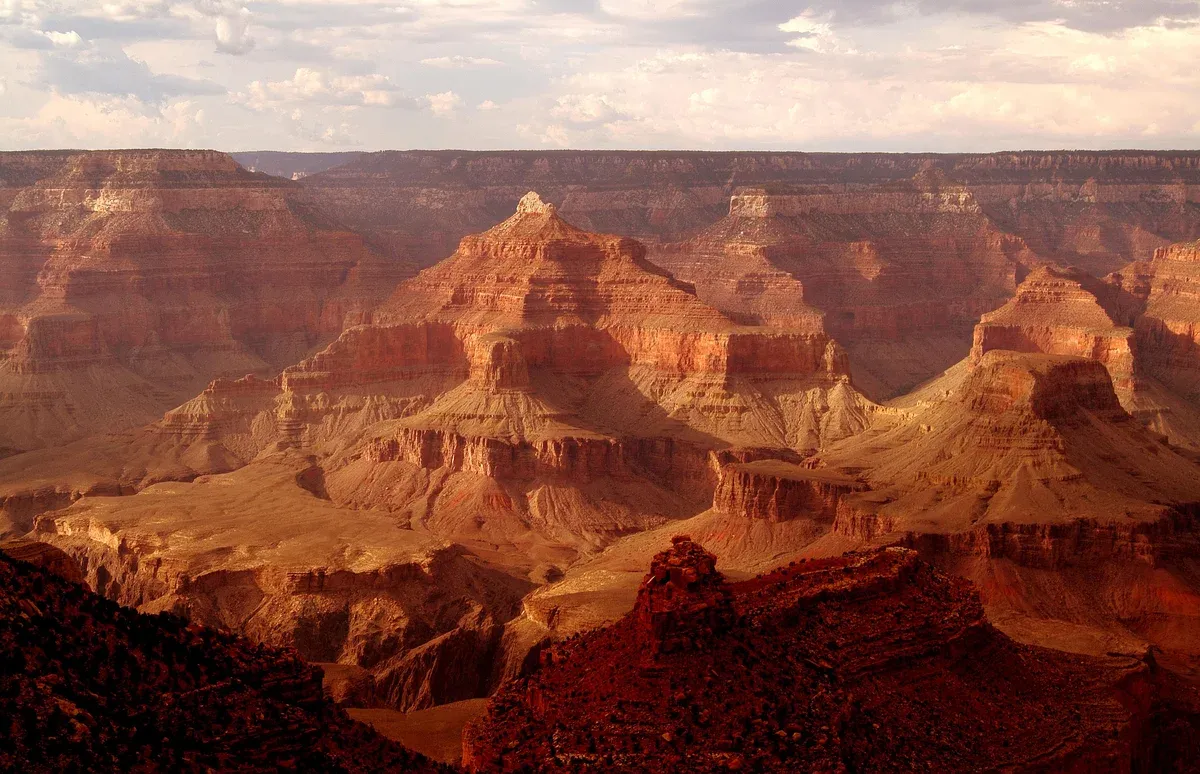
The Arizona National Scenic Trail is one of only eleven officially designated National Scenic Trails in the USA – and above all a tribute to the diversity of pristine landscapes. Over more than 1,300 kilometers, it runs the length of Arizona from the Mexican border to Utah, connecting some of the most fascinating ecosystems in North America: the Sonoran Desert, alpine forests, high plateaus and deep canyons.
The trail's 43 passages not only allow for varying levels of difficulty, but also for an approach to nature as a complex fabric of climate, geology, flora and fauna – shaped by adaptation, resilience and surprising fragility. Here we present a selection of the route's sections as examples.
Passage 11: Santa Catalina Mountains
This passage vividly demonstrates how quickly habitats can change in the Southwest. At the foot of the mountains, typical plants of the Sonoran Desert dominate: majestic saguaro cacti, ocotillo shrubs with their fiery red blossoms, and thorny cholla cacti. Yet this seemingly barren environment is nonetheless home to a surprising number of animals, including desert tortoises, Gila monsters and coyotes.
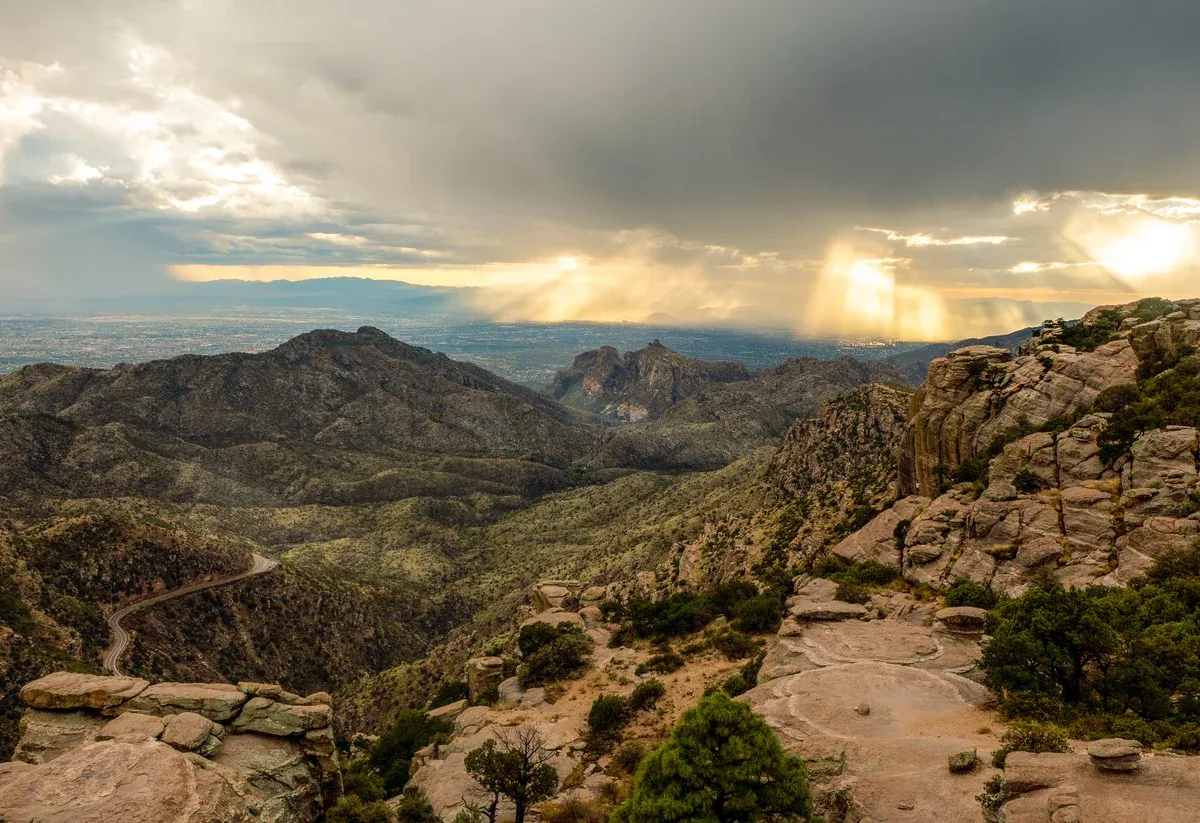
As the elevation increases, the landscape changes almost abruptly. Temperatures drop, and instead of cacti the surroundings are now defined by pines, Douglas firs and oaks. These so-called "Sky Islands" – isolated mountain ranges – provide habitat for black bears, white-tailed deer and numerous bird species such as the colorful painted redstart.
Hutch's Pool, fed by mountain streams, is a rare and delicate aquatic biotope – a habitat for amphibians and insects and an example of how precious water is in this region. Length of the passage: approx. 34 kilometers.
Passage 19: Superstition Wilderness
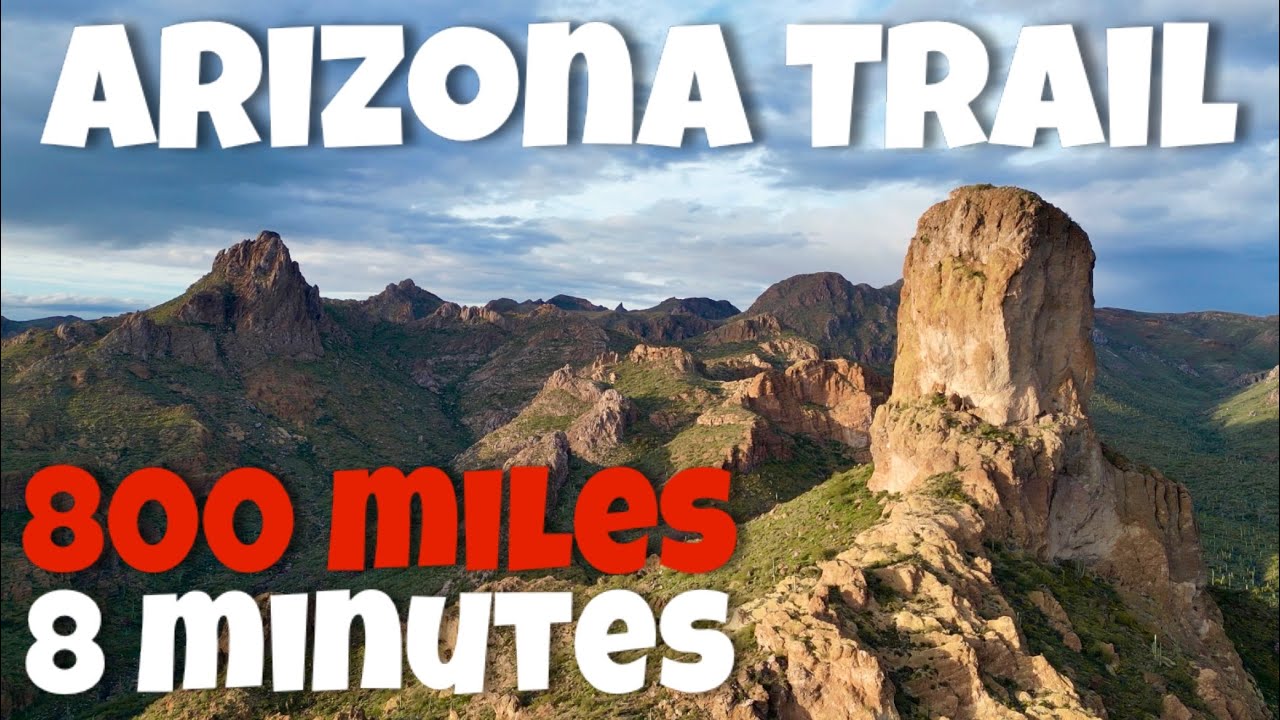
The Superstition Mountains have an archaic feel: jagged rock ridges of volcanic stone, deep gorges and hidden oases characterize the scene. The vegetation is hardy and specialized – agaves, mesquite trees and palo verde stands store water and withstand extreme heat.
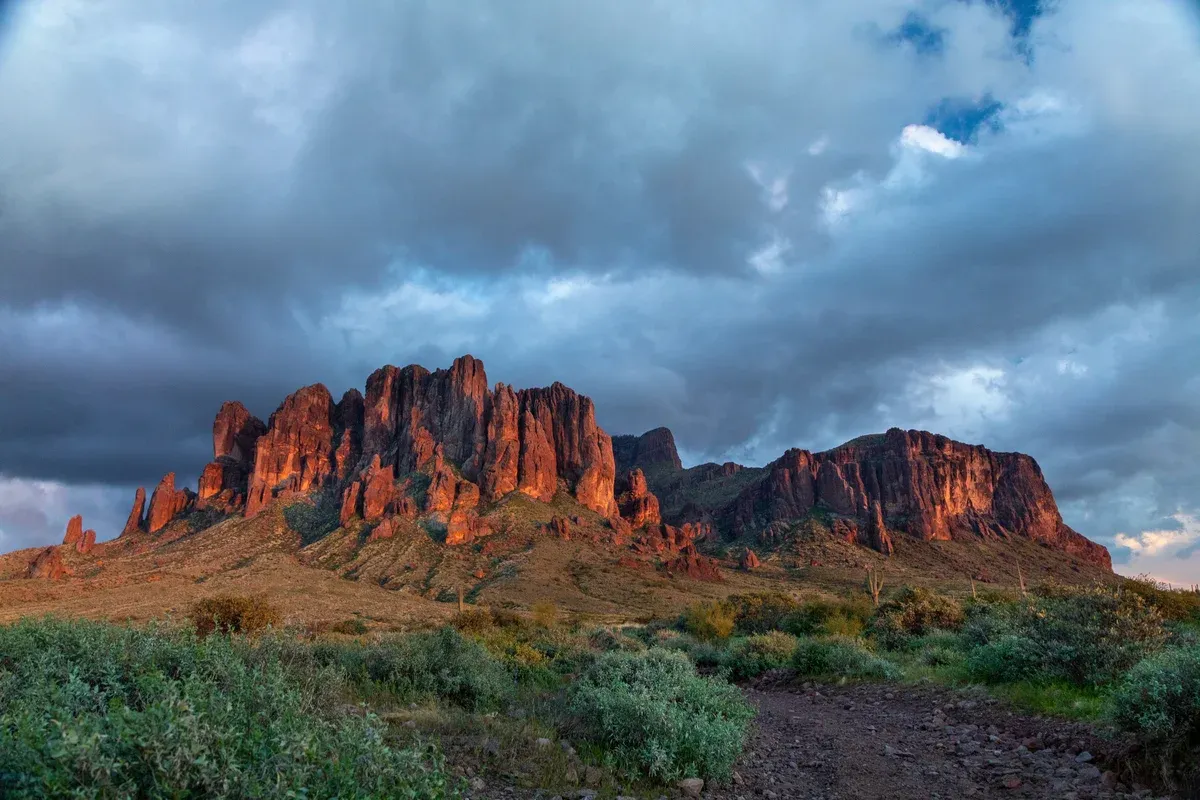
The region's fauna is surprisingly lively. Desert bighorn sheep move seemingly effortlessly across steep terrain, while birds of prey such as red-tailed hawks and eagles ride the thermals. In remote areas, even mountain lions are native, though rarely spotted.
The legend of the Lost Dutchman Mine is part of the region's cultural history, yet ecologically another aspect takes center stage: the sensitivity of this landscape. Water sources – often present only seasonally – are vital for animals and plants and at the same time particularly worthy of protection. Length of this passage: about 32 kilometers.
Passage 31: Walnut Canyon
This section combines natural and cultural history in an impressive way. Walnut Canyon is characterized by steep sandstone walls shaped by water over thousands of years. Embedded in the rock are natural caves – many of which were once inhabited by the Sinagua.
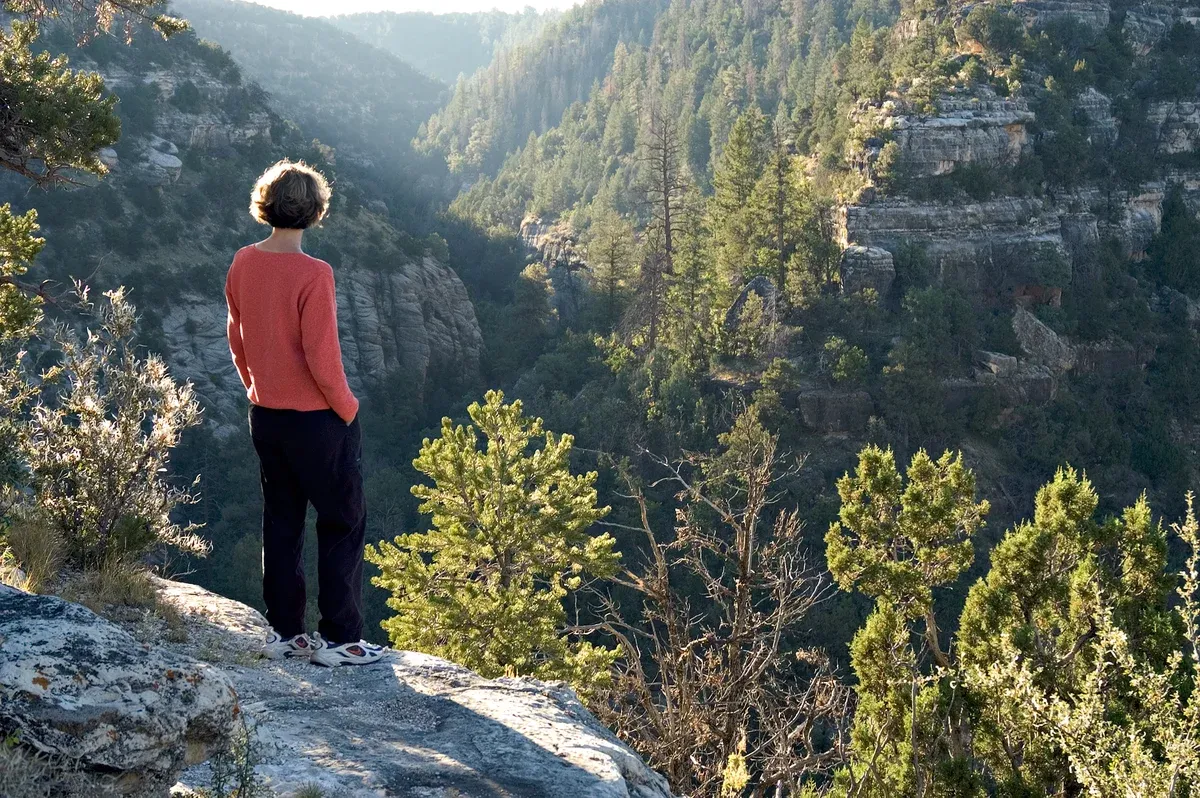
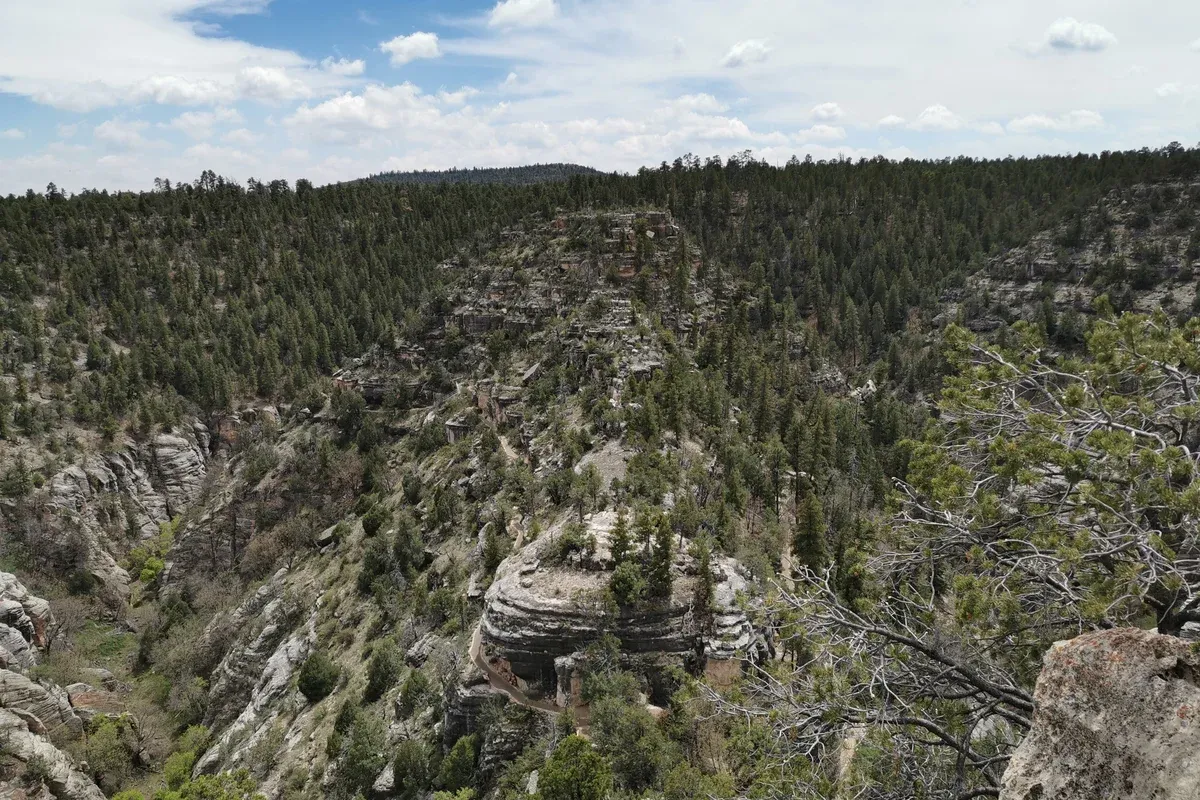
The Sinagua were a pre-Columbian people who lived in present-day Arizona roughly between 500 and 1400 AD. Their name means "without water" – a reference to their ability to develop sustainable ways of life in arid regions. They practiced agriculture, collected rainwater and skillfully built their dwellings into the rock walls to take advantage of natural cooling.
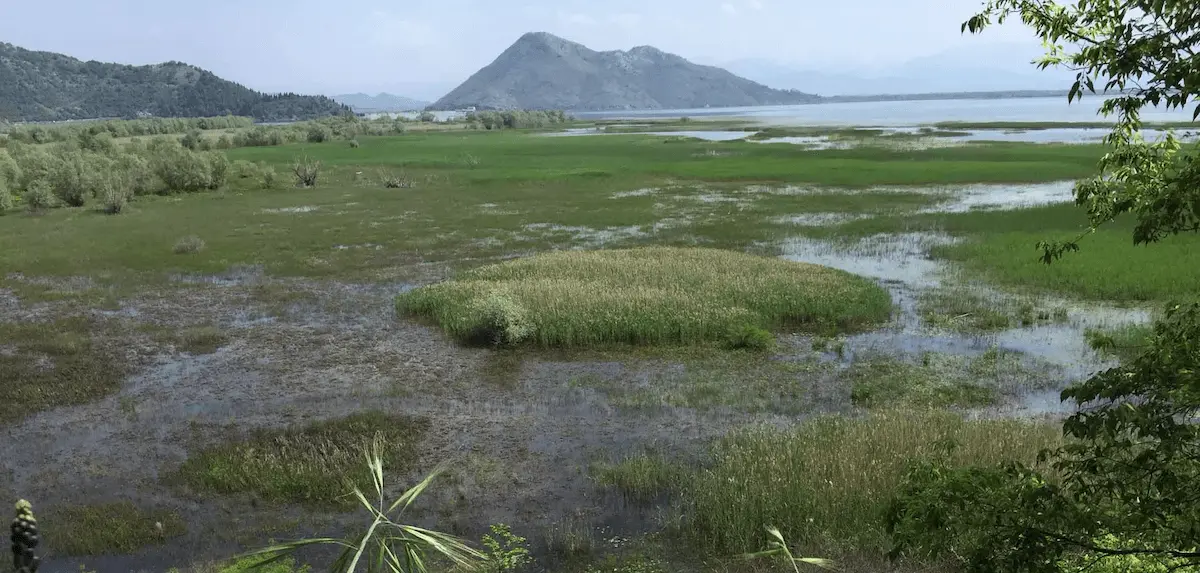
Today the region is an important habitat for mule deer, bobcats and numerous bird species. Around Marshall Lake there are wetlands that attract migratory birds – a stark contrast to the otherwise dry surroundings. Plants such as juniper, pinyon pines and wildflowers define the scene and change the colors of the landscape with the seasons. The passage runs for approx. 55 kilometers.
Passage 37: Grand Canyon Inner Gorge
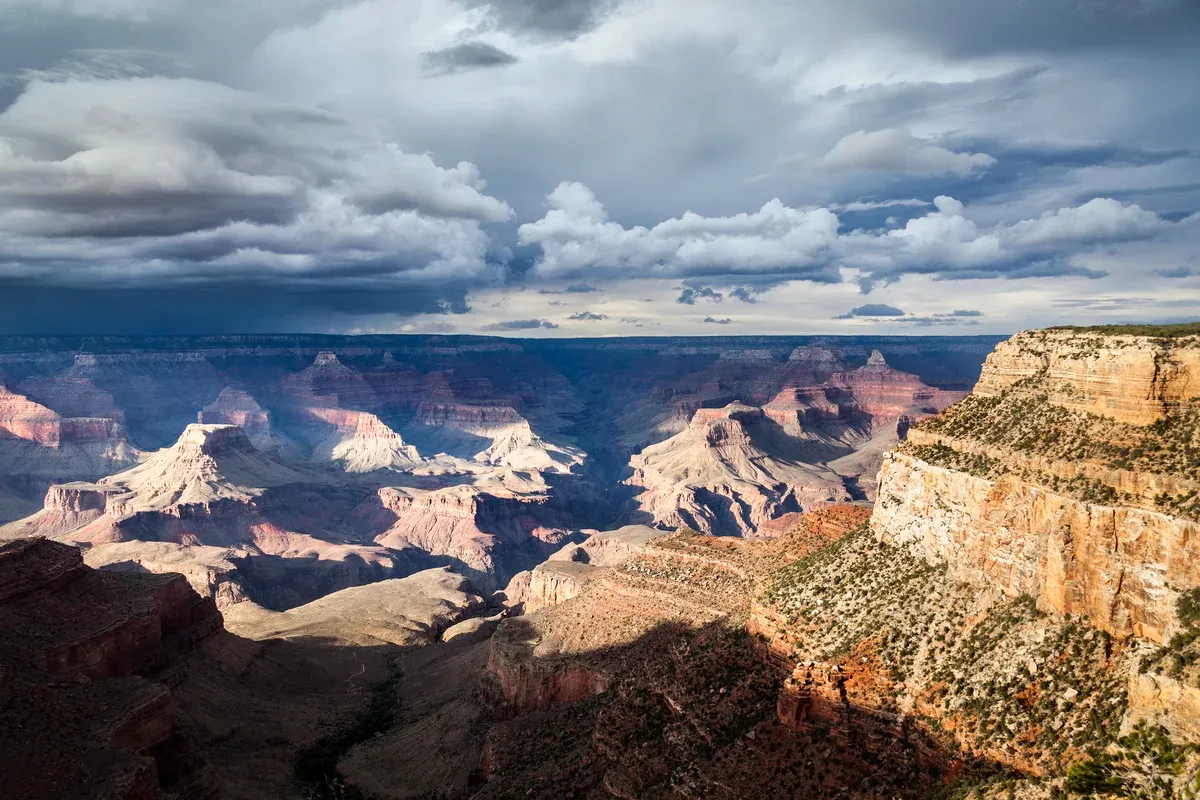
The Grand Canyon is not only a geological wonder but also a complex ecosystem. Its rock layers tell an Earth history of nearly two billion years, over the course of which different habitats have developed along the various elevations.
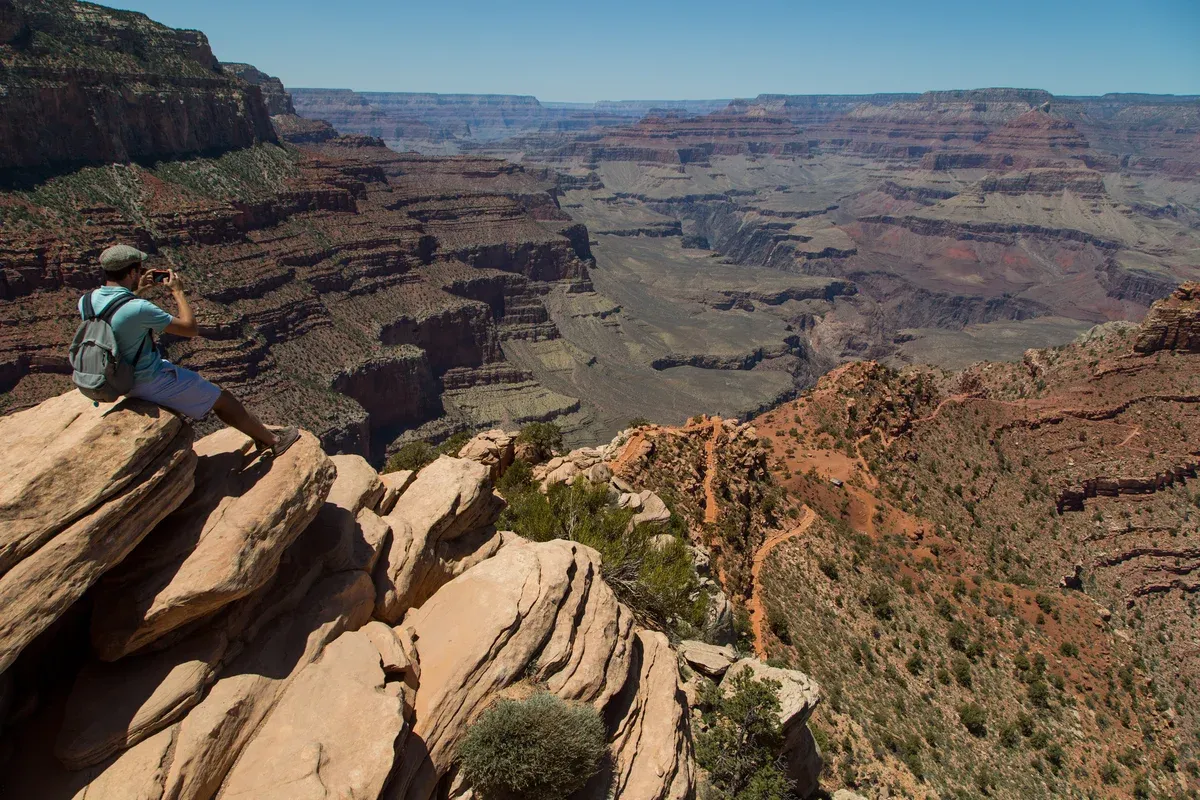
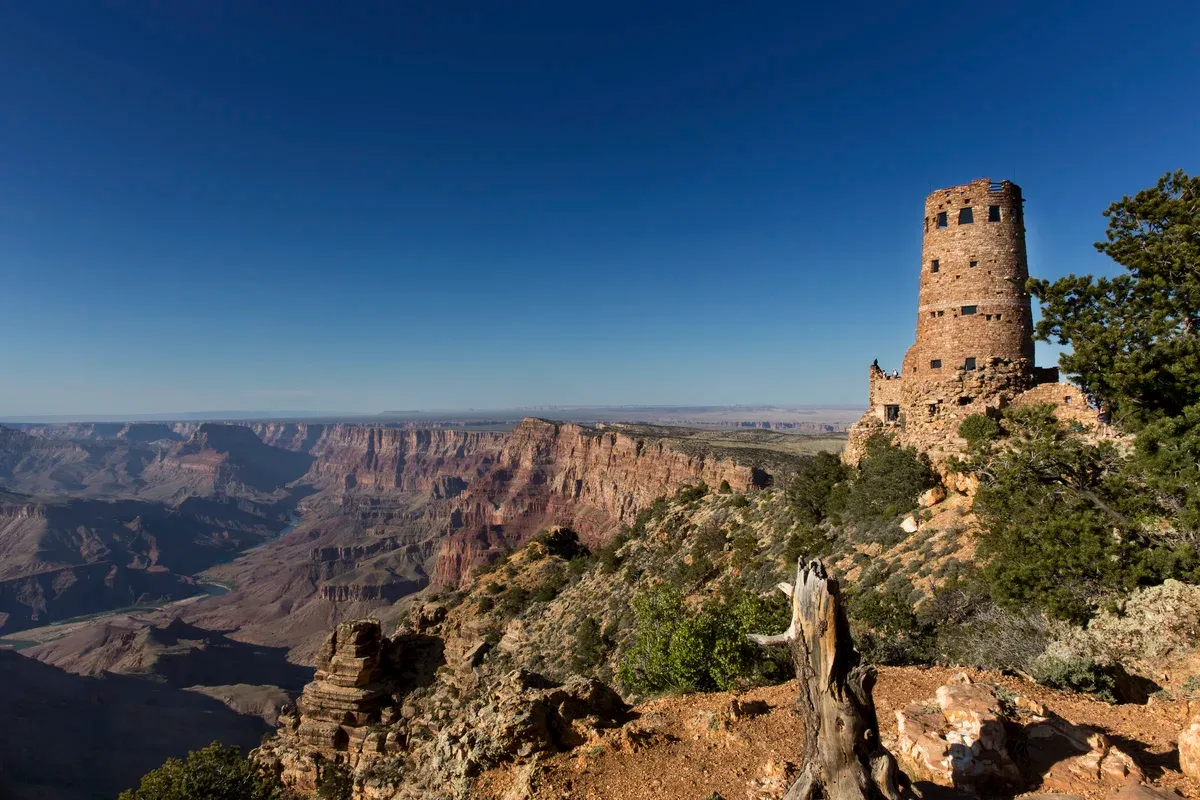
At the rim grow juniper, pines and grasses, while at lower elevations drought-resistant plants such as yucca and sagebrush dominate. The Colorado River, deep down in the canyon, forms the lifeline of this system and enables the survival of numerous species.
Among the animal inhabitants are California condors – one of the rarest bird species in the world – desert foxes and various reptile species. Especially striking is the interplay of light and shadow: depending on the time of day, the colors of the rock walls shift from deep red to gold and violet. This roughly 27-kilometer-long passage shows how even massive landscapes are transformed by erosion, climate change and human influence.
🌿 Info box: Traveling sustainably on the Arizona Trail
The Arizona National Scenic Trail leads through fragile ecosystems in which even small interventions can have noticeable effects. A respectful approach to nature is therefore central to preserving these unique landscapes.
Leave No Trace – the key principles
The internationally recognized "Leave No Trace" rules form the foundation for sustainable hiking. This includes staying on marked trails, carrying out all waste, and not removing natural materials such as plants, stones or wood. Even seemingly small interventions can disrupt the ecological balance.
Water as a precious resource
Across large parts of Arizona, water is extremely scarce. Natural water sources such as Hutch's Pool or seasonal springs are vital for animals. A mindful approach – for instance by avoiding pollution and respecting quiet zones – helps protect these sensitive places.
Best times to travel
The ideal conditions for hiking are in spring (March to May) and autumn (September to November). During these months temperatures are more moderate, and many plants – especially at higher elevations – are in bloom. Summer brings extreme heat to the desert regions, while in the winter months higher-lying sections may be covered in snow.
Discovering lesser-known sections
Away from the well-known highlights, many of the 43 passages offer quiet nature experiences without larger crowds. Northern sections near Utah in particular, or parts of the high plateaus, are considered little-frequented and allow for intense encounters with nature.
Respect for cultural heritage
Many areas along the trail are historically and culturally significant, especially for Indigenous communities. Archaeological sites such as those in Walnut Canyon are protected – their preservation depends largely on them remaining untouched.