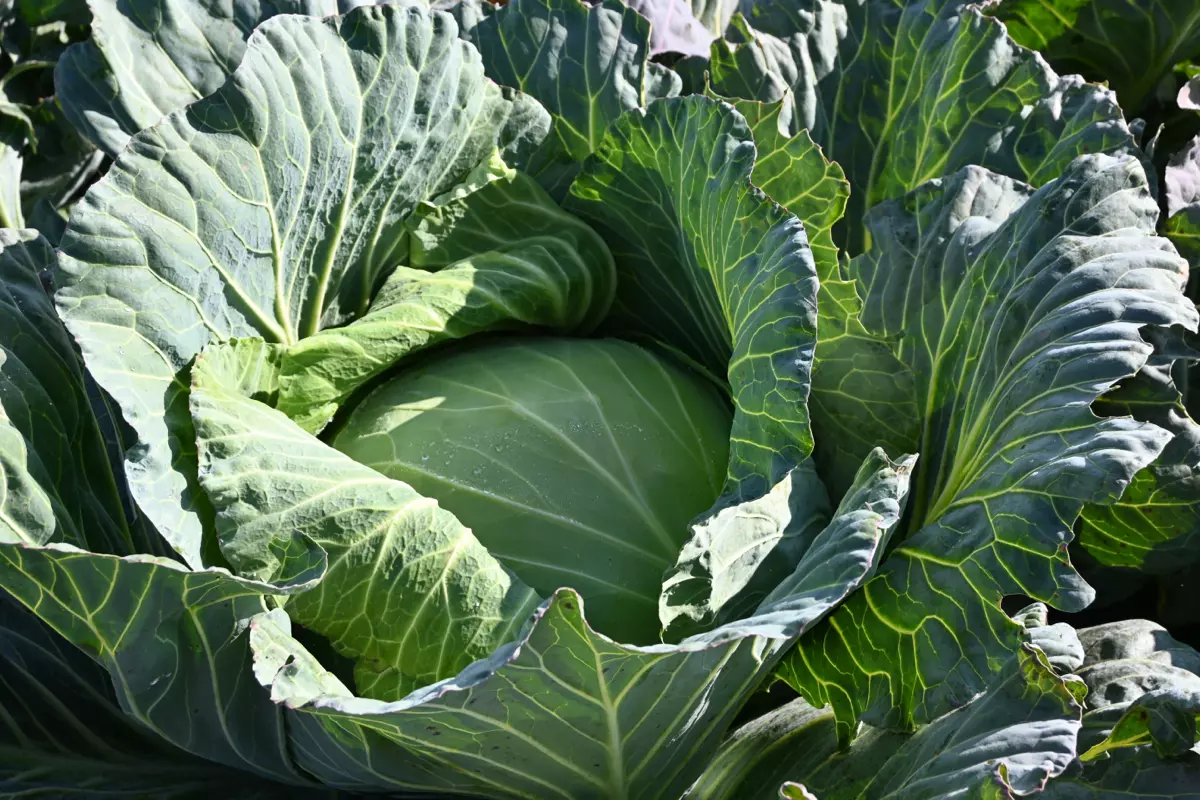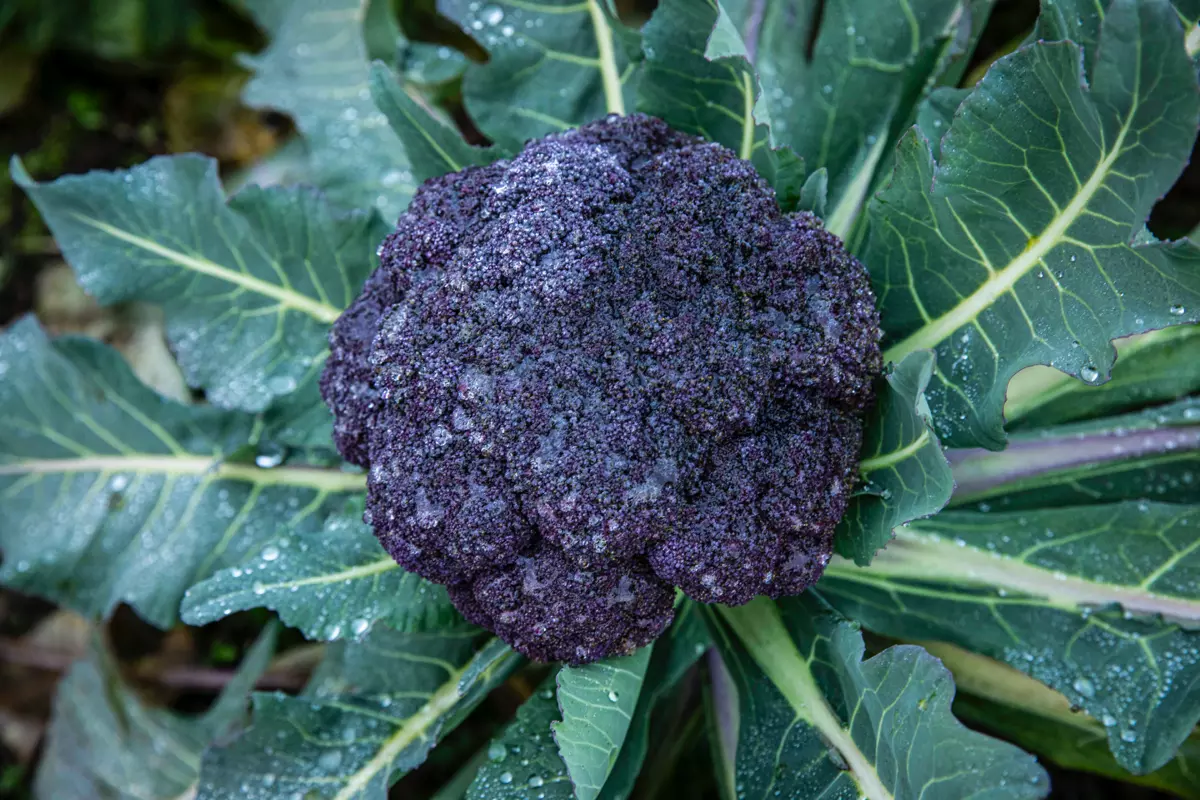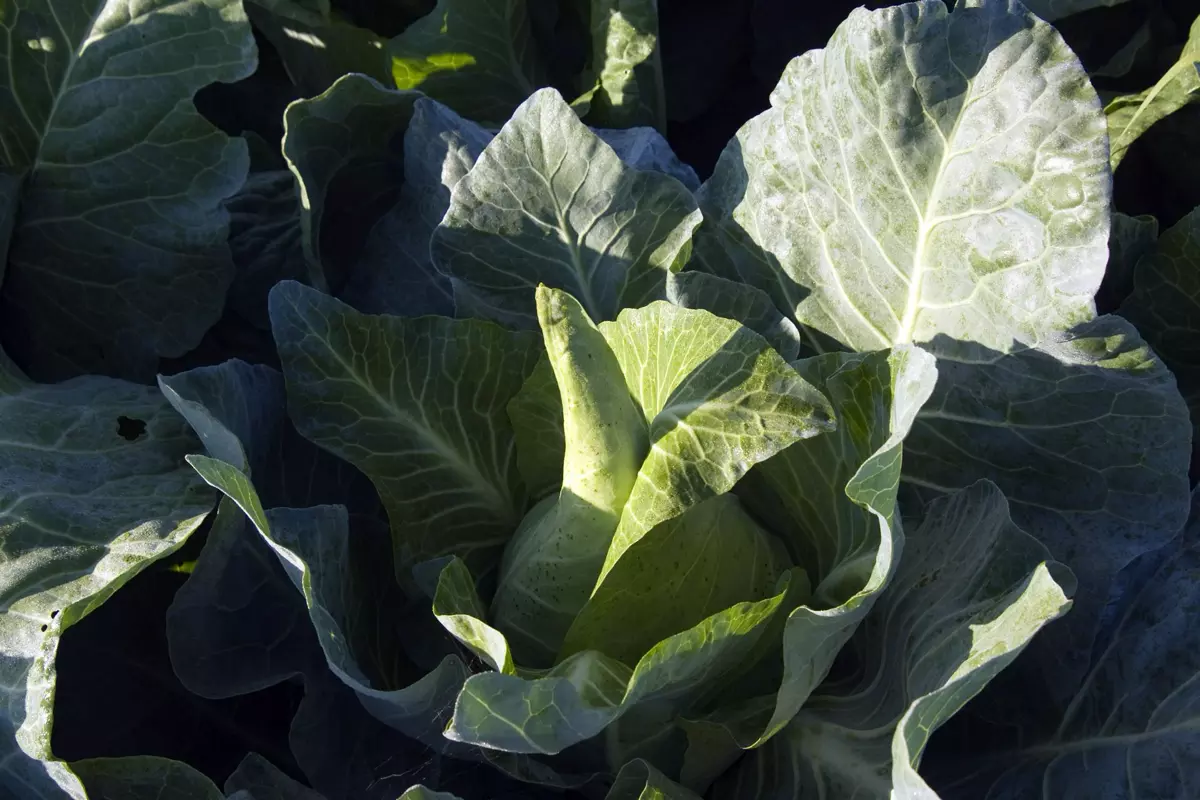
White cabbage, red cabbage, savoy cabbage, green and palm cabbage, cauliflower, broccoli, turnip or kale – the cabbage family is very diverse. All these varieties originated from wild cabbage, which occurs in rocky landscapes and mountains, especially in coastal regions, and has been used by humans as a healthy, albeit rather bitter, vegetable since the early days. In some areas, such as Crete, it is still common. In Germany, the wild form can only be found on Helgoland and is called "cliff cabbage" there. Due to its bitterness, it is hardly used in the kitchen, but animals and snails can be fed with it; bees and bumblebees find a valuable source of food in it.
The delicate Spitzkohl
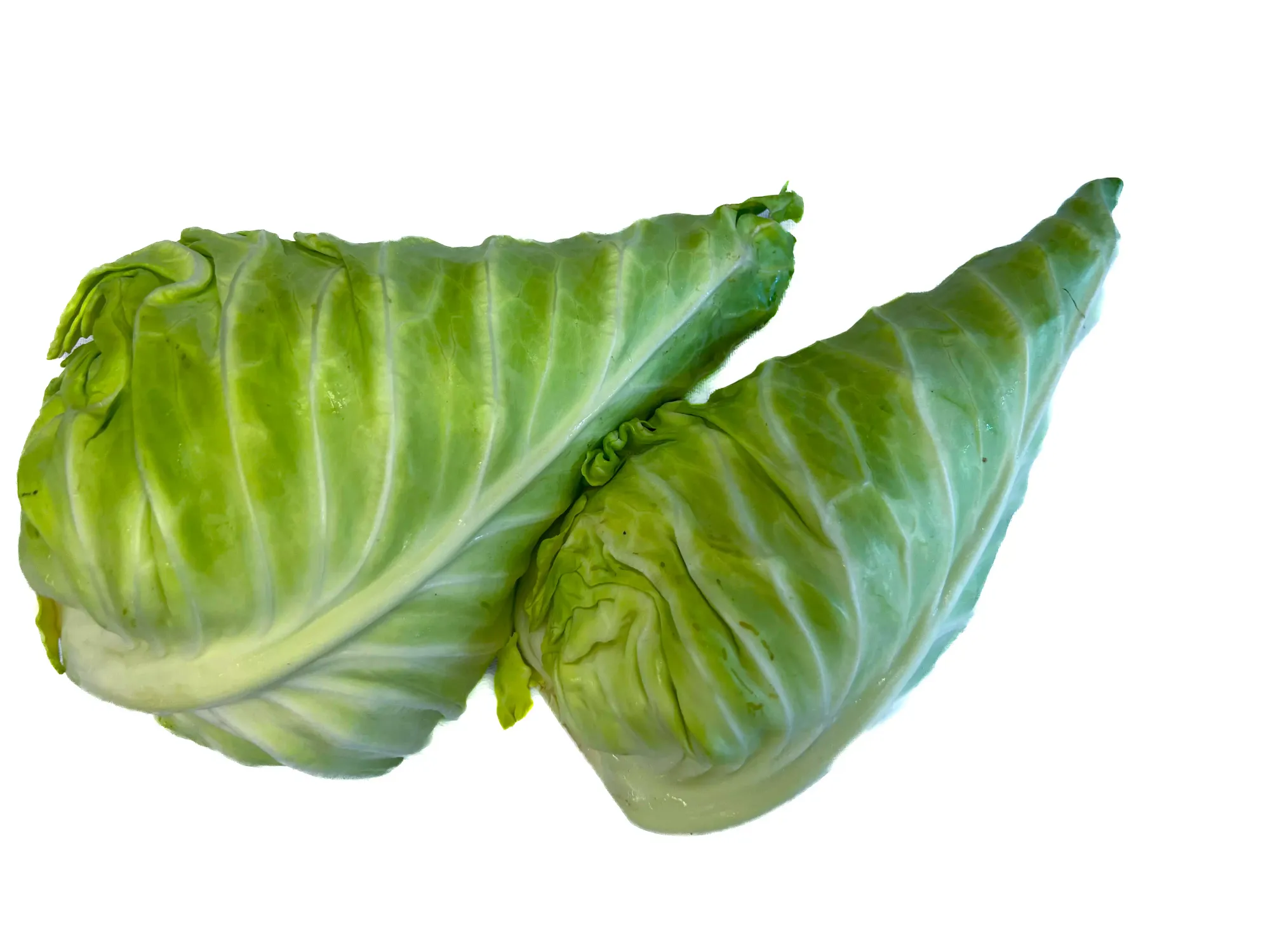
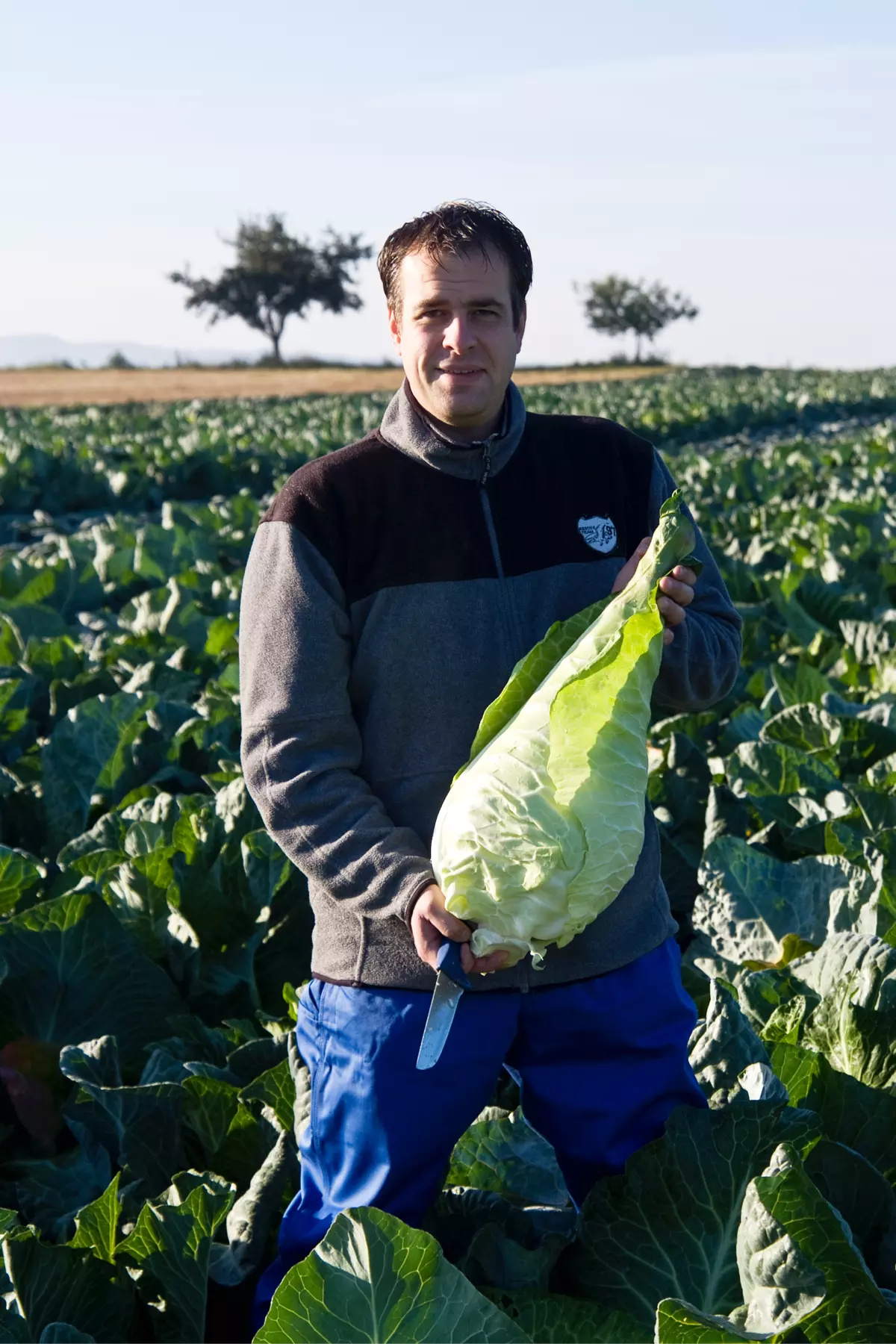
The fast-growing Spitzkohl, also known as summer cabbage, has relatively thin, pale green leaves that are tightly wrapped around the conical shape that gives it its name. It is milder and more palatable than other cabbage varieties. Despite its goodness, it would have almost disappeared from the food range 20 years ago if its conical shape had not been processed industrially, as this is more complicated and therefore more expensive than that of its round relatives.
Uncomplicated cultivation
The Spitzkohl is ideal for growing in your own garden, among other things, because it requires less space than its round relatives and is therefore also suitable for smaller areas. It likes loamy and nutrient-rich soils, sun or partial shade, and regular watering. Good neighbours for the bed are, for example, spinach, tomatoes or celery.
The first seedlings of the year can be started on the windowsill or in the greenhouse from January or February, depending on the variety. After planting in March, the first heads can then be harvested in May. Later varieties are sown directly into the open field from spring to August, with a spacing of about half a meter.
A healthy and versatile vegetable in the kitchen
Those who want to lose weight will find a suitable diet partner in the Spitzkohl, as it contains only 20 kilocalories per 100 grams. In addition, the vegetable is very health-promoting. Thanks to 200 milligrams of zinc per 100 grams of fresh cabbage, colds can be prevented, bioactive substances such as sulfides, flavonoids and carotenoids protect the cells, vitamins and senfoles prevent the development of urinary and respiratory infections.
The Spitzkohl is highly appreciated by many consumers, who actually do not like other types of cabbage, because it is finer, more tender, milder and more palatable, and therefore ideal for quick, gentle preparation methods. At the same time, like the more robust cabbage varieties, it can be fermented and therefore stored.
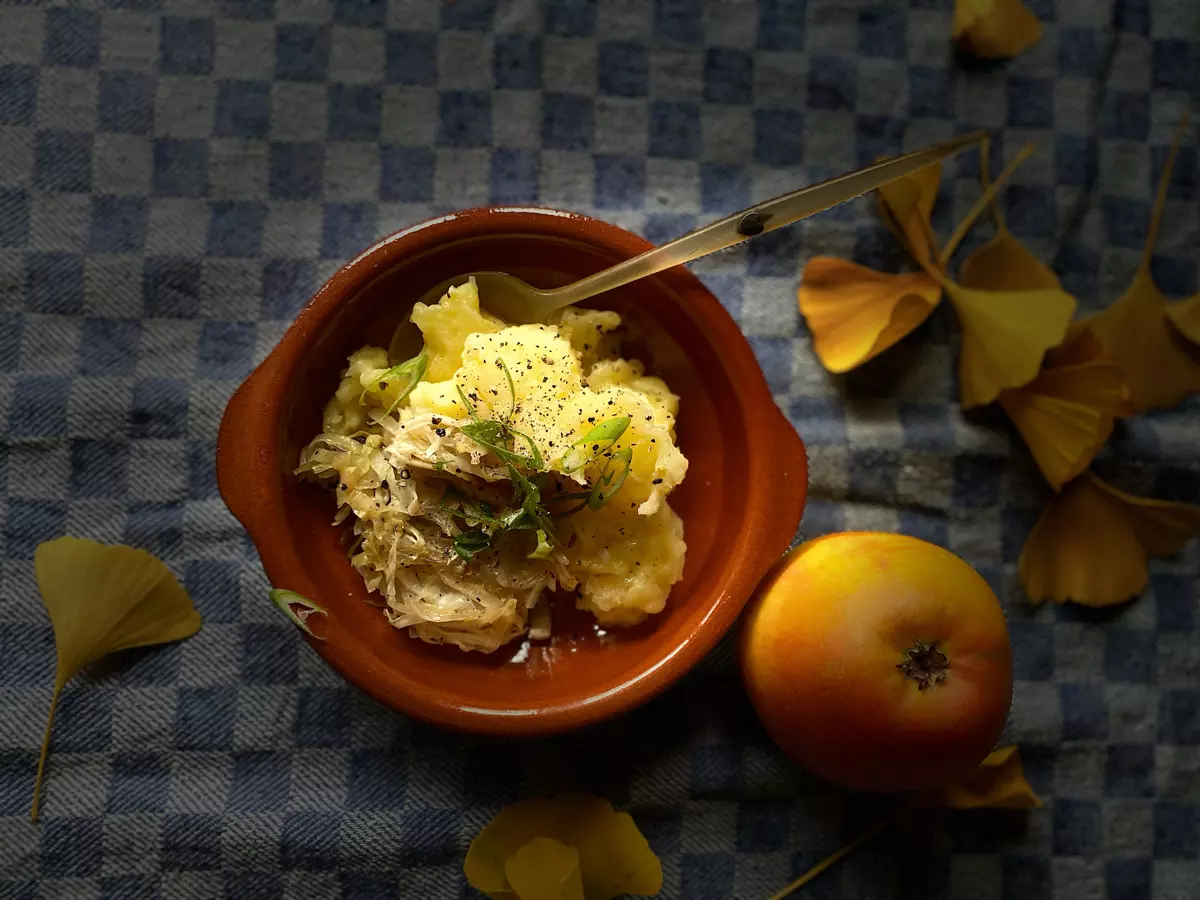
Its crisp, fine leaves are suitable for a variety of salads – from the classic sauerkraut with caraway, oil and vinegar to oriental variations with cumin, salt, pomegranates and a lot of parsley. It tastes creamy as coleslaw; finely chopped and briefly sautéed in butter for mashed potatoes; with bacon, crispy and hot as fresh sauerkraut variations; in a wok with soy sauce, sesame oil and other vegetables; as a filling for roulades with meat, fish or grains; in a bowl, on a sandwich or taco; in risotto, as a filling for pasta or as a savory component of flatbread.
Its relatively short shelf life is probably its only disadvantage, because once cut, it should be stored in a damp cloth in the refrigerator and consumed within a few days.
The Ark Passenger "Filder Spitzkraut"
In the fertile area south of Stuttgart, known as "Fildern", committed producers, together with Slow Food Germany, are working to preserve this tasty traditional vegetable. In 2005, the autochthonous regional variety "Filder Spitzkraut" was finally included as a passenger in the Slow Food Ark of Taste, and since 2012 it has also been registered as a protected geographical indication (PGI) in the EU.
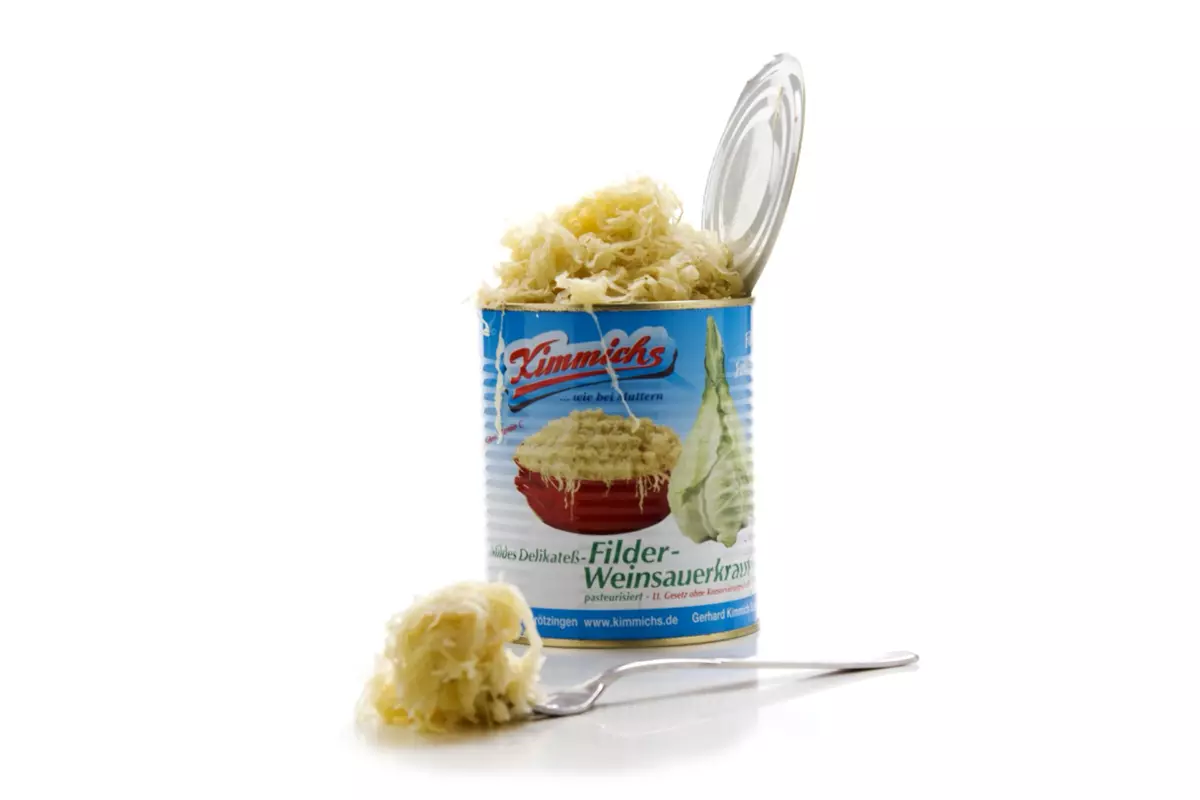
The specialty has a centuries-old tradition. The first documentary mention of cabbage cultivation on the Filderebene dates back to 1501. The Spitzkraut is a botanical peculiarity, and it is still unclear whether it originated through a spontaneous mutation or breeding.
The Slow Food recipe of the month by Tilo Hamann
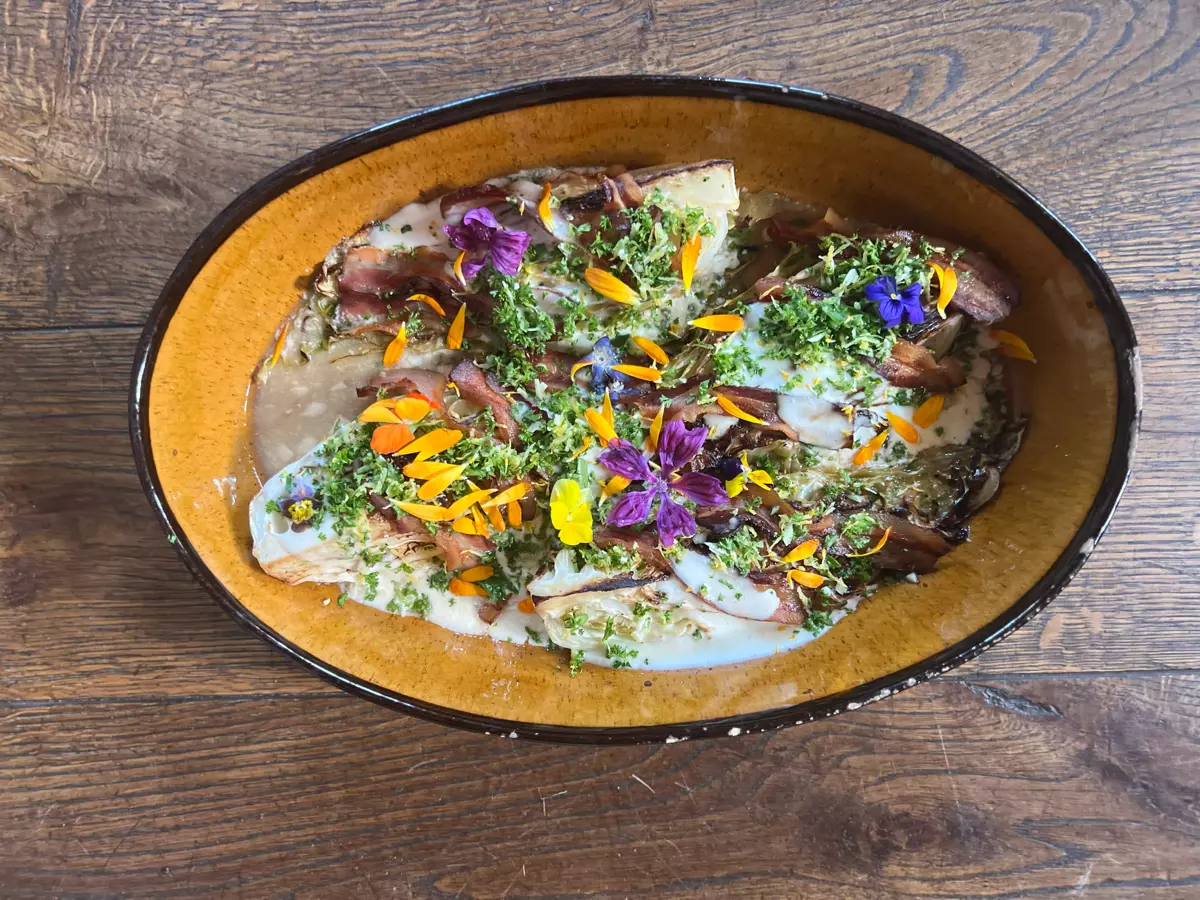
Oven-baked Spitzkohl with salt, crispy bacon and gremolata
Recipe for four people
Ingredients:
- 2 heads of Spitzkohl (2 heads of Spitzkohl, cut in half with the stem)
- A splash of rapeseed oil (as needed)
- 50 ml of salt-lemon juice (alternatively lemon juice plus a pinch of salt)
- 50 g of streaky, smoked bacon in thin slices without rind and freshly ground black pepper
- 1 lemon (with edible peel, only the zest)
- 1 bunch of parsley (chopped)
- 4 cloves of garlic (4 cloves)
Preheat the oven to 160°C (320°F) for top and bottom heat. Fry the cabbage quarters in a pan on the cut surfaces until golden brown, drizzle with rapeseed oil and salt-lemon juice, and season with pepper. Place the bacon slices on top and bake in the oven for about 30 minutes.
Now mix the gremolata with lemon zest, parsley and garlic and sprinkle over just before serving.
Serve with potatoes, polenta, good bread or grains. If the side dish is dry, a béchamel sauce is also suitable: for this, melt 30 g of flour in 25 g of butter, then add 600 ml of milk and cook for 5 minutes, stirring constantly, season with salt, pepper and nutmeg.
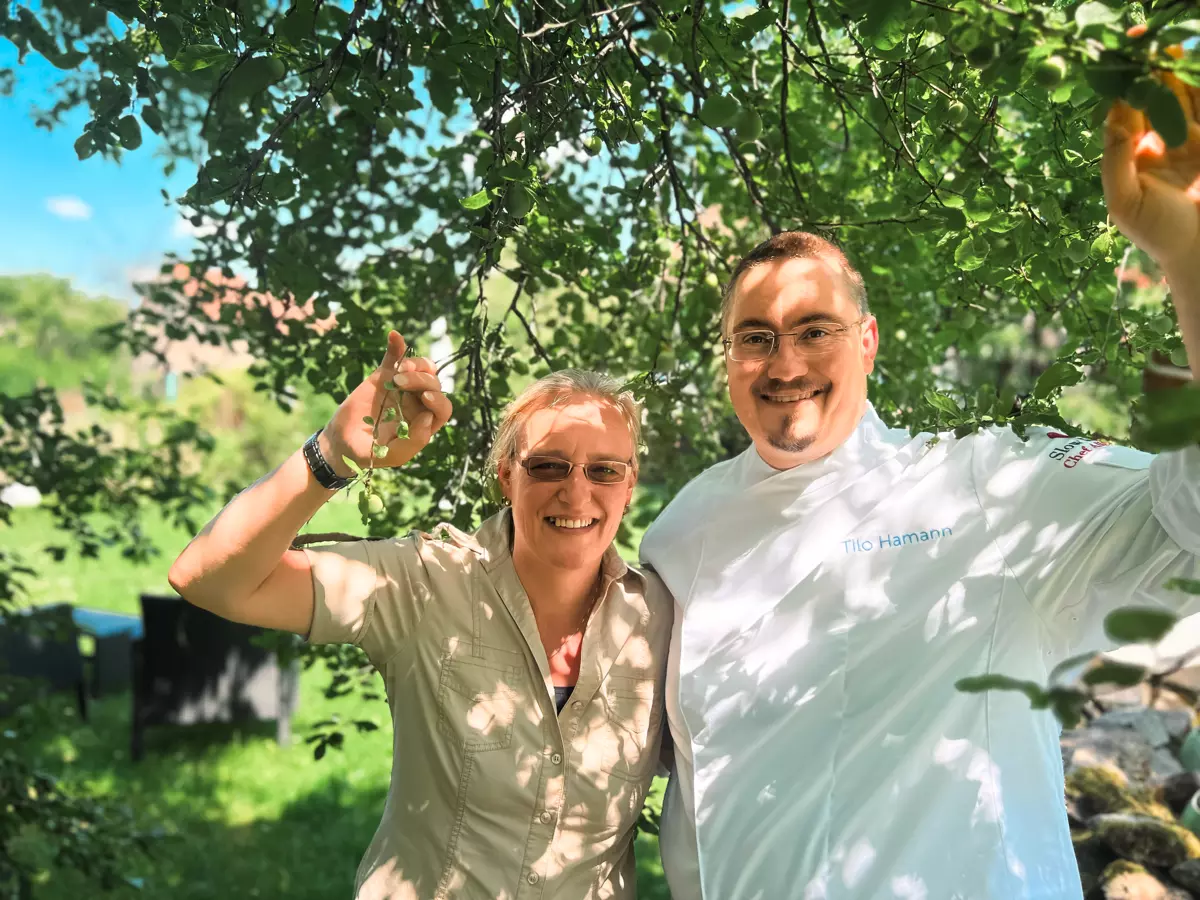
Tilo Hamann
operates with his wife Manuela in the restaurant "Gaumenkitzel" in Radebeul, Saxony. His motto is "Good, Clean, Fair". Almost nothing is processed in the kitchen. "Nose to Tail", "Leaf to Root" and "No Waste" are just some of the terms he uses in his kitchen. Everything is prepared with fresh, regional and organic products. The main dishes include both meat and vegetarian and vegan options.