Cookbooks from earlier times still bear witness to due to a barely manageable variety of regional crops. However, because most of them no longer met the current requirements for standardized uniformity, durability, appealing appearance, and consistent taste, they disappeared from supermarket shelves, along with many of their health-promoting effects. The progressive standardization and market optimization of the range not only led to a loss of genetic, but also of flavor and culinary diversity and traditions. It is now time to reflect on this, argues leading chef Johann Reisinger, a pioneer in "Ark Passenger" cuisine.
What are heirloom varieties?
Traditional crop varieties are those that were grown in mainly small-farm operations between 1800 and 1950. Today, an estimated 75 percent of their global diversity, and nearly 90 percent in Germany, have been lost due to increasingly industrialized agriculture, resulting in a loss of cultural richness. Only if the remaining gene pool is documented, the treasures of the past are rediscovered, and reintroduced into everyday cooking, can this trend be reversed.
Your role as a problem solver
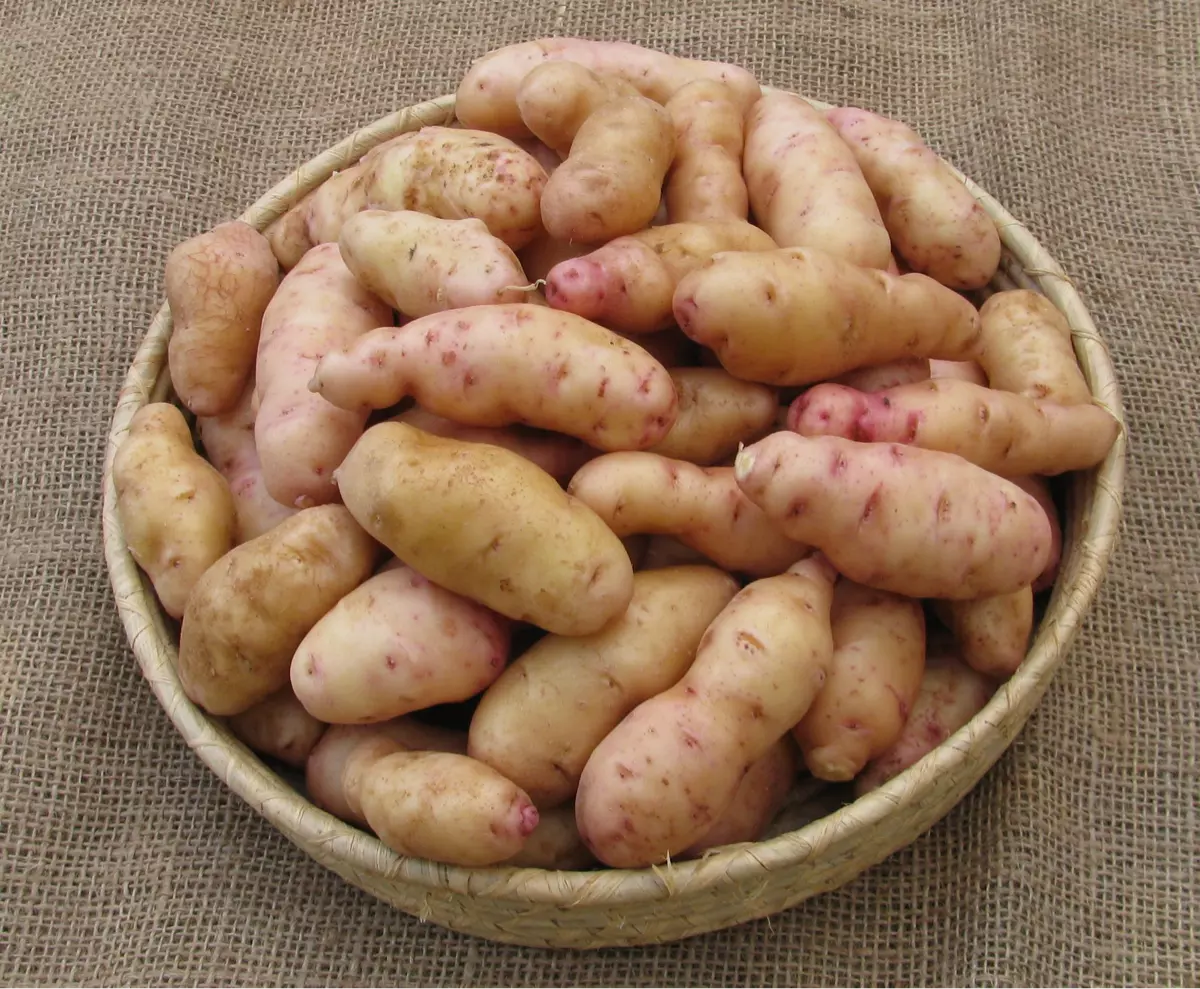
The devastating impact of genetic impoverishment is clearly demonstrated by the Great Irish Famine between 1845 and 1852, in which one million islanders died. This was the result of a potato blight, which at the time was the main food source for the islanders. Because only two susceptible, non-resistant varieties were grown, the entire crop was destroyed. As a result of the famine, one million people died, and millions emigrated.
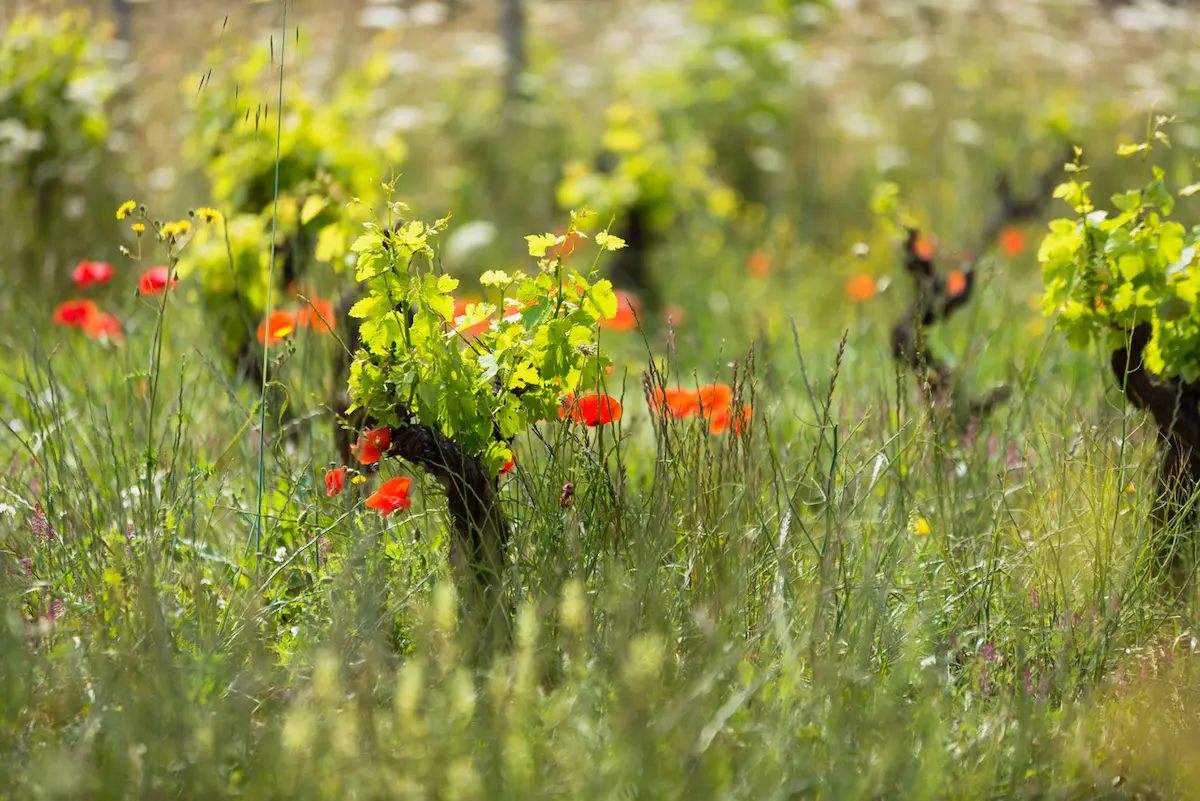
Particularly in viticulture, increasingly frequent heavy rainfall events in northern regions and prolonged drought in the south pose a major challenge, as they weaken the plants and make them more susceptible to pest and disease infestations. To prevent the significant increase in the use of pesticides that results from these conditions, it is essential to develop and test new, more resistant grape varieties as part of adapting to climate change. And this should be done without using genetic engineering, but rather through crosses between old, resilient varieties and modern, high-yielding varieties. These new grape varieties, which are primarily resistant to fungi, are known as PIWI varieties.
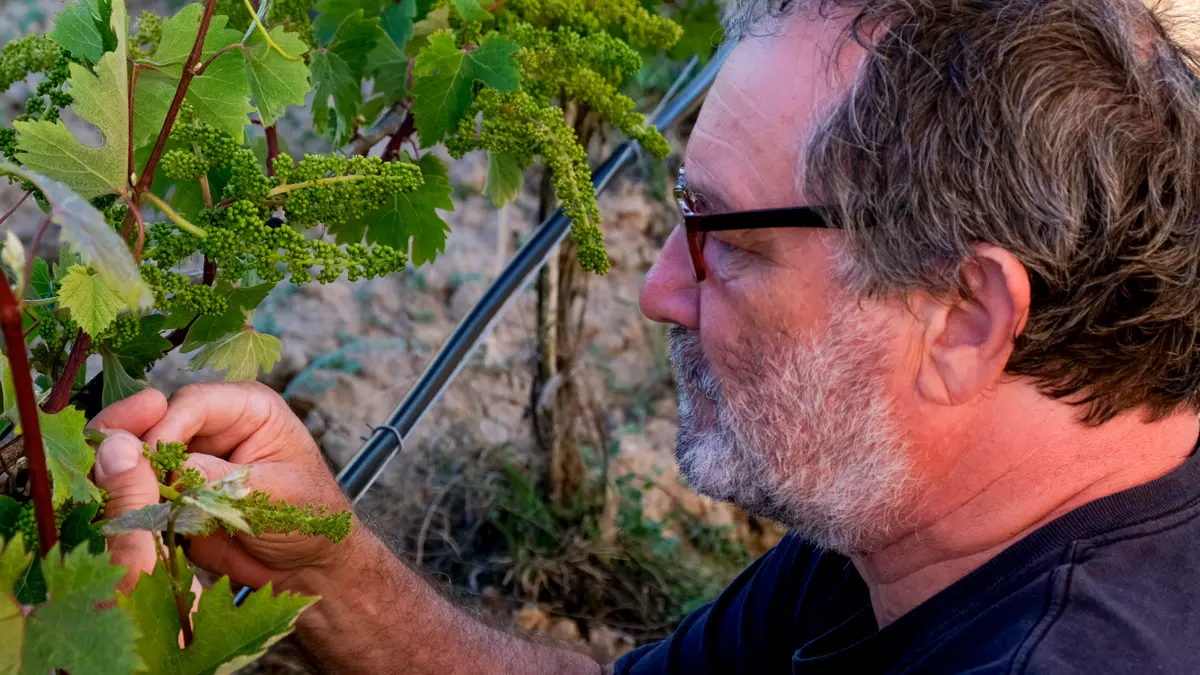
Those who would like to learn more about this topic are recommended to read our separate article under:https://www.natur-nachhaltig-erfahren.de/sorten-rassen-kulinarik/piwi-sorten-als-chance-fur-den-weinbau-der-zukunft/.
A wide range of flavors and robustness
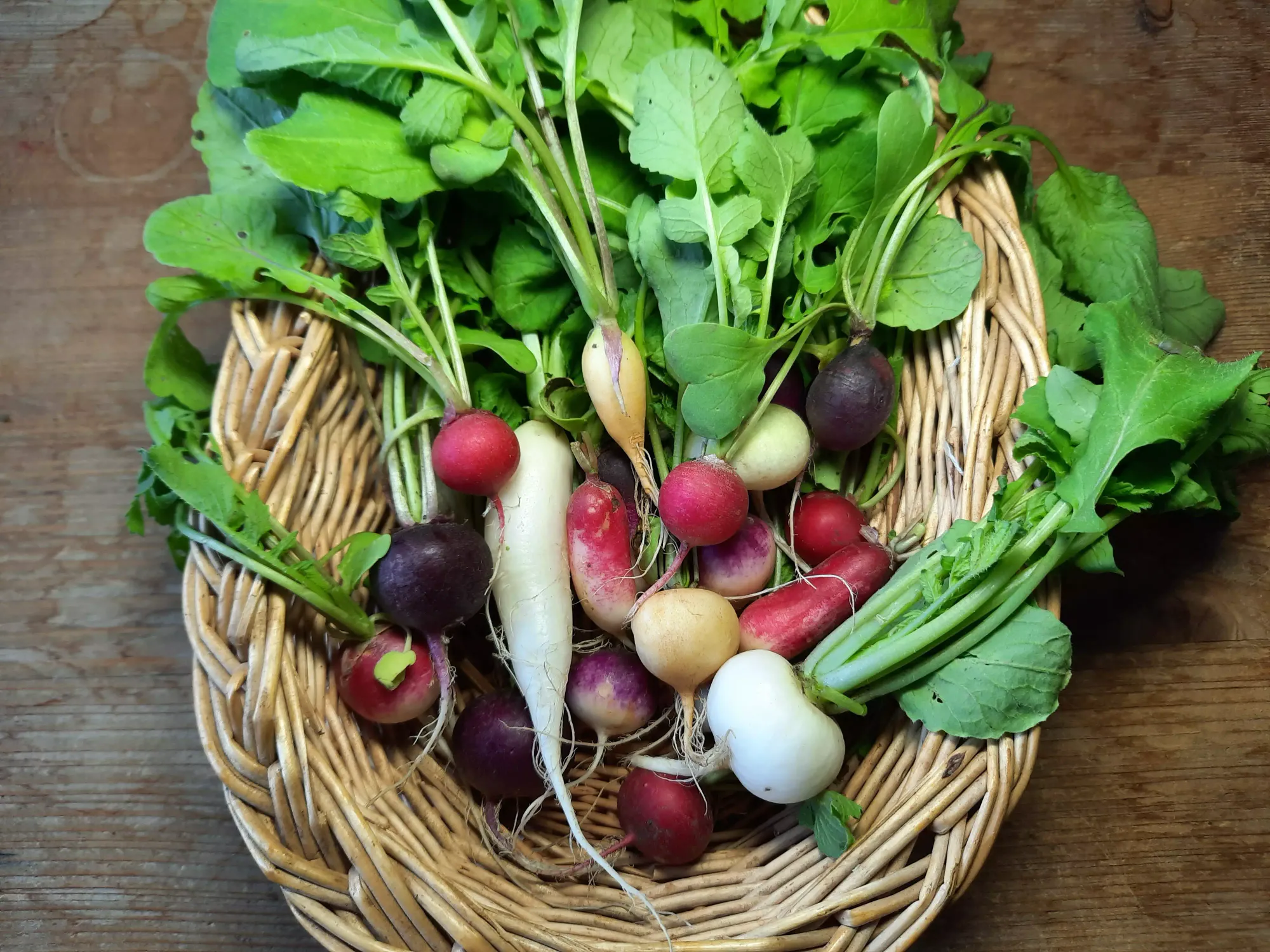
Older varieties, in which uniform appearance was not previously a primary focus, often contain more flavor compounds than modern, generic varieties and therefore taste more intensely. Not only that, each old food plant has its own, variety-specific flavor, and their rediscovery opens up access to new culinary experiences. Provided that the correct preparation is used.
Due to adaptation to local environmental conditions, older varieties have become robust and resistant, for example, to fungal diseases. As a result, they also thrive better without artificial fertilizers and synthetic pesticides compared to those produced in industrial agriculture.
Positive health benefits
Often regionally developed, traditional crops were perfectly adapted to local conditions, including climate, soil, and weather patterns. This allowed them to efficiently absorb a wide range of minerals and nutrients.
Are older, traditional crop varieties inherently healthier than newer cultivars? Answering this question requires a nuanced approach. Recent studies provide clues regarding the factors that positively influence health-promoting effects. Secondary plant compounds play a central role in this. These are primarily found in vegetables, fruits, nuts, legumes, and whole grains, and they give plant-based foods their color. These flavonoids, carotenoids, phytosterols, glucosinolates, phytoestrogens, and other substances can rejuvenate cells in humans, prevent infections, strengthen the immune system, and prevent diseases. Sulfides also reduce the risk of certain types of cancer. The fact is that older varieties often contain more of these health-boosting compounds than their modern counterparts. But what are the reasons for this? One main cause is not only the plants themselves, but also the environmental factors to which they are exposed. Researchers have found that they produce more secondary plant compounds and antioxidants the more they are exposed to moderate stressors, such as defense against pests, viruses, bacteria, fungi, and UV radiation, or attracting pollinators. In other words, it is the challenging growing conditions that significantly contribute to the health benefits of older varieties.
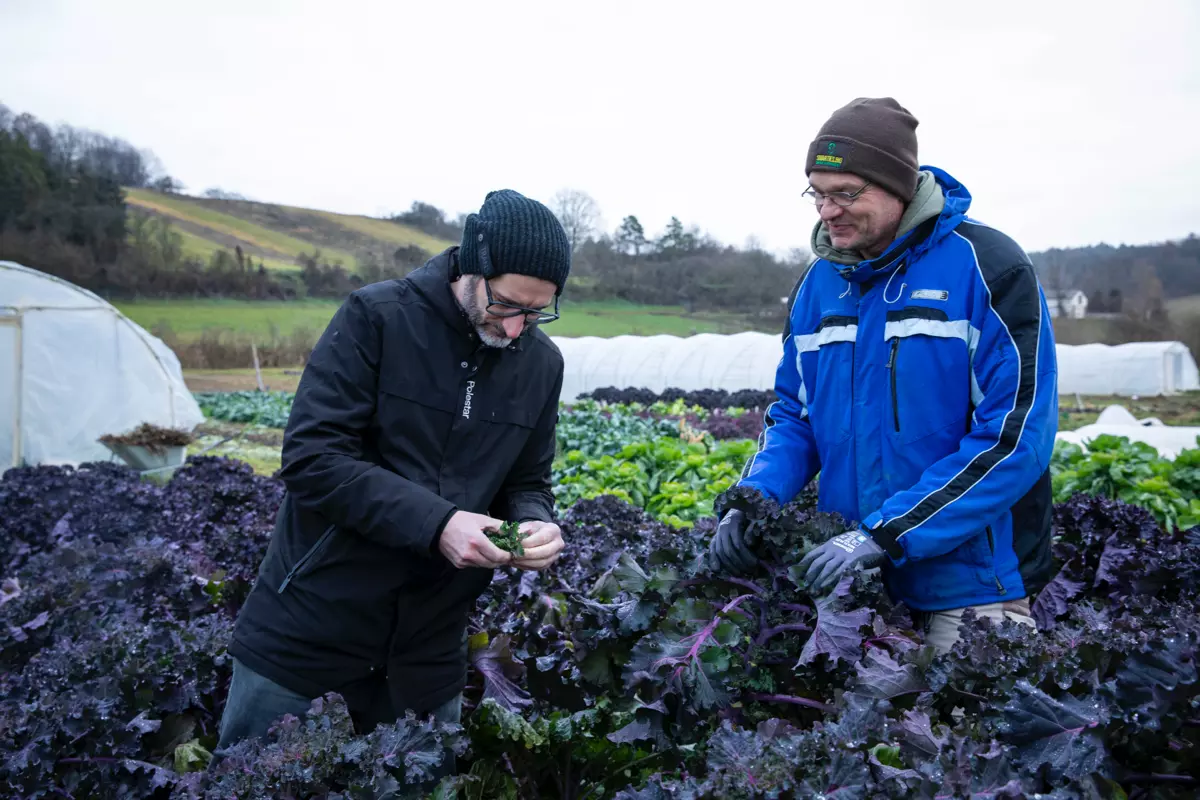
These traditionally thrive outdoors and not in stress-free greenhouses, are also harvested at the right time and often processed in a gentle manner, according to traditional methods. Moreover, important plant microbiomes are clearly lost in monocultures on stressed and over-fertilized soils, with the use of pesticides, and in some newer varieties. These are conditions that do not exist in the cultivation of mostly organic, robust old varieties.
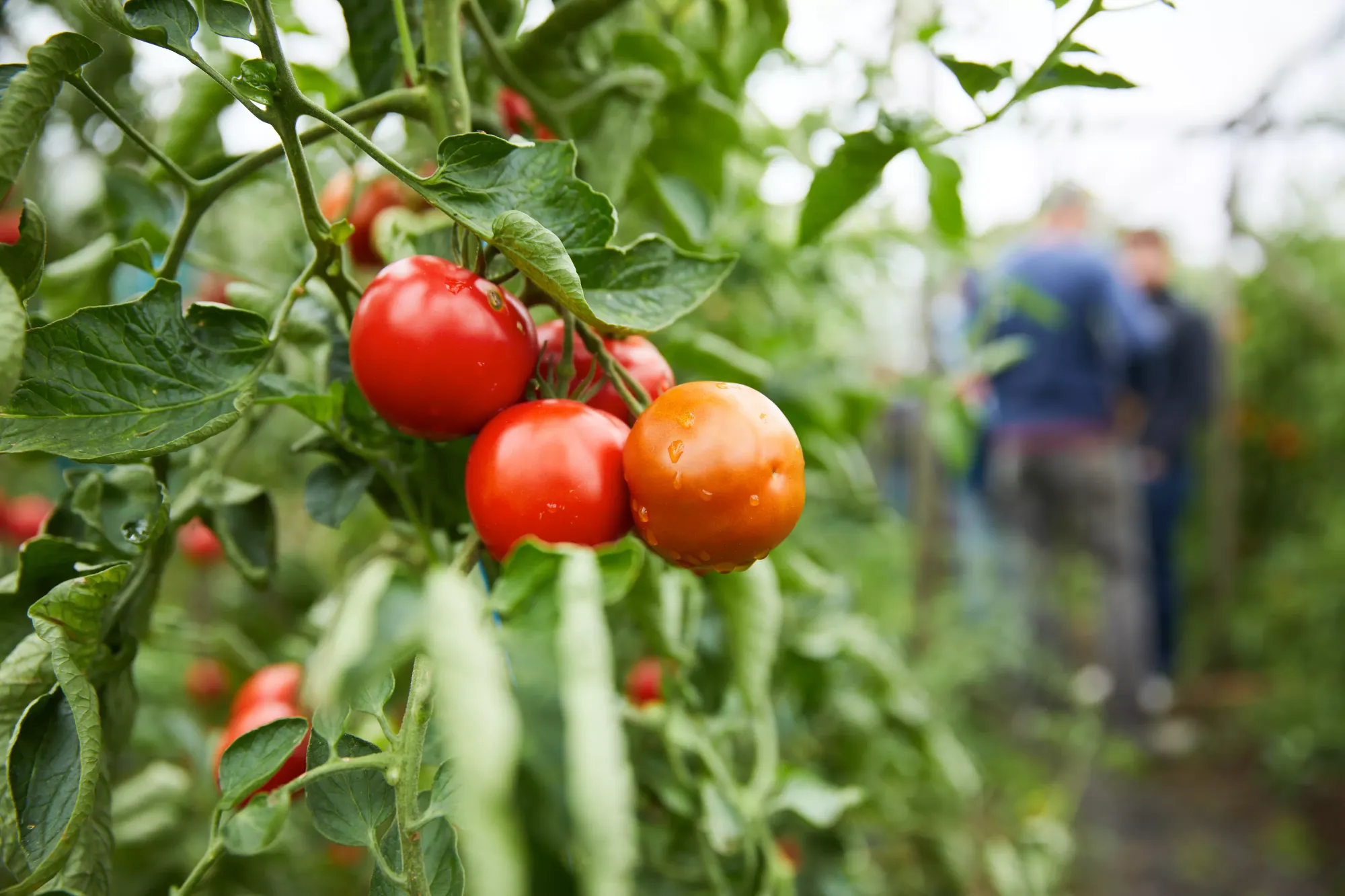
Traditional varieties don't always have health benefits in all areas. Recently, unusual tomato varieties, which differ from conventional ones in terms of shape, size, and color, have reappeared on the market. However, black or green varieties lack the red pigment lycopene, which is an important antioxidant that can improve the human gut microbiome and reduce the risk of arteriosclerosis. However, the presence of lycopene in red tomatoes does not guarantee that it will have its positive effects in the body. Researchers found that tomatoes that have been heated for a longer period at around 88 degrees Celsius have less vitamin C than raw tomatoes, but a much higher lycopene concentration. A traditional Mediterranean preparation method, in which the red fruits are cooked for a long time, allowing the healthy substance to be released from the peel, provides a delicious superfood.
Healthy apple varieties
Not all old apple varieties are resistant to diseases. However, there are some that are less susceptible to common diseases such as powdery mildew, apple scab, and black spot.
The common, market-optimized trade has long decided, listing apple varieties that not only yield high returns but also meet other modern demands such as robustness during harvest, transport, and storage, durability, and uniformity. Sharp apples like the delicate Kalville don't roll off the conveyor belt, and they are also no longer offered, as are thin-skinned varieties that quickly develop bruises or varieties that turn brown quickly after being cut. However, this unwanted property is actually an indication of the presence of health-promoting ingredients.
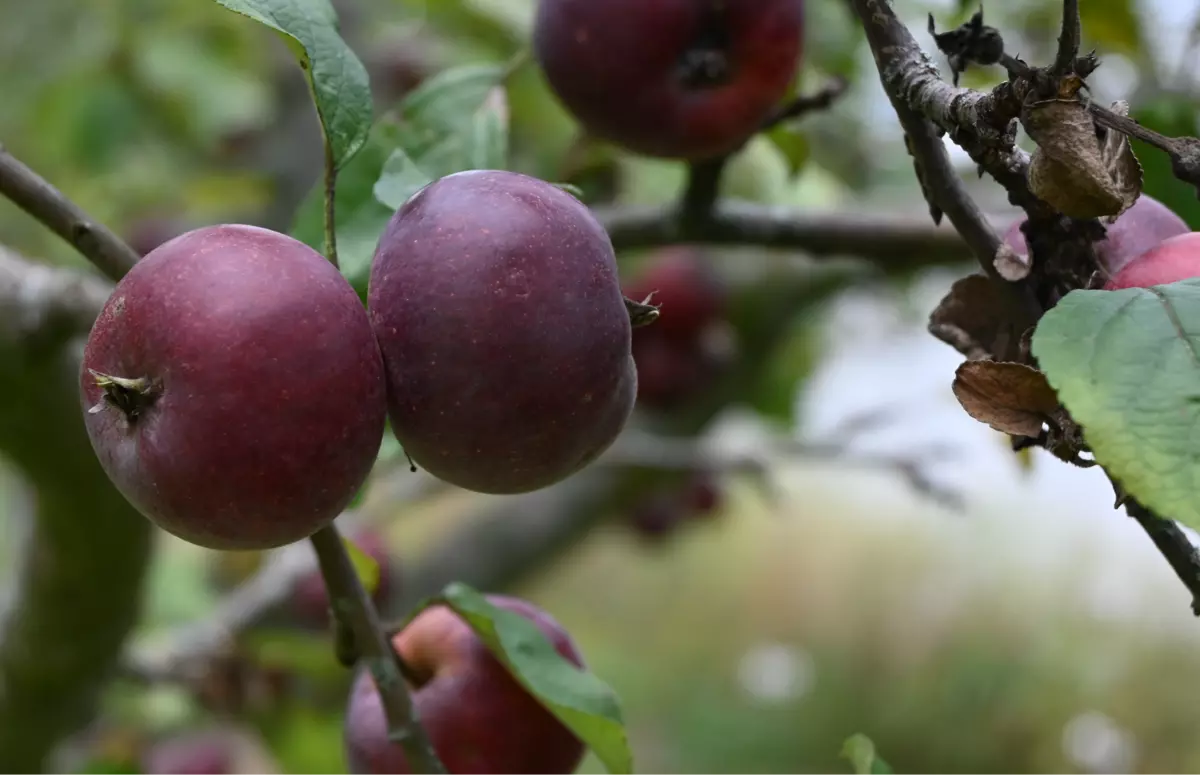
Often, older varieties contain more polyphenols and aromatic compounds than newer ones. These protect human cells from free radicals and help to lower blood pressure. However, they also make the apple more sour. Since many consumers prefer sweet apples, the fruit has increasingly been bred in this direction, which has resulted in the loss of many of its positive properties. As a general rule: if the edges of apples turn brown relatively quickly due to the polyphenols oxidizing the flesh, the health benefits are greater. For example, the old Boskoop variety contains a particularly high concentration of these healthy secondary plant compounds., which has been very popular since 1863 and is particularly suitable for apple pie and cakes. Another old variety with a high polyphenol content and also a high Vitamin C content, however, has almost completely disappeared from the ranges of retail chains and fruit shops: The Goldrenette Freiherr von Berlepsch, often simply called Berlepsch, originated in Germany in 1880 as a cross between Ananasrenette and the old, highly aromatic English variety Ribston Pepping.
Formulating a universally applicable rule based on these examples would not be credible. For example, the relatively new variety Idared, which has been commercially available since 1942, also boasts a high polyphenol content, as does the Braeburn apple from New Zealand, which was first cultivated on a larger scale in 1990 and has an above-average Vitamin C content.
Generalizations are therefore not valid, but it is possible to formulate tendential statements. Older apple varieties often have a higher proportion of secondary plant constituents. And many are more compatible with allergy sufferers and cause fewer cross-reactions. Since an apple allergy is not always an allergy to all apples, but only to certain varieties, it is advisable to, as a precaution, choose the varieties mentioned, such as Berlepsch or Boskoop, or other older varieties such as Finkenwerder Herbstprinz, Gravensteiner or Kaiser Wilhelm, which can usually only be found at farmers' markets, village shops or in health food stores. However, these are usually untreated and not, unlike some supermarket varieties with a higher allergy risk, affected. However, it is important to note that not only the variety influences the allergenic potential. The flavor of an apple depends not only on the variety, but also on other factors such as cultivation, freshness, storage, and preparation.
Easily digestible beer made from raw grain
They are considered particularly sustainable and flavorful. Older grain varieties such as Einkorn, Emmer, or Dinkel have seen increasing popularity in recent years. Emmer, in particular, is resistant to diseases like yellow rust. This is because it is a grain with a protective husk around its kernel – known as the spelze. This husk helps to store and regulate the moisture of the seed.
protects against diseases. Due to their robustness, these heirloom varieties are particularly well-suited for organic farming, where the use of chemical pesticides is prohibited.
But are the older varieties also healthier? At least, Maximilian Krieger can attest to their better tolerance. As the managing director of the Riedenburger Bio-Brauerei, which began brewing with them in the late 1990s, he reports that years ago, he switched to a newer variety. Immediately, customers reported that they could no longer tolerate the beer. After switching back to the older variety, the intolerances disappeared.
"We have found that wild grains are more digestible than conventional grains – especially the older, non-hybrid varieties.".“
Managing Director Maximilian Krieger, Riedenburger Brauhaus

Information on this topic can be found, among other places, at:
https://www.slowfood.de/was-wir-tun/projekte-aktionen-und-kampagnen/arche-des-geschmacks