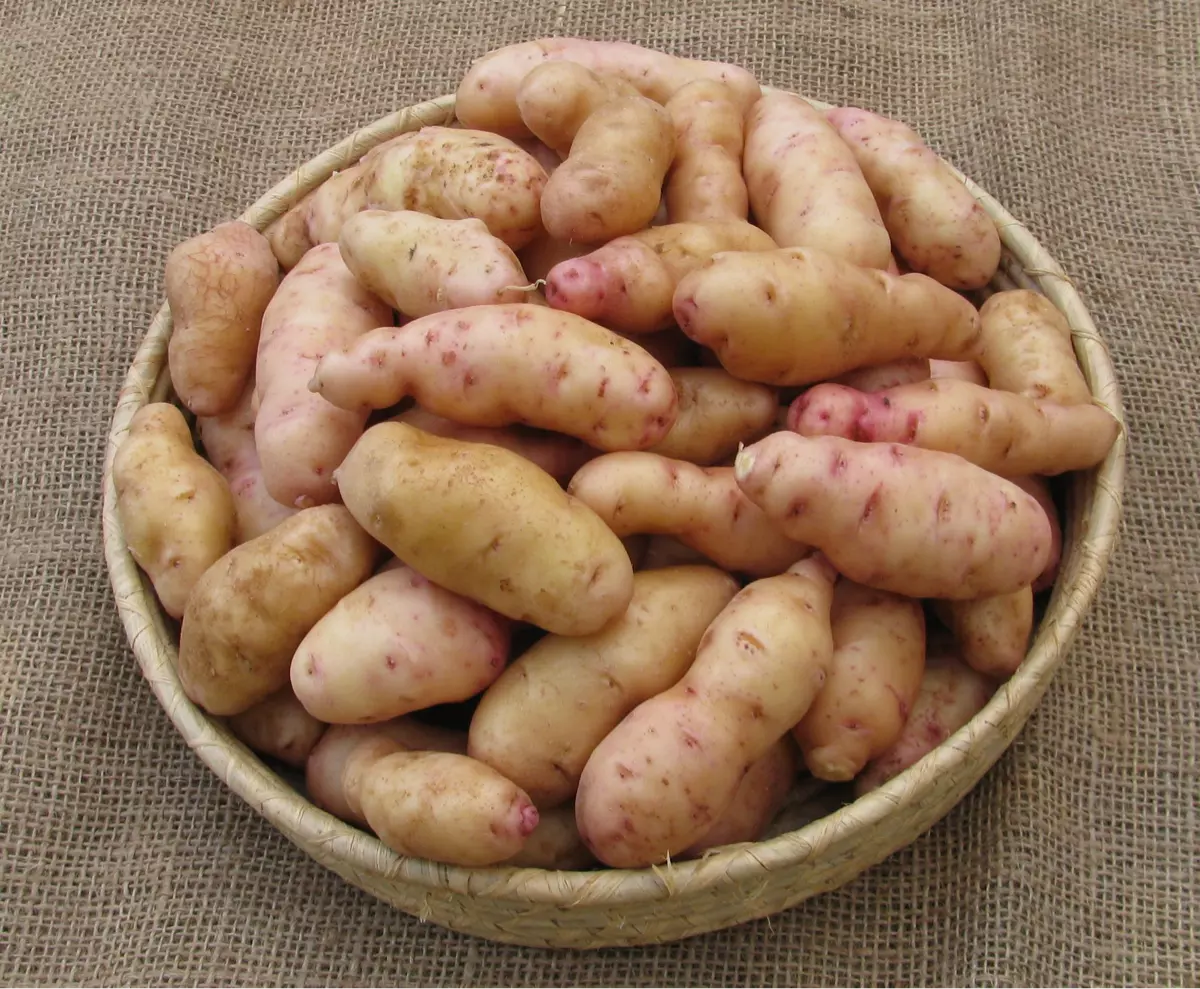
Some vegetable varieties have fallen out of favor not because of changing consumer preferences or even due to their moderate taste properties, but because their cultivation and harvesting require a significant amount of effort. An example of this is the highly valued, firm-cooking potato variety "Bamberger Hörnla", which we have already dedicated a separate article to. Its harvest is not possible by machine due to its thin, elongated and often also curved shape, and therefore requires a lot of manual labor.
Long tradition of growing "Bischofskraut"
Similarly, a vegetable from Upper Bavaria, the Ismaninger Kraut, a white cabbage variety with a centuries-long cultivation tradition in the eponymous village in the north-east of Munich, is also noteworthy. As early as 1500, the Ismaninger supplied the Bishop of Freising with vitamin-rich cabbage. It was mentioned in writing in 1509 that the church official gave the Ismaninger farmers the communal land. In return, they had to supply 2500 heads of cabbage to Philipp of Freising annually, which is why the name "Bischofskraut" also came about.
"This cabbage comes from Ismaning"
A historical saying
Over time, through selection, a local variety emerged, the "Ismaninger". In 1898, local farmers founded the "First Bavarian Vegetable Cooperative GmbH" and won a gold medal for their product at the Paris World Exhibition two years later.
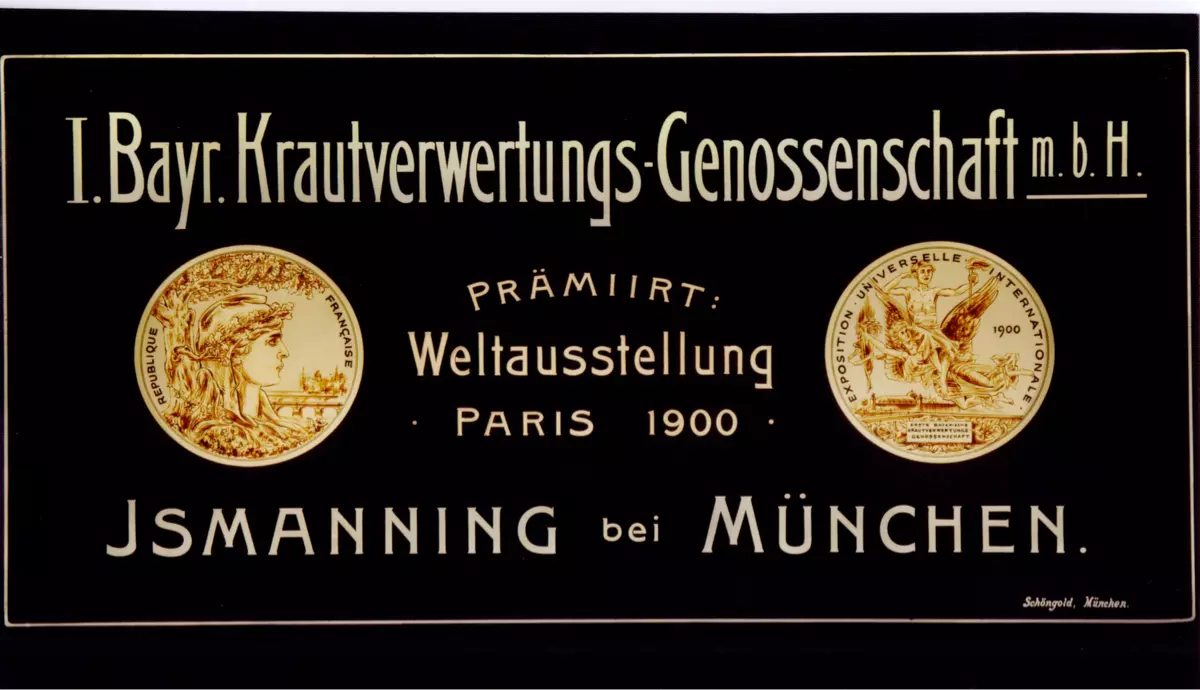
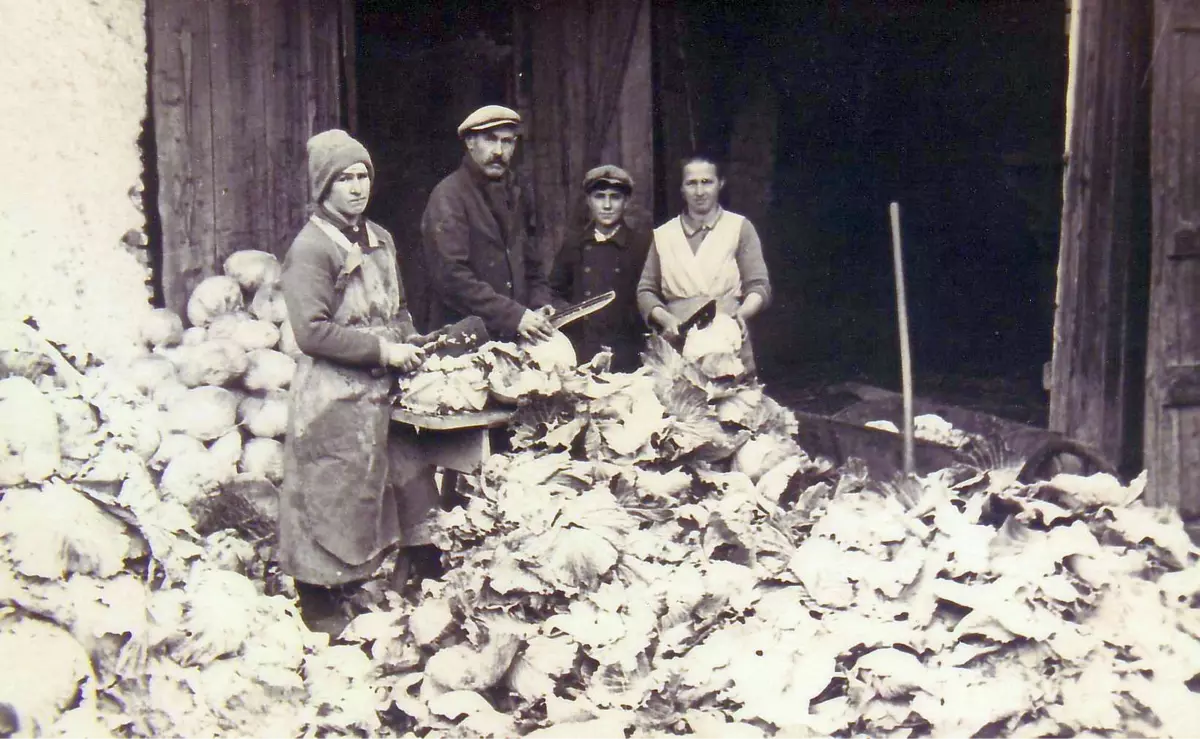
In 1938, a second sauerkraut factory was even opened, which was finally closed in 1984. Even though both businesses no longer exist today, the cultivation tradition continues in the region, mainly due to the ideal soil conditions, albeit in a very small scale.
Special soil conditions
Large areas of the Ismaninger area belong to the Erdinger Moos. They were initially used as pasture land before, in the early 19th century, the areas were started to be drained. In 1850, the commercial extraction of peat finally began. One could therefore assume that the soil on which the Ismaninger cabbage thrives and grows to its impressive size consists of peat-rich soil. But far from it, because the areas suitable for growing kale, which are ideal for growing kale, consist of an entirely different soil, namely an alpine soil that formed after the last ice age in the Ismaning area. Its name comes from the Latin term "terra alba" (white earth) and has nothing to do with alpine farming. It is derived from the groundwater, which, on its long journey from the south, takes up acidic lime through the limestone, and then releases it to the surface, where the lime becomes insoluble upon contact with air and precipitates in its pure form.
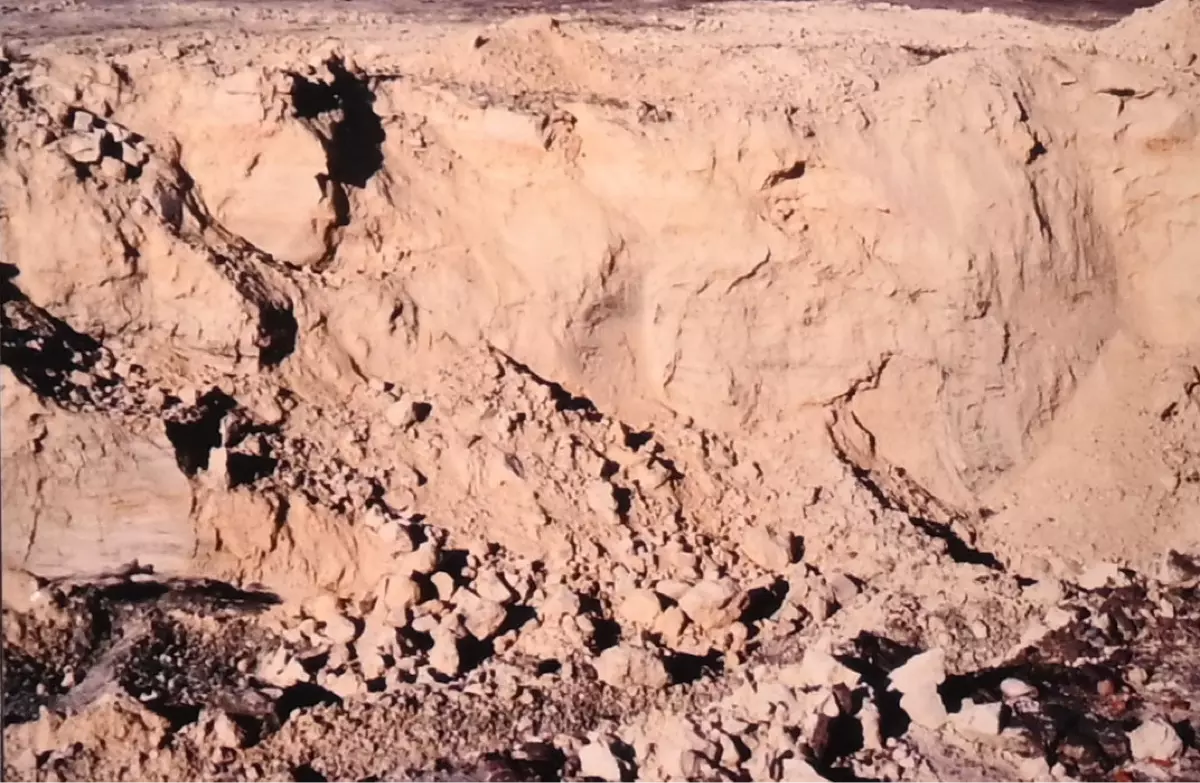
The alpine layers can reach several meters in thickness. With its high lime and moisture content and its porous structure, the alpine soil is the ideal basis for growing kale. The areas on the eastern edge of the village are therefore also called "Kale Gardens". The special geological conditions are therefore the reason why the Ismaning area has developed into one of the most important growing areas of national importance, but also why the enormous "Ark Passenger" could only thrive there under suitable conditions for cultivation.
Advantages of the rare specialty
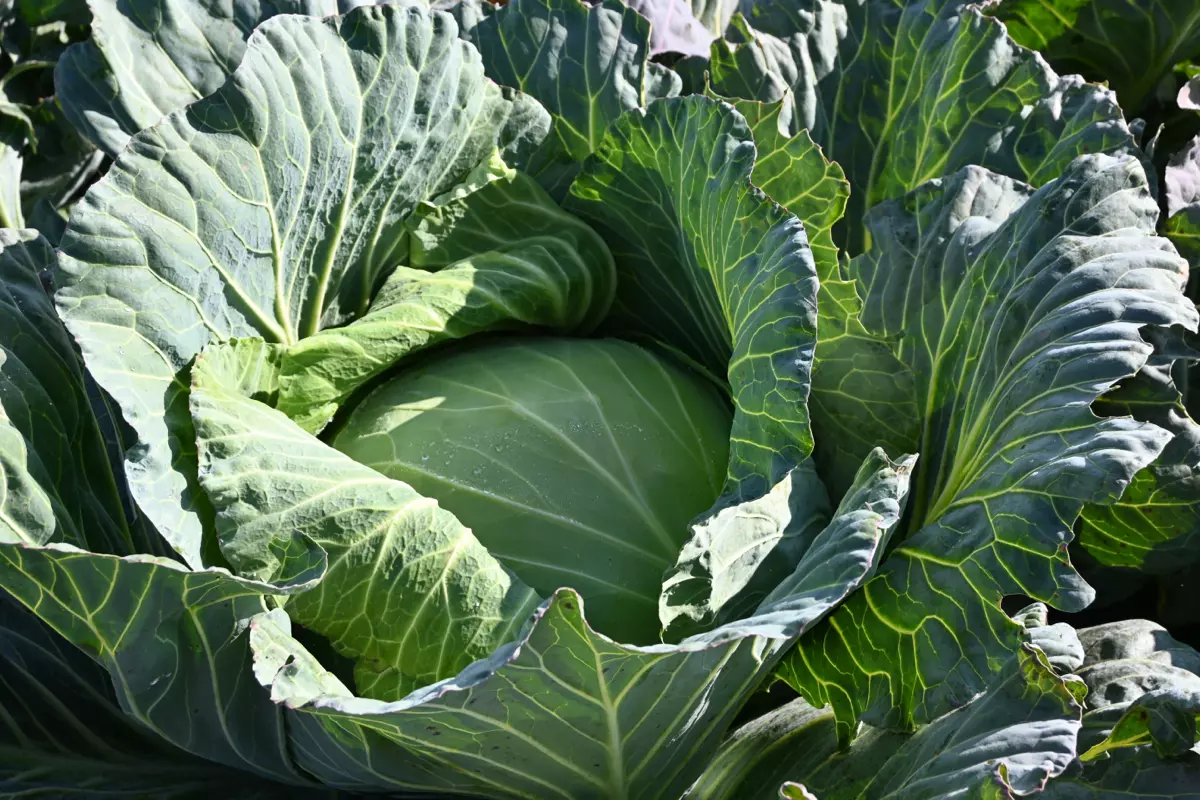
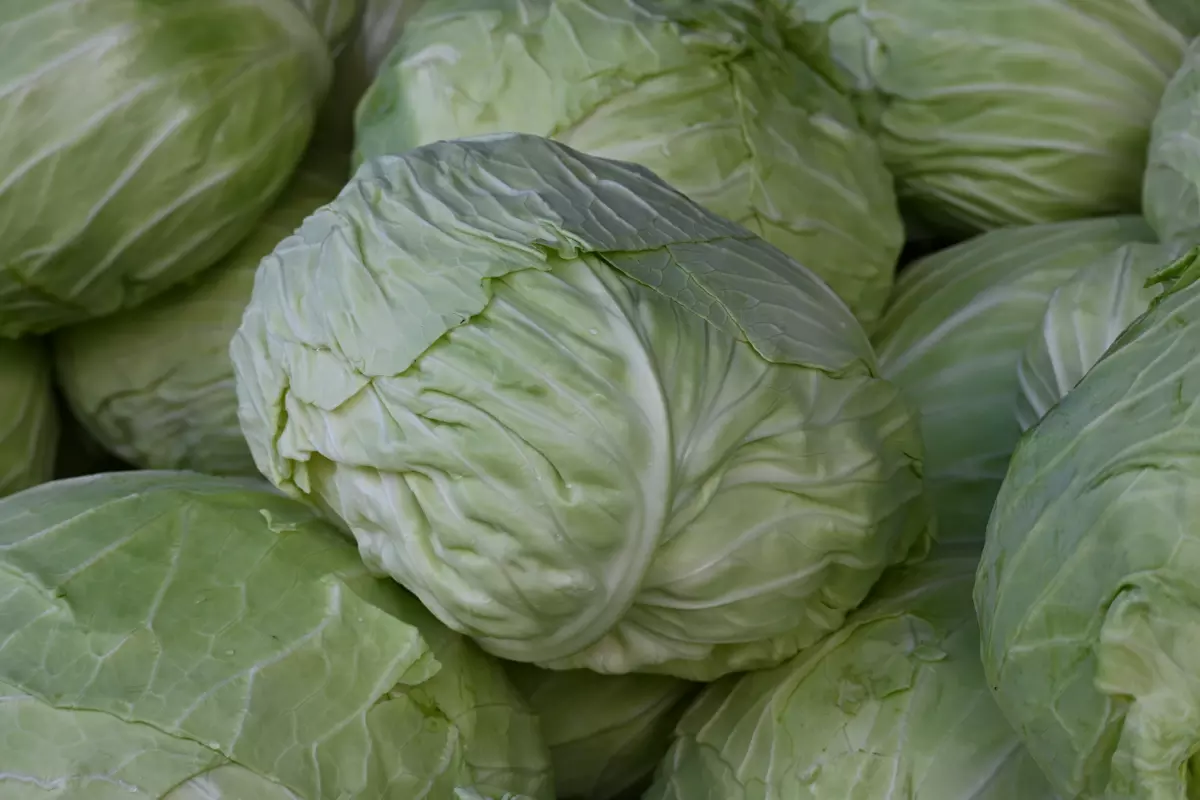
The Ismaninger differs from the common white cabbage varieties due to its sheer size and the weight of its heads, which can reach up to twelve kilograms. It has a flat, round shape, a long stem and a loose head.
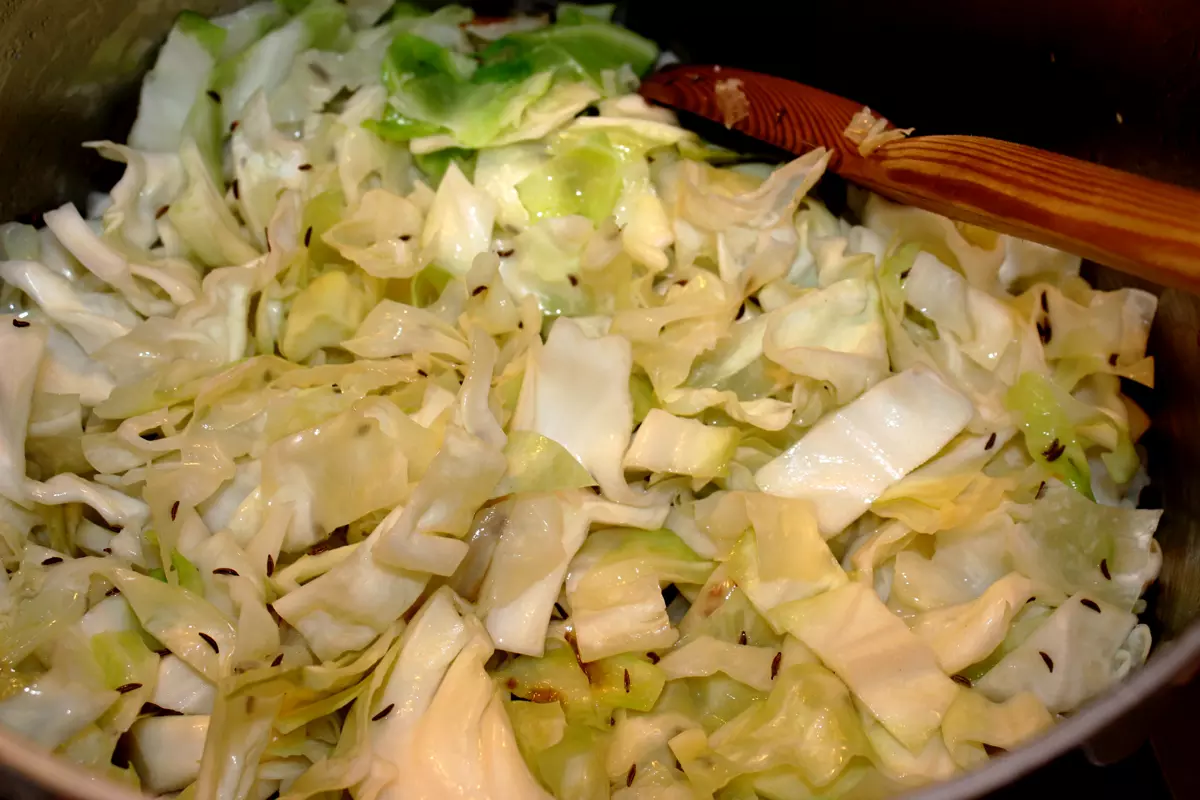
It is valued for its mild, sweet, soft and comparatively intense taste. It is ideal for sauerkraut, cabbage salad, kale rolls (cabbage rolls) and "Bavarian Kale", the perfect accompaniment to roast pork.
Reasons for the decline
Despite its good taste properties, the Ismaninger cabbage has become a rare variety. One of the reasons is that sauerkraut, as a source of vitamins, has lost its importance, especially in winter, has long been a staple in many households. In the past, it was still present in barrels in many households almost daily on the menu.
Another significant cause is the labor-intensive cultivation. The different ripening times of the plants require a constant check over a period from mid-October to mid-November. The size of the heads also means that machine harvesting is not possible.
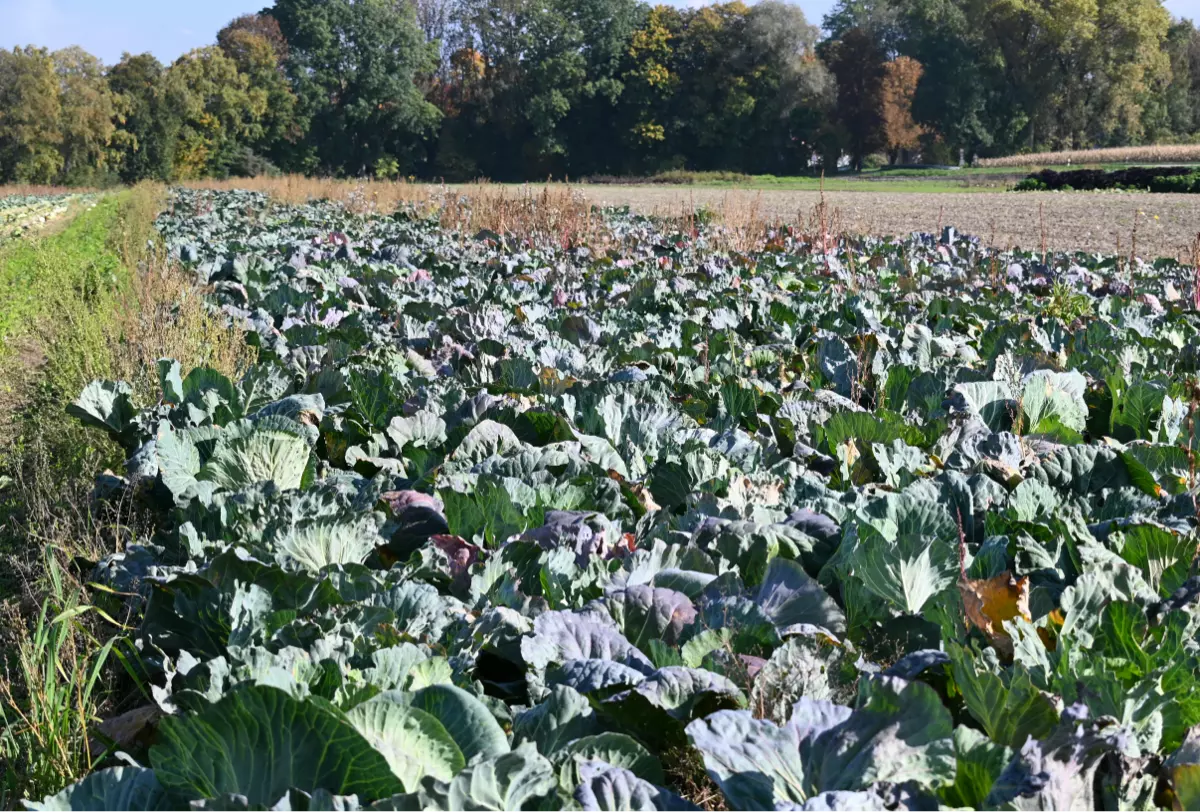
As a "heavy eater", the Ismaninger cabbage is picky about the type of fertilizer. Ideal is cow manure on straw, which is now rare in modern livestock farming.
Rewarding: a visit to the Ismaninger Schlossmuseum
Anyone interested in the Ismaninger cabbage and its historical significance for the growing region should visit the Ismaninger Schlossmuseum.
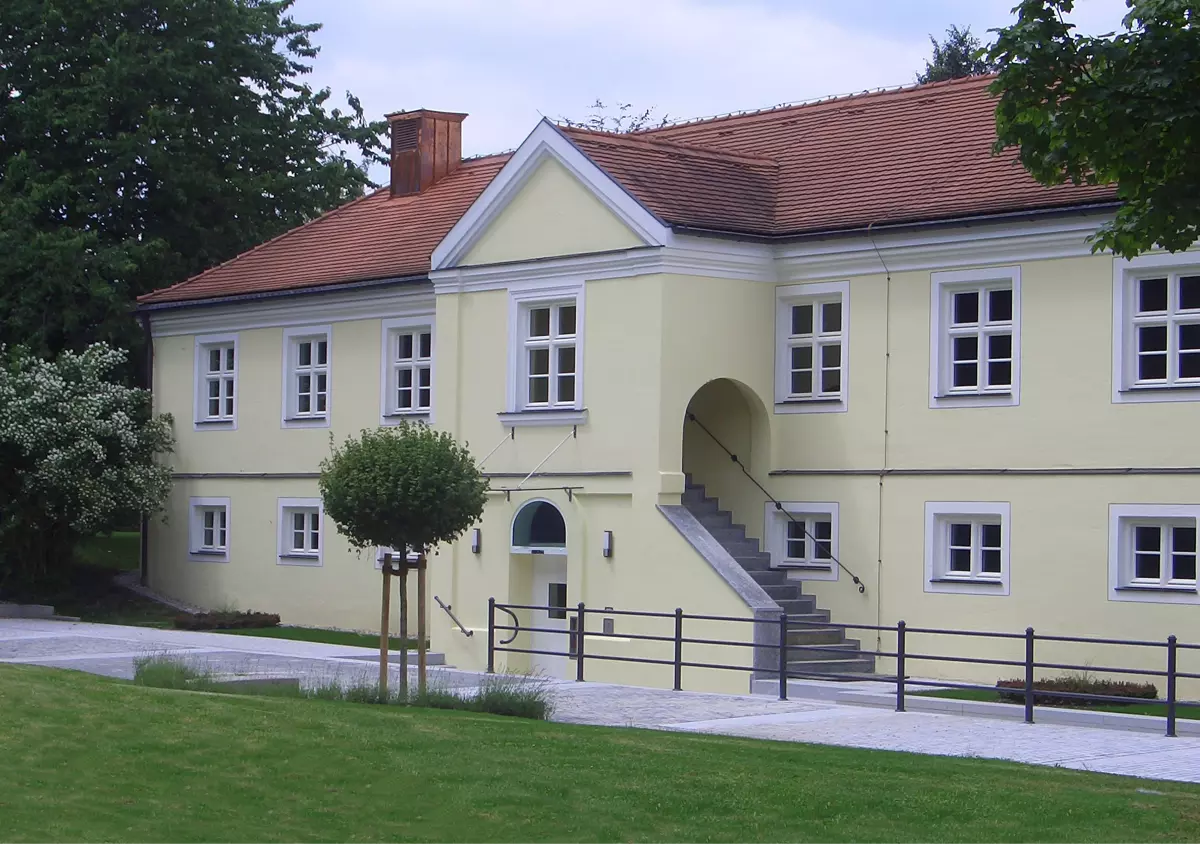
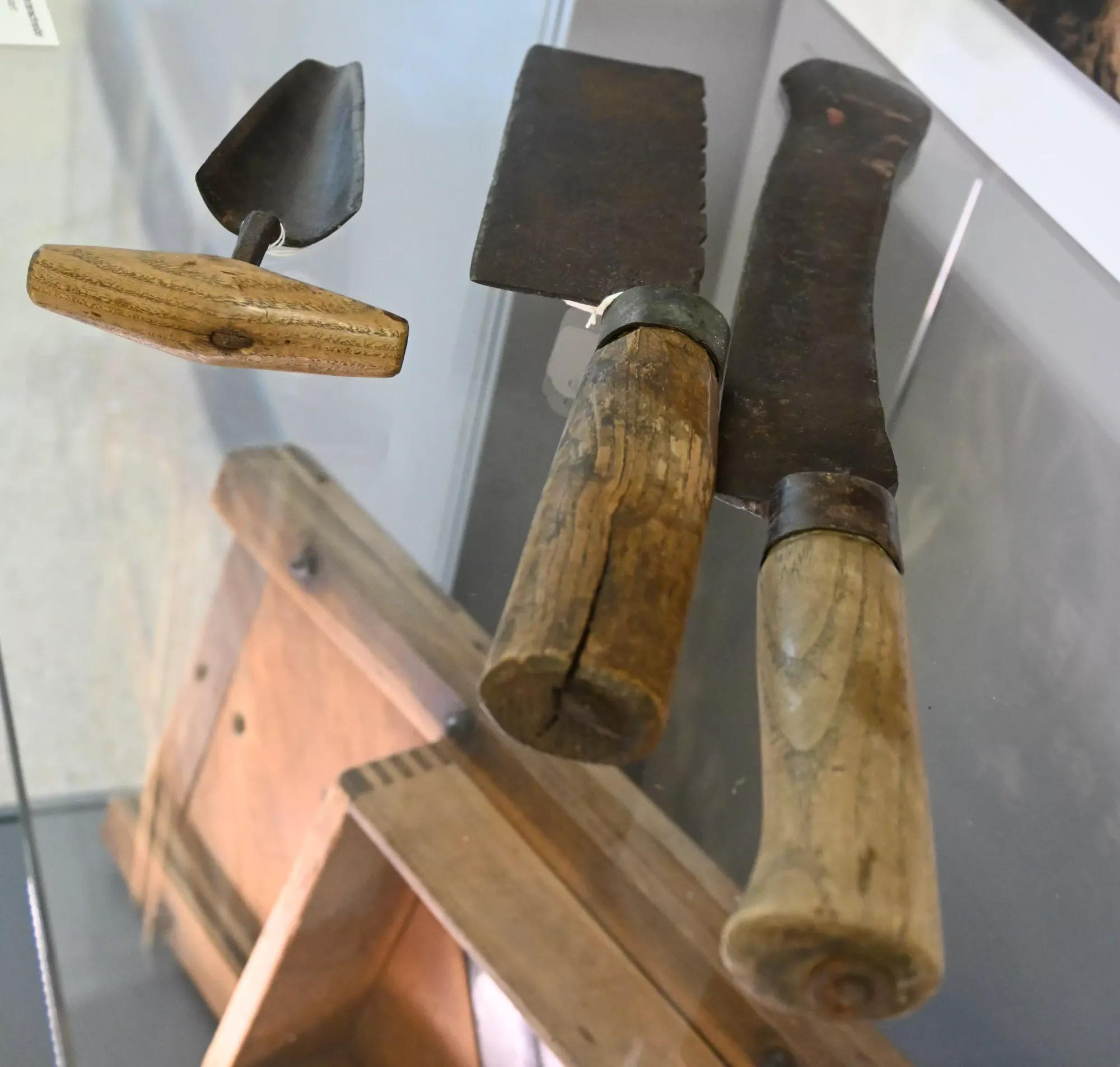
While four scenes mainly show parts of the castle interior and clothing from 1816, when the stepson of Napoleon, Eugène de Beauharnais, and his wife, Auguste Amalie, daughter of the Bavarian King Max I. Joseph, took over the castle estate, visitors can also learn a lot about the geological conditions of the region, peat extraction, the sawmill in the Seidl mill or a former paper factory. And with tools, they can gain insights into the important economic sector of kale cultivation.
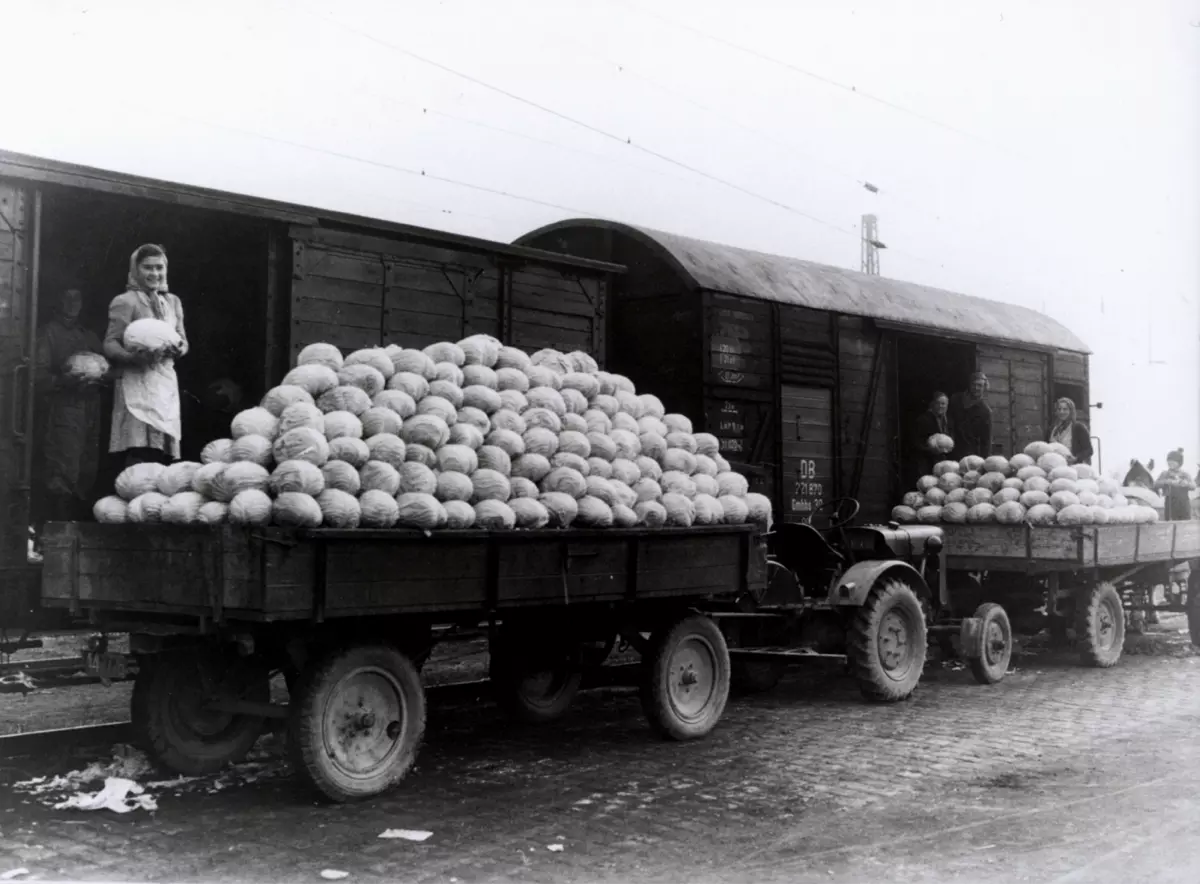
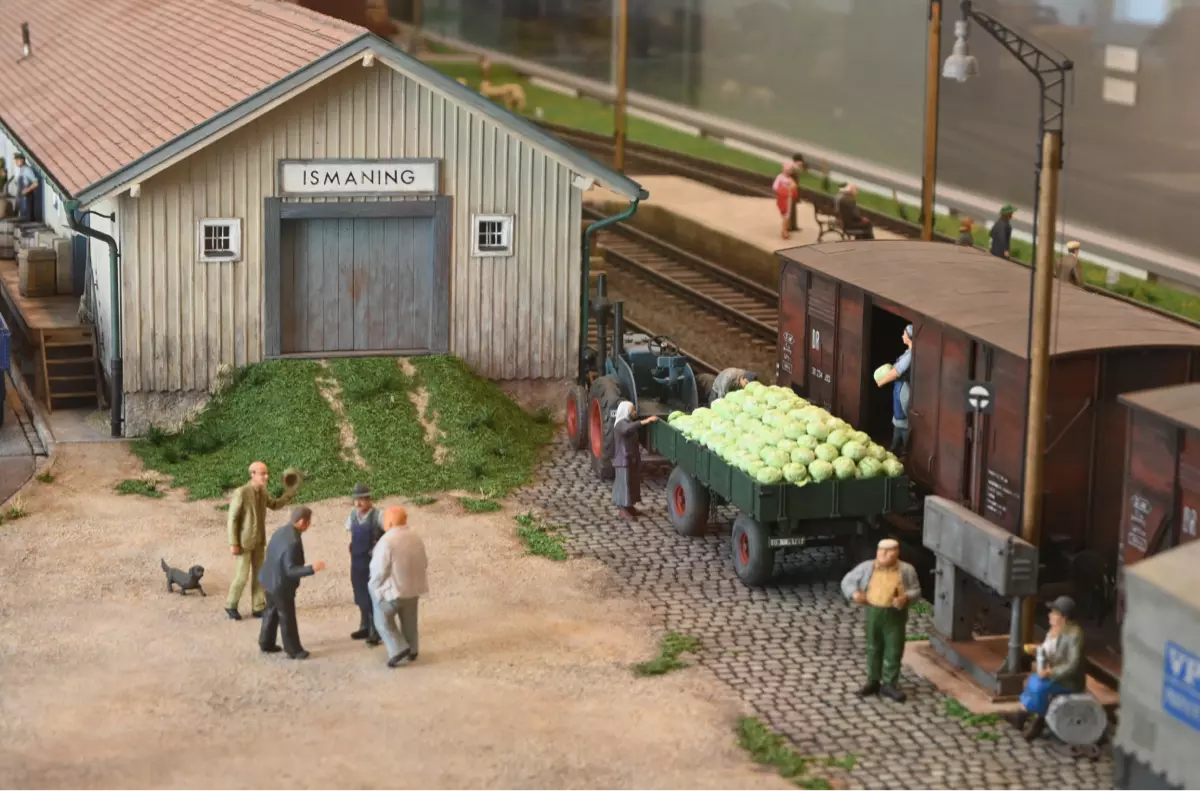
In the upper floor of the museum is a special attraction in the form of a model of the old Ismaninger train station, which had to make way for a new S-Bahn station in 1990. This impressive and original replica was created by the Ismaninger model builder Friedrich Braun over a period of 10 years and shows scenes from the former "peat railway" as well as a loading situation of cabbage heads.
At Kraus's farm
Only a few – as far as we know, three – Ismaninger farmers still grow this regional specialty, which was recognized by Slow Food Germany in 2017 as an "Ark of Taste". The original Ismaninger cabbage is then sold from the farm between the beginning of October and Christmas, and is then also available as sauerkraut there.
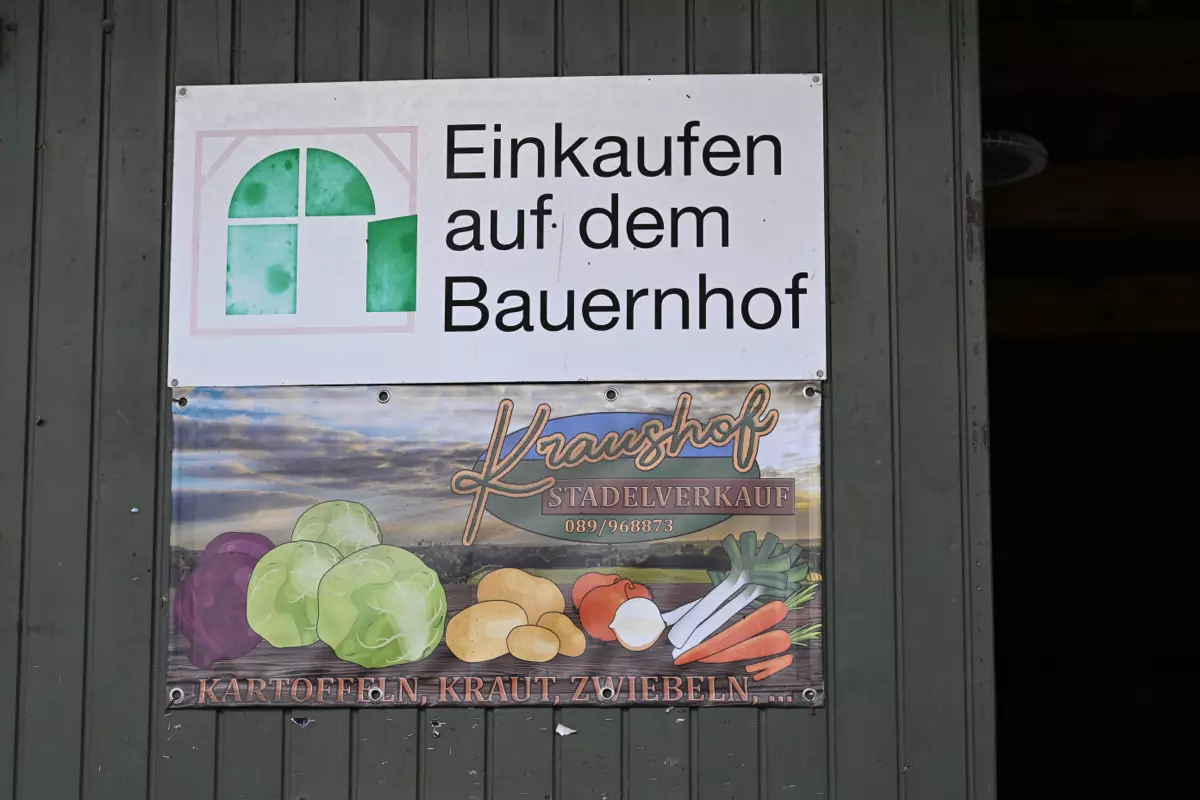
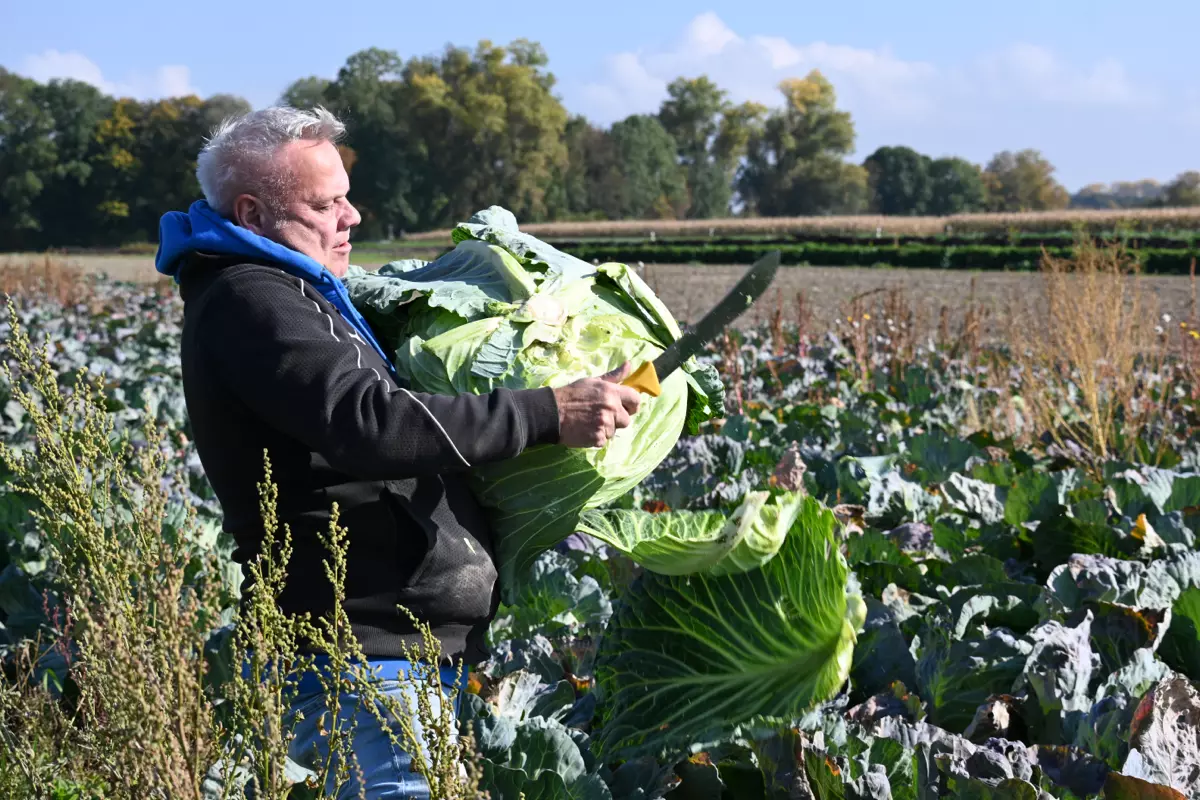
Max Kraus Jr., farmer and second mayor of the municipality, kindly invited us in mid-October to visit so that we could see the growing conditions on the cabbage fields for ourselves. We learned that, unlike in previous times, the cabbage heads are now "cleaned" directly on the fields when harvested, i.e. the outer leaves are removed and not only processed on the farm.
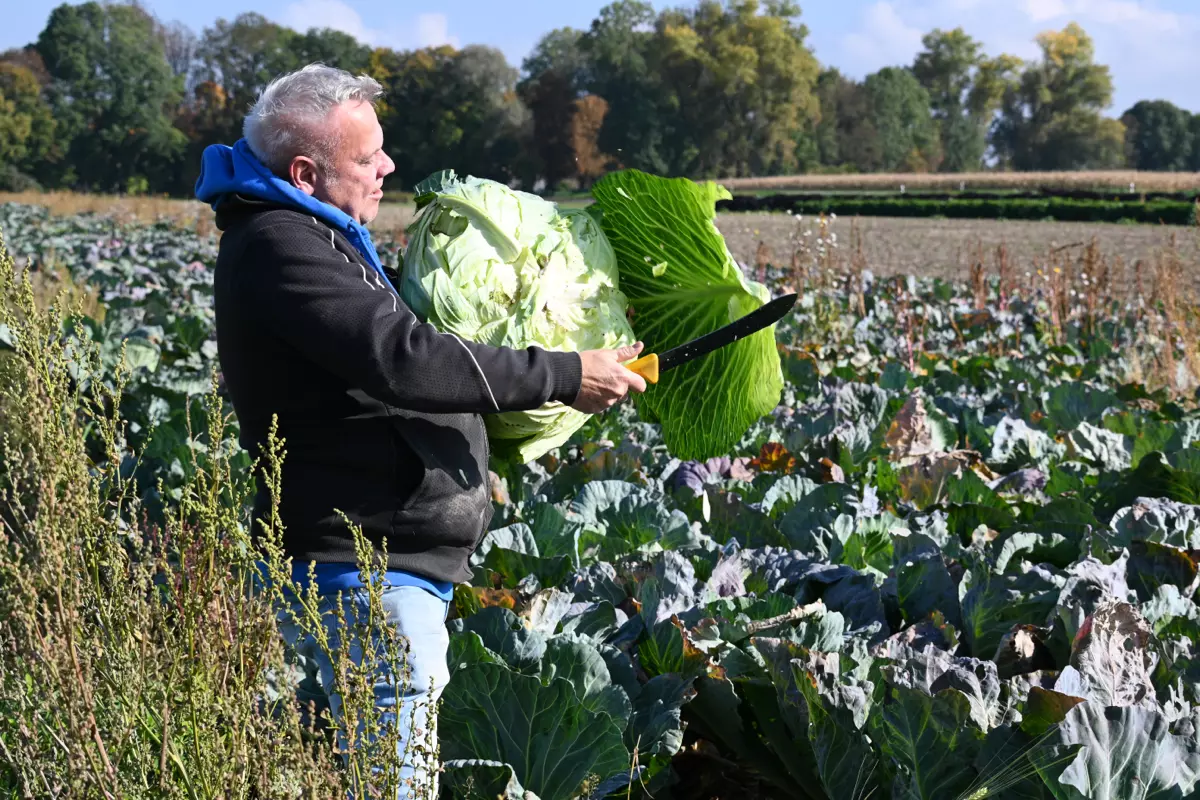
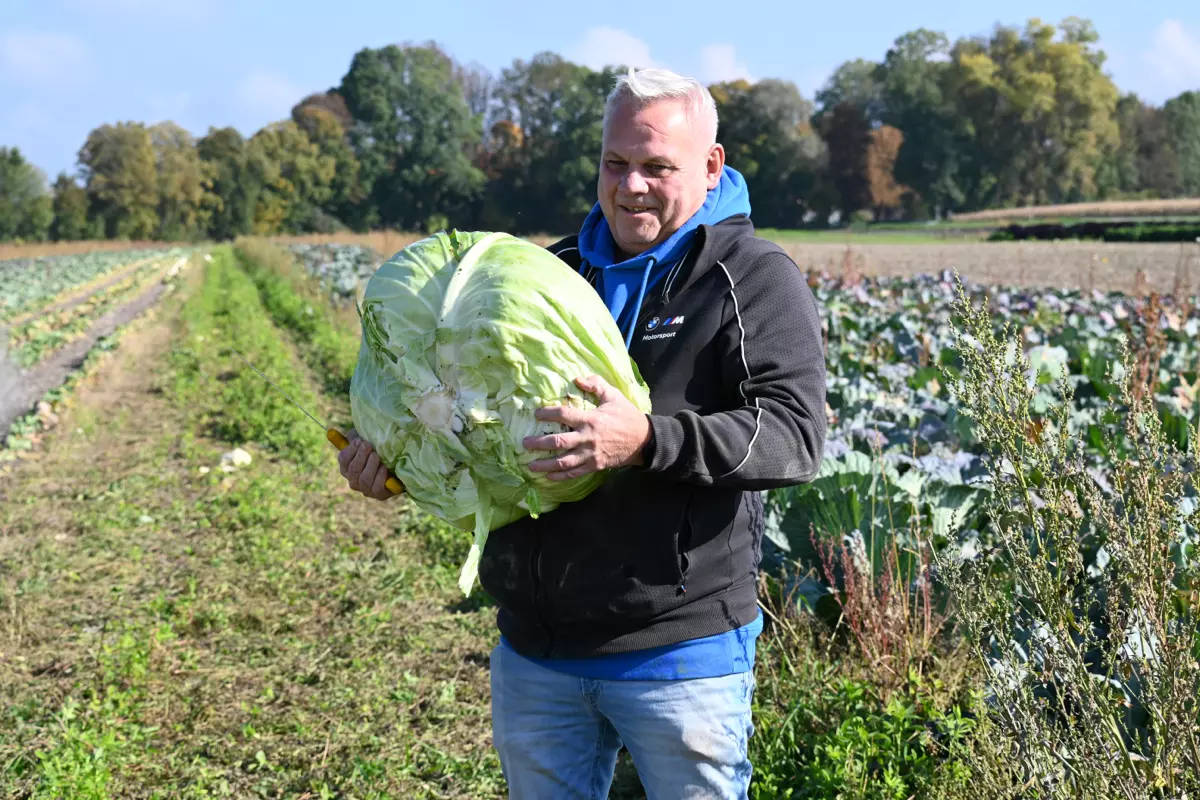
When asked whether there were still enough enthusiasts and customers for the "Ismaninger" that would at least make the enormous effort worthwhile, Max Kraus pointed out that there were still loyal customers who travel from far away to secure this specialty. Especially people from Southern and Southeast Europe often buy considerable quantities of the giant cabbage. Some even pass on their passion for the "Ark Passenger" to several generations.
The visit to the Kraus family's farm was also a special experience for us because Max Kraus Senior finally provided us with further interesting information – about pre-growing the kale plants in the garden and recognizing the correct stage of ripeness.
We finally took the freshly harvested specimen with us, which can be seen in the pictures from the field, so that we could get a firsthand impression of the suitability of the Ismaninger cabbage for the kitchen. And we can all confirm the properties attributed to it.
Incidentally, it also required considerable effort in the kitchen to process the 11.3 kg (!) head, which was still clean. As a reward, the giant cabbage rewarded us with its exquisite, mild and slightly sweet taste.
Hopefully, the efforts of the Slow Food Convivium Munich to inspire more people for this fine vegetable will bear fruit. Only then will the laborious cultivation of the Ismaninger cabbage be worthwhile for committed farmers like Max Kraus in the future.