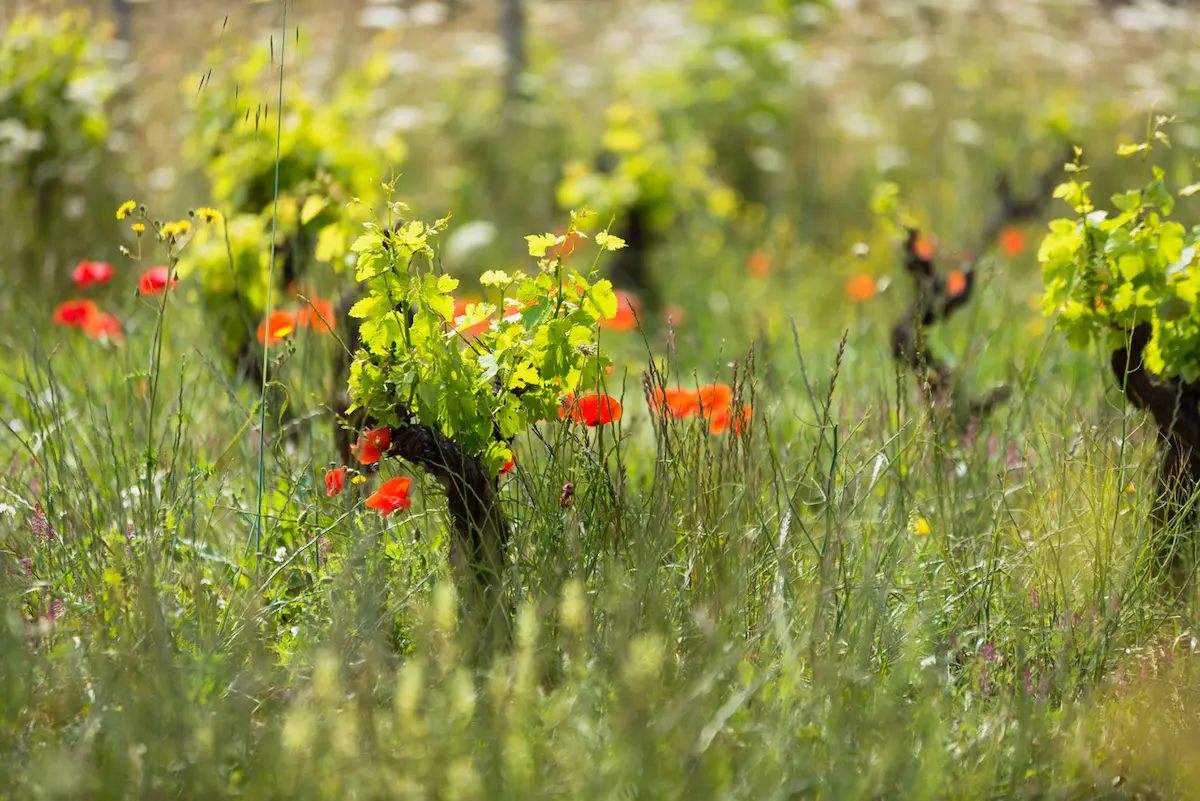
Grapevines are the most frequently sprayed crop due to fungal diseases caused by *Echter Mehltau* and *Falscher Mehltau*. This is particularly true in conventional viticulture, as continuous topsoil fertilization prevents vines from needing to "compete" to effectively root and access nutrients, and therefore also prevents them from benefiting from symbiotic mycorrhizal fungi. As a result of this weakening, they become less resistant to disease. Since the 1950s, herbicides, pesticides, and fungicides have become increasingly common in viticulture. In contrast, organic farms rely on root fungi and a diverse soil ecosystem to enhance resilience against harmful fungi.
Drought and heavy rainfall as increasing challenges
Nevertheless, organic winegrowers sometimes have to resort to permitted fungicides, namely sulphur and the so-called Bordeaux mixture. This is a mixture of lime and an aqueous copper sulphate solution. The amounts they are allowed to use vary depending on the different regulations of the individual organic farming organisations. As a result of increasingly frequent heavy rainfall events in northern regions and ongoing drought in the south, plants are increasingly weakened, making them more susceptible to pest and disease infestations.
Assistance through new breeding
To prevent increasingly large crop losses and the increased use of pesticides in vineyards, it is essential to develop and test new, more resistant grape varieties when adapting to climate change. And this is done not through genetic engineering, but through crossbreeding wild vines with well-tasting, European varieties. These new, fungus-resistant vines are called PIWI varieties. These vines are the perfect alternative to the well-known, but disease-prone European varieties, because they only need to be sprayed rarely, which leads to a reduction of 50 to 80% in pesticide use. This also significantly reduces energy consumption and CO₂ emissions compared to the care of standard vines.
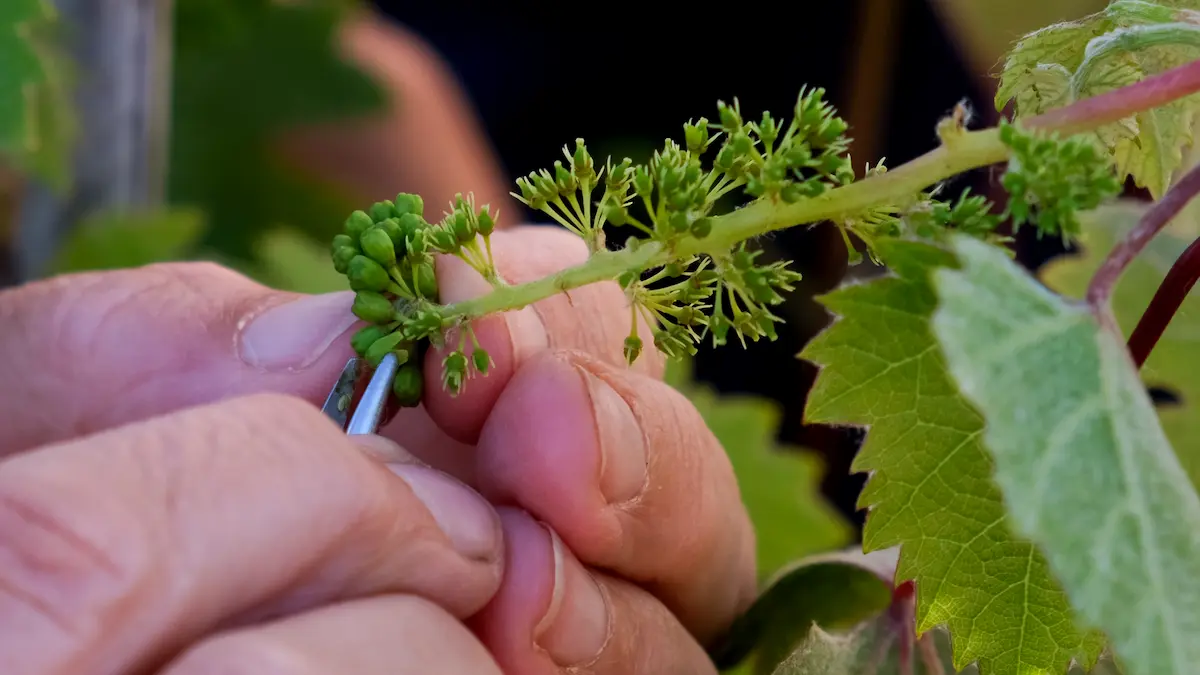
Increasing quality and acceptance of PIWI wines
Which of the new varieties will ultimately prove successful in different location conditions will only be revealed in time. Currently, only about four percent of the cultivated vineyard areas in Germany are equipped with PIWI varieties. However, the trend is clearly upward, as many wine lovers want to explore a greater variety and are increasingly looking for wines with distinctive characteristics. These new varieties, with their expanded gene pool, offer this possibility. In terms of quality, the new varieties are increasingly convincing, as evidenced by the high ratings from expert juries. Winemakers have been able to gain more and more experience with these relatively young varieties in the cellar in recent years, which has also continuously improved the quality of PIWI wines.
However, an economically sustainable solution through the crossing of naturally immune, wild grape varieties with successful classic varieties only arises if, in addition to experts, consumers also appreciate the new creations. These varieties have names such as Cabernet Jura, Cabernet Blanc, Cabertin, Cabernet Cortis, Pinotin, Muscaris, Souvignier gris, or Sauvignac.
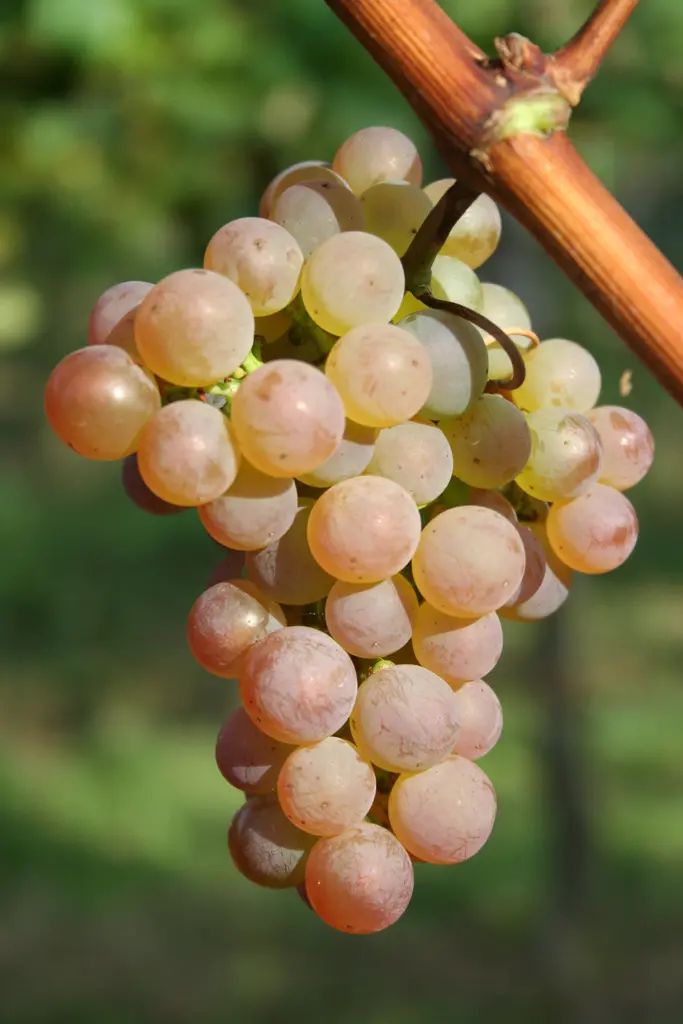
The organic wine merchant Delinat as a pioneer in the development of PIWI wine.
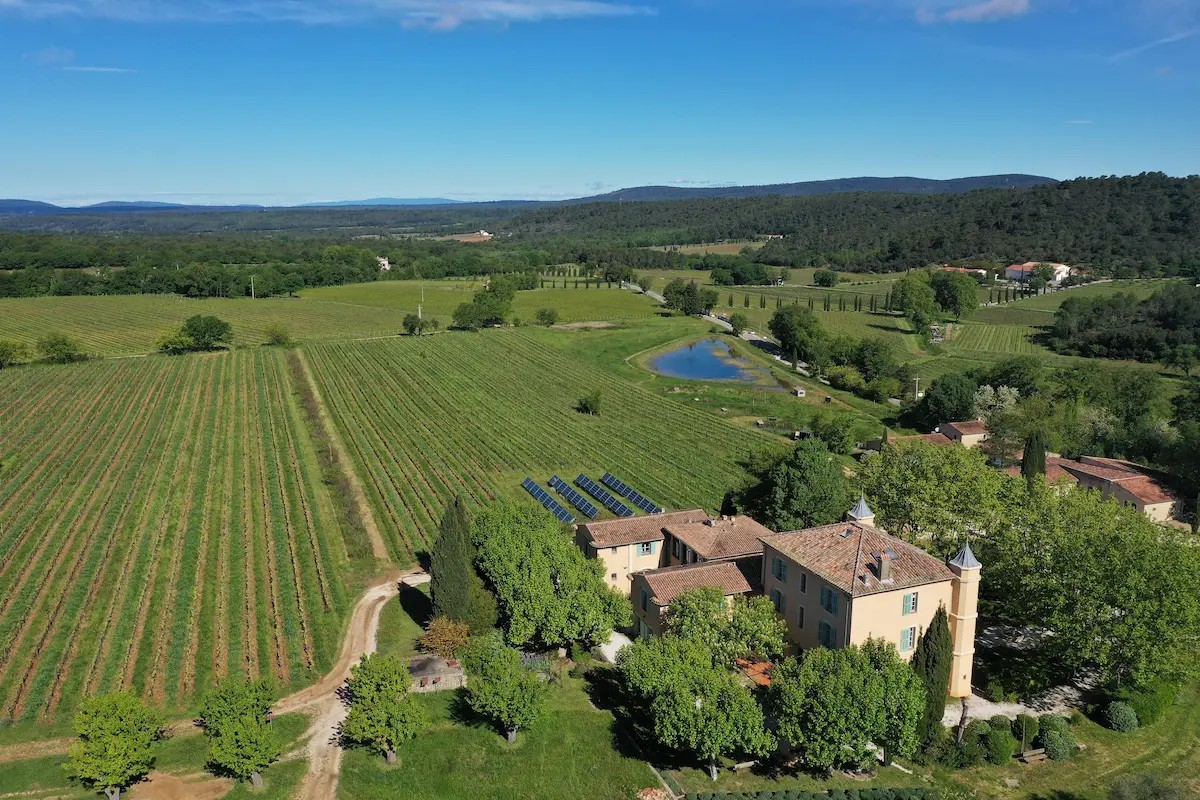
The Swiss organic wine merchant, Delinat, whose partner winemakers must adhere to the strictest organic standards in the market, has long been committed to the breeding of grape varieties and, in collaboration with the renowned grape and PIWI breeding expert Valentin Blattner, has taken a pioneering role. As early as the 1990s, Château Duvivier, the company-owned estate of the Swiss organic wine merchant, was the first in France to receive a special permit. Since then, large-scale experiments with new varieties have been conducted here.
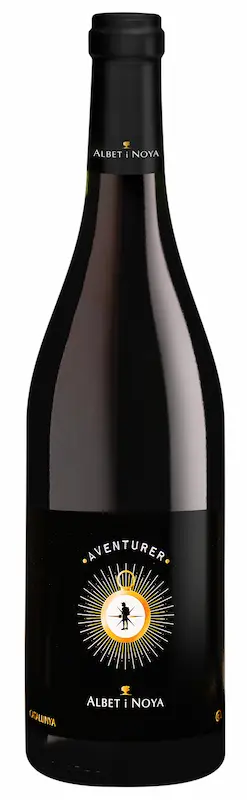
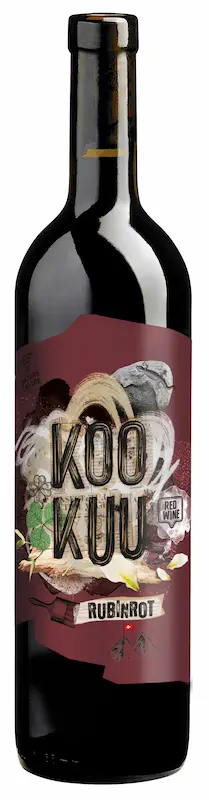
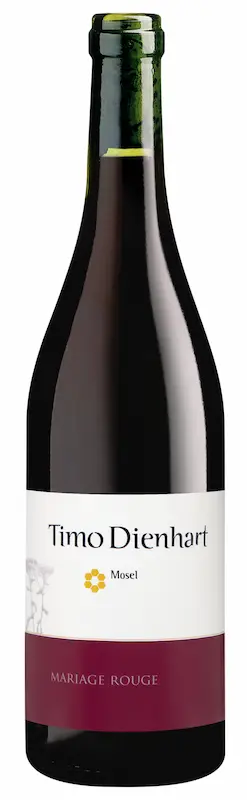
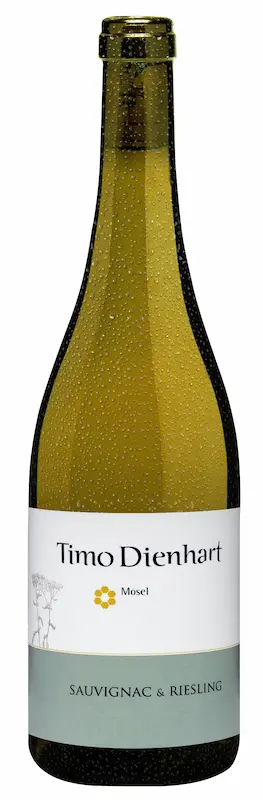
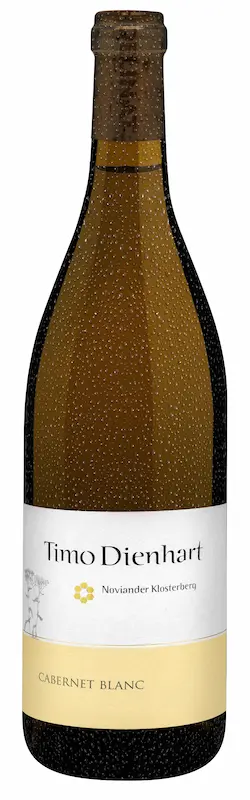
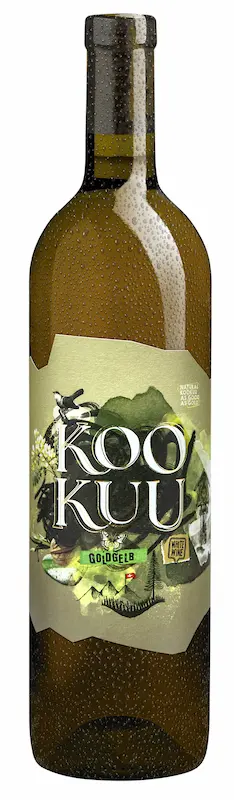
Thanks to the successful collaboration with Valentin Blattner and a new strategic partnership with Mercier, a French research and development center for viticulture, research can be significantly intensified and new projects at Château Duvivier can be carried out more broadly and comprehensively.
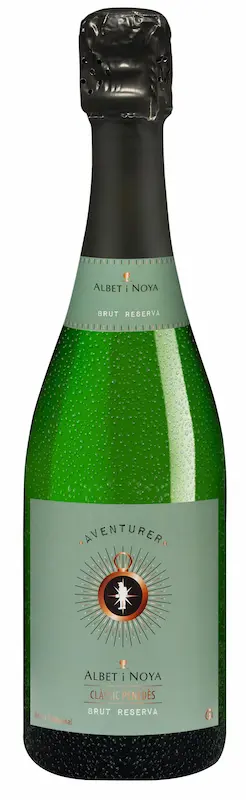
The goal is to promote innovative varieties among winemakers and make them known to consumers. The actual breeding takes place with Valentin Blattner at the Delinat partner farm, Albet i Noya in Catalonia. There, several thousand new PIWI varieties are already growing in the experimental field. New varieties are added every year, while older ones are eliminated if they do not meet all requirements.
Approval in an increasing number of regions
In Switzerland and Germany, a significant number of PIWI varieties are already approved. In France, the number is constantly increasing, although they are not yet approved for protected designations of origin (Appellation) in certain regions. In Italy, some varieties are approved in individual regions, but cultivation is still complicated in some areas. Currently, no official approval exists for PIWI varieties in Spain and Portugal, but this is expected to change soon thanks to the efforts of Josep Maria Albet i Noya and Valentin Blattner.
Loss of diversity and monocultures as another problem.
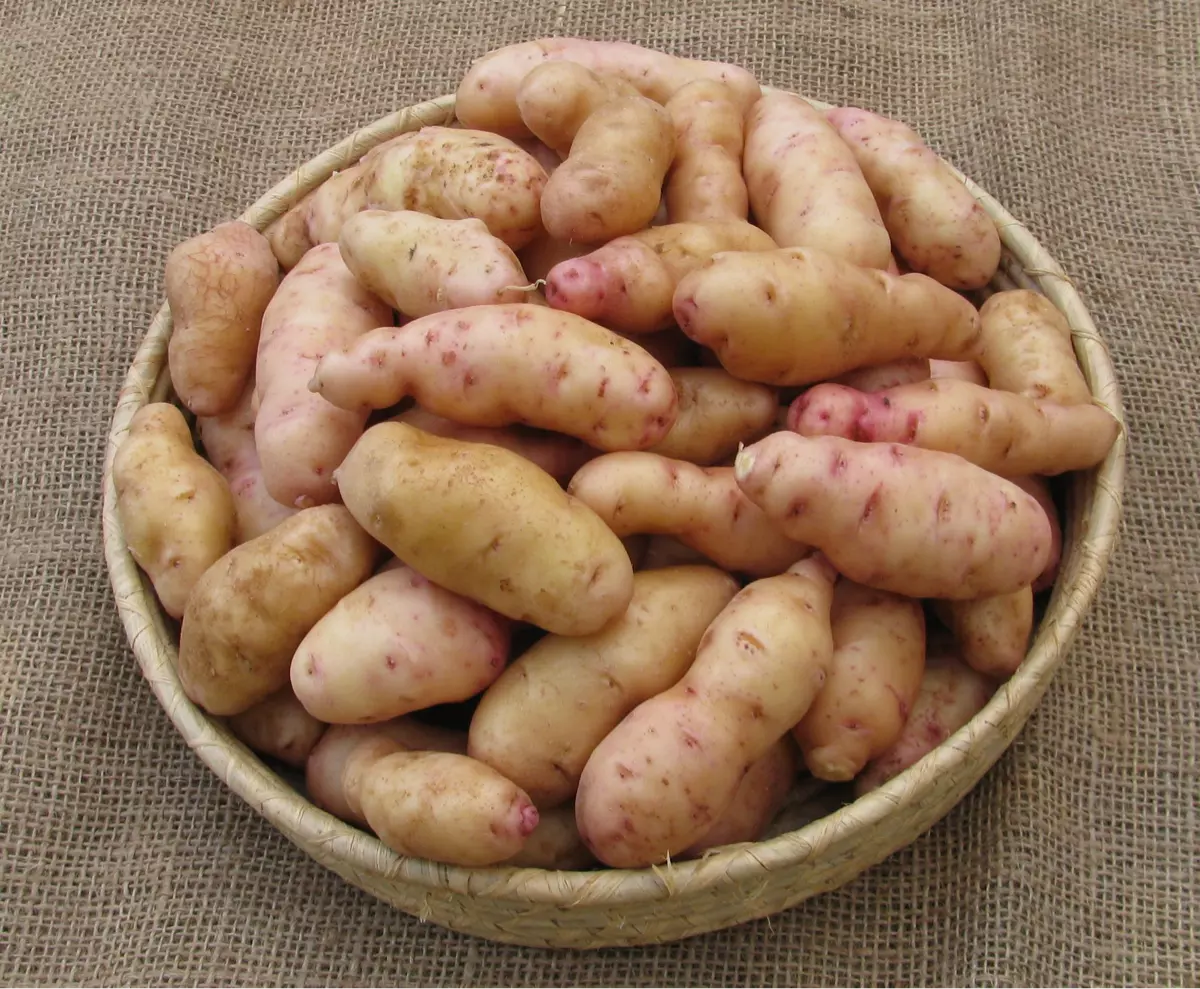
The devastating effects of genetic impoverishment are clearly demonstrated by the Great Irish Famine between 1845 and 1852, in which one million islanders died. This was the result of a potato blight, which at the time was the main food source for the islanders. Because only two susceptible, non-resistant varieties were grown, the entire crop was destroyed. As a result of the famine, one million people died, and millions emigrated.
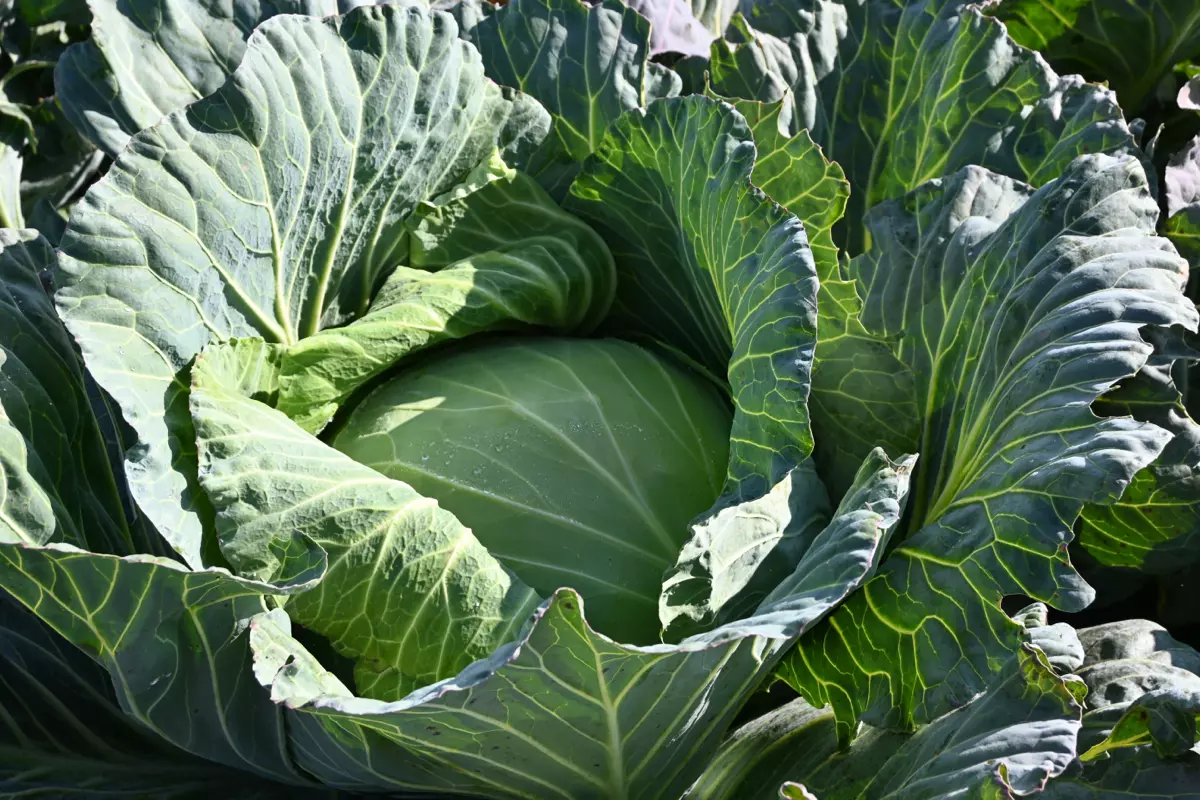
Currently, two fungal species are threatening the Cavendish banana variety, which accounts for 96 percent of global banana production. Its further extinction would have drastic consequences for the population in banana-growing regions and could deprive them of their livelihoods. Therefore, efforts are underway worldwide to locate remaining stocks of original banana varieties in order to potentially introduce their fungal resistance to the Cavendish. In addition, research is being conducted on how to mitigate the problem through mixed cultures, as the cultivation of vast monocultures significantly contributes to the spread of the fungal disease.
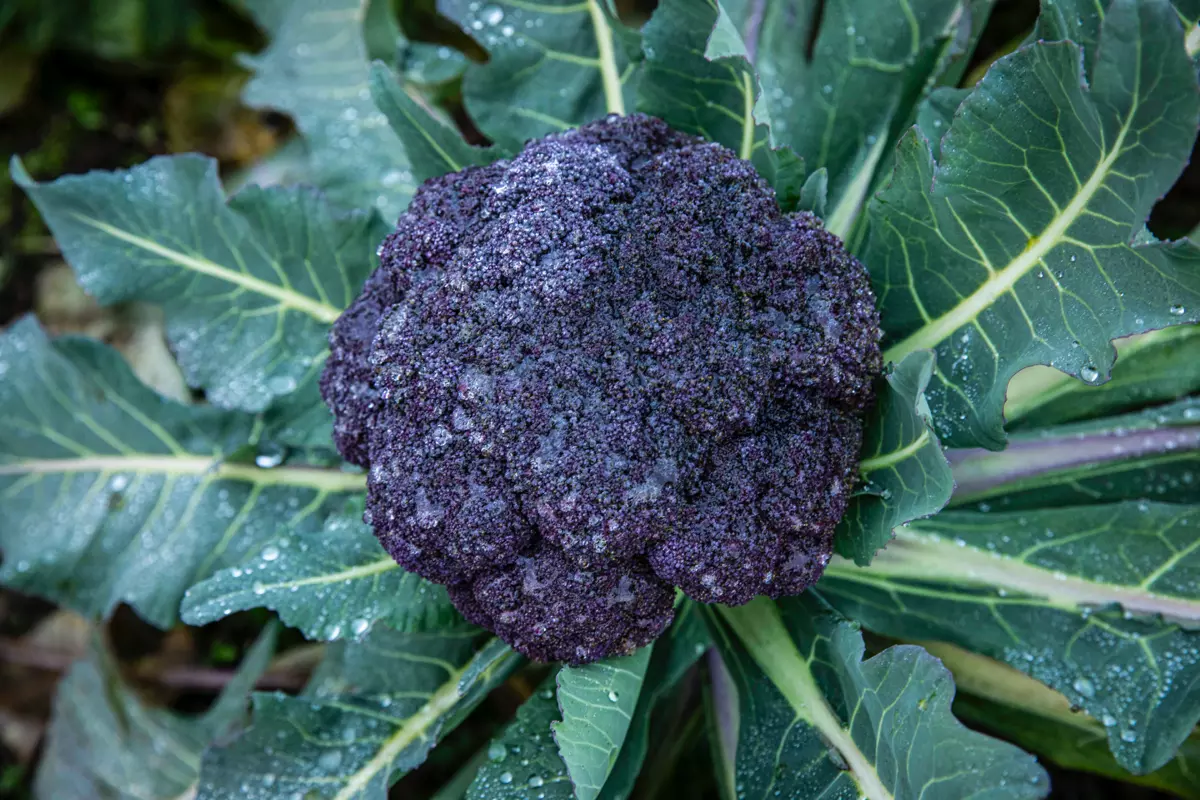
As in other agricultural and horticultural areas, the increasing focus on fewer varieties and monoculture in viticulture also exacerbates the situation, which is critical due to climate change.
We discussed the importance of old varieties and the dwindling variety diversity in viticulture with the renowned expert Valentin Blattner, who, in collaboration with Delinat, has developed and extensively tested numerous new varieties for their suitability.
Interview with Valentin Blattner on the dwindling variety diversity in viticulture
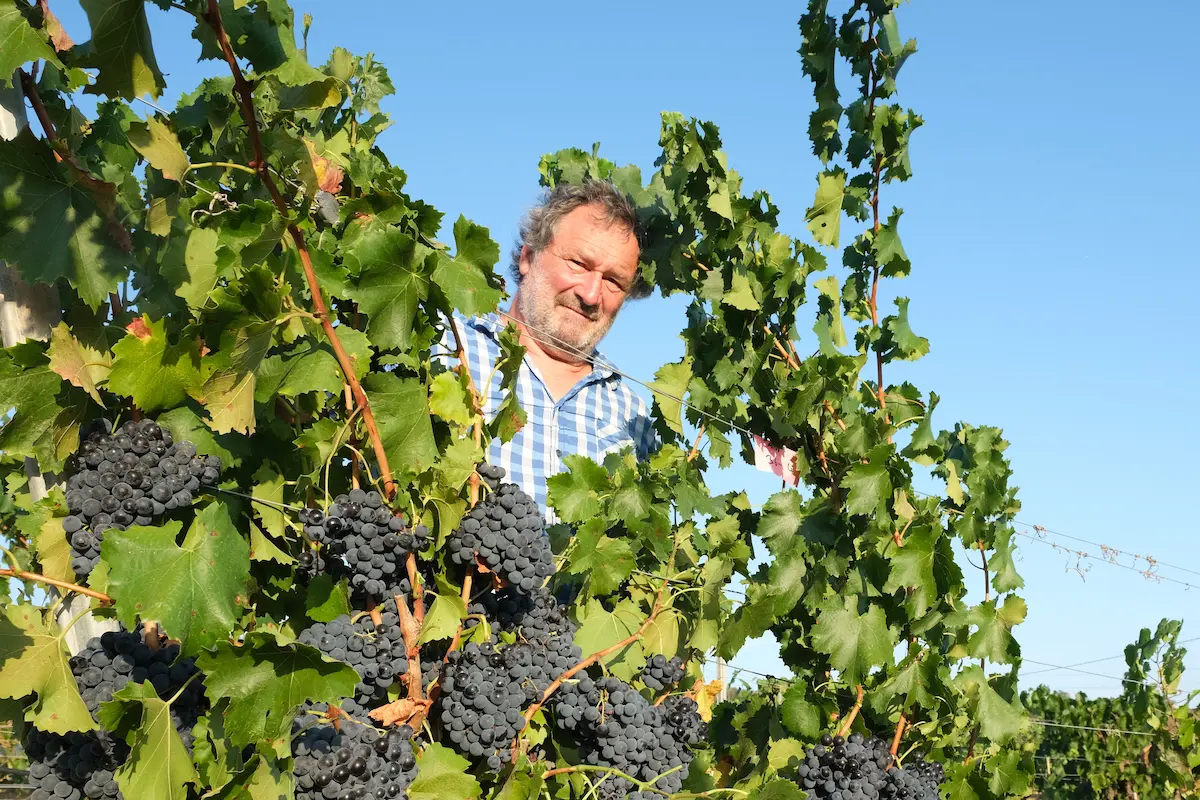
learn about nature:Why is the declining variety of grape varieties a problem in viticulture?
V. Blattner:Planting a single genetic variety across an entire vineyard is always problematic. When you plant an entire vineyard with a single genetic variety, you create a situation where the entire biological environment, such as fungi, adapts to and attacks this specific variety. A good example is Pinot Noir, the genetic makeup of which has barely changed in 500 years. The fungi have perfectly adapted to this variety and find optimal conditions within it.
Question:What is the level of variety in grape cultivation globally today?
Answer:On a global scale, there is little to speak of variety, rather a focus on simplicity. It primarily concerns what can be best marketed. Chardonnay, Pinot Noir, Cabernet Sauvignon, and Merlot dominate, as these varieties are presented as the best through marketing. Ultimately, however, it comes down to personal preference. For example, it is claimed that Chardonnay is the best, while I find it to be one of the simplest varieties, as it lacks much flavor and requires oak to be interesting at all.
Question:Would a change in grape varieties be necessary to make winemaking more sustainable?
Answer:Absolutely. The use of resistance genetics alone, which are now available through crosses, could improve the situation. There are crosses with wild varieties that offer both quality and resistance to diseases. This makes it more difficult for fungi to attack the plants, and allows growers to produce at a lower cost while maintaining high quality. Traditional varieties will no longer be viable in the future because they are neither economically nor ecologically sustainable.
Question:Does it make sense to plant different varieties in a vineyard, rather than just planting one variety in a row?
Answer:Absolutely. Monocultures never work in the long run. When each row has a different genetic basis, it becomes more difficult for the fungus to specialize in a specific genetics. This makes the vineyard as a whole healthier and easier for the winemaker. The most foolish thing is to plant an entire vineyard with a single variety, such as Pinot Noir – from an ecological point of view, this is not sensible.
Question:You also breed new, resistant varieties. Where do the resistant grape varieties come from that you use as a basis?
Answer:These varieties all originate from wild vines that grow in regions where fungi are widespread, and the local vines have developed resistance. This resistance is then incorporated into our known grape varieties. This combines the desired flavor with the resistance, which comes from wild vines such as *Vitis riparia* or *Vitis amurensis*.
Question:How can one find such wild vines, and how complex is the breeding process?
Answer:These wild grape varieties are well-known. For example, *Vitis riparia* grows along the Mississippi and has good resistance to powdery mildew. Or *Vitis amurensis* from Asia, which grows along the Amur River. Depending on the desired characteristic, such as resistance to bacterial diseases, one can find suitable wild grape varieties in different regions of the world. These resistance mechanisms are essential for the future of viticulture.
Question:What characteristics will be important in the future, and how are your breeding goals evolving?
Answer:This varies from region to region. For us, the biggest challenges are fungal diseases such as downy mildew and powdery mildew, as well as rot. To combat these, we need grape varieties with thick skins and loose bunch structures. Drought resistance is also becoming increasingly important. European varieties show potential that can be used in breeding.
Question:Is there genetic potential in European varieties that has not yet been fully utilized?
Answer:Yes, the potential is far from exhausted. Breeding has not been the main focus in viticulture so far, but this will change in the future. Each region will need to develop its own breeding programs to address the challenges on site.