Those traveling in rural areas often encounter only cattle of one or two breeds on pastures – if at all. Many of these cows spend their entire lives in large barns as "milk production machines." They typically only live until the age of four or five, as their milk production declines and they are then slaughtered. And because these are usually specialized, high-performance breeds with an exterior – to put it bluntly – of a lean frame with a large udder, the yield from slaughter is correspondingly low.
Specialization on pure dairy breeds
Approximately 1.6 million cows, primarily of the black and white spotted "Holstein-Friesian" and the red and white spotted "Red Holstein" breeds, exist in Germany according to breeding records. The origin of the former breed dates back to the "German Schwarzbunte Niederungsrind" of the coastal regions of Northern Germany and the Netherlands. Due to its relatively lower milk production compared to today, but higher meat production, it was long considered a hardy dual-purpose breed.
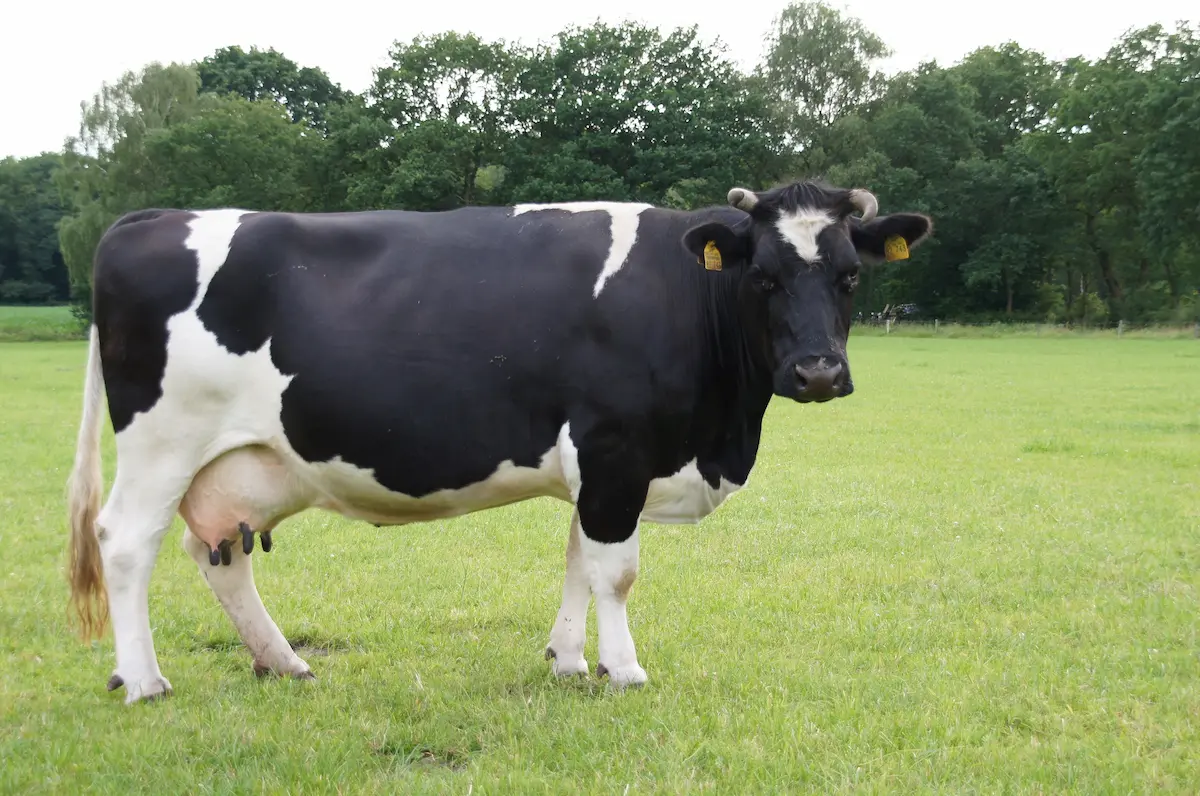
These cattle arrived in North America in the second half of the 19th century with German emigrants, where breeding was focused on achieving the highest possible milk yield. The Zweinutzungsrasse "Schwarzbunte" (two-purpose breed) eventually gave rise to the specialized dairy breed "Holstein-Friesian", which was re-imported to Europe in the 1970s. Today, the vast majority of global milk production comes from these cows. The original breed, with only around 2500 individuals remaining, is classified as "threatened" on the Red List of endangered breeds.
Breed diversity in the Alpine region
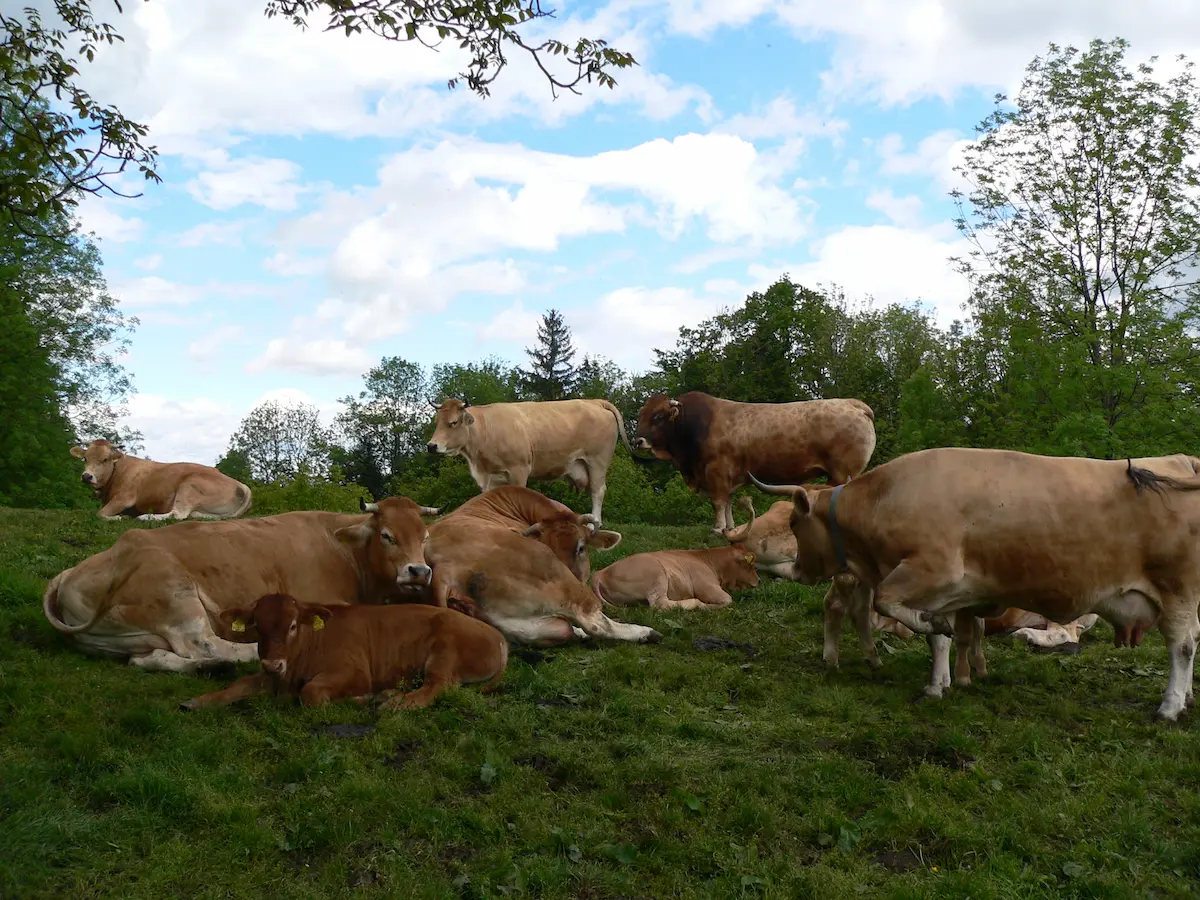
In the Alpine region, in the past, relatively small and light cattle were most common. These breeds were well-adapted to mountain grazing and could climb steep slopes without causing significant hoof damage. Even today, there are farmers who value these breeds, in addition to their other characteristics, for their good milk production and the longevity of the cows, and therefore still keep original, often regionally-specific Alpine dual-purpose breeds. This means achieving lower performance compared to the "Fleckvieh" breed, which dominates the Alpine region. This decision is often influenced by tradition and personal preference. Because their ancestors held onto "their" breed, despite being exposed to the recommendations and pressure from state institutions and breeding associations to switch to more productive breeds, many farmers see it as their responsibility to preserve this living tradition. The survival of some breeds was even ensured by the stubbornness, and even the courage, of their few remaining keepers. This is exemplified by the "Pustertaler Sprinzen". Around 1910, there were approximately 10,000 animals of this breed, which was considered by some farmers to be "the best cow in the Alps". The decline of the Sprinzen was partly due to Benito Mussolini, who banned their breeding during World War II in favor of more productive breeds. Ultimately, these fascinating, speckled animals survived thanks to a handful of breeders who resisted the orders and kept the cattle hidden on remote pastures and even in the cellars of their mountain farms.
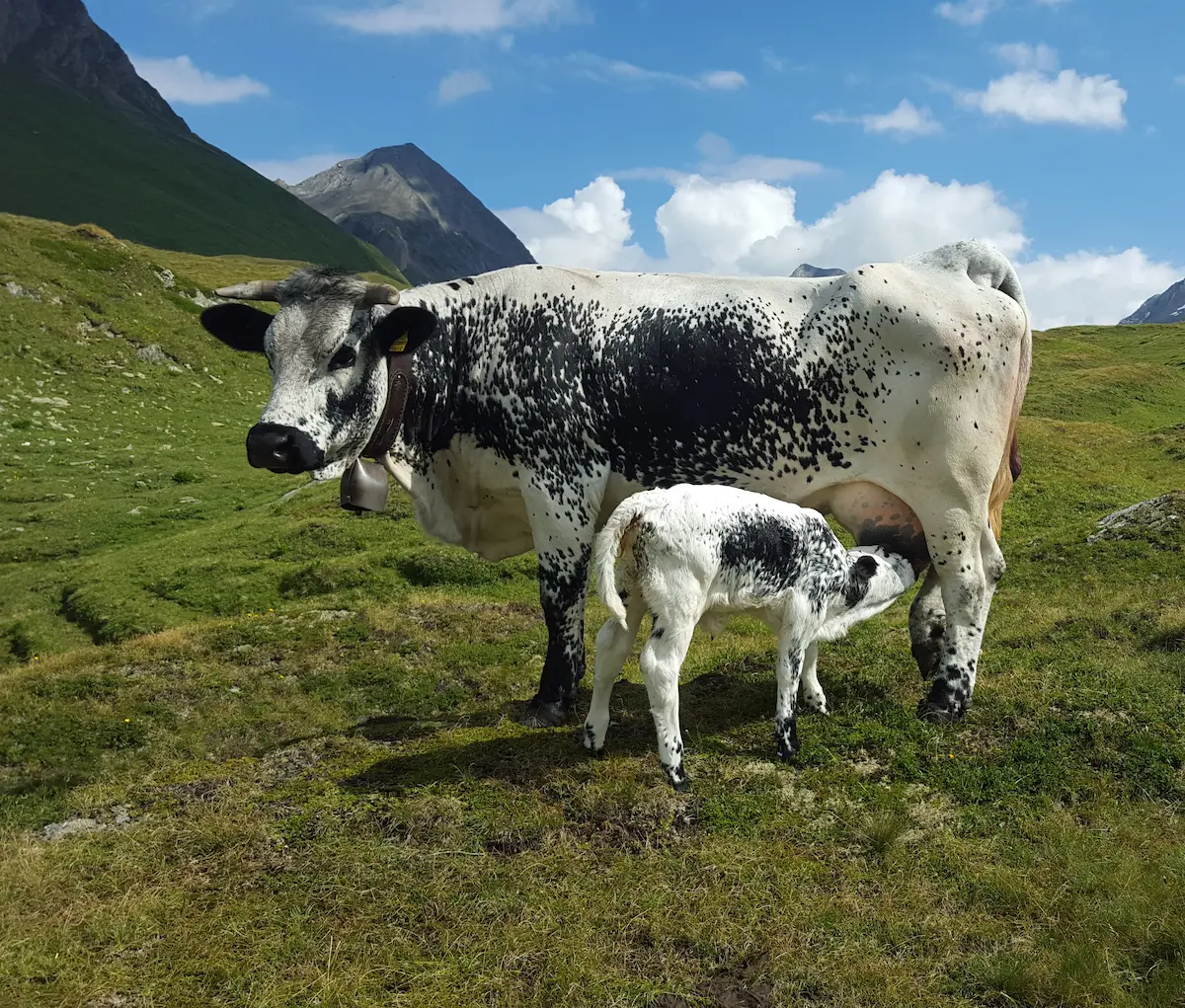
Other rare breeds of cattle from the German-speaking Alpine region include the "Tiroler", the "Rätische", and the "Buischa-Grauvieh", the "Ennstaler Bergschecke", the "Pinzgauer Rind", the "Murbodner Rind", and the "Kärntner Blondvieh". In the Black Forest, "Hinterwälder" cattle, the smallest breeds of Continental Europe, are still grazed, often on steep slopes managed by organic farms. We will now discuss further breeds whose populations have declined for various reasons.
-
Kärnten Blondvieh -
Ennstaler Bergschecken -
Murbodner cattle -
Tiroler Grauvieh -
Tiroler Pinzgauer cattle
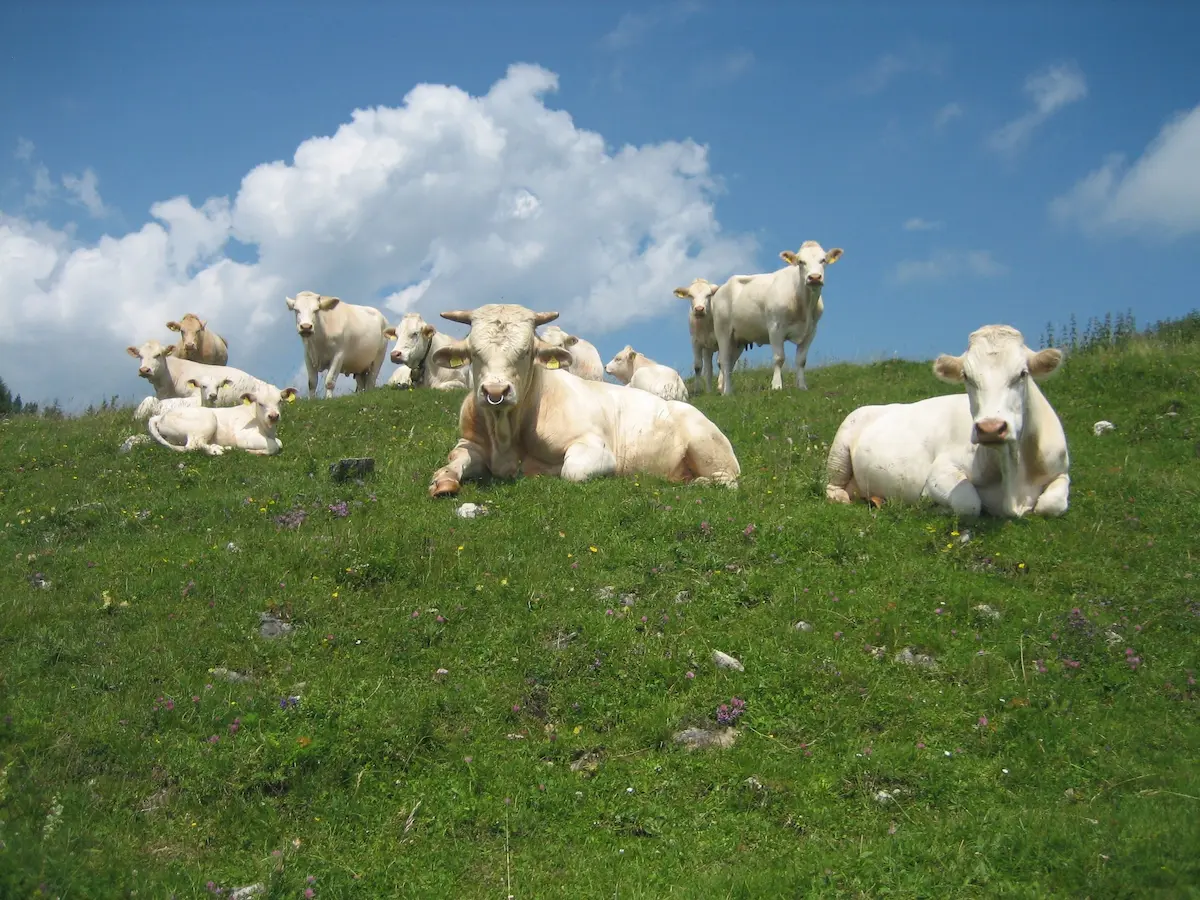
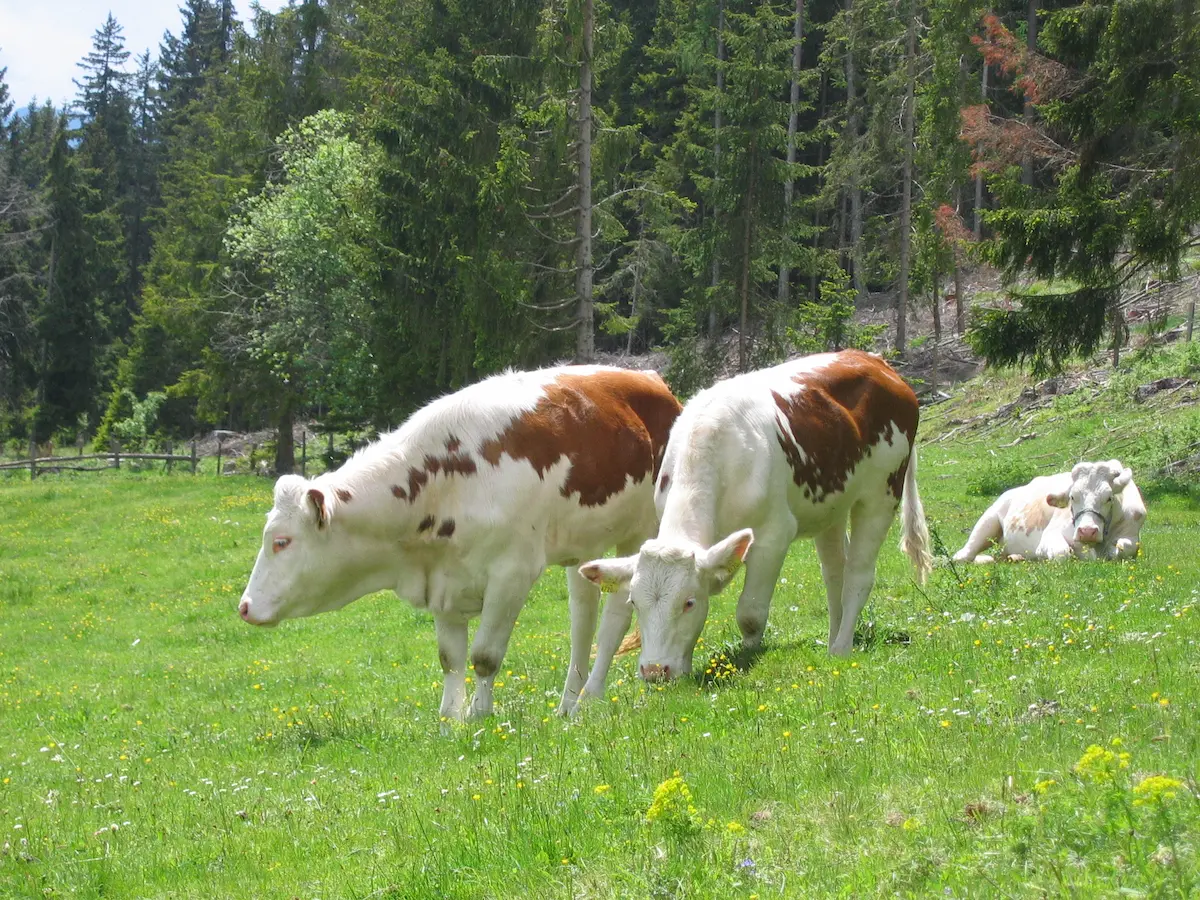
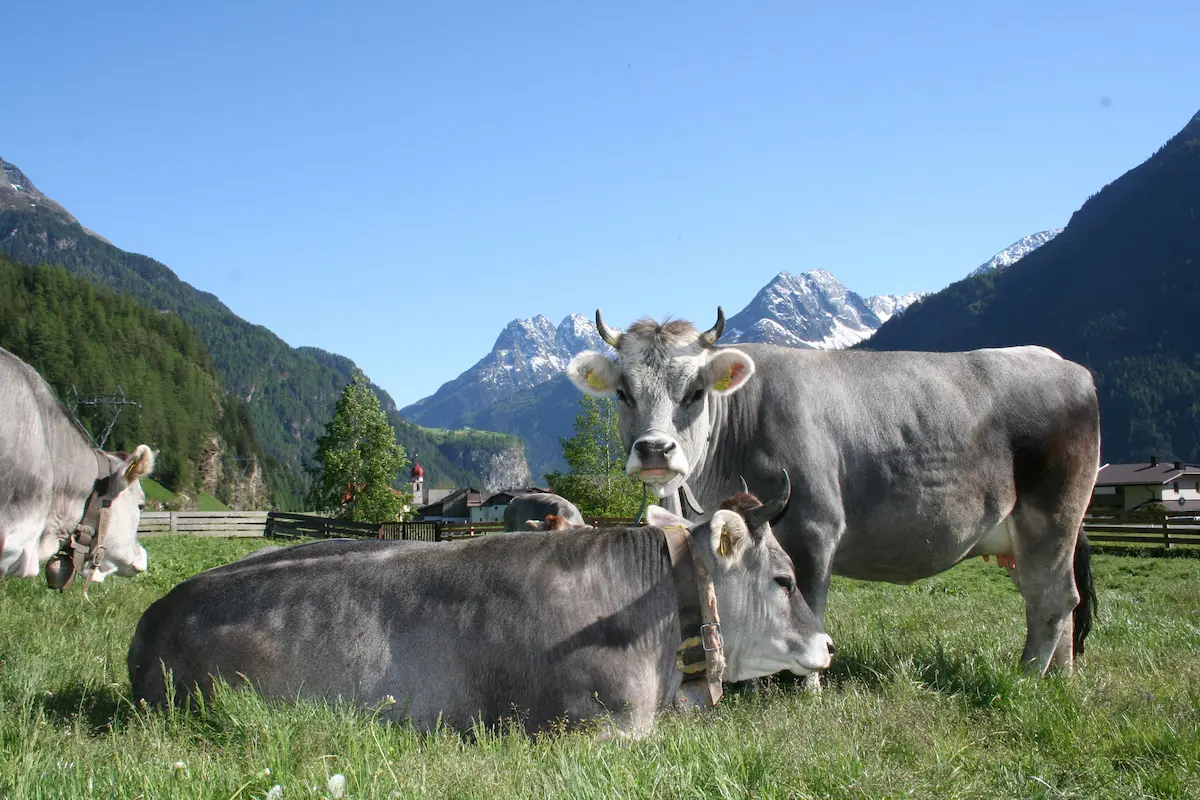
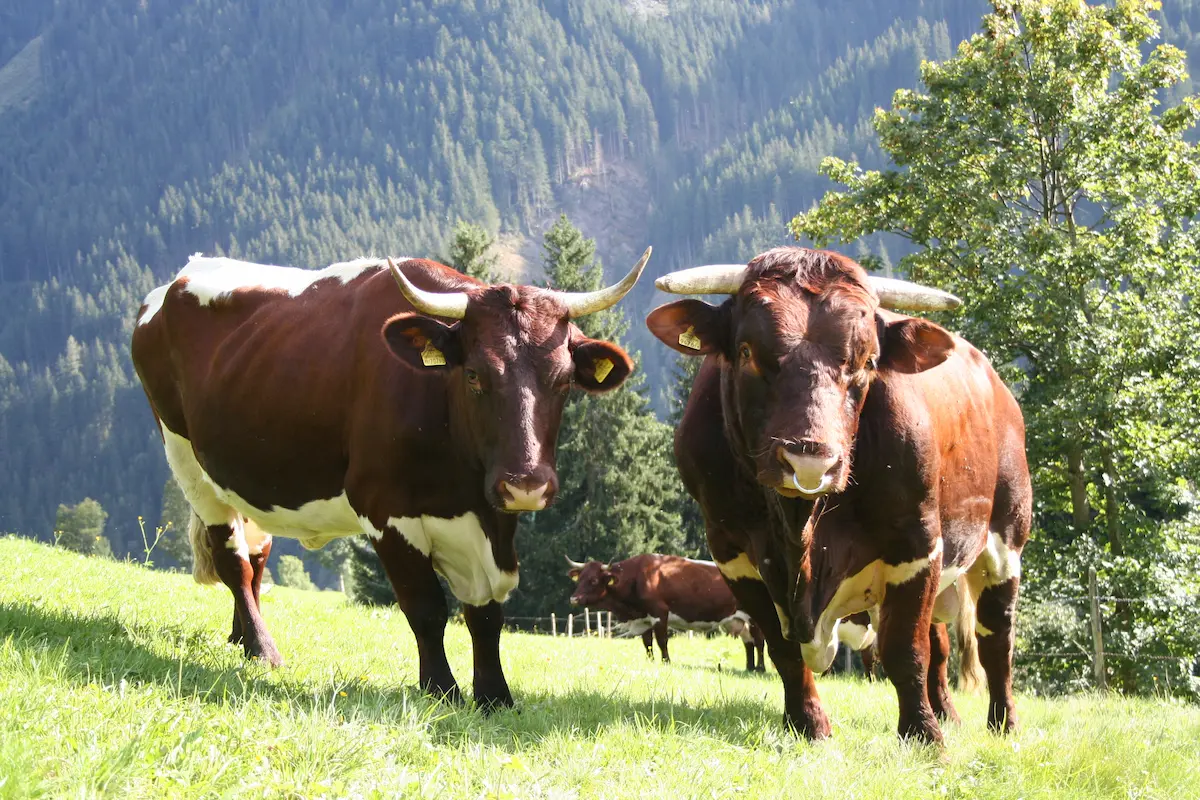
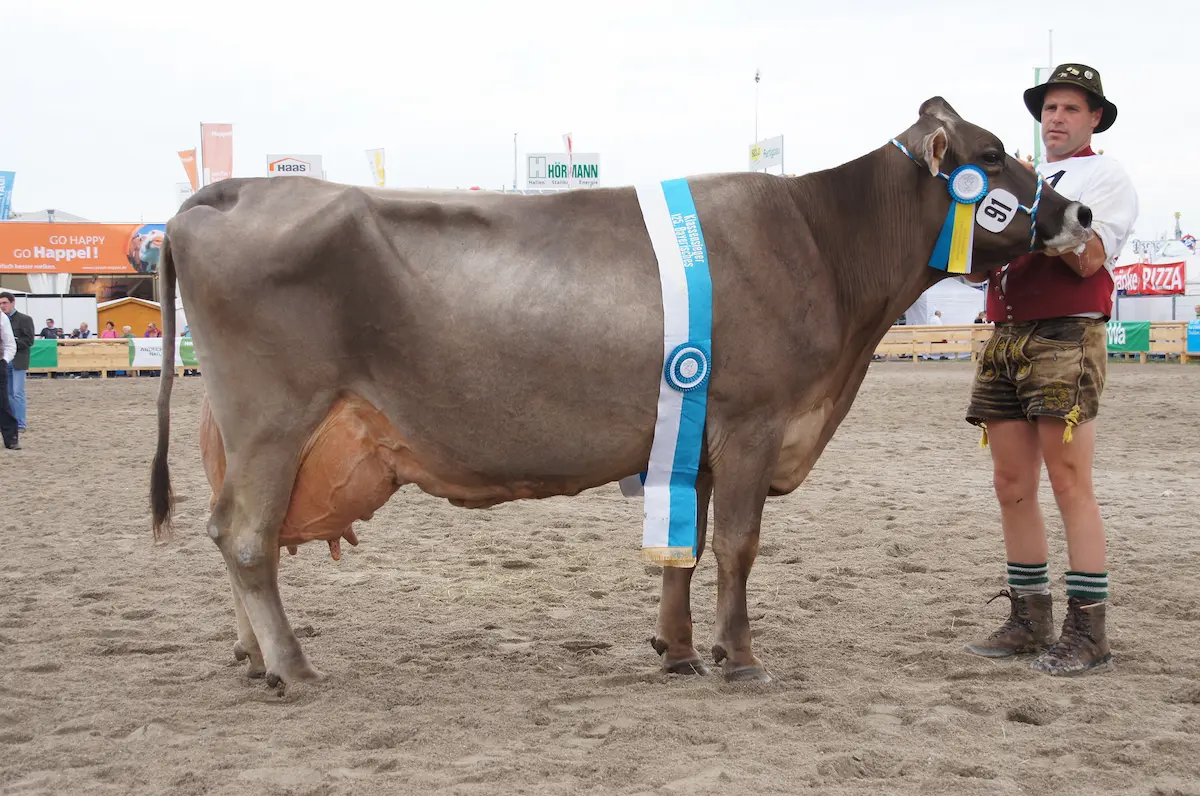
Brown Swiss cattle were derived from Braunvieh.
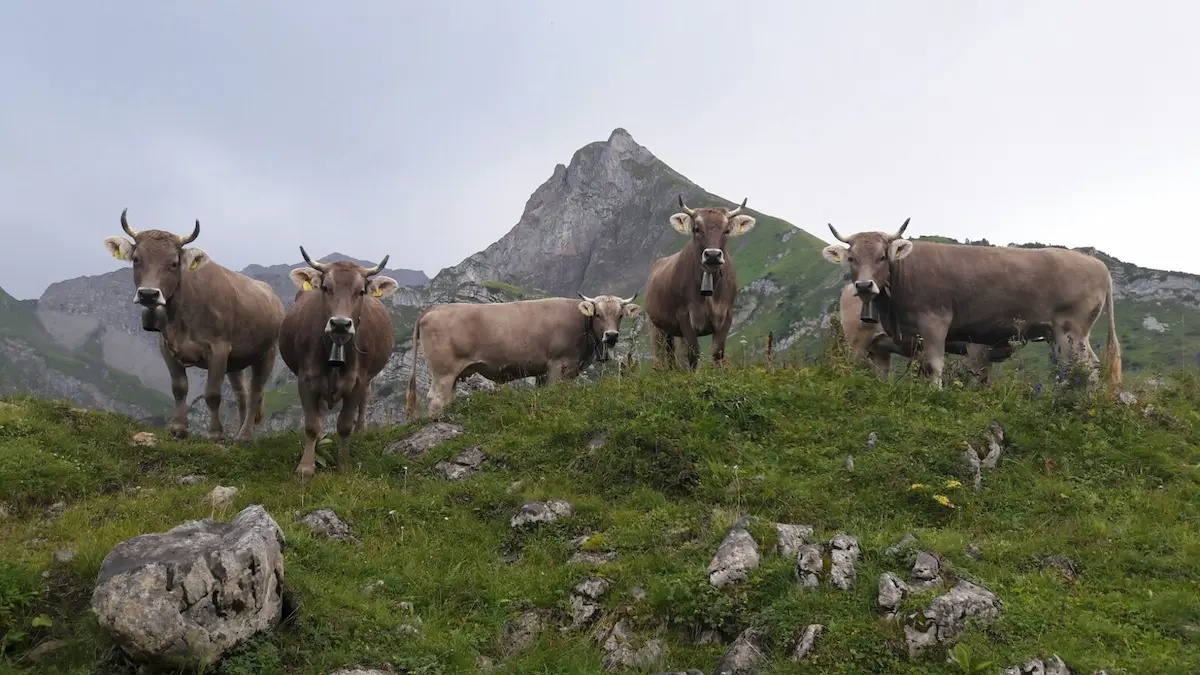
The Braunvieh breed originates from a type of cattle that arrived in the Alpine region between 2000 and 800 BC, originating from the east. These cattle were kept as "torf" or "pfahlbau" cattle. Selective breeding began around 600 years ago in central Switzerland, and the animals soon spread to various regional breeds such as the "Allgäuer Dachs" or the "Montafoner Braunvieh" in neighboring regions.
Starting in the 1960s, market conditions and performance requirements for this classic dual-purpose breed changed, leading breed associations in the alpine regions to decide, starting in 1965, to introduce Brown Swiss cattle from the USA into the population. Similar to the German Schwarzbunte Niederungsrind, this led to a selection for maximum milk production. Today, the breed is officially called "Brown Swiss" and has very little resemblance to its ancestors, from its appearance to its coat color. In Switzerland, but also in Austria and Germany, a small part of the Brown Swiss herd remained unaffected by this development. In the Allgäu, the "original Brown Swiss" still accounts for just 0.15 percent of the cattle population. With the support of organizations that are committed to saving endangered breeds (contacts at the end of the article), efforts are being made to re-establish the original breed through specialized conservation breeding projects.
Special feature: Alpine three-use breeds
Other old and now mostly endangered cattle breeds in the Alpine region also underwent a more or less clear focus on milk or meat production during their breeding history. However, unlike the Schwarzbunte and Braunvieh breeds, these breeds remained fundamentally dual-purpose animals, although often with a greater emphasis on either milk or meat production.
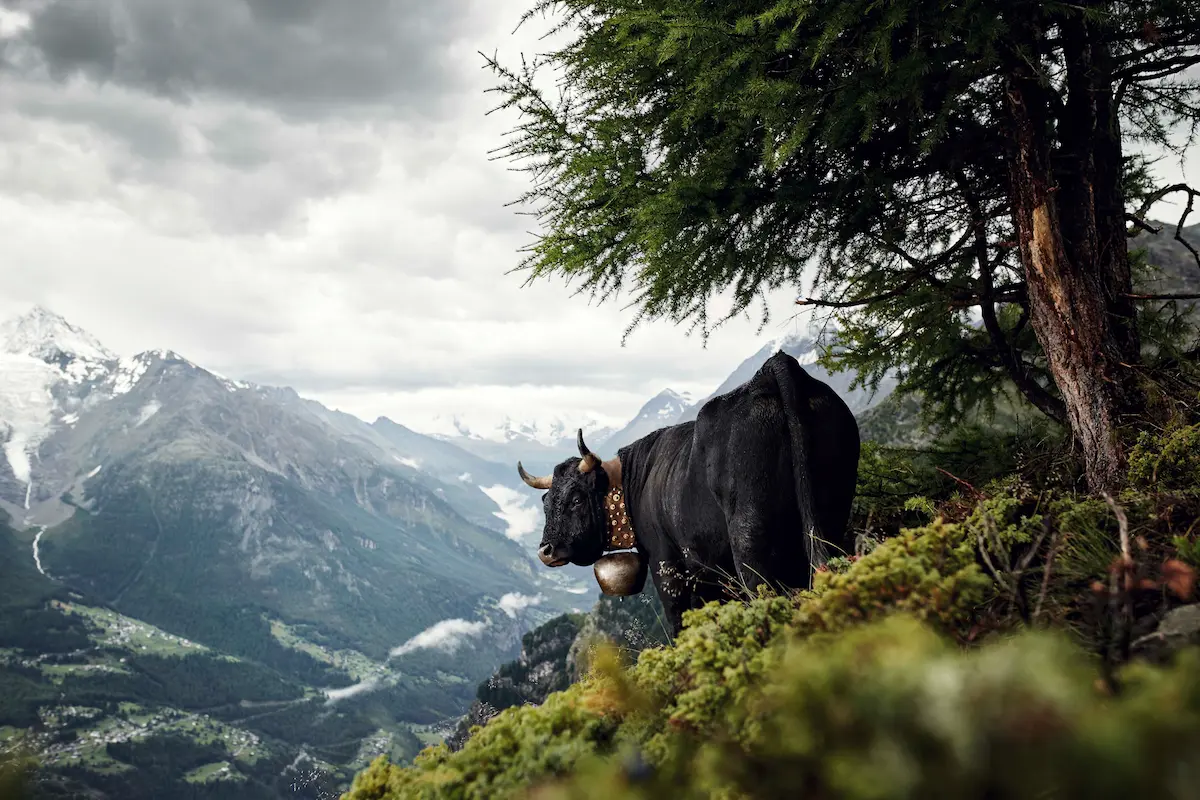
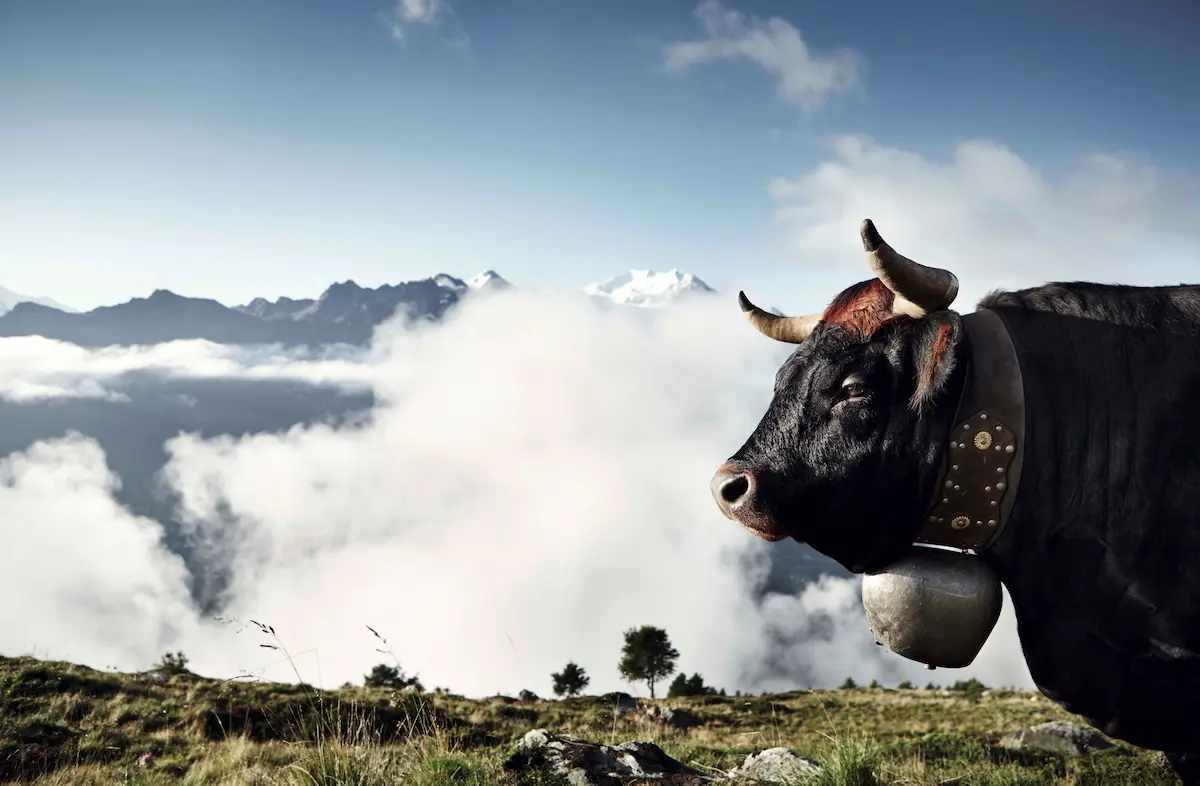
The black to reddish-brown Eringer, native to the Swiss Valais, and the speckled "Evolèner" cattle, both descendants of the same Roman-era breed, were also subject to selective breeding, with a particular emphasis on a pronounced herd hierarchy and high aggression potential in the cows. Even today, spectator bullfights take place in various weight and age classes, attracting thousands of spectators. The aim of the spectacle is to determine the herd's hierarchy and identify the leading cow. In the 20th century, the Eringer population declined significantly, but the numbers have since stabilized, currently standing at around 13,000 animals. Nevertheless, almost 40 percent of all Eringer cattle in the Valais canton remain. Given that the Eringer and their cow fights represent a cantonal cultural heritage with symbolic, now also tourist, significance, their survival is likely to be secured in contrast to other (former) multi-purpose breeds.
In Tirol wurden früher auch "Kuhstechen" veranstaltet, etwa beim großen "Gauder Fest" in Zell am Ziller, bei denen weibliche Tiere der Rasse "Tux-Zillertaler", die vermutlich von Eringern abstammt, gegeneinander antraten. Dabei wurde die als "Moarin" bezeichnete Siegerin ermittelt, die ihrem Besitzer hohe Anerkennung einbrachte. Die Selektion auf Kampfeigenschaften hatte jedoch aufgrund der damit einhergehenden Vernachlässigung der Milch- und Fleischleistung schwerwiegende Folgen für die Tux-Zillertaler, wodurch sie nach dem Verbot der Kuhkämpfe aus Tierschutzgründen beinahe gänzlich ausstarben. Beim Zusammenbruch der Bestände spielten allerdings noch andere negative Faktoren eine Rolle. So sagte man den dunkelfärbigen Rinderrassen eine schwächere Leistungsbereitschaft nach und förderte in der Folge gezielt leistungsstärkere Rassen. Der Untergang nahm schließlich in den Dreißiger- und Vierzigerjahren seinen Lauf, in denen viele Rinder aus dem Alpenraum nach Wien in die dortigen Abmelkbetriebe abgegeben wurden und damit für die Zucht im Ursprungsgebiet fehlten. Im Jahr 1935 registrierte man noch 223 Milchmeier-Betriebe in Wien. Der Zweite Weltkrieg führte für die Milchwirtschaft jedoch zu großen Einschränkungen, u.a. weil Bahnlinien, die zum Transport der Milch benötigt wurden, bombardiert worden waren. Von den rund 10.000 Wiener Milchverkaufsstellen blieben nach dem Zweiten Weltkrieg nur 1.700 übrig, von rund 150 Molkereien lediglich zehn.
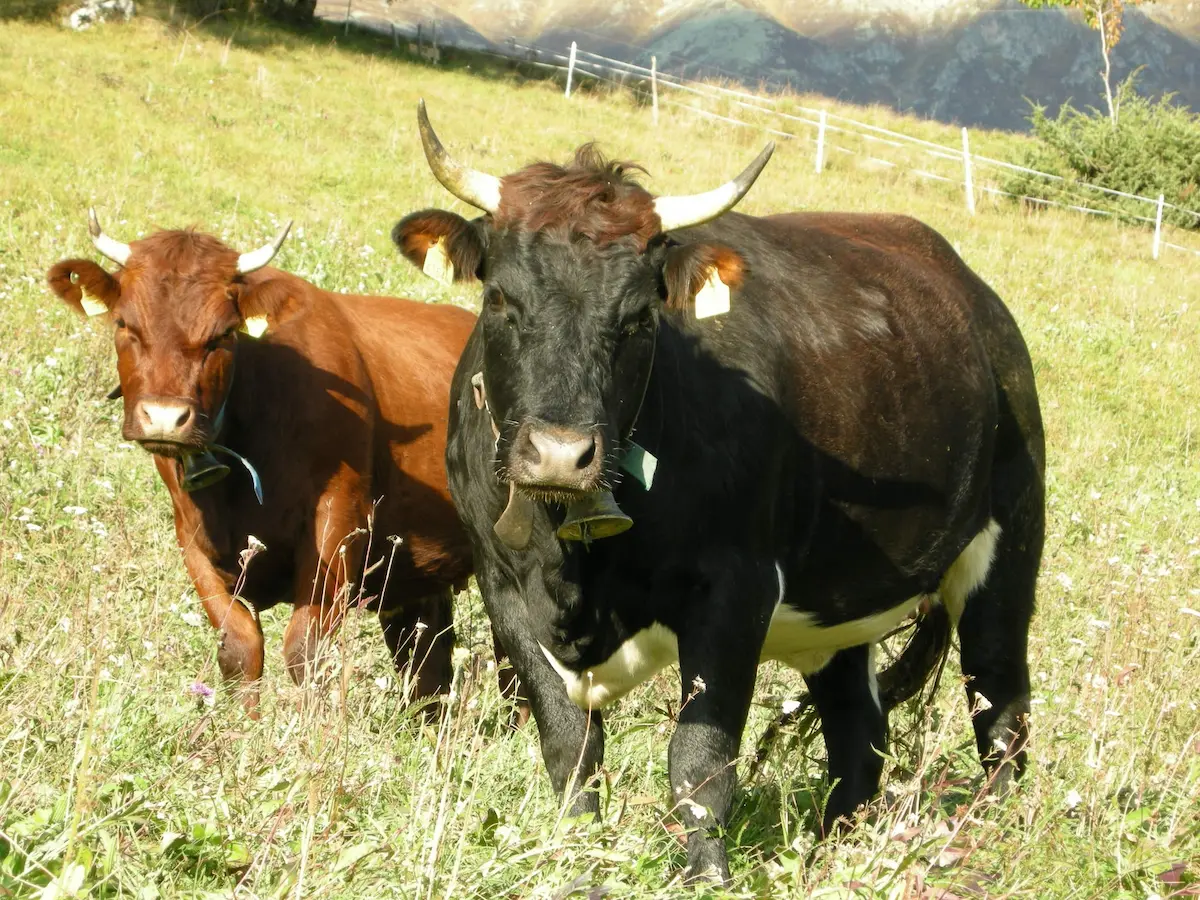
The decline of the thrifty and mountain-dwelling breed led to the point where, in the 1970s, there were only around 30 individuals left worldwide. At the last moment, dedicated individuals took action to save this cultural asset of their region, and in 1986, the "Association of Tux-Zillertal Breeders of Tyrol" was founded, which ultimately laid the foundation for its preservation. Today, around 800 Tux-Zillertal cows are kept by 250 breeders – some of whom are located outside the original area of distribution.
Similarly, the once-common "Bavarian Urvieh" of the Alpine and Voralpen region, also known as the "Murnau-Werdenfelser Rind" or "Oberländer", also met a similar fate, which is also due to the one-sided focus of breeding in favor of a specific trait. The popularity of these cattle was particularly due to the extraordinary strength of their draft oxen, which were used in field, forest, and transport work.
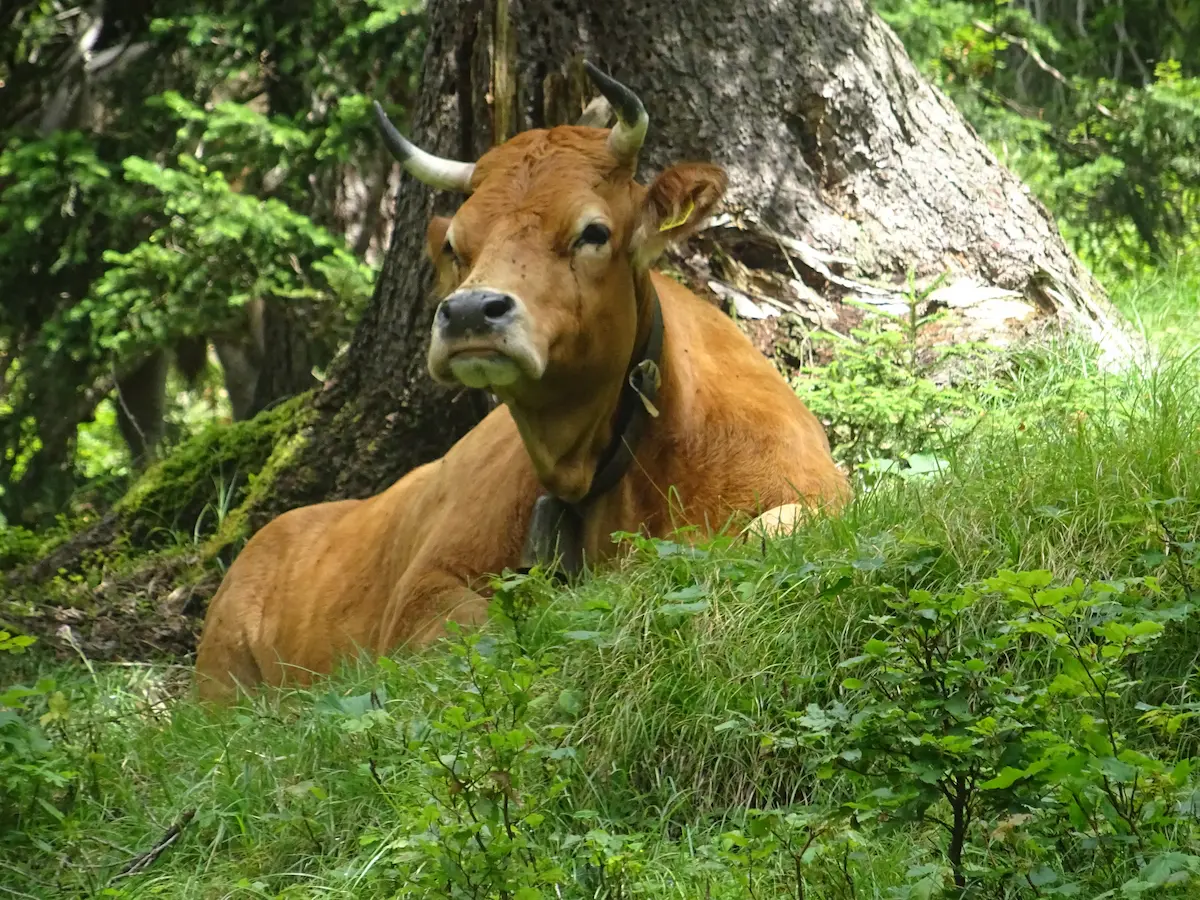
This made the sale of these animals a more lucrative source of income for many farms than milk or meat production. However, the dynamic technological development of agriculture quickly led to the complete collapse of the boar market. Since most of the male calves had been castrated, there was very little suitable breeding material available for the subsequent two-purpose breeding orientation. In addition, the significantly more powerful Fleckvieh and Braunvieh cattle had already taken over in the main distribution area of the Oberländer. While 62,000 animals were counted at the end of the 1890s, the stock eventually fell to around 200 breeding animals. It was "just before the deadline" that committed farmers, butchers, dairies, and restaurateurs came together in a preservation association to promote and market the special qualities of "MuWe" products. The juicy and aromatic meat, especially from pasture-raised boars, is increasingly gaining fans, and the milk of the breed is also increasingly appreciated by dairies due to its specific properties. This small renaissance of the autochthonous Upper Bavarian breed has now led to an increase in the stock, but it still has the status of "strongly endangered".
Rescue through targeted marketing
Even though alpine cattle breeds that are threatened with extinction cannot compete with high-performance breeds in terms of milk yield and meat production, they possess qualities that could be highly valued in the future. These positive characteristics include, among others, the maternal instinct (suitability for dairy farming), the ability to utilize roughage, good milking ability, longevity, meat quality, resilience, fertility, surefootedness, thriftiness, and robustness. Smaller and lighter breeds are particularly well-suited for grazing in higher mountain areas and can play a significant role in landscape management.
Maintaining the diversity and survival of rare alpine cattle breeds depends, in particular, on a targeted strategy that markets their products as special (regional) specialties. This can be achieved if alliances are formed between farmers, the hospitality industry, food producers and retailers, as well as tourism associations, local preservation groups, media representatives, and environmental and landscape conservation organizations, who effectively communicate the value of these living cultural assets and the quality of their products. Examples of successful collaborative efforts by cooperating farmers and their trading partners demonstrate that concerted efforts can lead to success. As a best practice, the "Bäuerliche Erzeugergemeinschaft Schwäbisch-Hall" should be mentioned, through whose efforts it was possible not only to save the breed, which was already considered extinct, "Hällisches Landschwein", but also to bring it to a new flowering, by tracking down and collecting remaining stocks. In the past, the few isolated farmers had no market access, but today, the products from the Hohenlohe region, including the rare Limburger cattle, are offered to consumers by this broad marketing organization. The cooperative was founded by eight farmers, and now includes 1400 farmers. Of course, this example cannot be directly transferred to all regions and breeds, but it shows in what direction – albeit on a smaller scale – it could go. Another example of successful cooperative action: The "MuWe Fleischhandelsgesellschaft" brings the products of this endangered breed under the label "Bestes vom Murnau-Werdenfelser Rind" into the trade, thereby significantly contributing to its preservation.
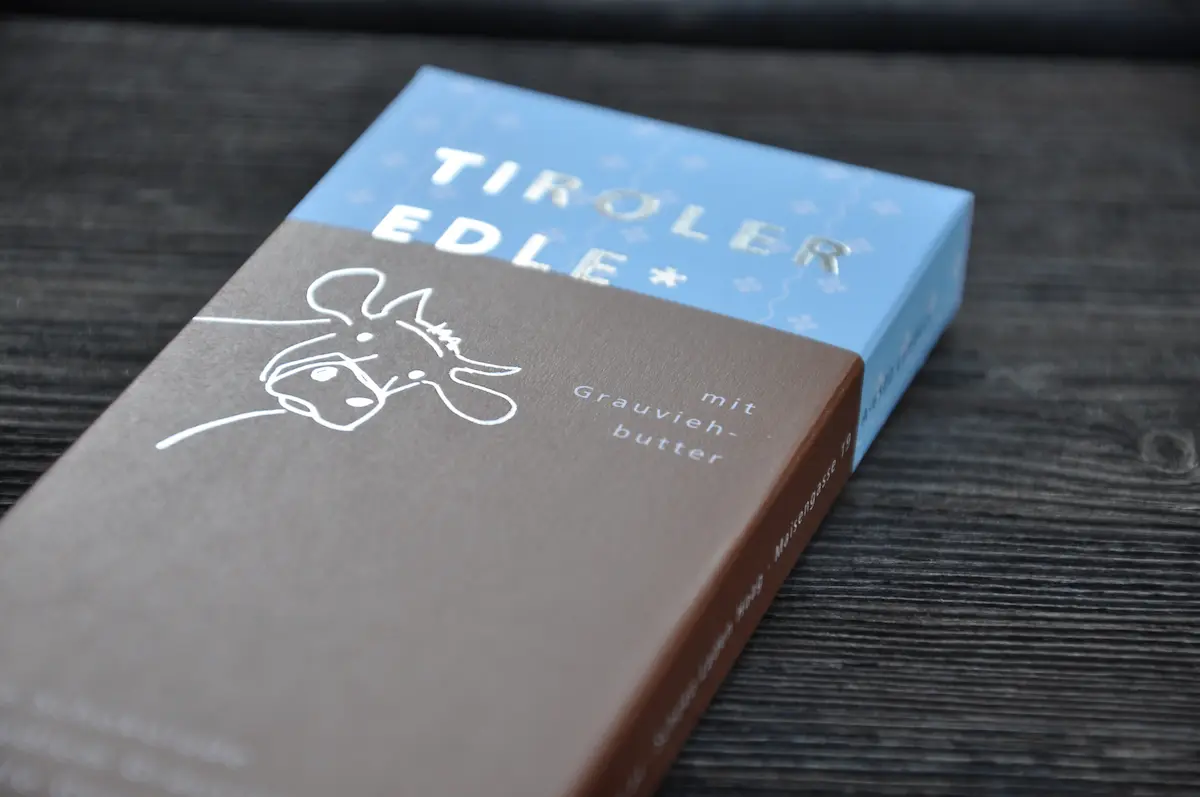
In addition to implementing private marketing strategies, state-sponsored incentives can also have a positive influence on the decisions of farmers in the Alpine region to continue or cultivate endangered cattle breeds. However, these payments should be of a size that represents more than a symbolic gesture.
In the future, we will be publishing individual portraits of alpine breeds on a regular basis.
Contacts:
Germany:
Gesellschaft zur Erhaltung alter und gefährdeter Haustierrassen e. V. (GEH)
Walburger Straße 2
37213 Witzenhausen
Phone: +49 5542 1864
Fax: +49 5542 72560
Email:info@g-e-h.de
Internet:www.g-e-h.de
Austria:
ARCHE Austria – Association for the Preservation of Rare Livestock Breeds
Scheffau 25a
5440 Scheffau am Tennengebirge
Postal address: Pfaffenrieder Straße 23, 4563 Micheldorf
Tel.: 0664/5192286
E-mail:office@arche-austria.at
Internet:www.arche-austria.at
Switzerland:
ProSpecieRara
Swiss Foundation for the cultural-historical and genetic diversity of plants and animals
Head office:
Unter Brüglingen 6
4052 Basel
Phone +41 61 545 99 11
E-mail:info@prospecierara.ch
Internet:www.prospecierara.ch
Book tip:
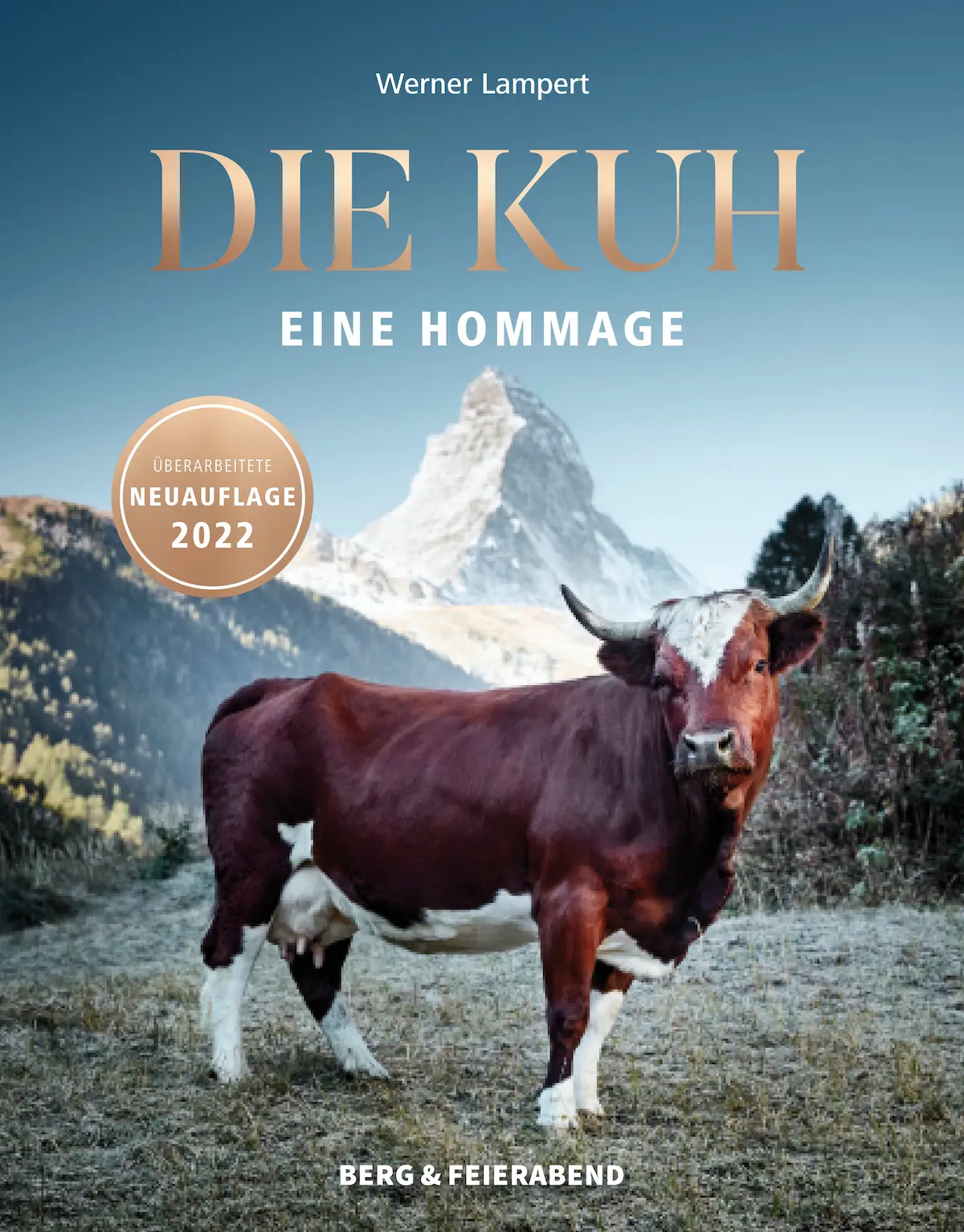
DIE KUH
A HOMMAGE
WERNER LAMPERT
25,2 x 29,2 cm
480 pages
Hardcover
approx. 250 color photographs
Price: € 59,95
ISBN 978-3-948272-24-1
Berg & Feierabend Verlag
https://lampert-nachhaltigkeit.com