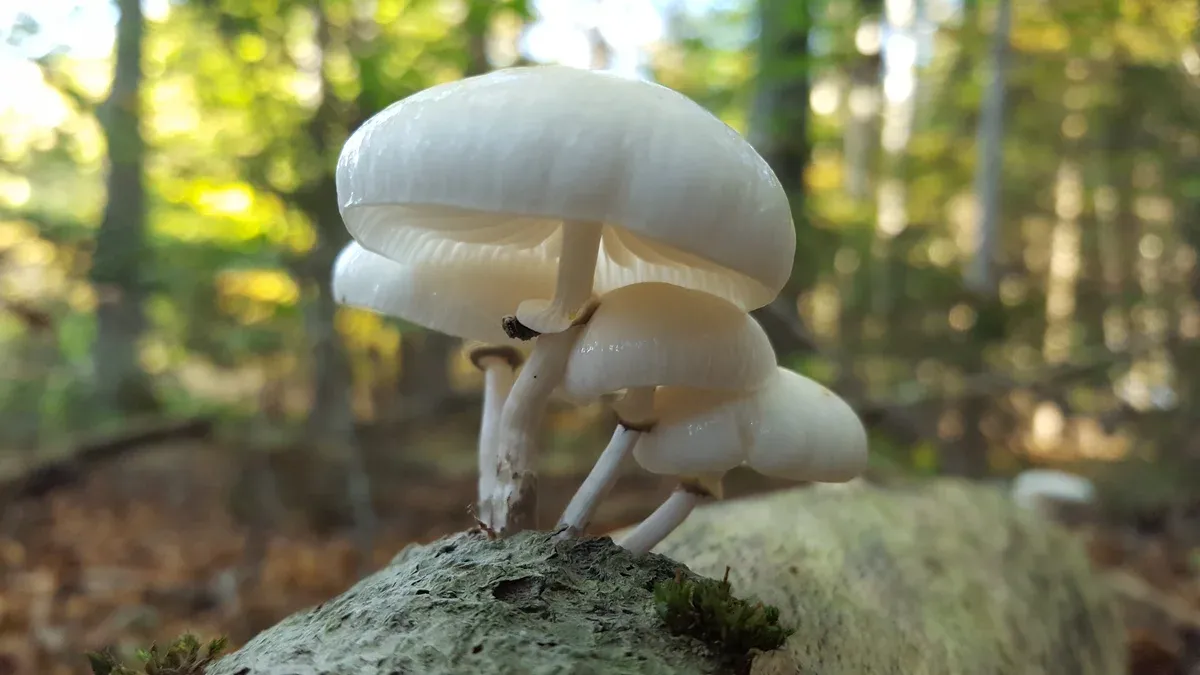
Mushrooms are organisms that are neither animals nor plants; they form their own kingdom within biology. They metabolize, but do not have the ability to photosynthesize, and instead obtain their food mainly from plant remains or plants with which they form a symbiotic relationship (mycorrhiza), or by parasitizing them, which indicates that they are more closely related to animals than to plants.
The large mushrooms mentioned here are an important link in the chain of converting organic matter. They are specialists in "processing" wood, even the hardly digestible wood component lignin can be utilized by some, such as the white rot fungi. Thus, they work together with insects and microorganisms as waste disposal and recycling in forests and fields, and increasingly also in cities.
Unlike plants, you cannot see the actual mushroom; it permeates the soil and consists of nothing but a structure-poor, often kilometer-long network of filamentous hyphae, the mycelium. What is commonly referred to as the mushroom is only its periodically appearing fruiting body, which appears in large quantities, mainly in the forest and on meadows, throughout the year, but primarily in autumn.
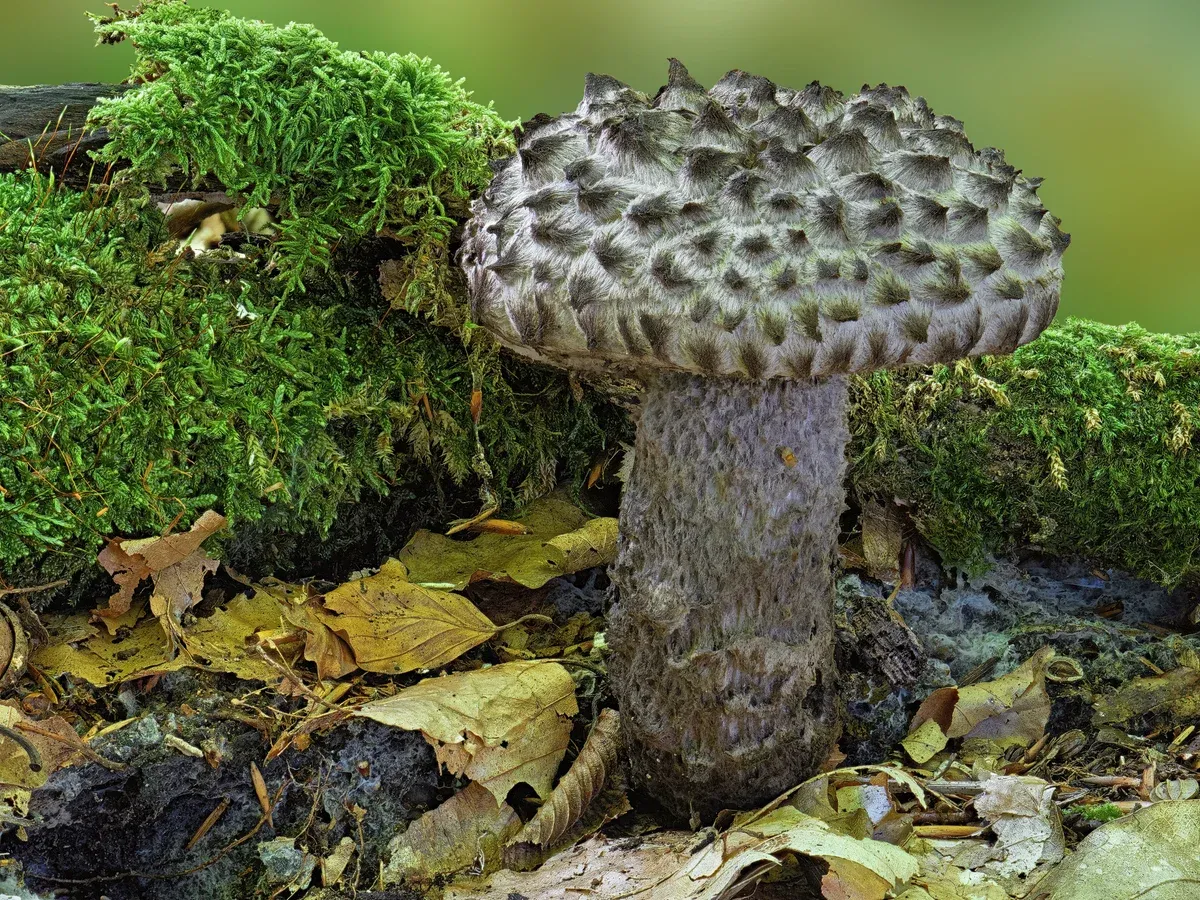
Myths, utilization and propagation
Mushrooms were long considered to be uncanny and still are often. Especially their sudden mass appearance, especially after summer thunderstorms, contributes to this. They are therefore often associated with hell or the devil, especially when they suddenly change color, appear in mysterious rings, emit ghostly glows, stink horribly, or sprout from so-called "witch eggs" and attract flies, beetles and other creatures in large numbers.
In the past, it was believed that mushrooms formed from mud and decay or even spontaneously through self-generation, as "children of the earth". Many of them are also poisonous, some more, some less, up to deadly companions, which people have often used as a cunning poison weapon since Roman times. They are also popular as a drug, regionally as well as today.
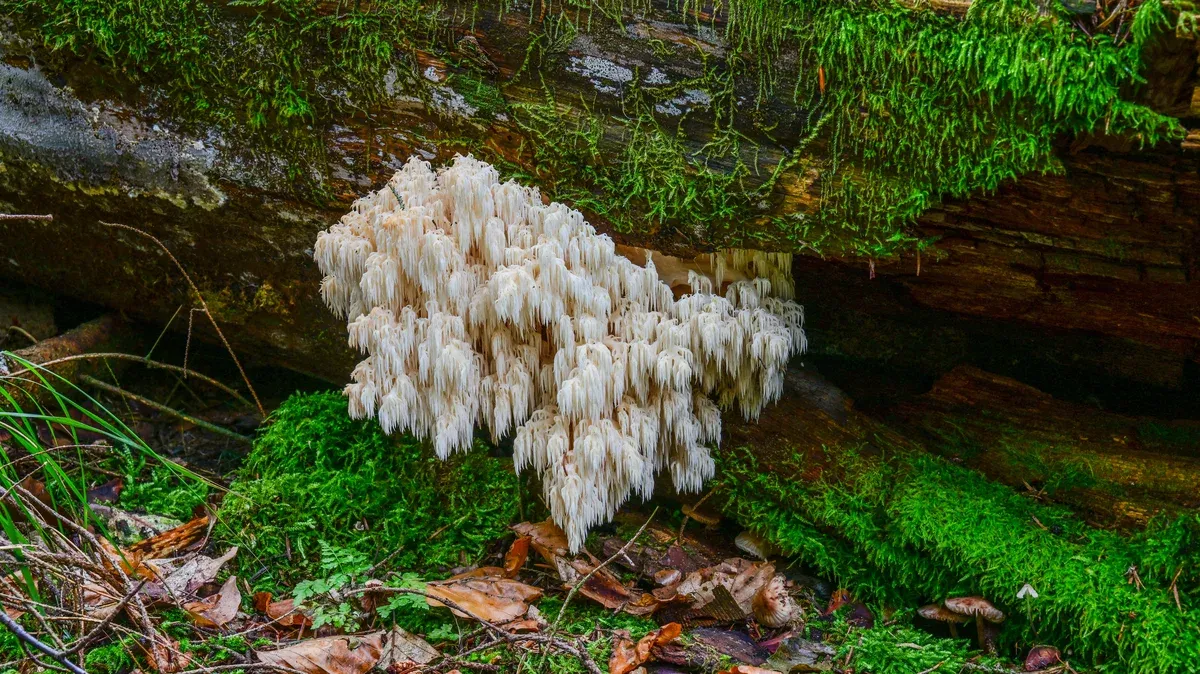
Almost all mushrooms are poisonous when eaten raw, but even edible mushrooms should not be eaten in large quantities because they absorb and store many metals, but also radioactive substances from the environment.
However, many mushrooms have health-promoting effects, such as antibiotic effects, which are therefore referred to as vitality mushrooms. All mushrooms contain a high protein content, a number of minerals such as copper, iodine, manganese, potassium, selenium, zinc, fiber and plenty of water. Some have been used for medicinal purposes for centuries, such as the shiitake in China. Others served as midwives for human civilization, such as the use of the tinder fungus as a primitive match.
Phylogenetically, mushrooms are very old, they are said to have settled the land even before plants, are widespread and often invasive. 120,000 species are known today, and up to over 5 million species are said to exist.
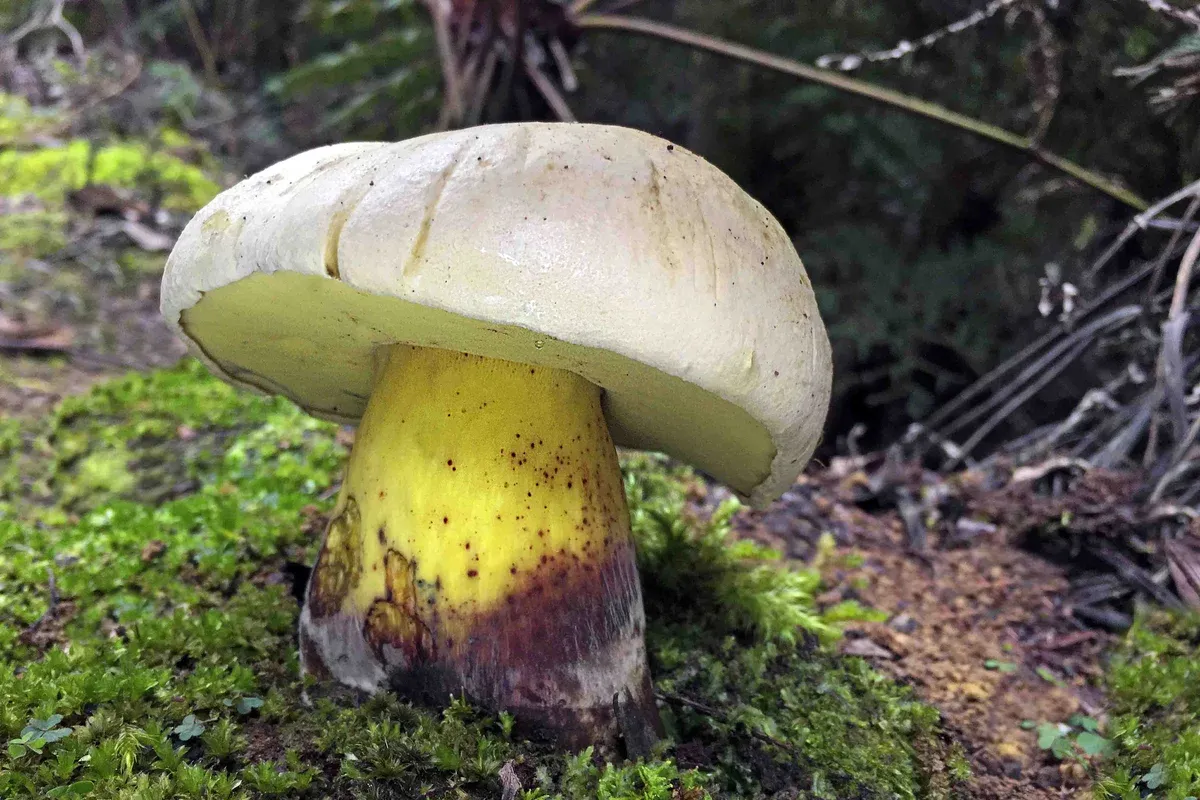
Reproduction occurs via spores, the wind or insects spread them. The spore-forming layer is usually on the underside of the mushroom cap, on lamellae, tubes or stipes, sometimes also directly on the surface, in pores or it fills the inside of the fruiting body.
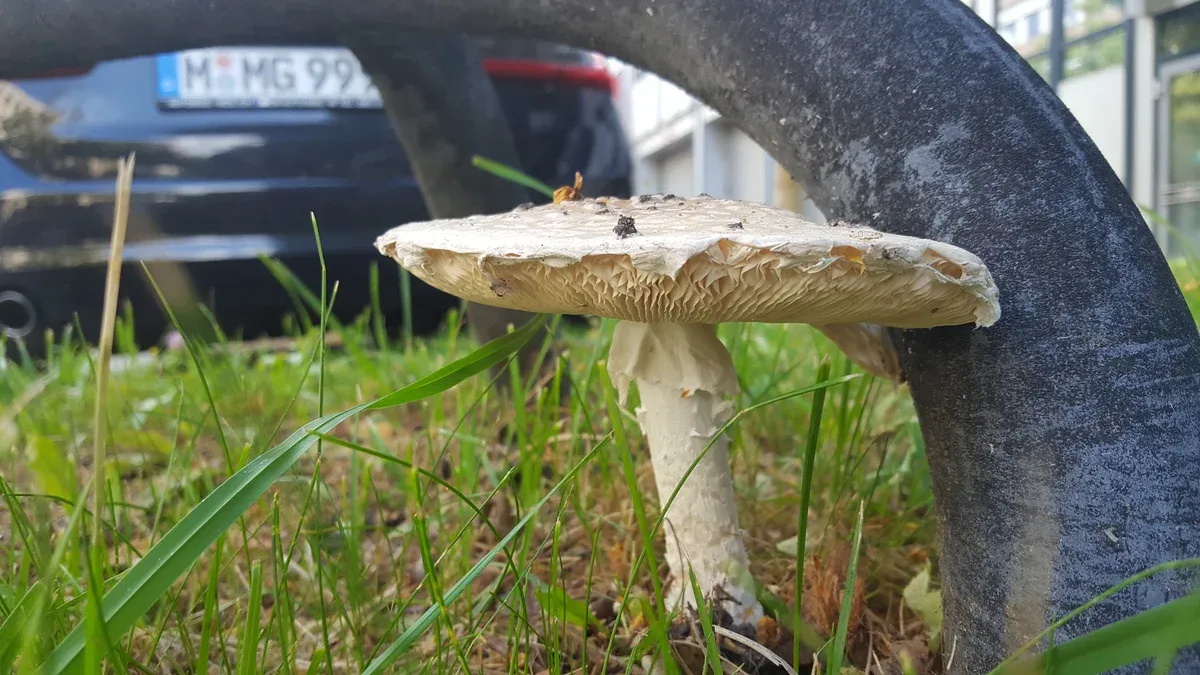
Mushrooms as city dwellers
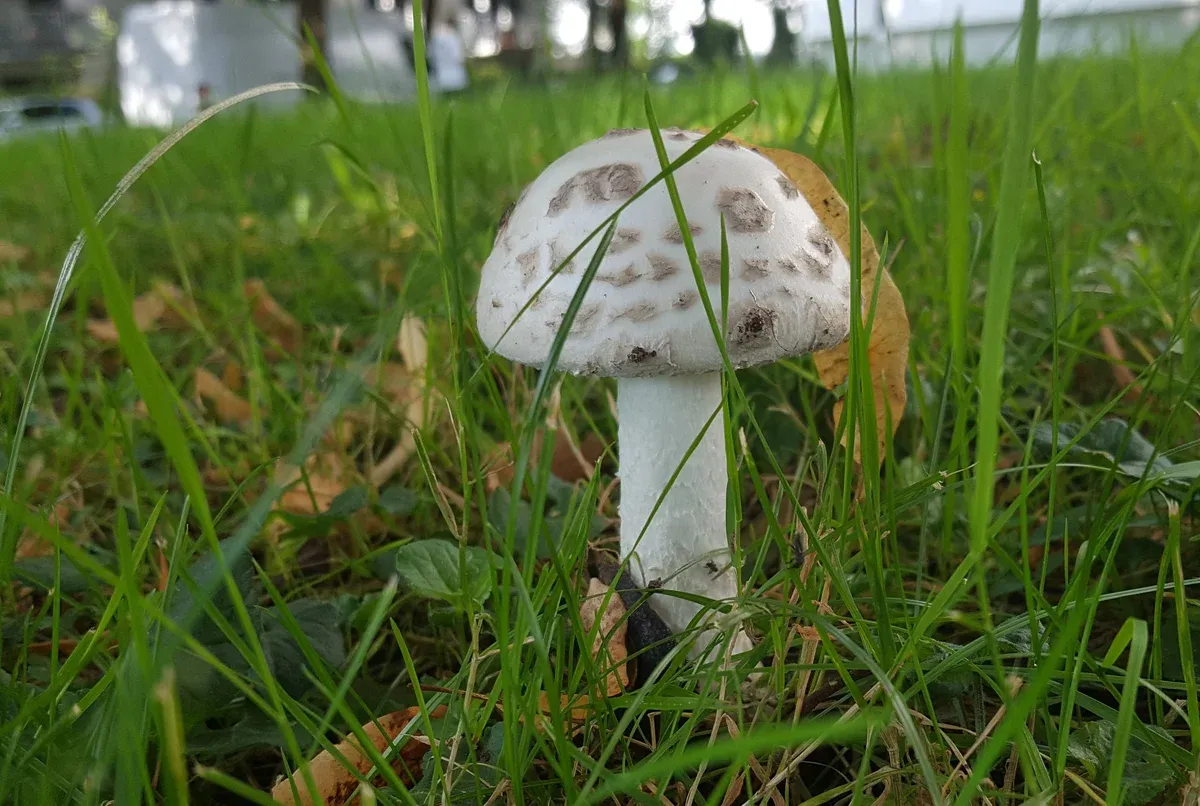
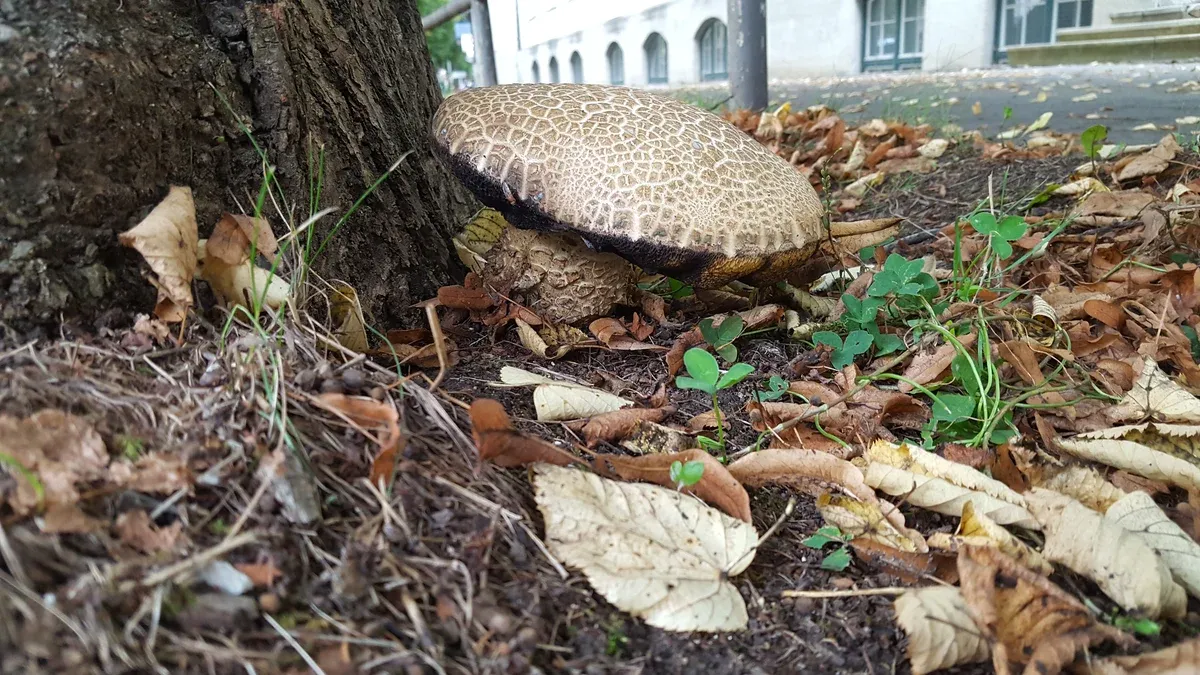
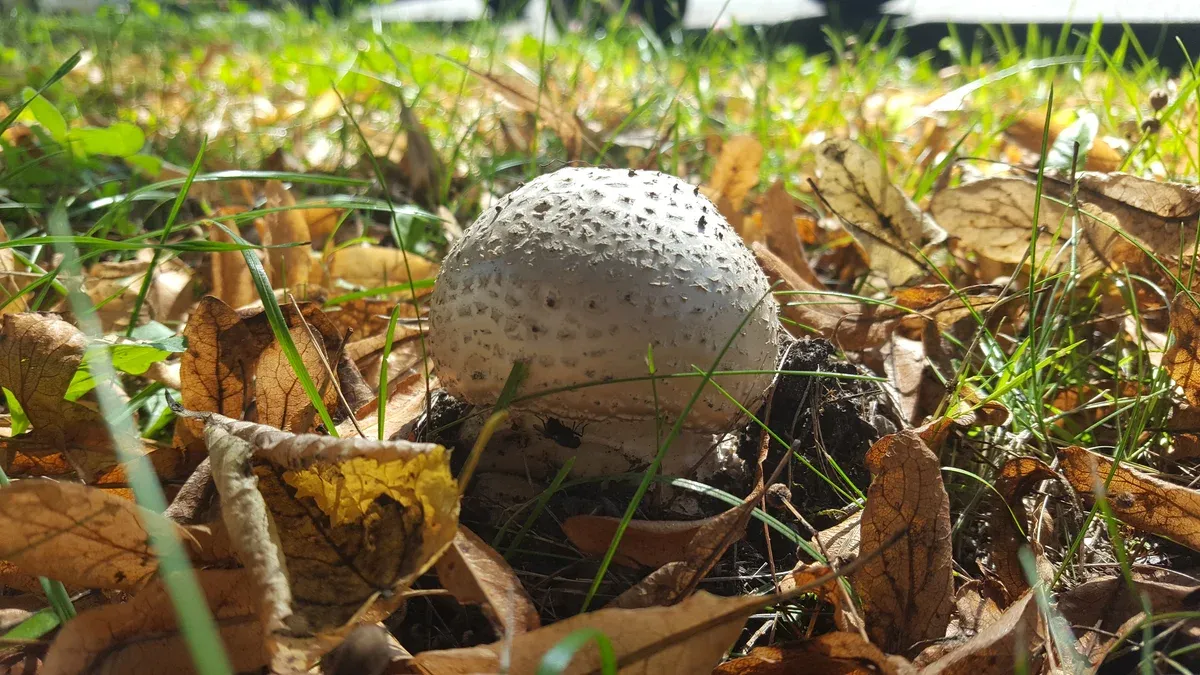
In the city, it is warmer than in the forest, and the warmth is currently increasing. Many mushrooms are heat-loving and are therefore increasingly found in urban biotopes. For example, one can find quite amazing specimens of Wulstlinge and Röhrlinge between parked cars and on lampposts. Also, Wiesenchampions, Schüpplinge, Tintlinge and many other species can sometimes appear in large numbers, especially on green strips. In the image series, one can see a rootstock in a residential area, where I found at least seven different species of large mushrooms, including the Goldfellschüppling, over the course of a year, which shared the substrate "brotherly".
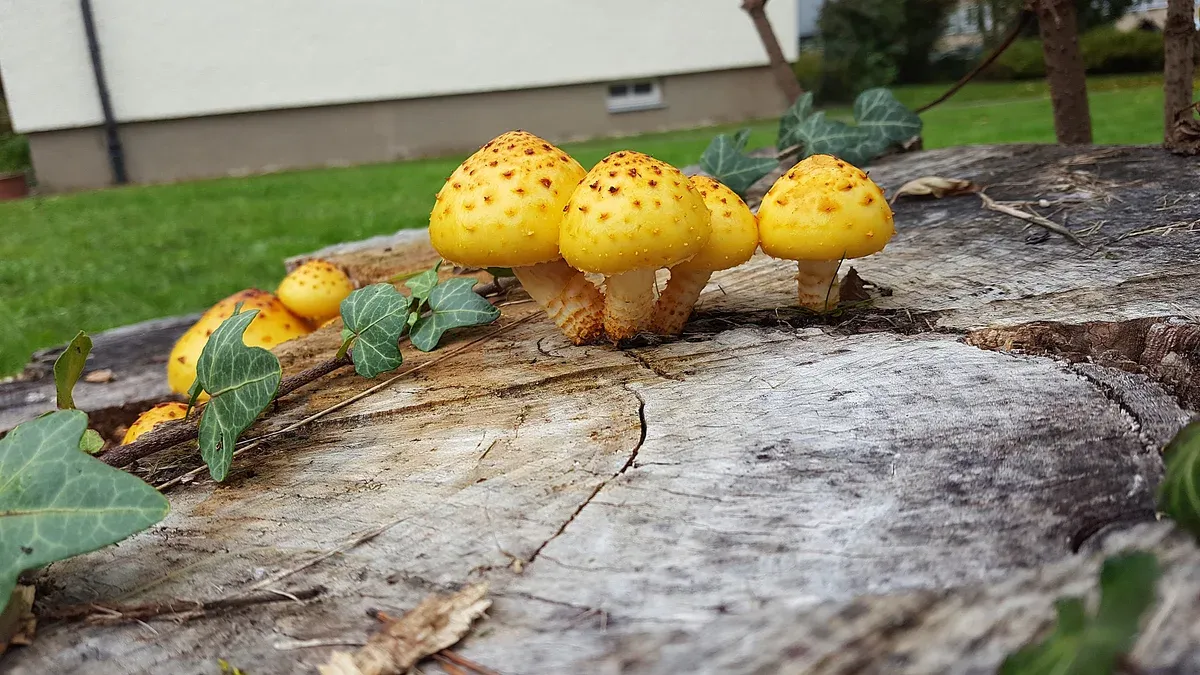
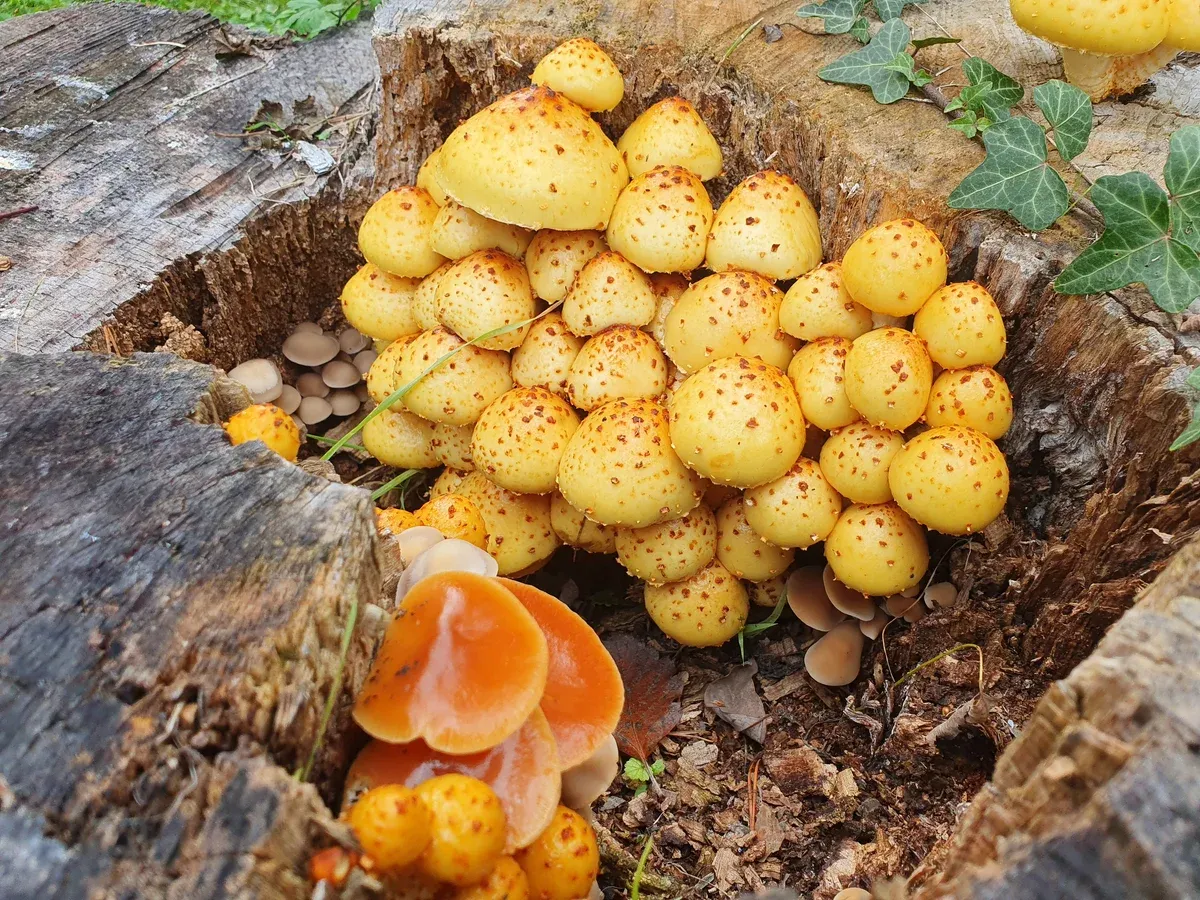
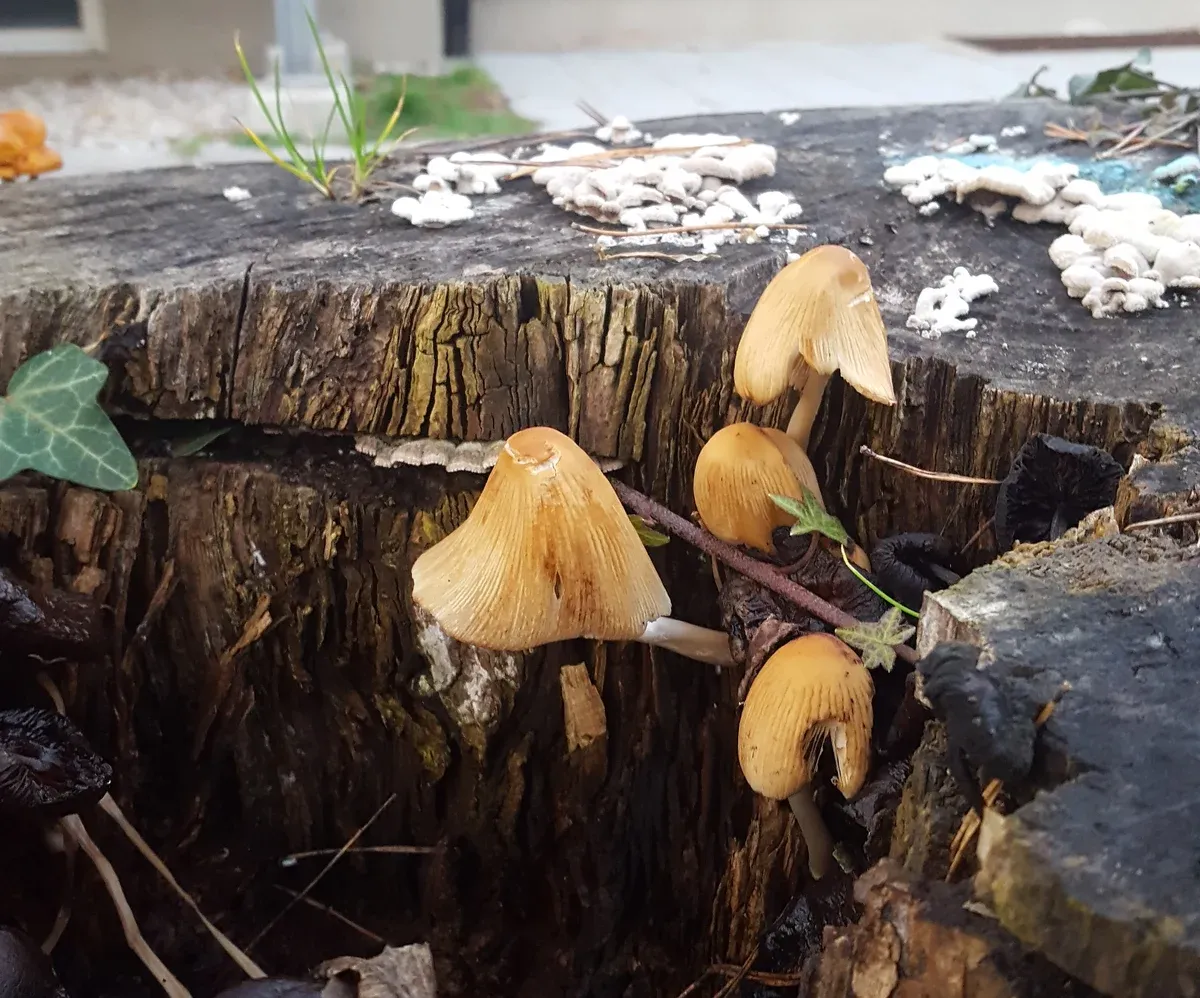
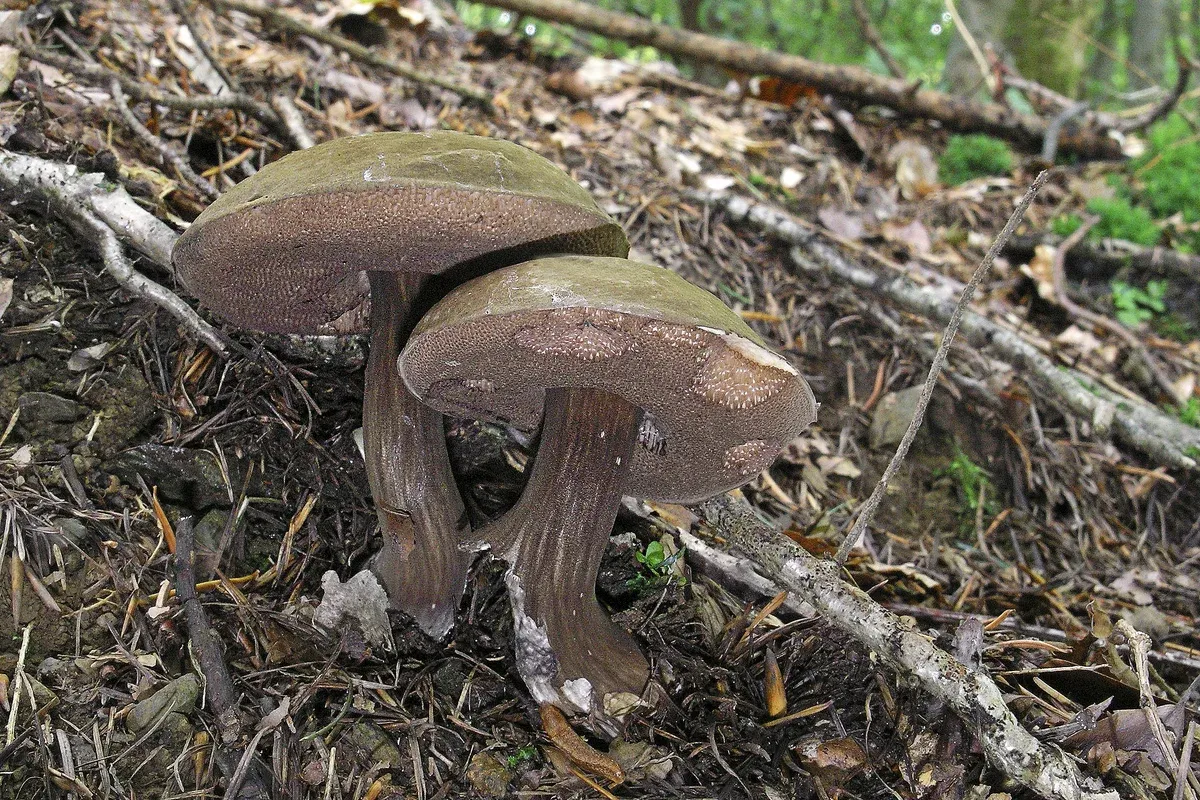
No space seems to be too narrow, an earthy strip between road and sidewalk, a front garden, a small piece of meadow. One can see a young, frilled Wulstling, the Rooting Bitter Bolete and the spiky Wulstling as a youngling.
Forest mushrooms
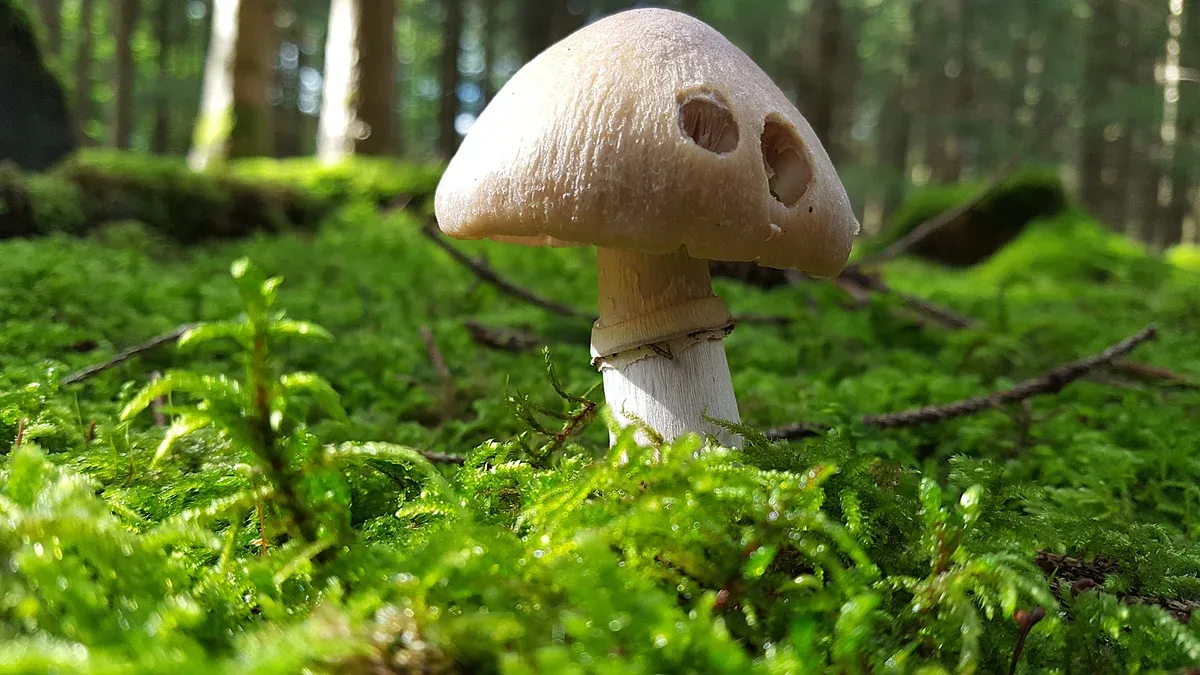
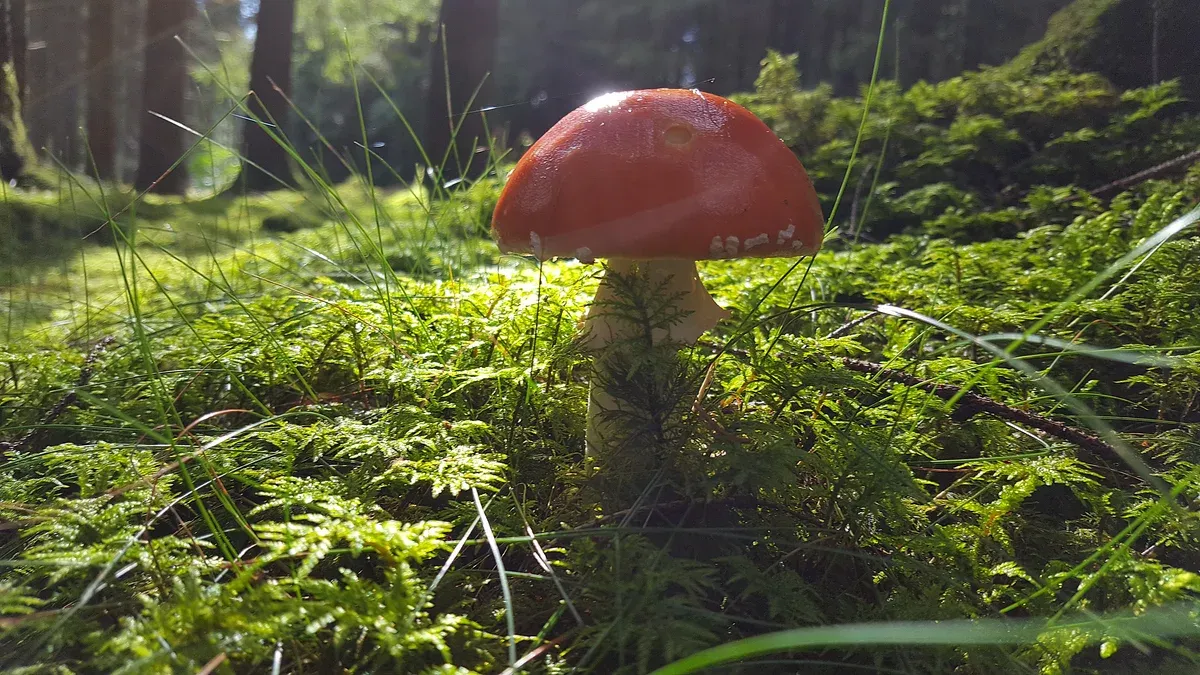
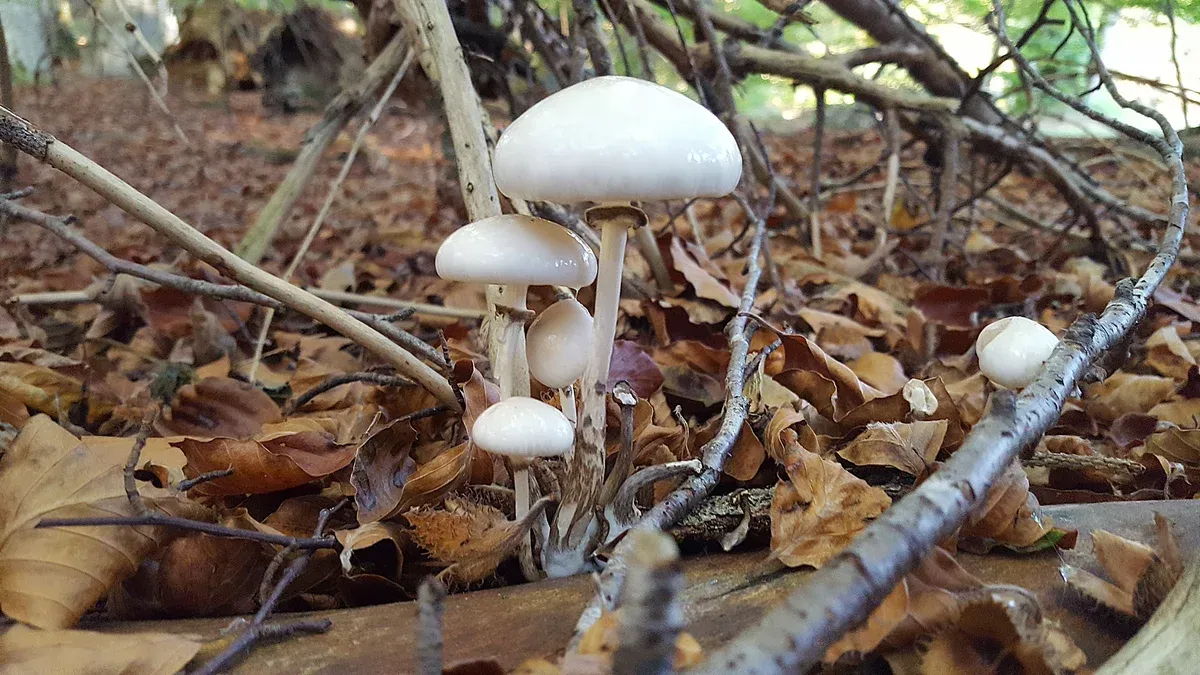
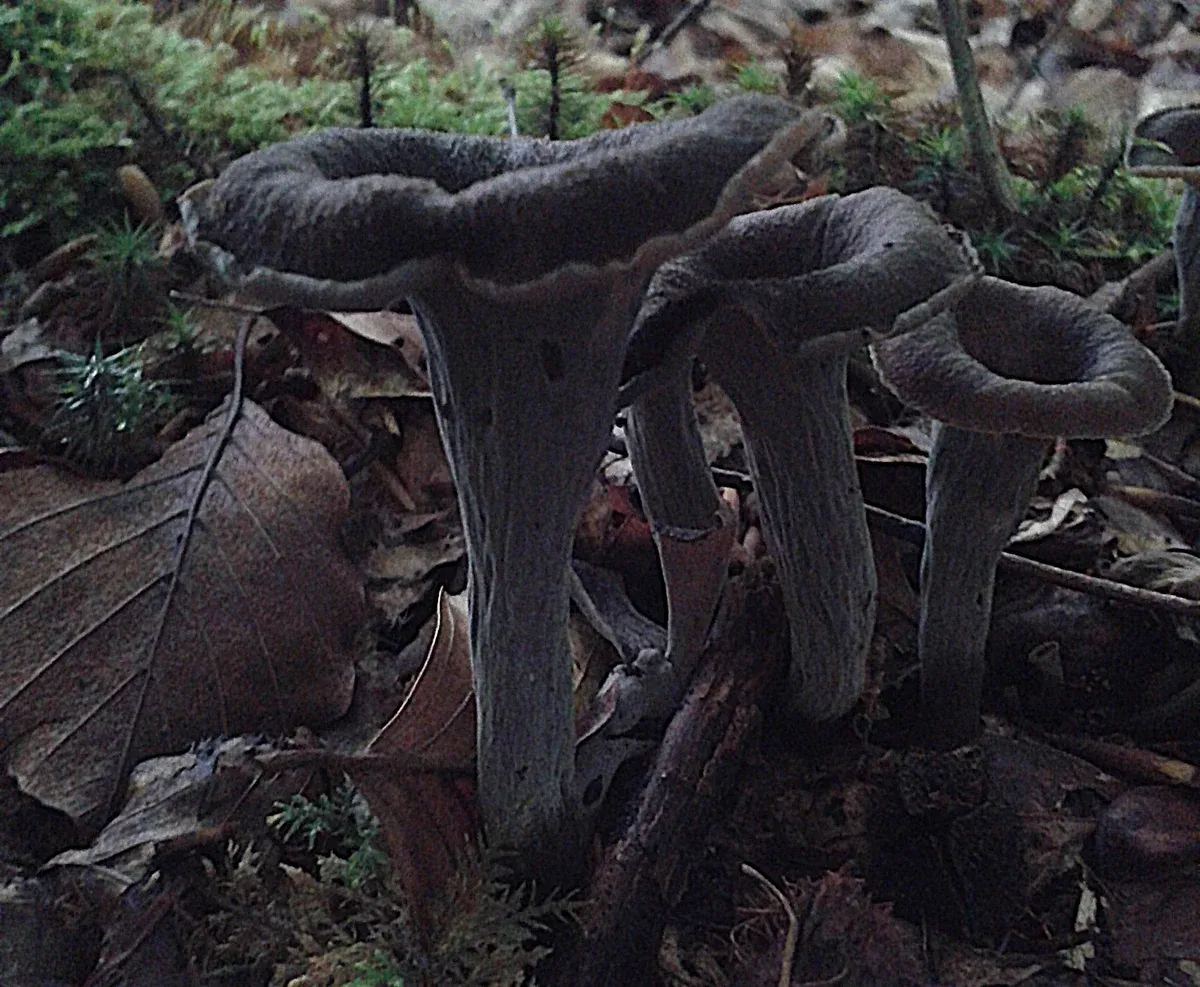
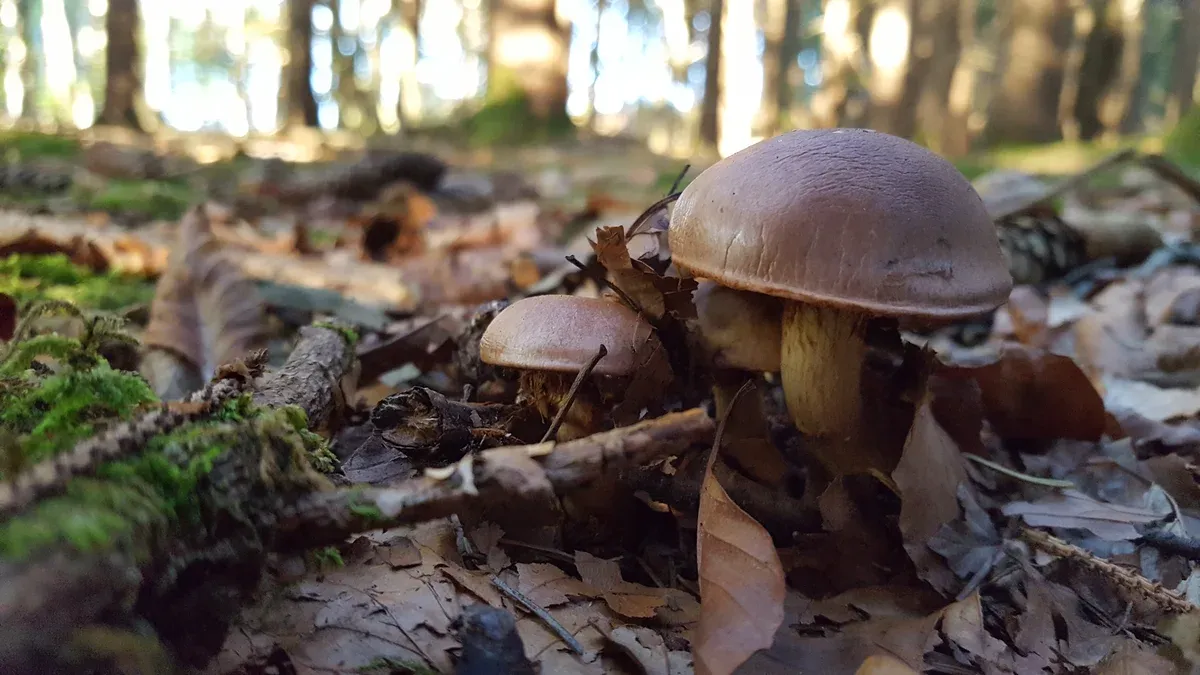
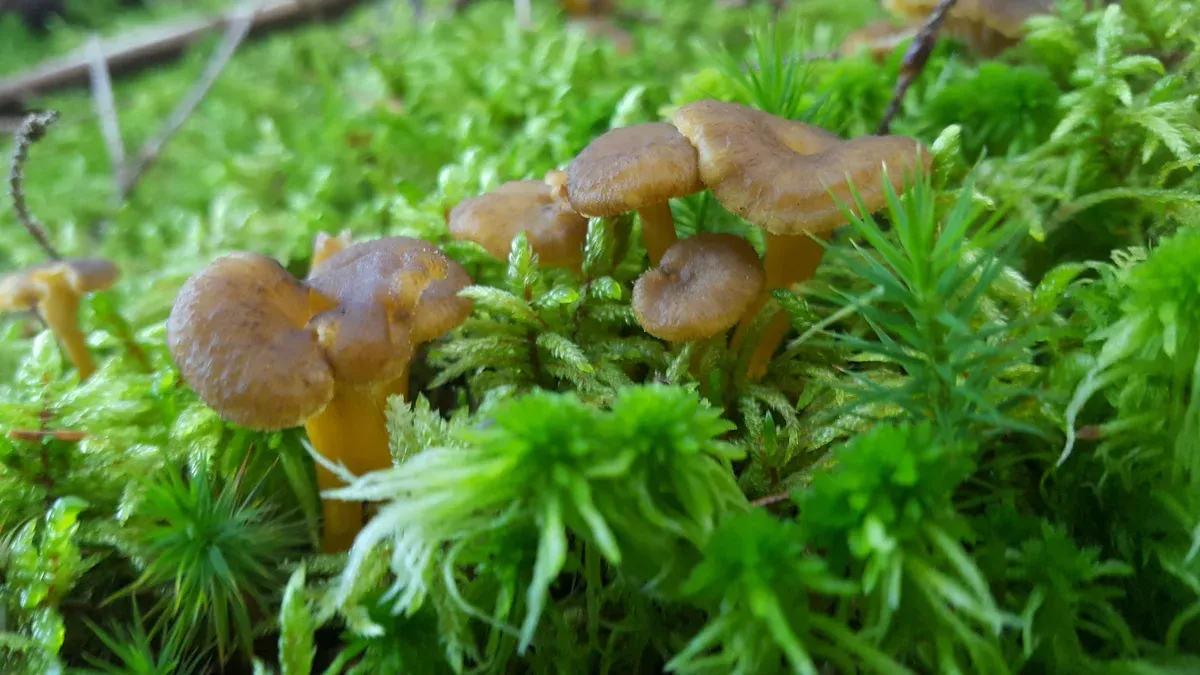
Mushrooms are very closely associated with forests, so much so that "forest" and "mushroom" are almost synonymous. Oak, beech, birch, pine, fir and spruce are the most common symbiotic partners. Forest mushrooms also appear as "pests" on living trees, as well as in the decomposition and processing of dead matter. Hardly a square meter of forest floor is not crisscrossed by several different mycelial strands. In this environment, they are certainly best visually apparent, as the following images show impressively.
Tree mushrooms - the curse of monoculture forests
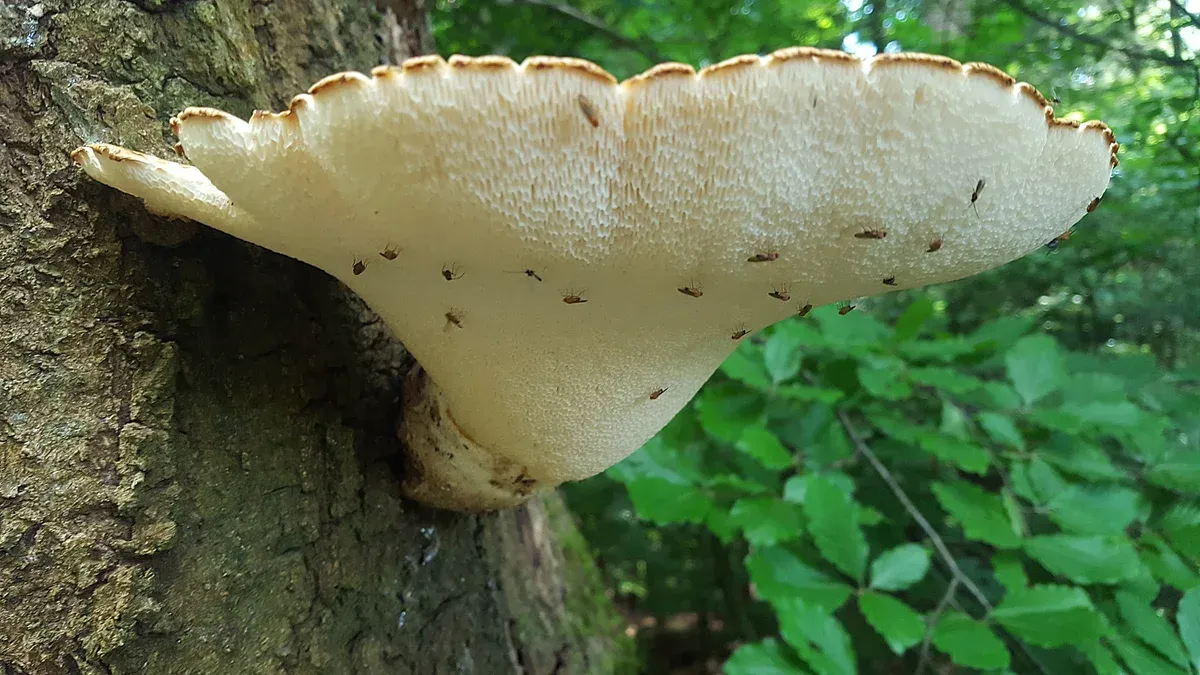
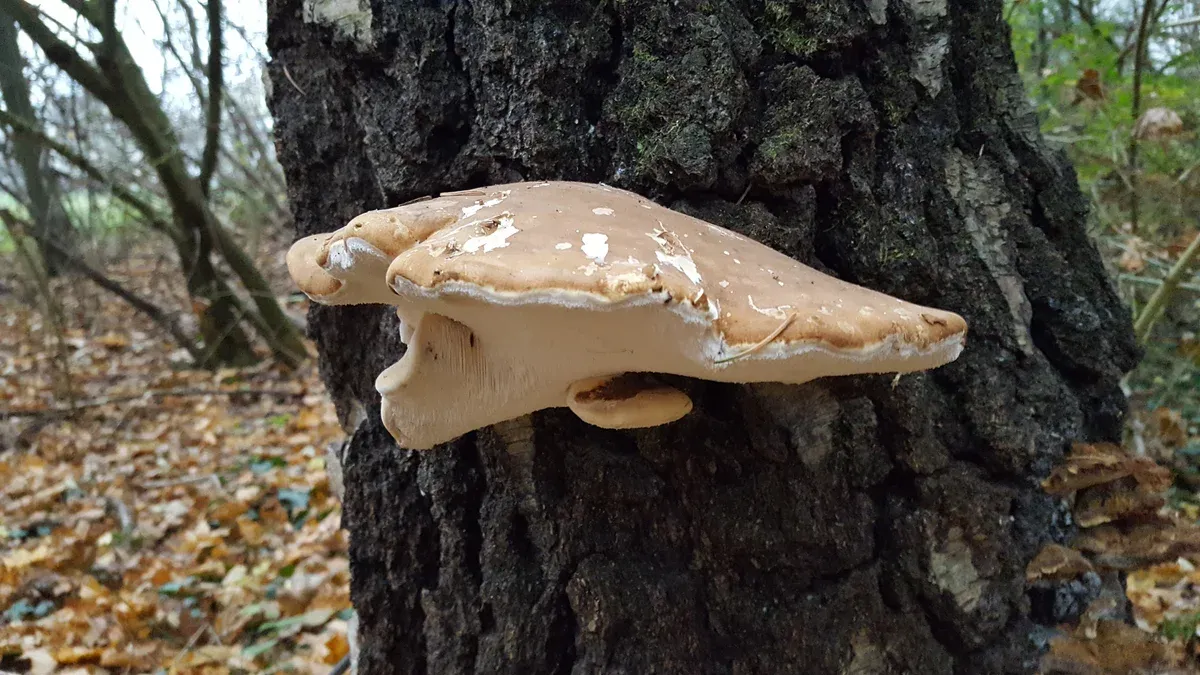
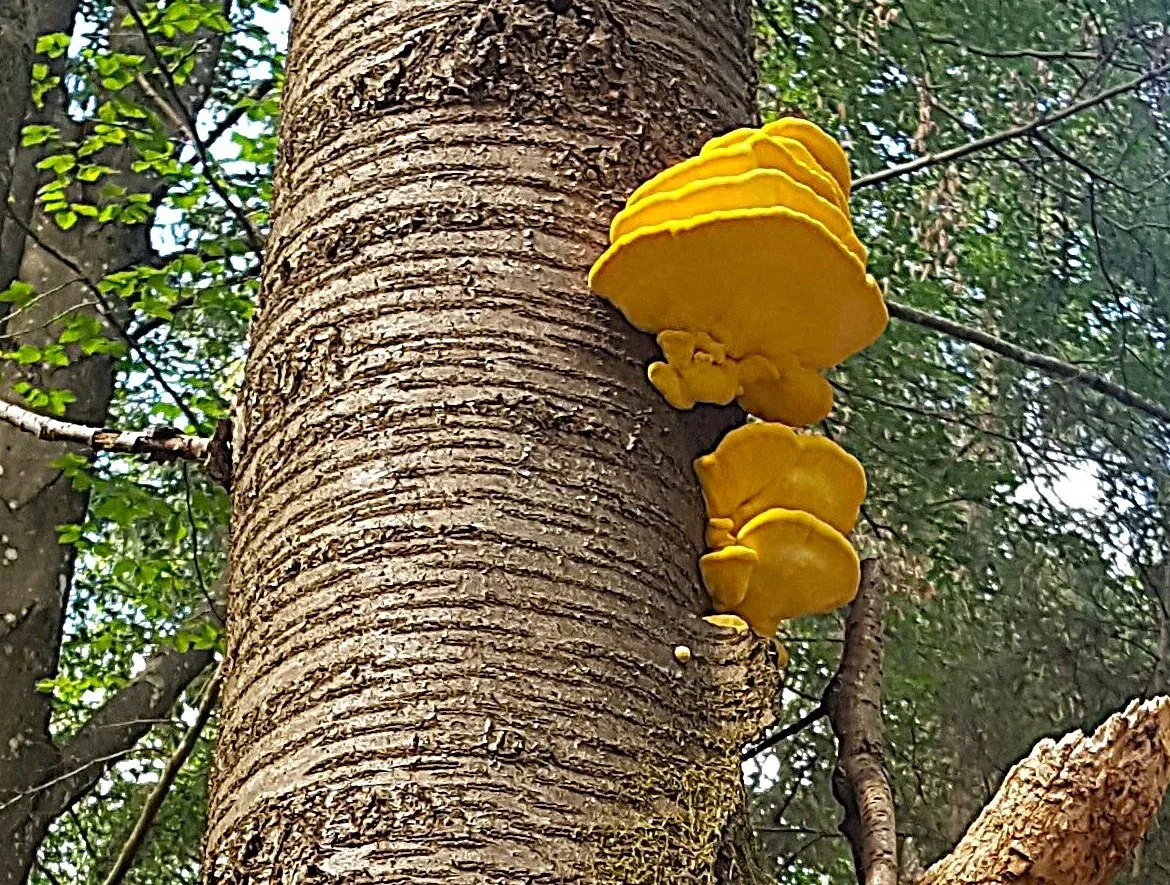
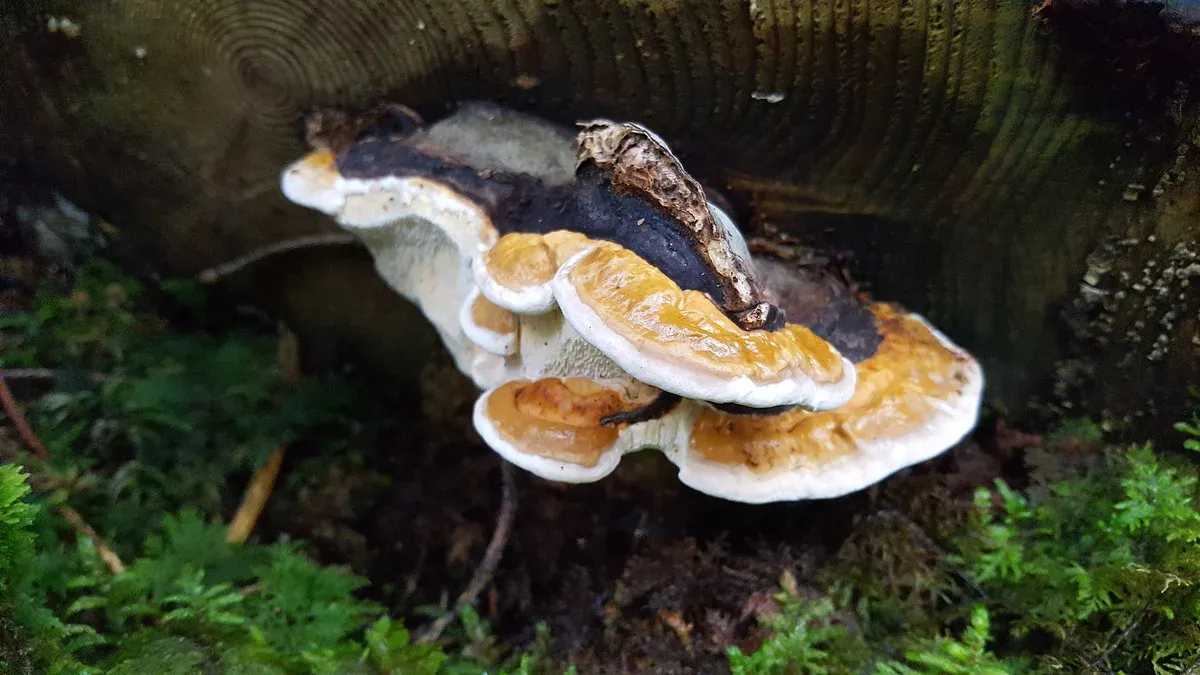
Mushrooms that grow on living tree trunks are parasites that cause great concern for foresters. They penetrate the nutrient-rich layer of the tree between bark and heartwood, thus blocking the water and nutrient transport to the upper parts or crown of the tree. This contributes to the natural regeneration of the forest. When they appear in large numbers, especially the Hallimasch and colleagues, they can turn entire forest areas into a single area of dead wood.
Specialities
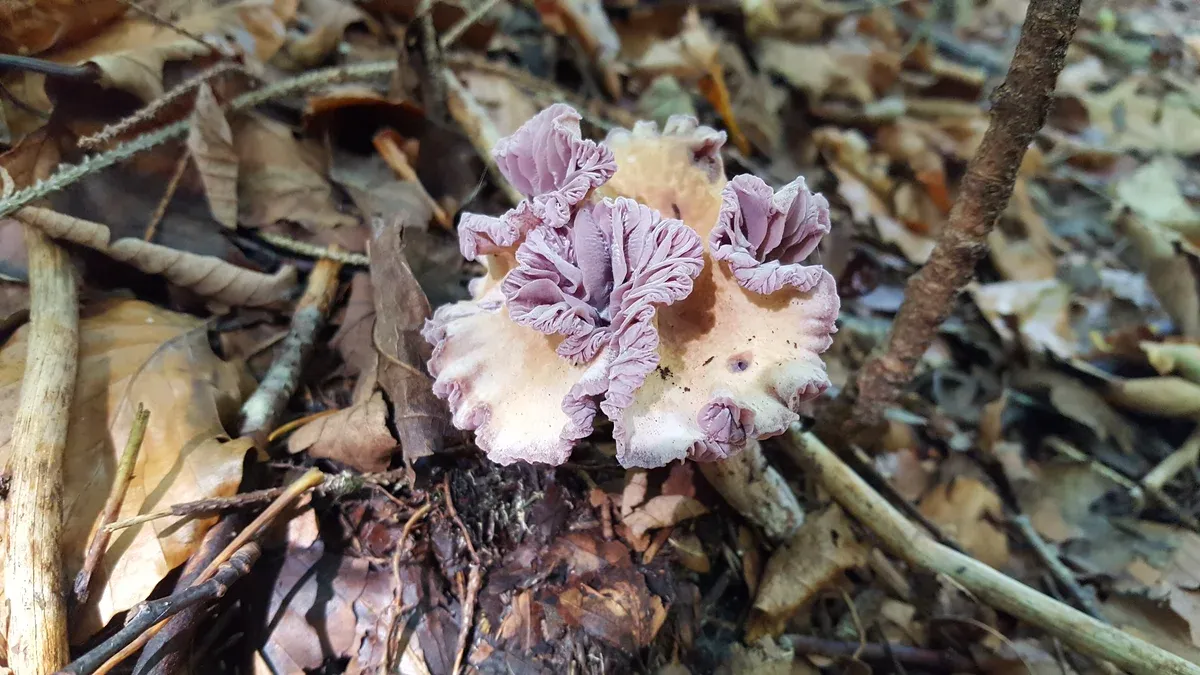
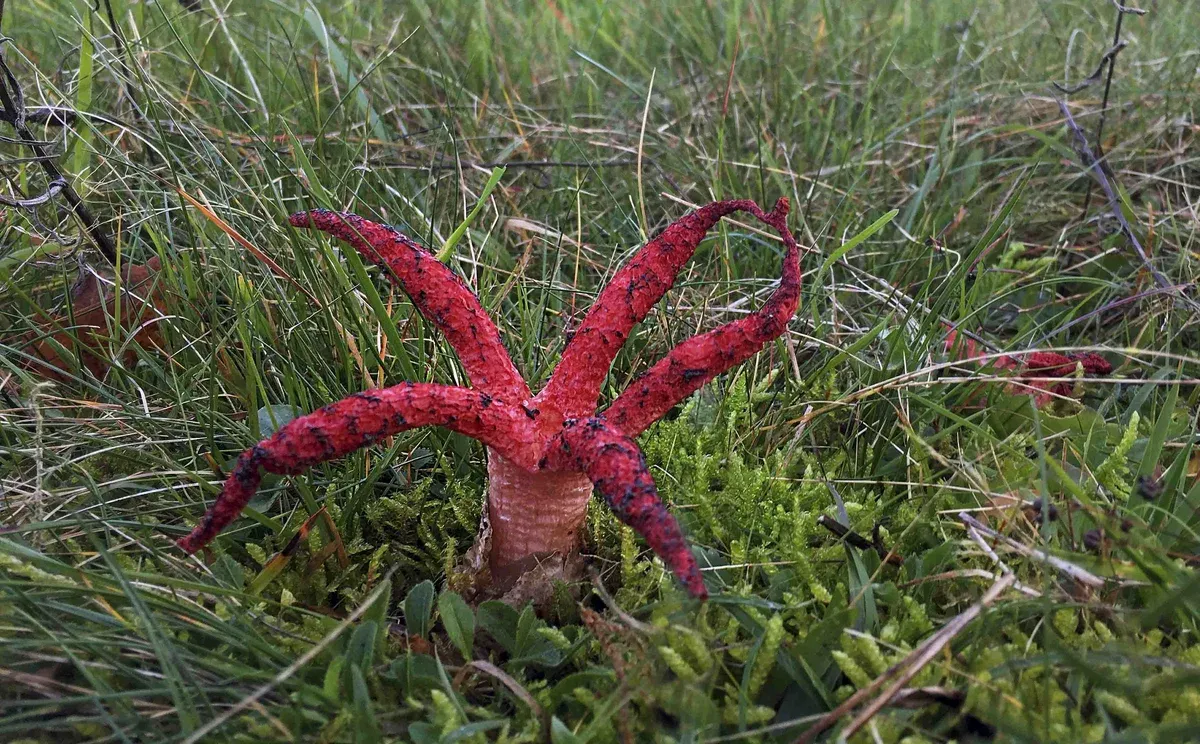
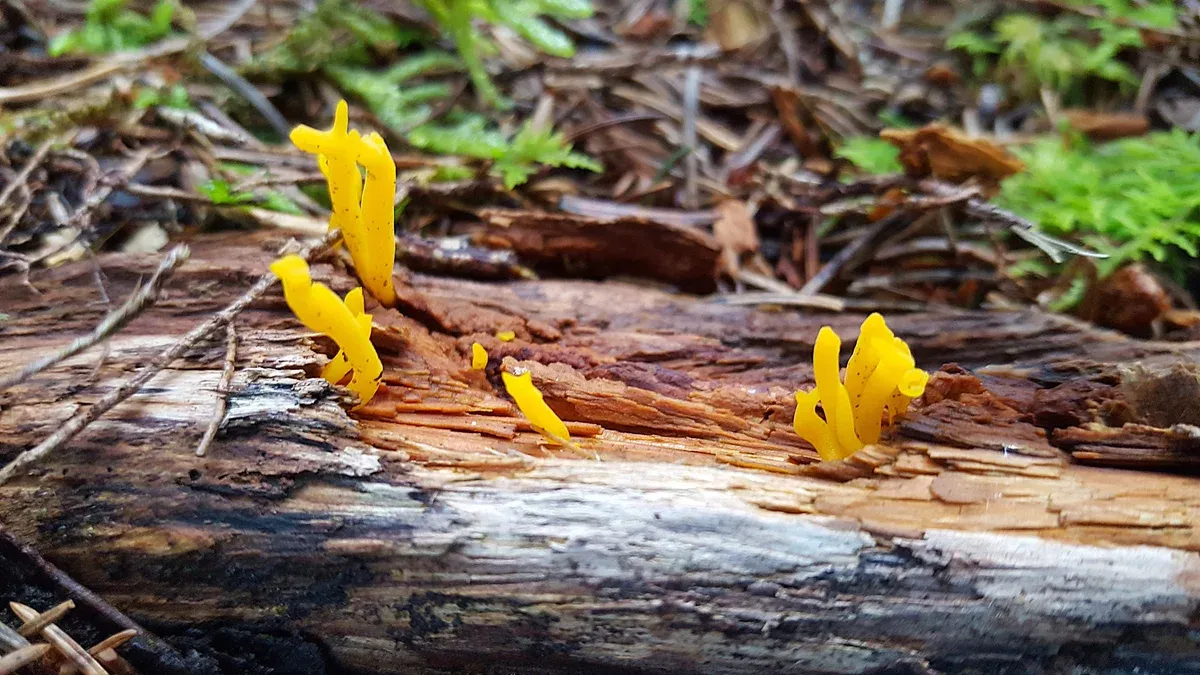
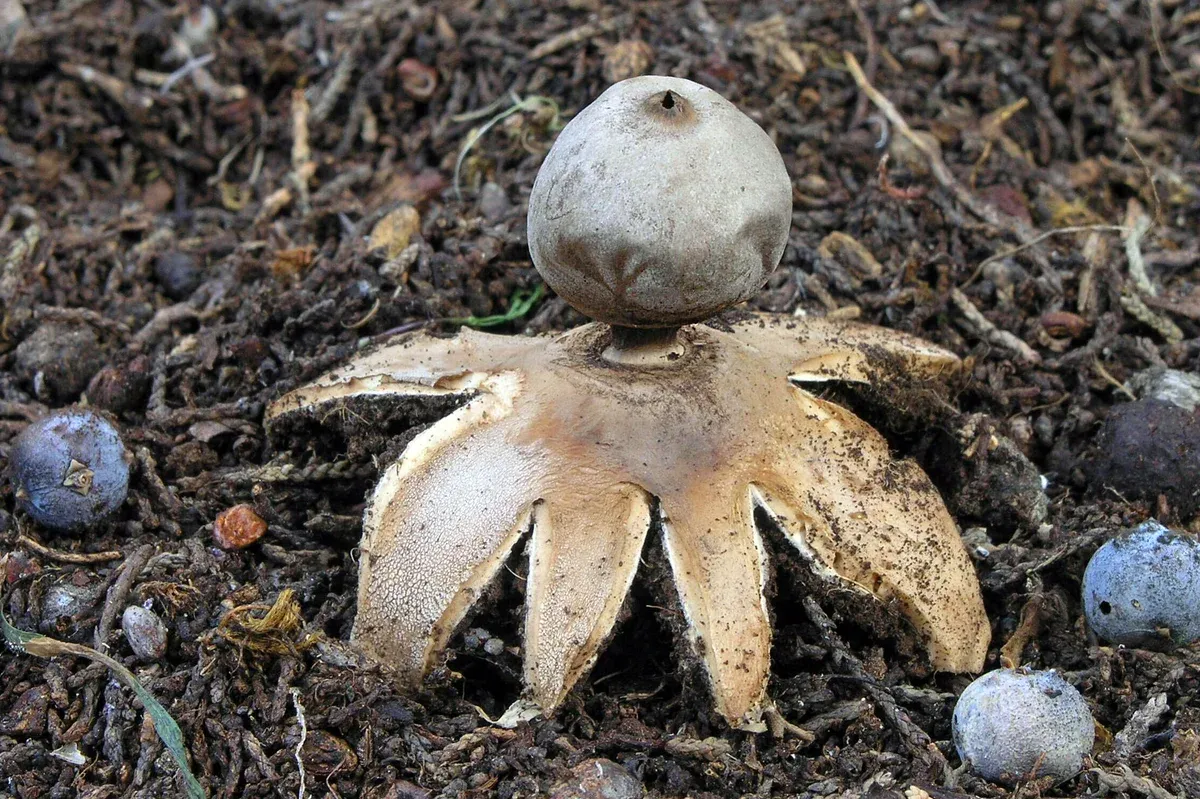
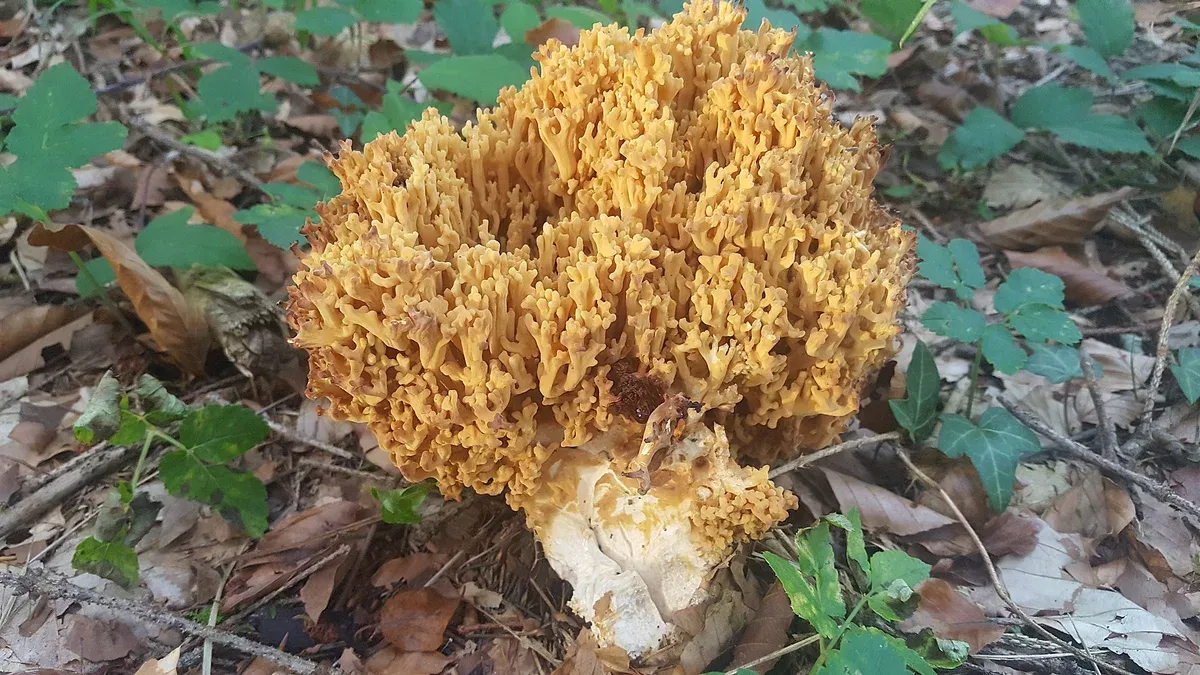
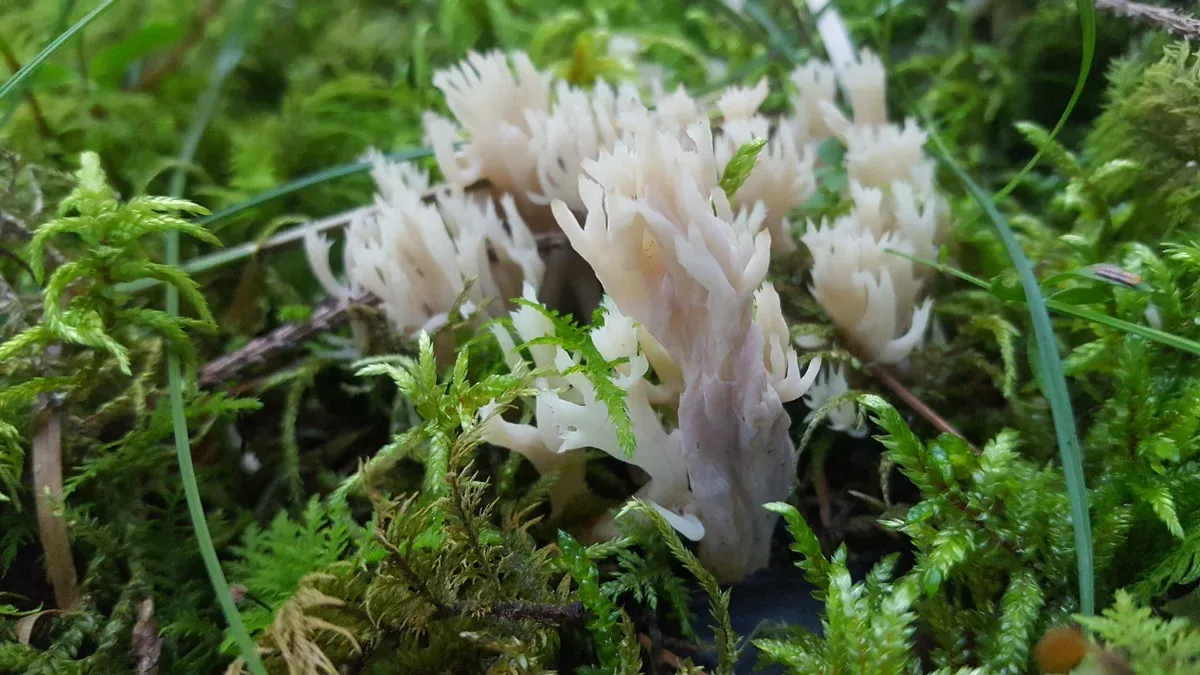
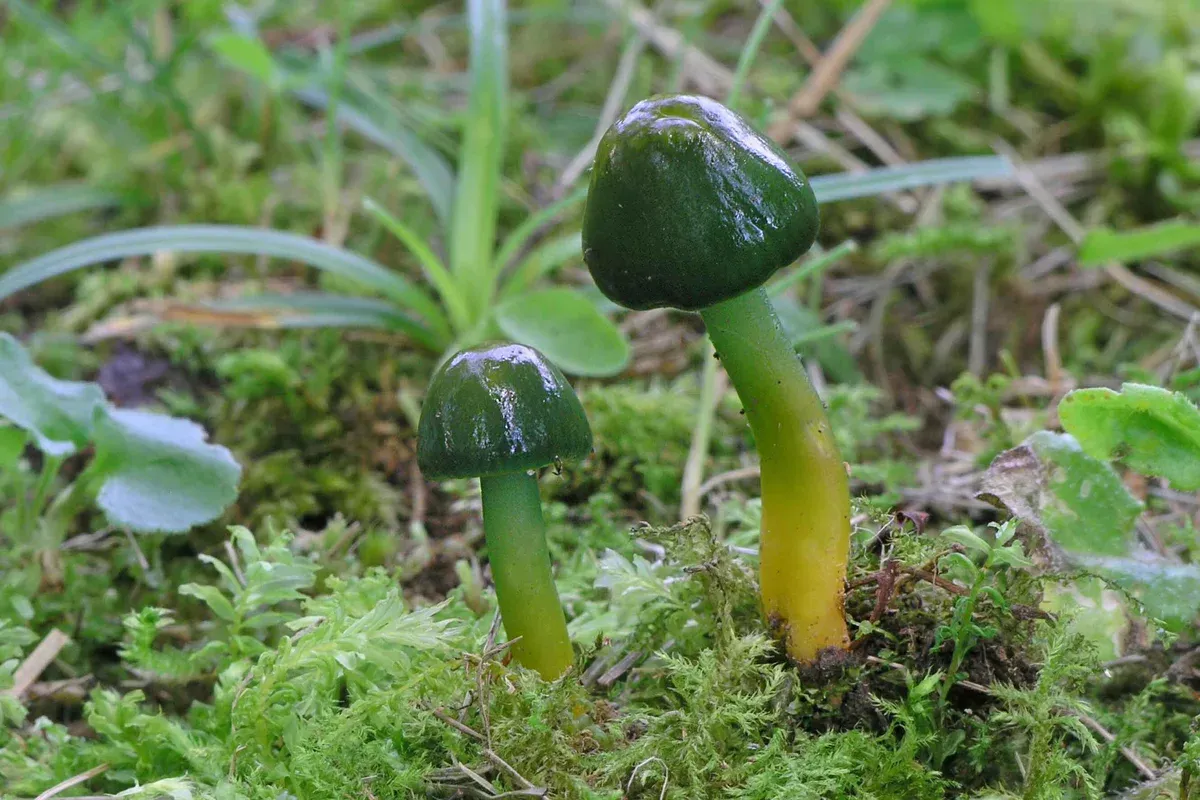
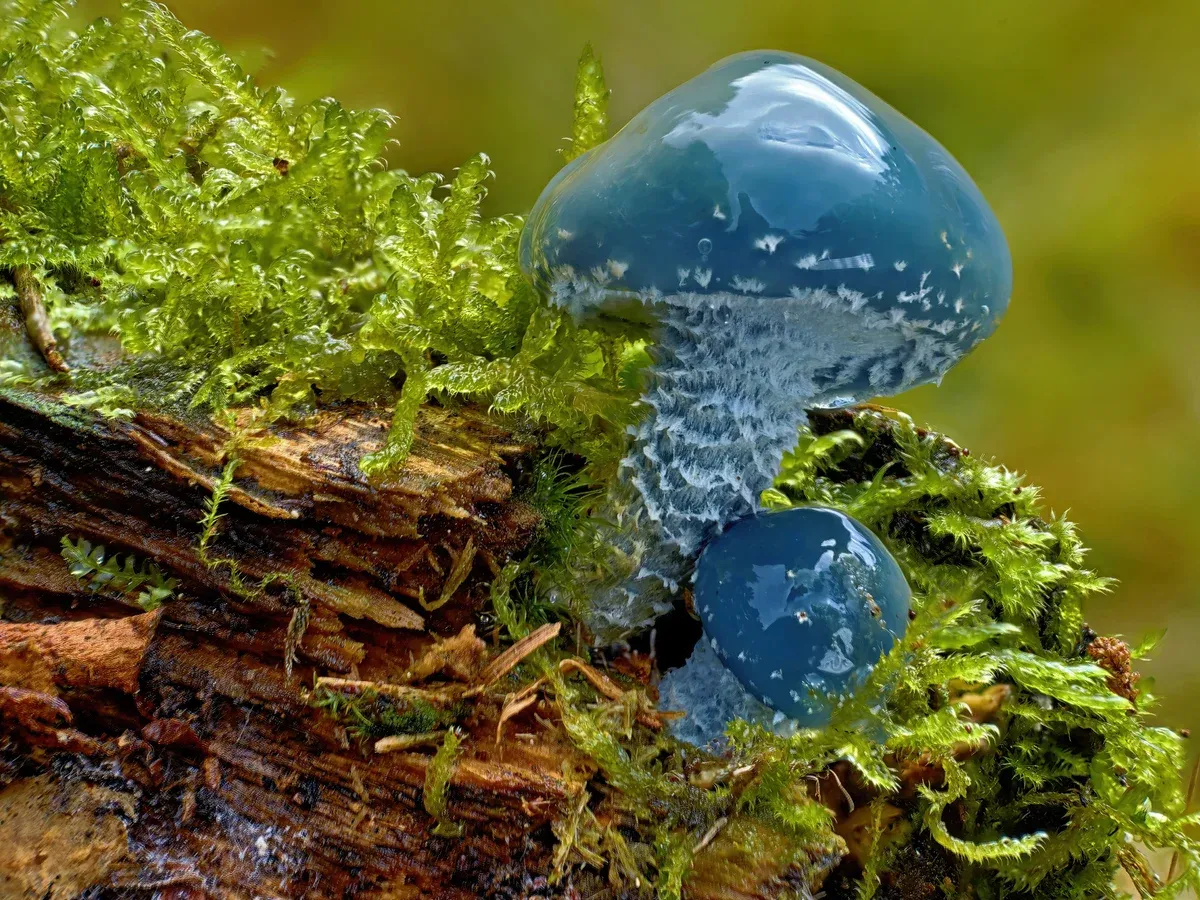
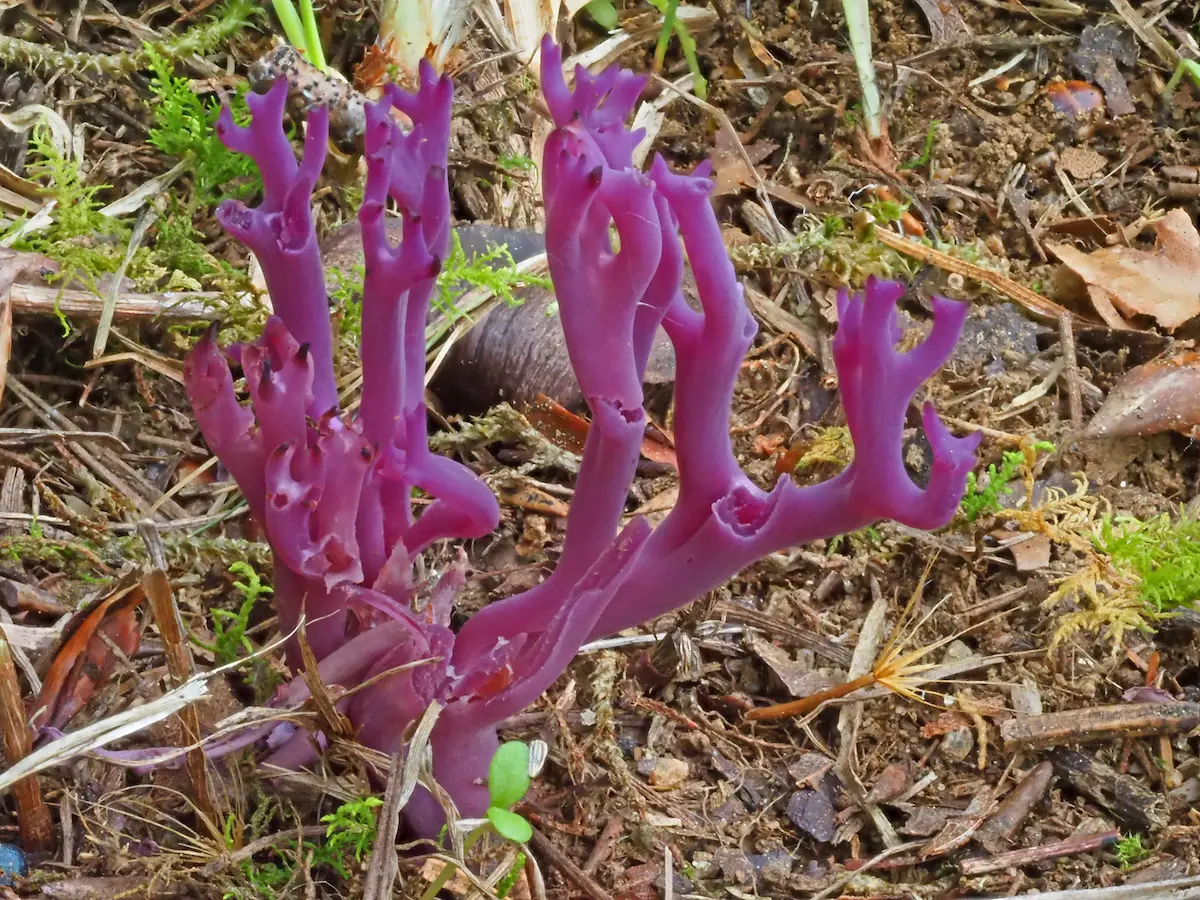
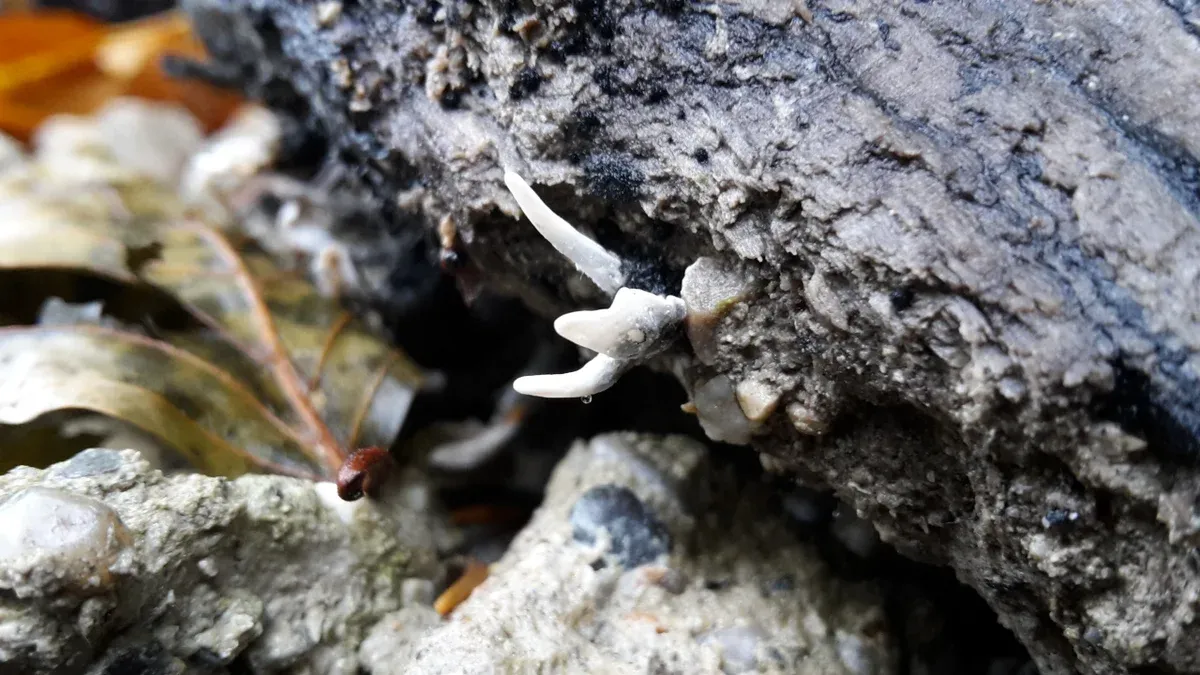
Many mushrooms have a remarkable appearance, some seem to come from another world. The here shown Blue Lacktrichterling appears on this image with pale colors and a fruiting body defect. The Inkcap is a Neophyte, a "newcomer" from Australia, the Sticky Hörnling stands out with its bright yellow color. Earth stars frill and "smoke" when touched, like industrial fumes, Coral and Keulen do not spread their caps, but rather seem to strive for something higher. Among the "conventional" mushrooms, the Saftlinge and Träuschlinge are particularly striking with their bright colors, while the Porphyrröhrling can create a truly gloomy atmosphere when it appears in large numbers in some forests.