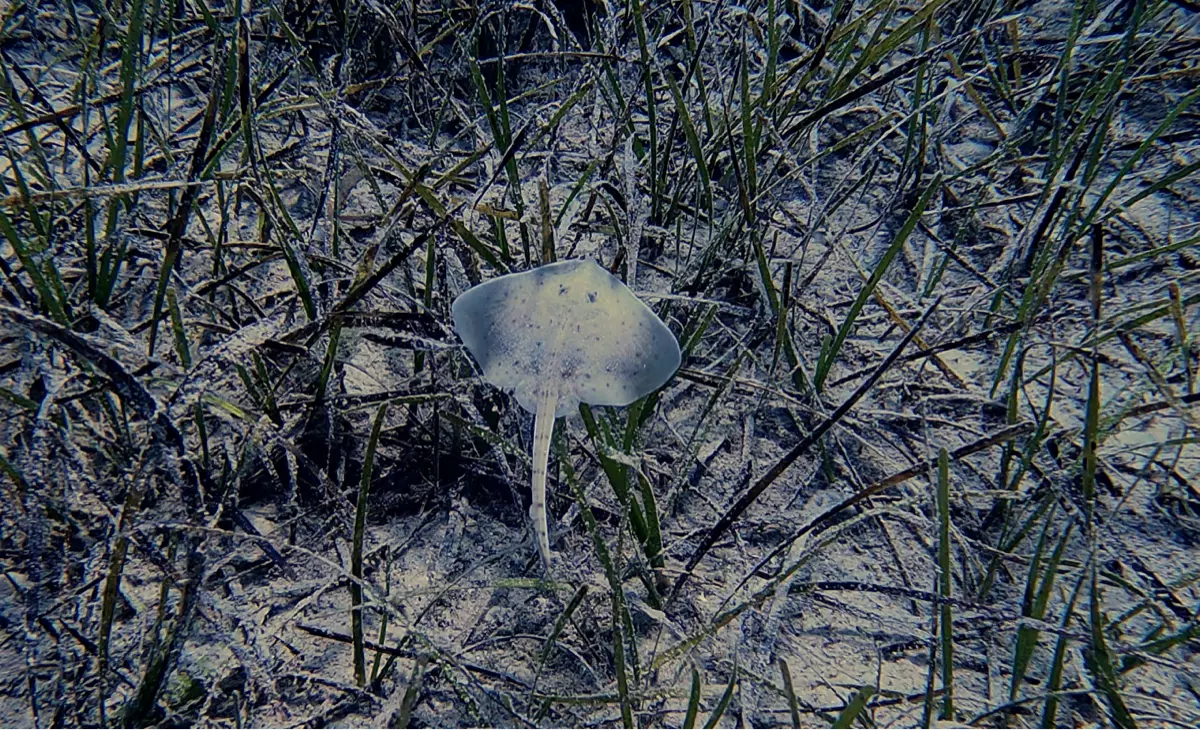
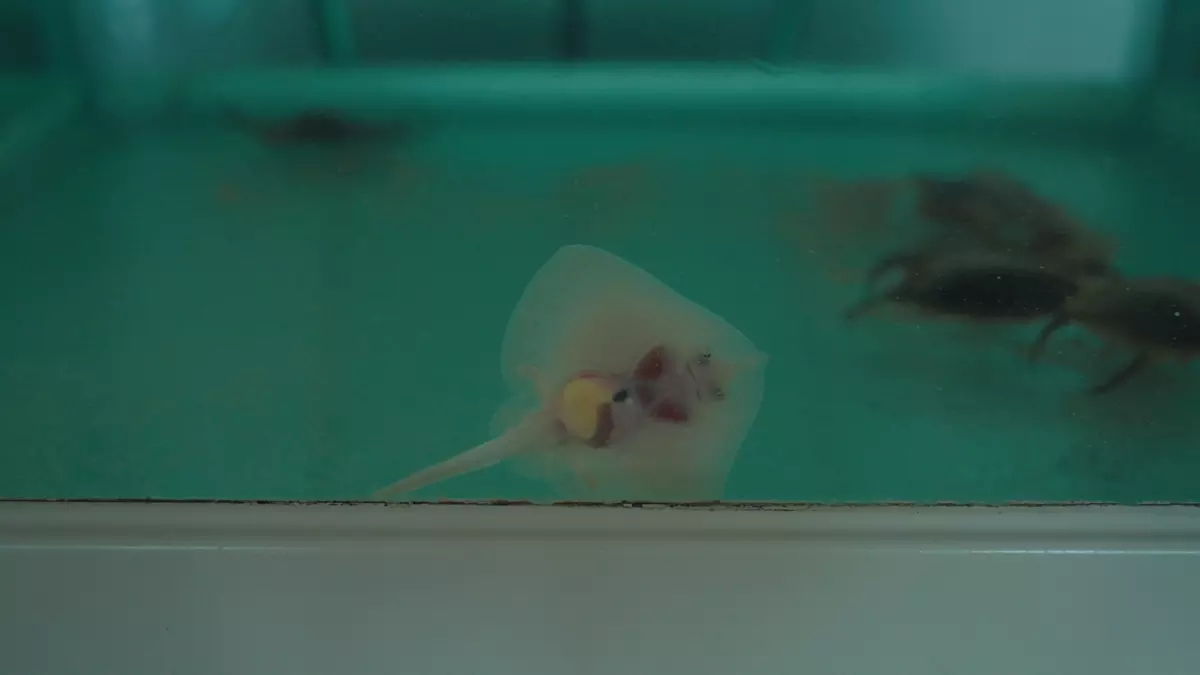
Located in the northeast of Greece, the Chalkidiki peninsula is one of the most beautiful areas of the Mediterranean. It has three “fingers”, the westernmost of which is the peninsula and landmass of Kassandra. Here, not only the premium Sani resort with a total of five hotels, but also a significant habitat of real sea urchins, specifically the spine urchin (Raja clavata), which belong to the sea urchin family and can reach depths of up to 600 meters on the seabed.
Sea urchins – ancient “winged fish”
Together with the sharks, sea urchins, with around 630 species, belong to the class of cartilaginous fish, one of the oldest fish groups, which have populated the waters and seabed for at least 250 million years. The so-called true sea urchins are egg-laying, the second and larger sea urchin family, which mainly occurs in tropical seas and sometimes also in rivers, gives birth to live young. Unlike other fish, which produce a very large number of eggs, sea urchins have only a few young per year, up to seventy, as in the case of the spine urchin. The egg capsules, which can reach up to ten centimeters in length, float in the water near the seabed.
Sea urchins, which are flat and rhomboid in shape, move forward in the case of true sea urchins, almost “flying”, with the movement process being quite comparable to that of birds in flight, but the movement of the fins is not striking, but wavy (undulating). Other sea urchin species swim more “shark-like”, using mainly their dorsal fin and tail for propulsion. Since sea urchins are very light due to the lack of bones, they do not need a swim bladder. The eyes are located on the upper side of the body, which is often equipped with scales or spines. To capture their prey, they have "Lorenzinian ampullae" on the sides, which are very sensitive and react to even the slightest movements in the surrounding area. They breathe through the so-called gill slits, which are located at the front of the upper side of the body. This prevents their gill slits, which are located on the underside, from becoming clogged with mud in the seabed.
Large sea urchins, such as the manta, are at the top of the food chain, even though they feed on small creatures that they filter out of the water. Smaller sea urchins have many predators, including sharks. Spine urchins can reach a size of up to 120 centimeters in females, while males reach up to 80 centimeters. They reach sexual maturity only after several years. Sea urchins are from the start on their own, there is no parental care.
Ecological importance
Sea urchins play a significant role in the ecological balance of the seas worldwide. They not only keep their prey populations vital, including small fish, sea urchins, crabs and other shellfish, but they also "clean" the seabed and are themselves prey for larger aquatic predators.
Threat
As almost everywhere on the planet, humans are the biggest threat to the populations. This is mainly due to industrial fishing, with the constant danger of overfishing, then the destruction of habitats, especially the sensitive seabed, as well as bycatch, in which fish are often not even used. Climate change also contributes to this, as it warms the water body, making it more acidic and less oxygenated, as well as the entry of plastic into the sea, which decomposes into microplastic and feeds to the animals, on which they may eventually starve with a full stomach. The bycatch of freely floating egg capsules is particularly critical, as these are lost without special treatment. The eggs, which are surrounded by a leathery skin with adhesive attachments, often get caught in the nets.
According to the Red List of endangered species, around 20 percent of all sea urchin species are threatened, 13 species are even threatened with extinction.
The project to save sea urchins
The Thermaikos Biodiversity Project, named after the Gulf on the west coast of the Kassandra peninsula, started in 2021 as a project to protect several endangered dolphin species and now mainly focuses on the biodiversity of the habitats as a whole and on raising awareness among both the local population and tourists. The tasks regarding individual species, such as marking, monitoring populations and if necessary, carrying out specific protection measures, are still carried out without fail.
The participants
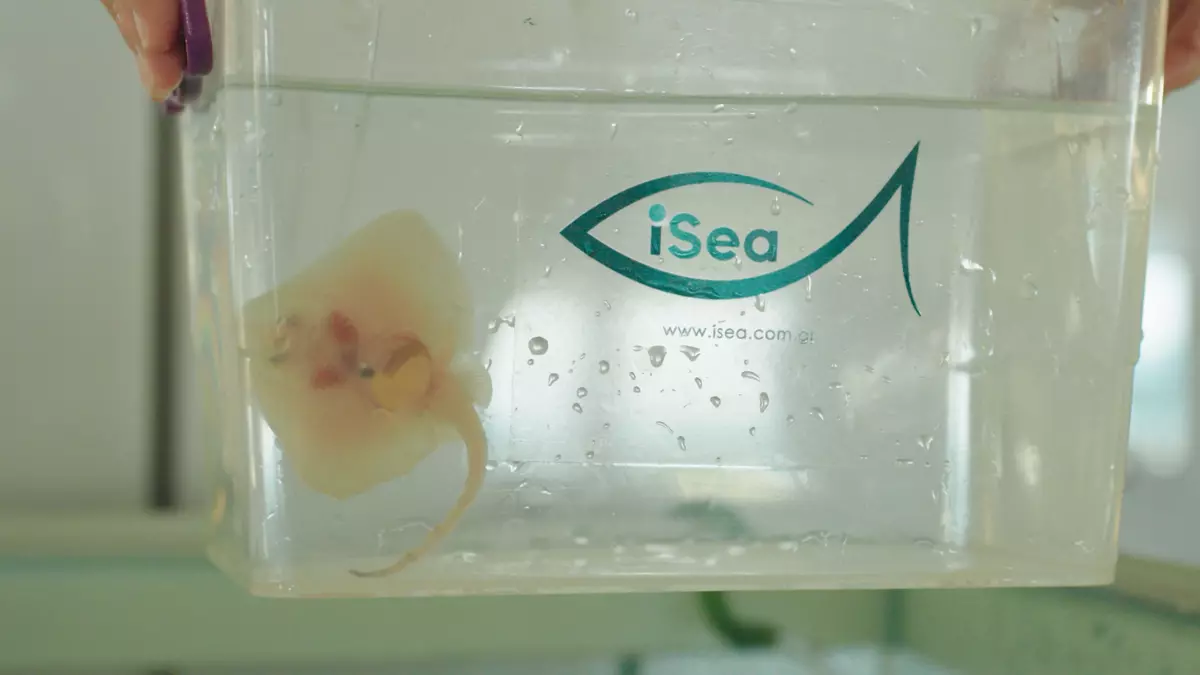
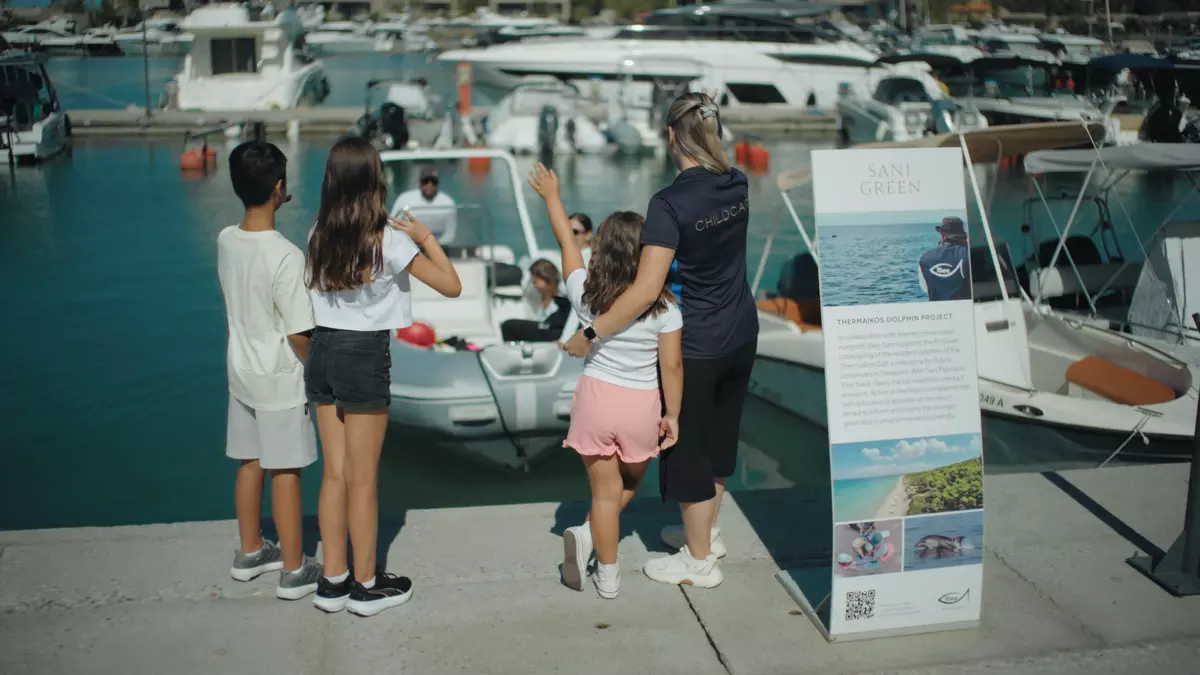
The Thermaikos Biodiversity Project is supported by Sani Resort and the iSea initiative, which was founded in Thessaloniki in 2016, with the Spanish Associació Lamna also involved in the scientific documentation and evaluation. However, it is mainly the local fishermen who have been sensitized and now, for example, examine every bycatch of sea urchin eggs, which they pass on to Sani Resort so that these can grow into strong young in the protected space, i.e. in special aquariums.
First successes
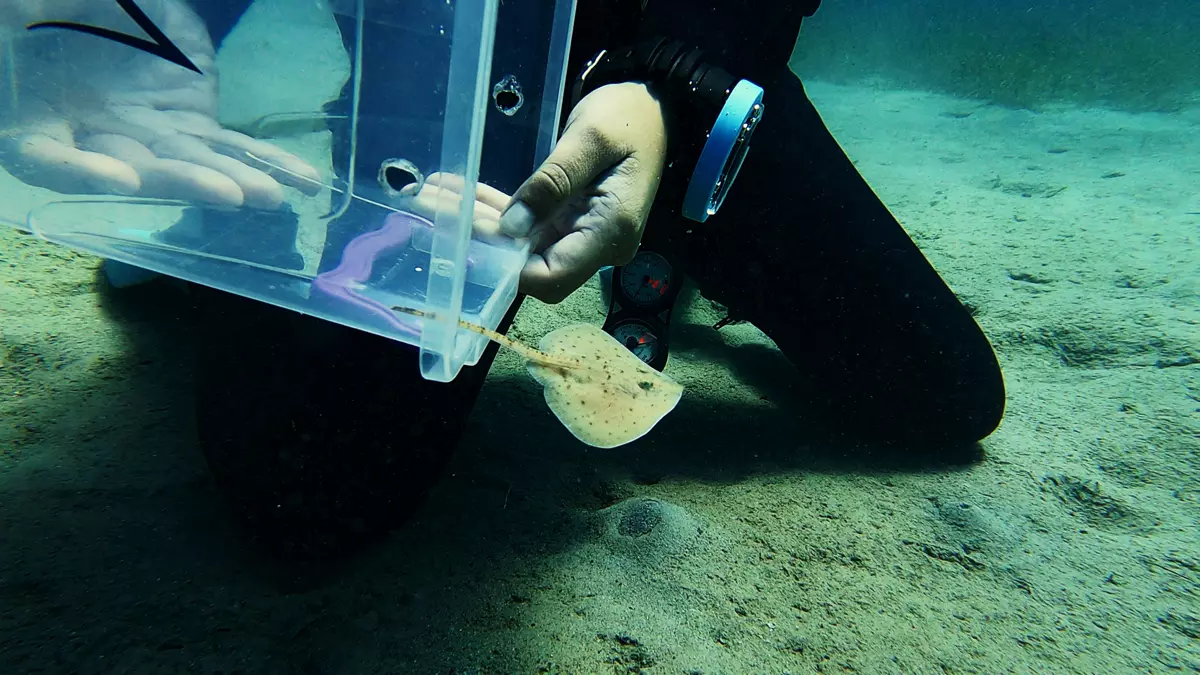
As Sani Resort reports, for the first time an egg capsule has matured under human care in a special breeding tank and a healthy young animal, about ten centimeters long, has been released into the sea. This success is particularly significant, as it is only the second documented breeding in the entire Mediterranean.
The role of tourism
Worldwide, more and more tourism companies understand the importance of an intact environment for their business model. While in the past, it was mainly individual entrepreneurs who had personally committed to sustainability, this commitment is increasingly becoming institutionalized. And it is no longer limited to waste prevention, water management, energy supply and the use of local building and supply materials, but rather focuses on the intact nature in all its complex interconnections, ideally even with the involvement of tourists, who can thus experience a completely new and meaningful moment of their stay. Sani Resort is making significant pioneering work in this regard.
Also read our article about Sani Resort in the "Sustainable Destination" section:
https://www.natur-nachhaltig-erfahren.de/nachhaltige-genussorte/sani-resort-setzt-massstabe-fur-nachhaltigen-urlaub
https://sani-resort.com/de
Text: Werner Köstle
Pictures: Sani Resort