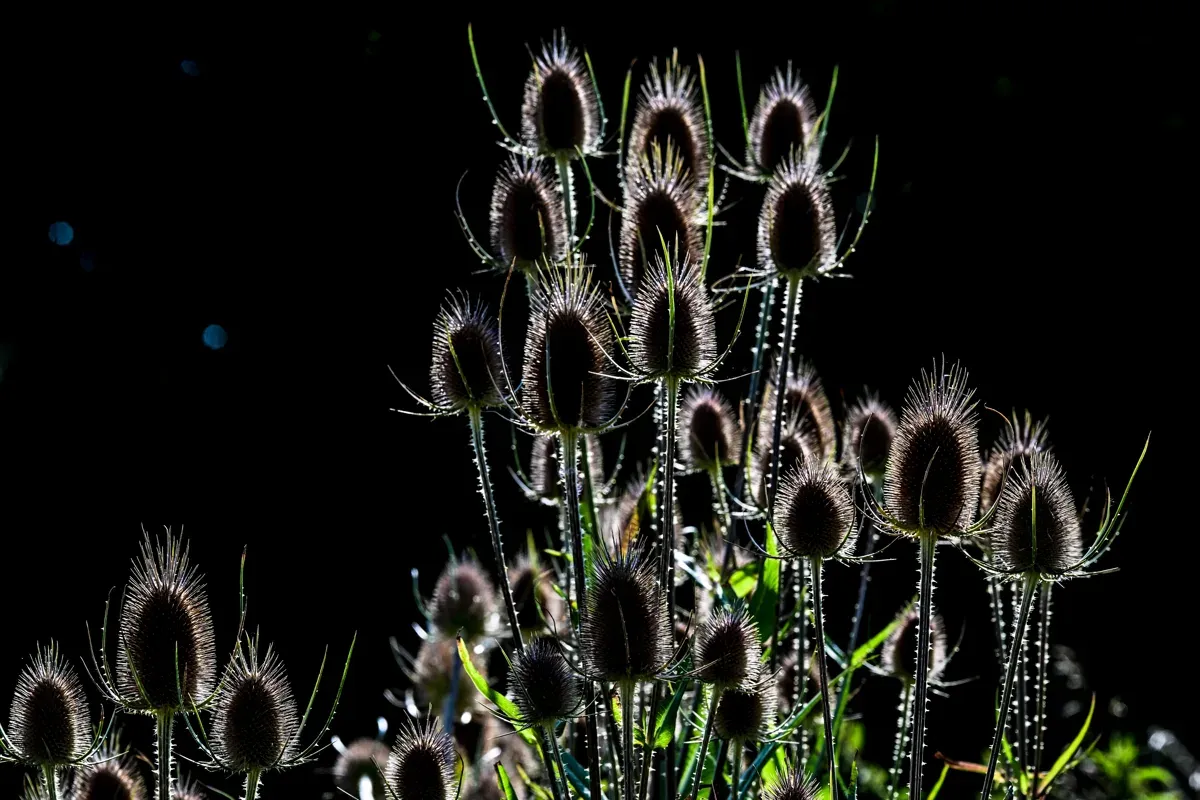
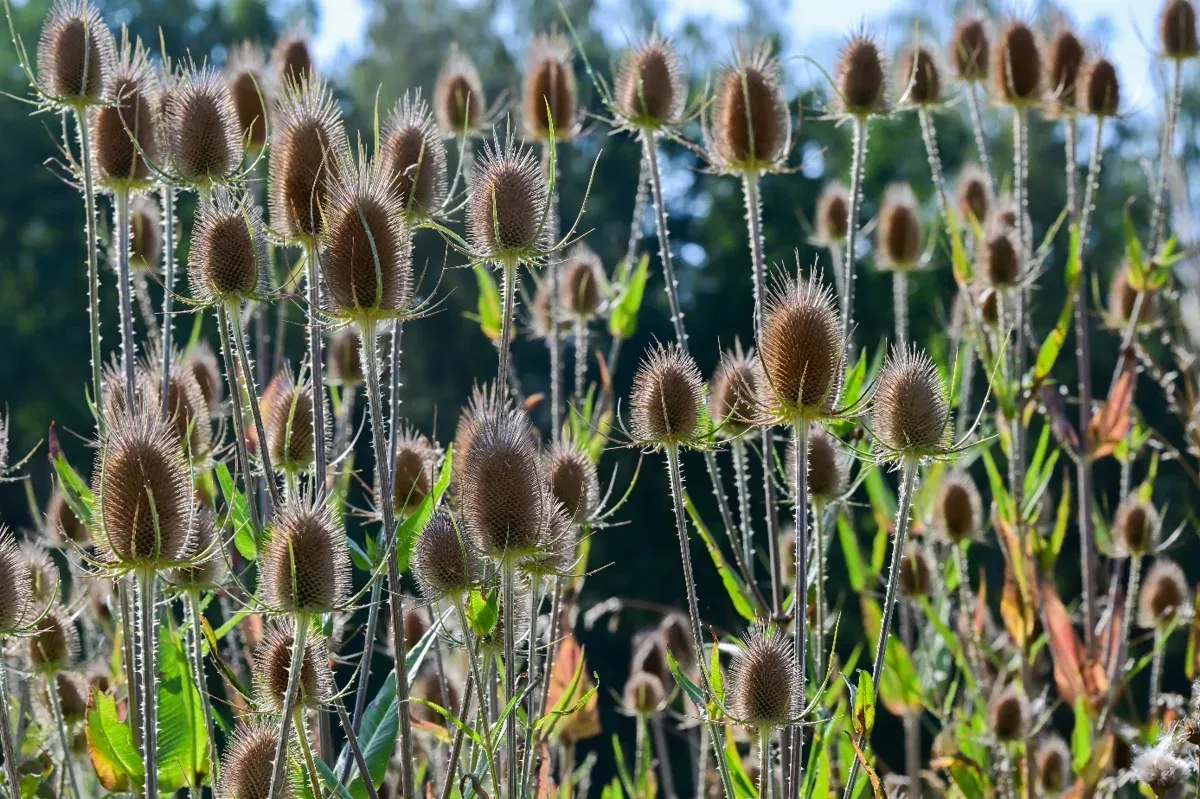
It is striking, not only through its exceptional height, which can reach two meters or more, but also through its unique appearance. The Wild Karde (Dipsacus fullonum) is a thistle-like perennial herb that grows individually, but mostly in larger populations in moist, usually sunny locations such as floodplains, riverbanks, paths, and the edges of meadows. And not to be forgotten, increasingly also in the gardens of nature lovers, who appreciate its decorative and ecological value.
Features
In the first year, the Wild Karde only forms a flat, strong rosette of leaves. Instead of investing its energy into a stem, it initially focuses on developing a deep taproot to ensure access to sufficient water and nutrients for growth in the second year. Its leaves, which can reach up to 30 centimeters in length and are lance-shaped, are characterized by a strong central vein and numerous spines, some of which are up to 1-5 millimeters long and are also present on the stem.
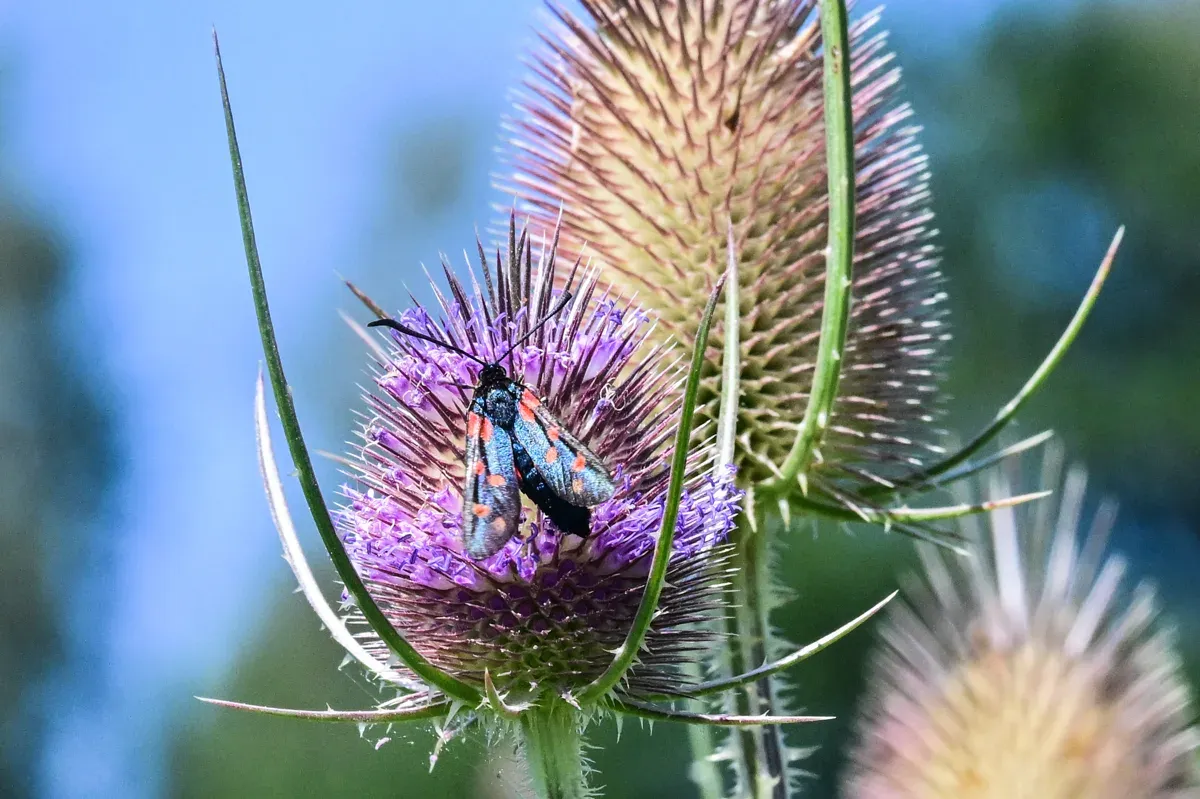
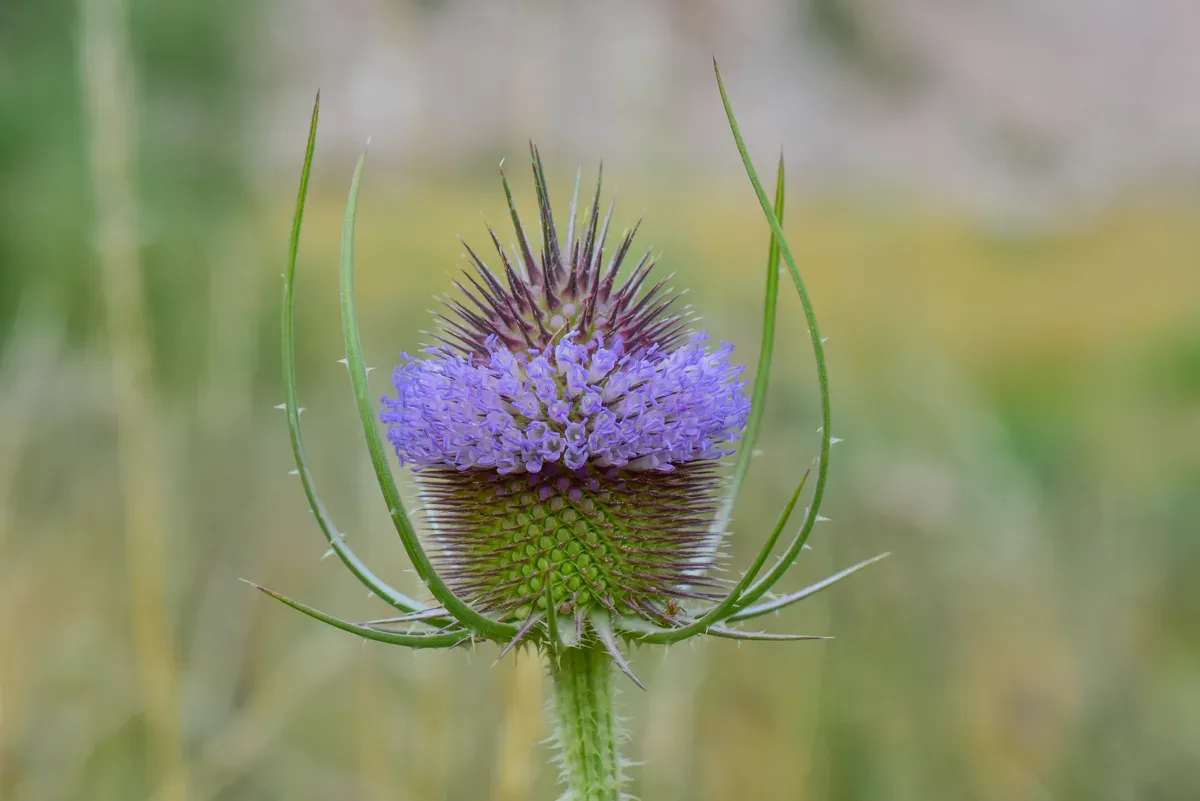
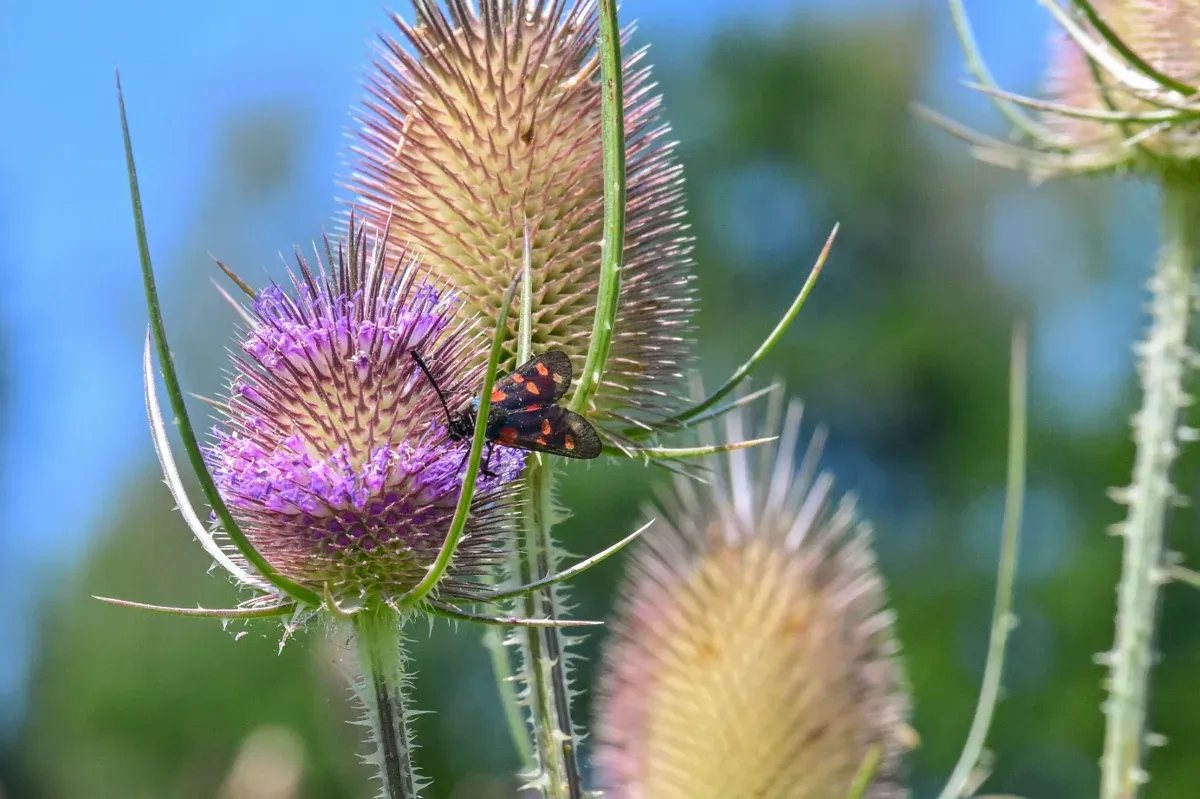
Distinctive is the plant through its 5-10 cm high, ovoid to cylindrical or barrel-shaped flower head. This is surrounded by also spiky, upward-facing bracts and shows small, lilac-colored, rarely pink, tubular flowers from June/July to August. These run in a ring in one or two whorls, starting in the middle of the head and slowly spreading upwards and downwards.
The plant forms a "phytotelma" on its oppositely arranged leaves along the stem, a small collection basin in which rainwater and dew are collected. The term "phytotelma," derived from the ancient Greek words for "plant" and "pool," refers to small water accumulations that form in depressions on plants. These can also occur in the cavities of branches.
Applications in traditional medicine
The Wild Karde is rich in saponins, bitters, terpenes, and glycosides. Consequently, it is not surprising that it was already valued as a medicinal plant in antiquity for skin irritations, as a balm for pain, for promoting digestion, and as a diuretic and sweat-inducing agent. Numerous applications can also be found in the herbals of the Middle Ages. Dried roots, processed into tea and tinctures, were in particular recommended as remedies for gout, rheumatism, jaundice, and various skin diseases and injuries. Even the water that accumulates in the phytotelm was sometimes used as eye drops or as a distillate for rinsing the mouth in case of mouth ulcers. In homeopathy, an alcoholic extract and globules made from it are used for warts, acne, and small skin wounds.
Questionable: Textile uses
In some sources, there are indications that the dried, spiky flower heads of the Wild Karde were previously used by weavers to roughen up wool fabrics. In doing so, they pierced several fruit clusters lengthwise and attached them to an axle on a device that was rotated over the wool fabric. This created a fluffy, flannel-like surface. This use, which is often cited, likely refers more specifically to the similar Weber-Karde (Dipsacus sativus). This species is found in the wild only in the western Mediterranean region and was possibly cultivated from the Stachel-Karde (Dipsacus ferox), which originates from Corsica, Sardinia, and southern Italy.
High ecological significance
The flowers attract numerous insects, especially many species of bees and butterflies, as well as long-nosed wild bees. Due to the relatively late flowering time in mid-summer, these find nectar on the Karde even when other plants have already withered.
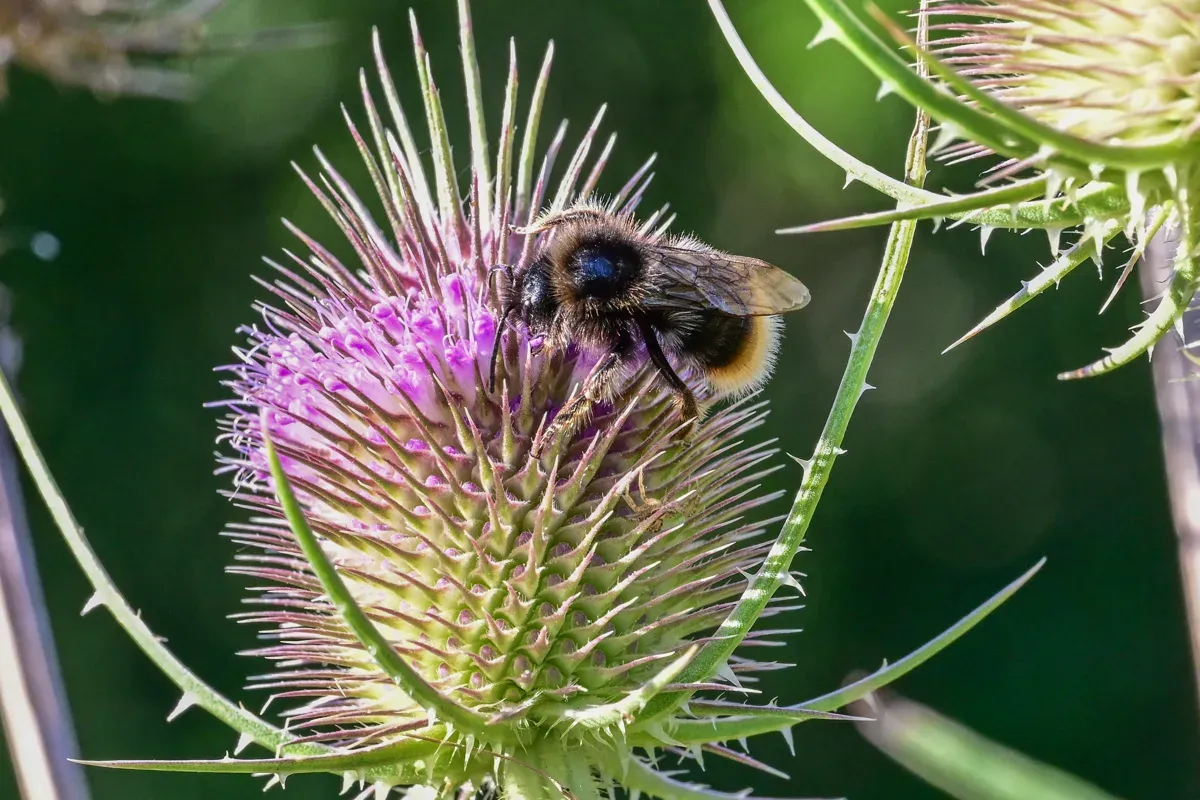
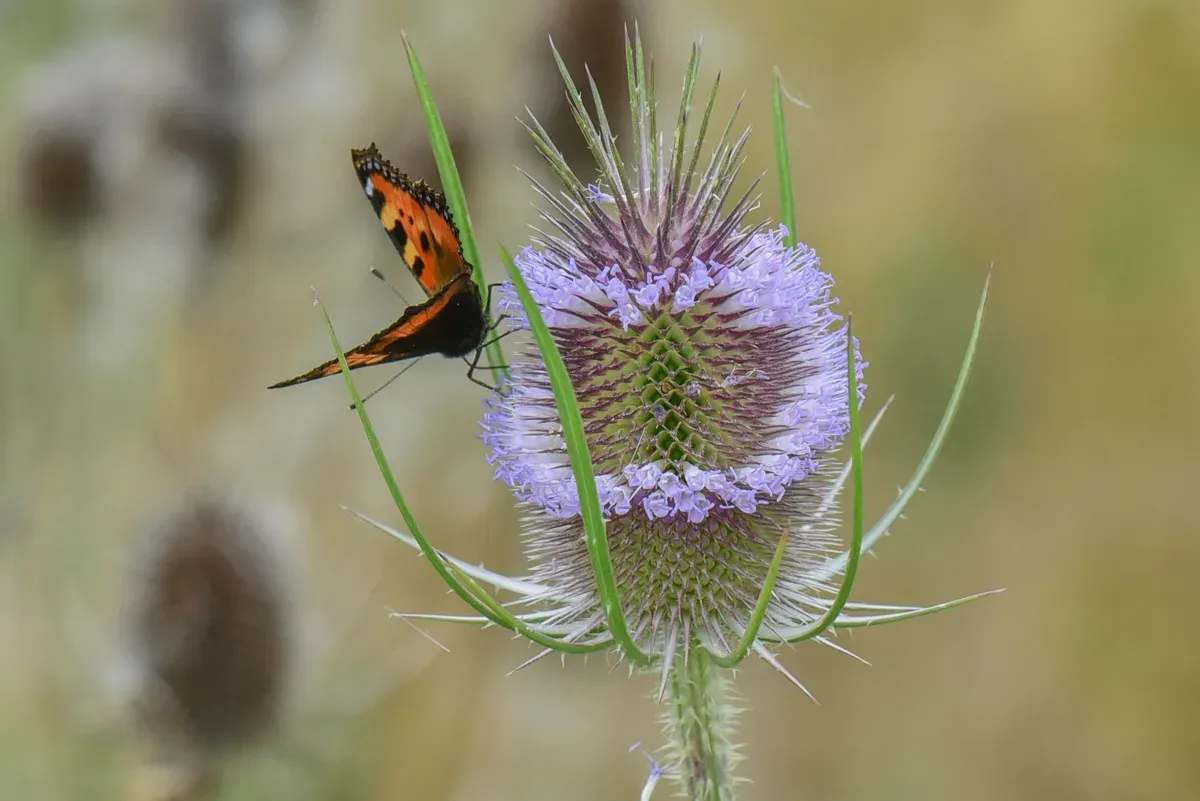
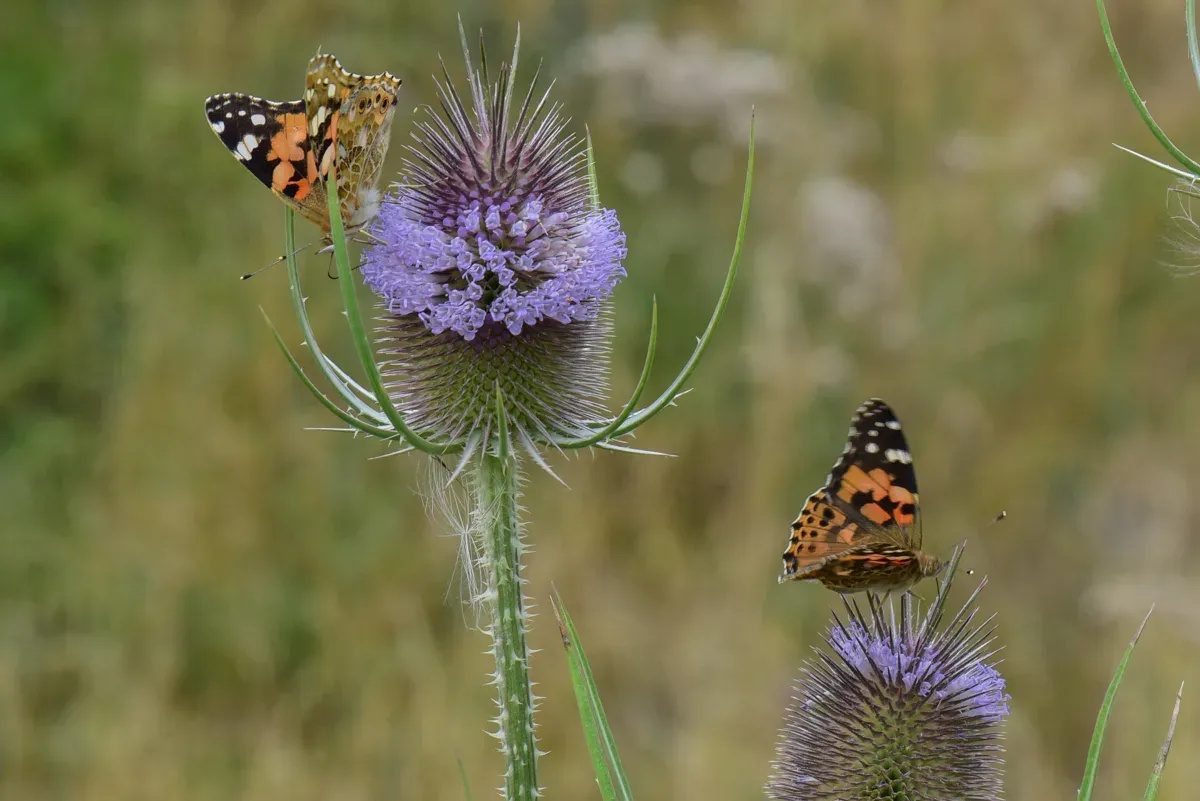
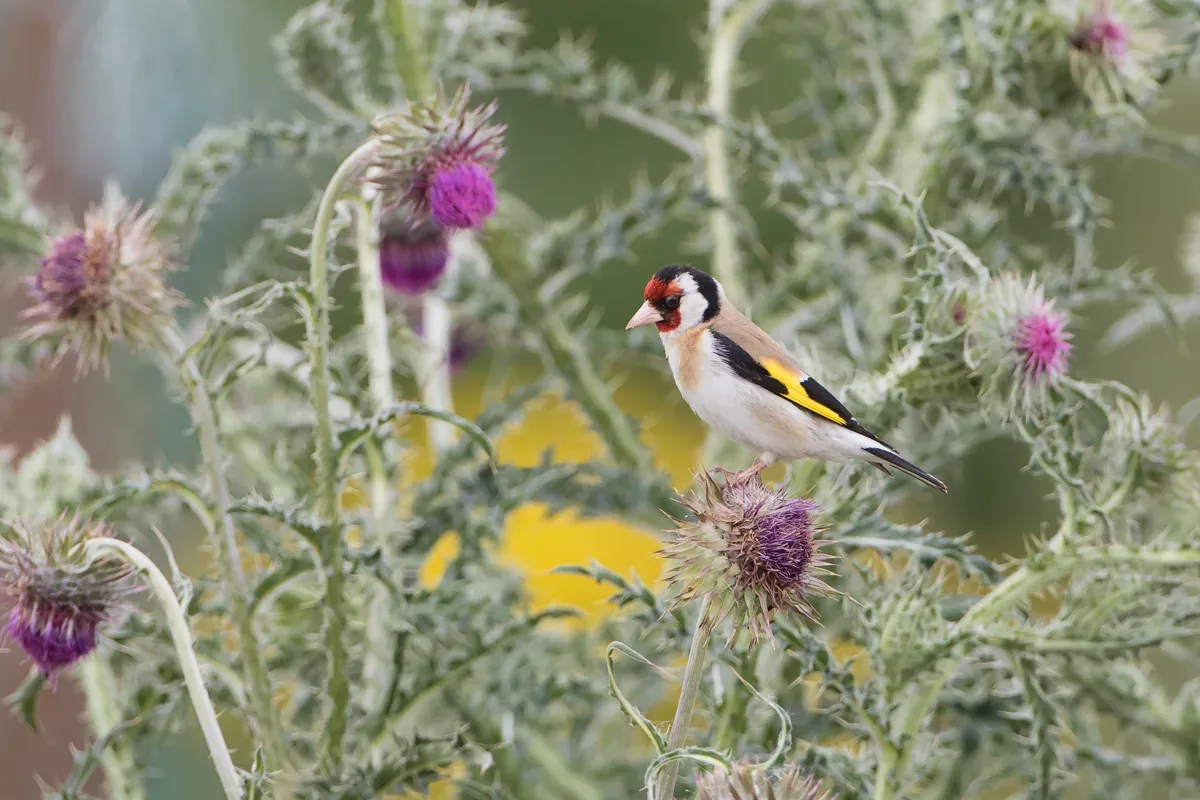
The Phytotelma provides a welcome source of water for birds and small animals in dry weather, and hollow stems and old leaf clusters provide a winter home for insects. Dry seed heads, which remain until winter, represent an important food source for various bird species, including the mentioned Stieglitz.
Remain hopeful in the face of species extinction that an increasing number of gardeners reserve a small area for wild plants such as the Karde or the viper's bugloss, to secure a chance of survival for threatened insects. In addition, a dried flower bouquet with Karden is exceptionally decorative.