Malta is not only a paradise for sunbathers and culture enthusiasts, but also a fascinating destination for anyone interested in bees, beekeeping and nature conservation. The small, hardworking pollinators play a crucial role in the unique Mediterranean flora – and yet many of the native bee species face major challenges. In Malta, traditional beekeeping and modern biodiversity conservation come together in a fascinating interplay, which rewards travelers with a behind-the-scenes look at honey production. The beekeeping in Malta is so important that the name of the island derives from the Greek word "Melite" – honey-sweet.
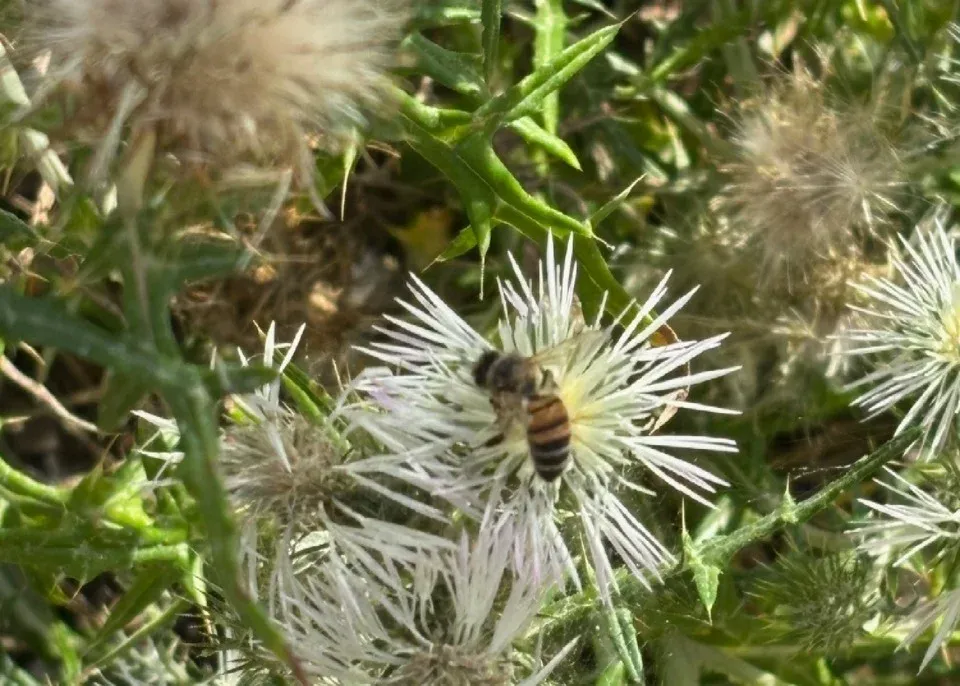
The endemic bees of Malta: Small heroes with great importance
Malta is home to some bee species that only occur here in the Mediterranean – so-called endemic species. The native solitary bees, which live and nest individually in small nests, are particularly noteworthy. They are important pollinators for many local wild plants, contribute to biodiversity and are considered indicators of environmental health.
Unfortunately, these endemic bees are very sensitive. Habitat loss due to increasing construction, intensive agriculture and the use of pesticides pose a major threat to them. The climate change with its extreme weather conditions also makes the food supply precarious. The result: Some species are now threatened or even at risk of extinction in Malta. Sustainable beekeeping comes into play here, which focuses on preserving natural habitats and promoting bee-friendly practices.
Beekeeping in Malta: Tradition meets innovation
The Maltese beekeeping tradition dates back a long time, in which honey was not only valued as food, but also as a medicine. Today, beekeepers in Malta often work according to ecological principles. Most keep the Western Honeybee (Apis mellifera), which is a Maltese breed resulting from a cross between an African and a Sicilian bee. This makes geographical sense.
The special thing: Due to the Mediterranean climate, many plant species in Malta bloom several times a year, so the honeybees can almost always collect nectar. This allows for a long and productive honey season, which many beekeepers also use for tourism by offering guided tours and workshops – a wonderful opportunity to immerse yourself in the fascinating world of bees and learn more about their importance for the ecosystem.
Malta's flowering treasure trove: The most important nectar sources
The Mediterranean flora of Malta offers a remarkable variety of plants that serve as a nectar source for bees. The aromatic herbs and wild flowers are particularly characteristic of the taste of Maltese honey. Typical nectar providers include:
- Olive trees: They bloom in late winter and are one of the first nectar sources of the year.
- Thyme and rosemary: These fragrant herbs are widespread and provide plenty of nectar during the spring.
- Fig tree (Ceratonia siliqua): Its flowers provide nectar that enriches the honey with a unique sweetness.
- Olive trees: These Mediterranean shrubs bloom in summer and attract many bees.
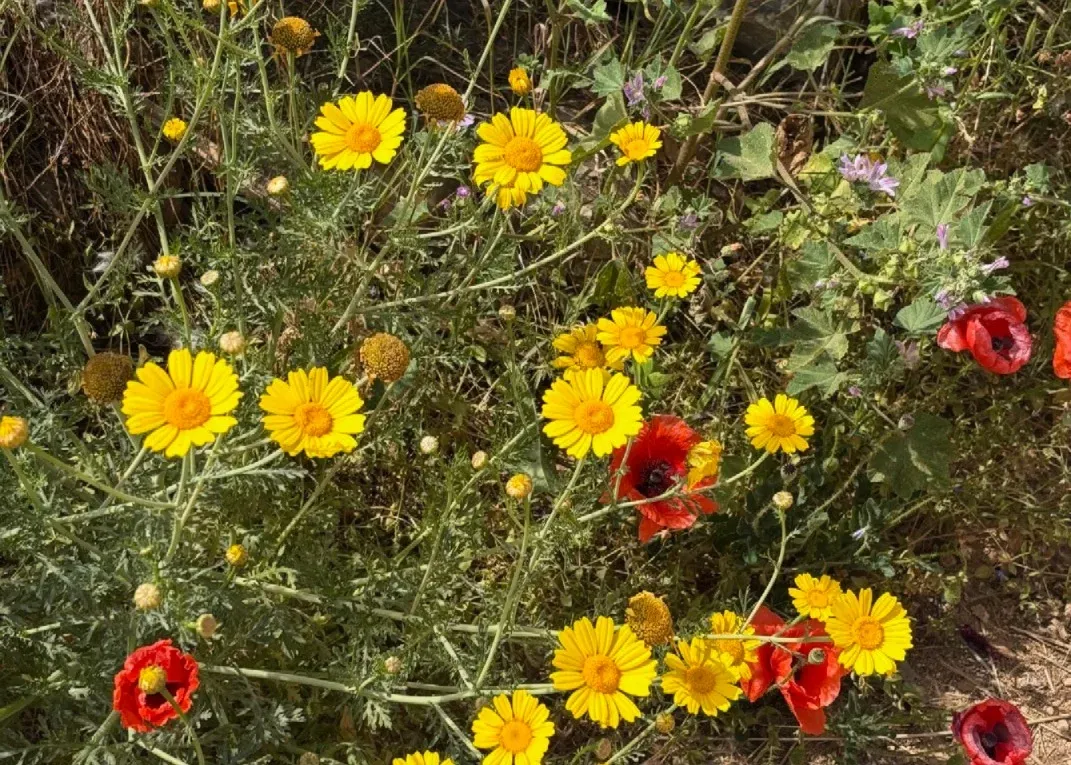
- Wildflower meadows: Especially in rural areas, one can find a variety of flowers that provide a wide range of honey tones.
This combination creates an unmistakable honey that captures the diversity of Maltese nature in a glass.
Why protect bees in Malta? A responsibility for the future
Protecting the endemic bee species and their habitats is a pressing task – not only for conservationists and beekeepers, but also for anyone who loves the island. Bees pollinate around 80 percent of flowering plants, thus ensuring the food supply for humans and animals. If they decline, an ecological imbalance threatens.
Therefore, more and more initiatives are emerging in Malta that aim to preserve habitats, promote bee-friendly plants and raise awareness about the importance of insects. Visitors can actively contribute to this by taking walks and participating in special "bee experience tours", learning more about these fascinating animals and supporting their protection.
Practical tips for a bee-discovery holiday in Malta
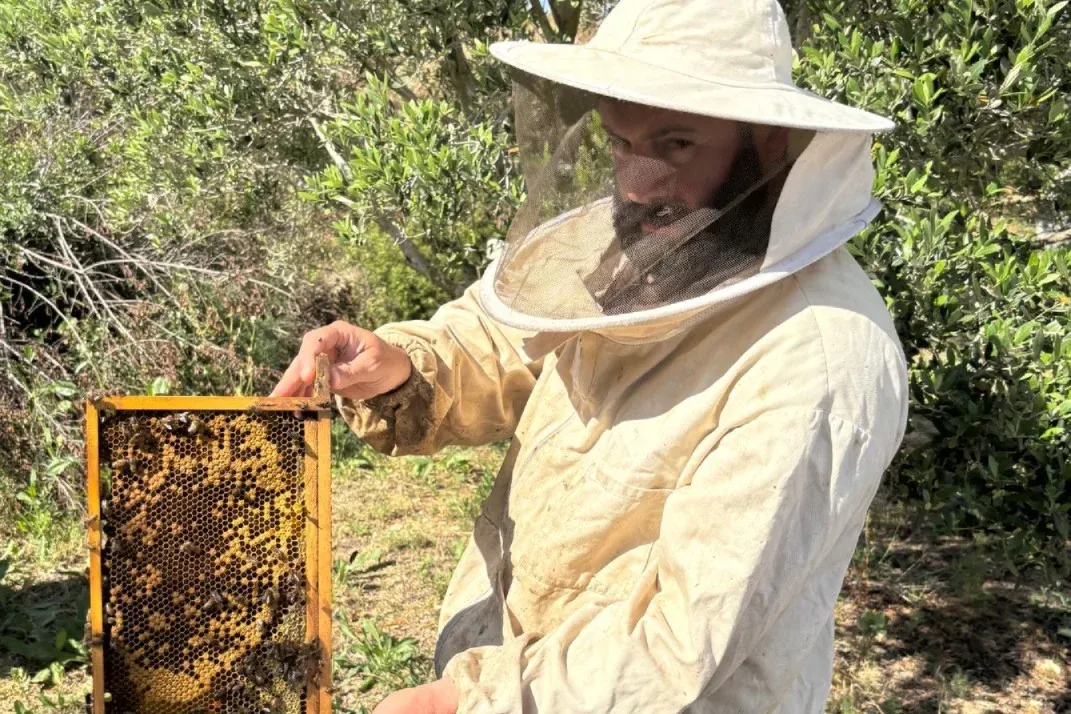
There are now several providers in Malta that offer beekeeping tours for visitors. These range from small, family-run beekeeping stands to specialized nature centers that also provide information about endemic wild bees. These are particularly worthwhile:
- Malta Beekeepers Association (MBA): Here you can participate in guided tours, during which you will learn everything about honey production, from the queen bee to the harvest. You can also help with harvesting honey or buy honey directly on site.
- Eco-tours and nature centers: Some local eco-tourism providers integrate bee visits into their hikes or excursions. For example, you can take a herb walk and learn about bee-friendly plants at the same time.
- Workshops: For those who want to delve deeper, some beekeepers offer workshops on beekeeping basics, wild bee protection or sustainable gardening. We attended the workshop by Thomas Galea. You can book the tours via his Instagram account @Apis_melitensis.
Best travel time for bee and nature lovers
The honey season in Malta extends over several months thanks to the mild climate, but the best time is in the spring (March to May). Then the olive trees, thyme and rosemary bloom in full splendor, and nature shows itself in vibrant colors. The autumn (September to October) is also attractive, when other herbs and wildflowers bloom and the temperatures are pleasantly mild.
Recommended natural attractions with bee-friendly flora
- Buskett Gardens:A green forest area in western Malta, which with its wild herbs and trees is an important refuge for wild bees. Ideal for a nature walk with a focus on native plants.
- Dingli Cliffs: The cliffs are not only breathtaking, but also home to many Mediterranean herbs and wildflowers that attract bees.
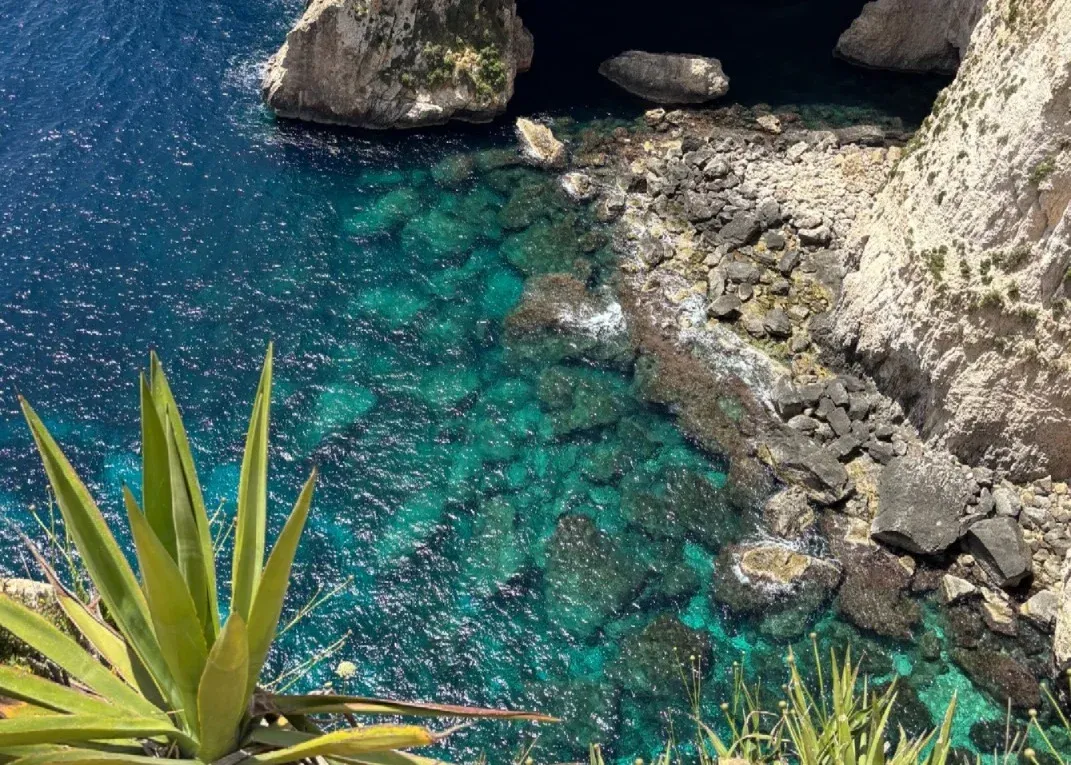
- Nature and is another hotspot for bee protection and beekeeping.
Tips for a bee-friendly holiday
- Support local beekeepers by using regional and seasonal products.
- Avoid using pesticides in your holiday accommodation – many small organic accommodations already use bee-friendly gardens.
- Respect the habitats of wild bees when hiking.
Conclusion: A special destination for bee and nature lovers
Malta may be small, but its nature is full of wonders – not least thanks to the busy bees that are native here. Anyone who visits the island next time should not only see the sun, beach and historical buildings, but also take a look behind the scenes of beekeeping and perceive the flowering landscapes as habitats for threatened species.
A visit to a Maltese beekeeper or a wild bee station is not only informative, but also a special encounter with nature, which offers so much on the island. And who knows – maybe you'll take a glass of the incomparable Maltese honey home, which preserves a piece of the island's history and nature.
https://www.visitmalta.com/de/
https://www.visitmalta.com/de/info/maltese-honey/
Text and images:Katrin Hilger