Slow Food's "Ark of Taste" Project: Preserving Genetic Diversity in Agriculture
About related products such as "Fidighèla," a dried sausage made from pork, or "Spampezi," a nut-filled Christmas pastry, we will report in a separate article in our culinary section.
Arche Passenger "Capra Grigia"
"The Capra Grigia: A Rare Breed Saved from Extinction"
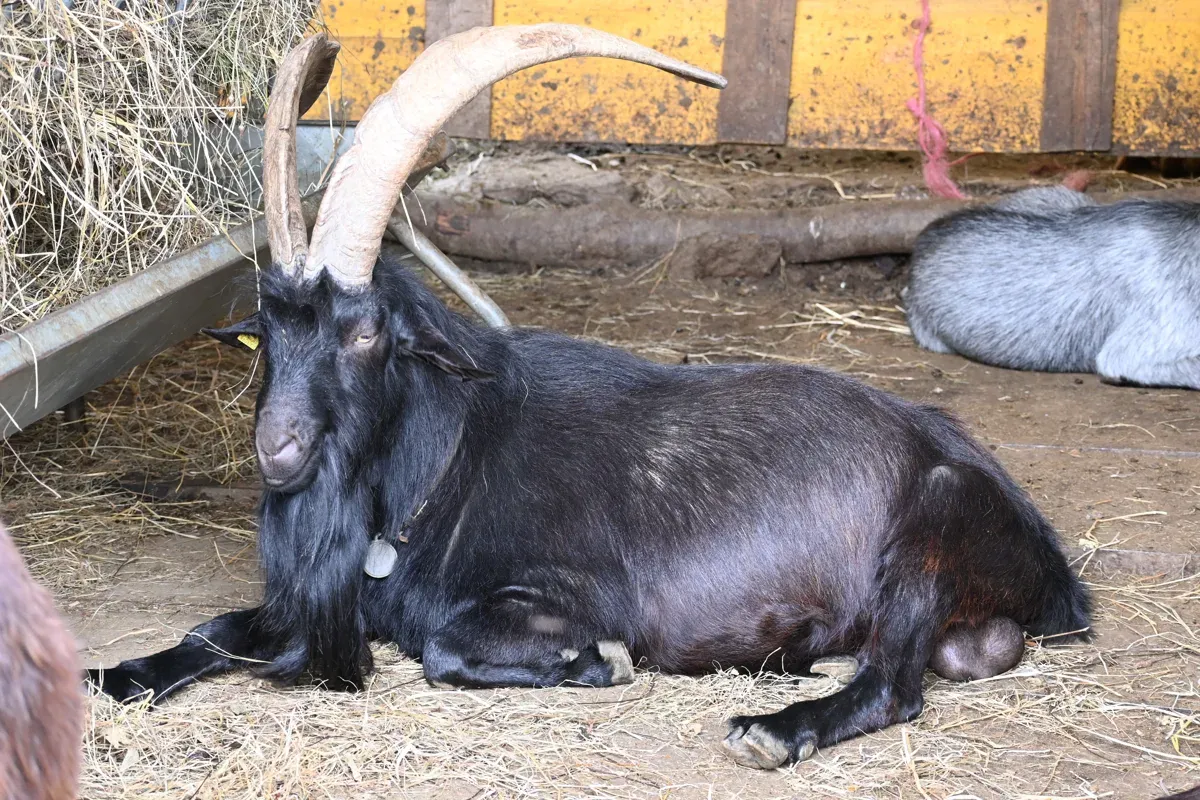
On the Corte Mountain
Goats have long played a central role in Swiss agriculture, particularly in the alpine regions. This remains true today in the high-altitude areas of the Tessin.
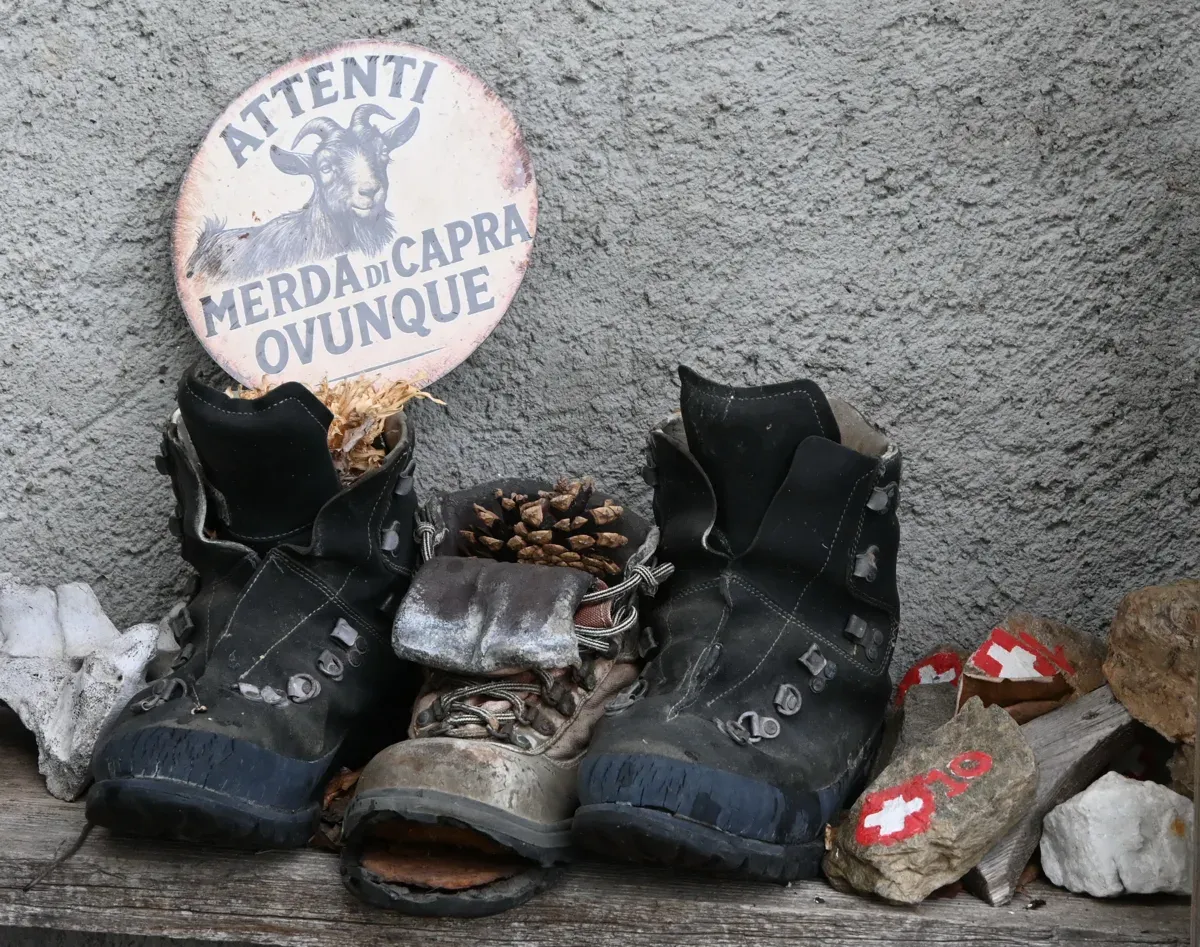
Thanks to the efforts of "Ticino Turismo", we were able to experience the incredible opportunity to get up close and personal with these friendly climbers. Before that, we hiked up the steep and bumpy paths to the picturesque "Alpe Corte", located at around 1300 m above sea level in the Val Colla, near Certara. We were transported by a sturdy off-road vehicle, provided by the farmer Luca Chiappa, who runs a certified Bio-Suisse farm with his family. Since the access road is equipped with two gates, visitors usually reach the farm on foot in about an hour. The hike is well worth it, as it not only offers unforgettable encounters with wildlife and stunning natural landscapes, but also culinary delights in the form of high-quality goat cheese.
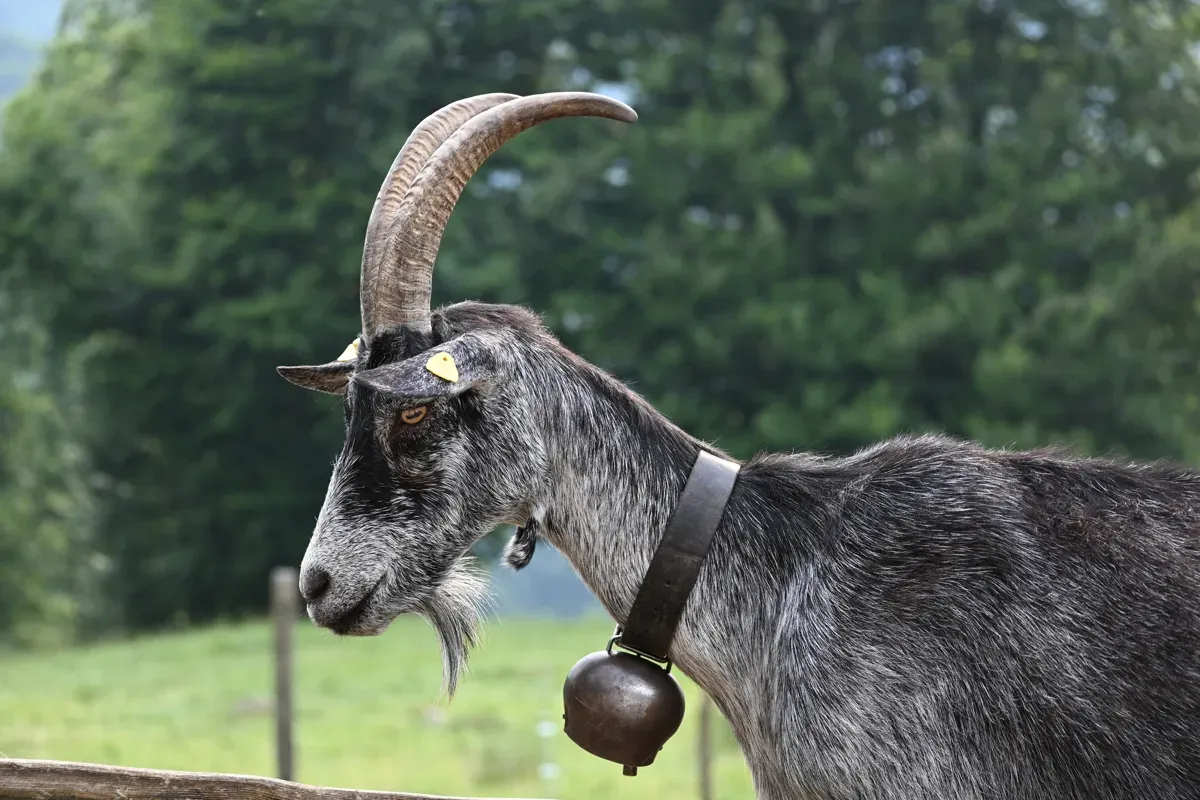
Ticino, which also counts as one of the origin areas, the Peacock Goat is traditionally called "Razza Nas".
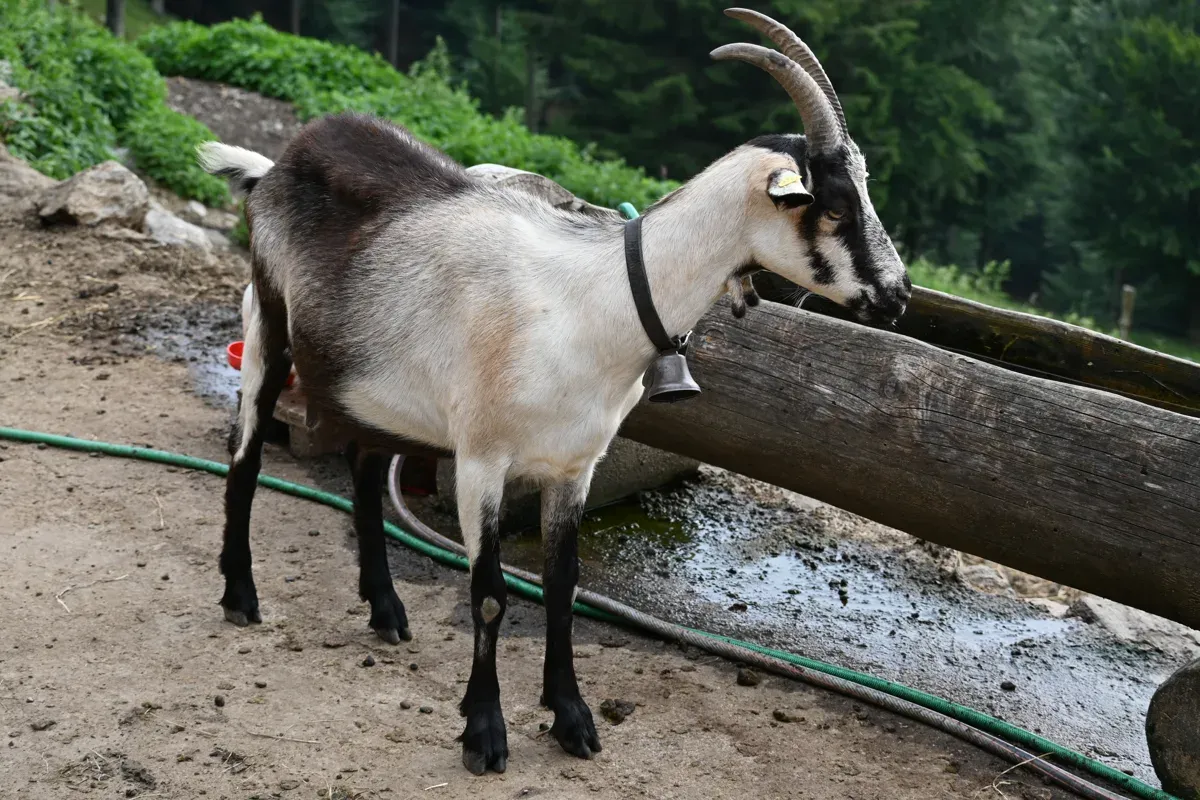
Remarkably Large "Nera Verzasca" Stands Out: A Powerful Mountain Goat with Short, Shiny Coat
The red corn and the Mulino di Bruzzela
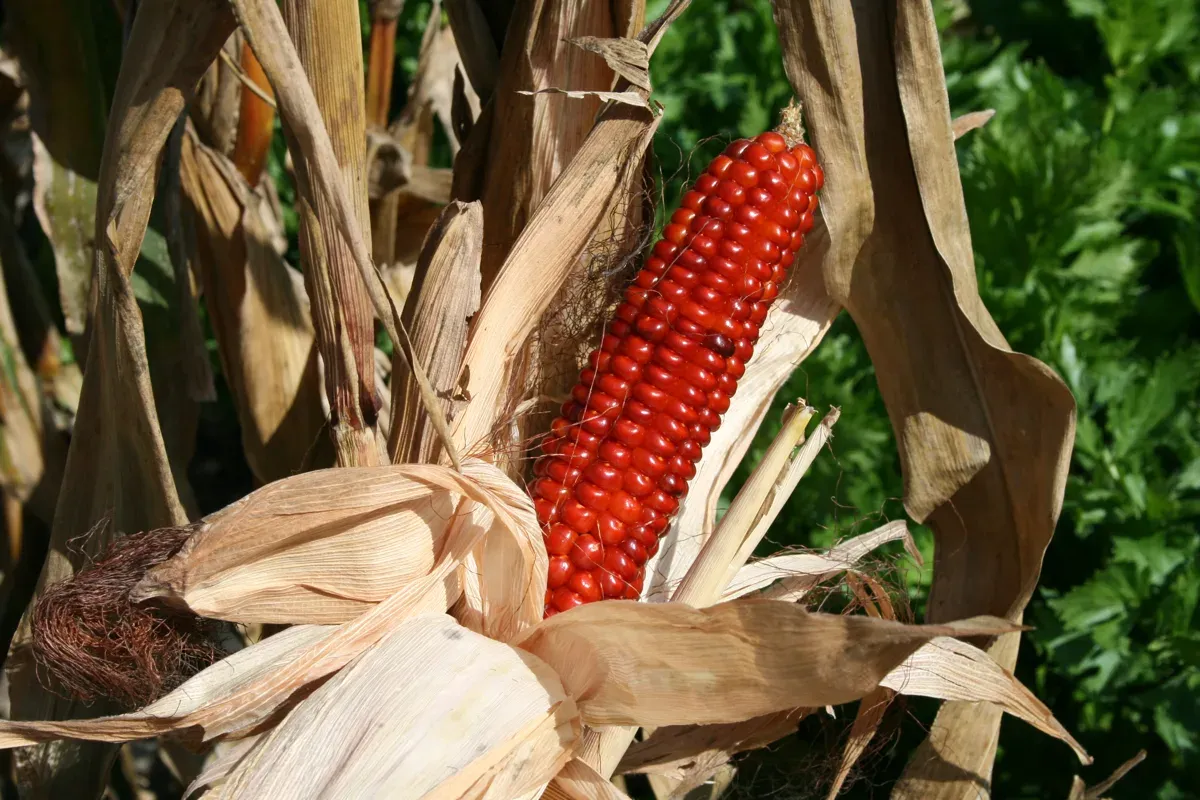
Rare, regionally-specific crops are also the focus of the organizations mentioned above. "Red Corn" is a rare traditional variety that has also seen a slight recovery thanks to the work of a local association. The original seeds were obtained by ProSpecieRara from farmers who had kept the variety for their own use and continue to cultivate it today. Originally, red corn from Ticino was gradually replaced by varieties better suited for machine harvesting and use as animal feed due to the mechanization of agriculture.
Bruzella or Cabbio in 15 minutes via an old footpath. Since the old millstone was restored in 1996, the millers Irene Petraglio and Giuseppe Bernasconi have reopened the business. On three days a week, they offer visitors not only the opportunity to buy regional specialties, but also instructive information about the machine with its components, as well as about water intake, irrigation ditch, transmission mechanism, hopper and flour sieve. In the building attached to the mill, there is a permanent exhibition about the art of milling and the hydraulic machines of Breggia.
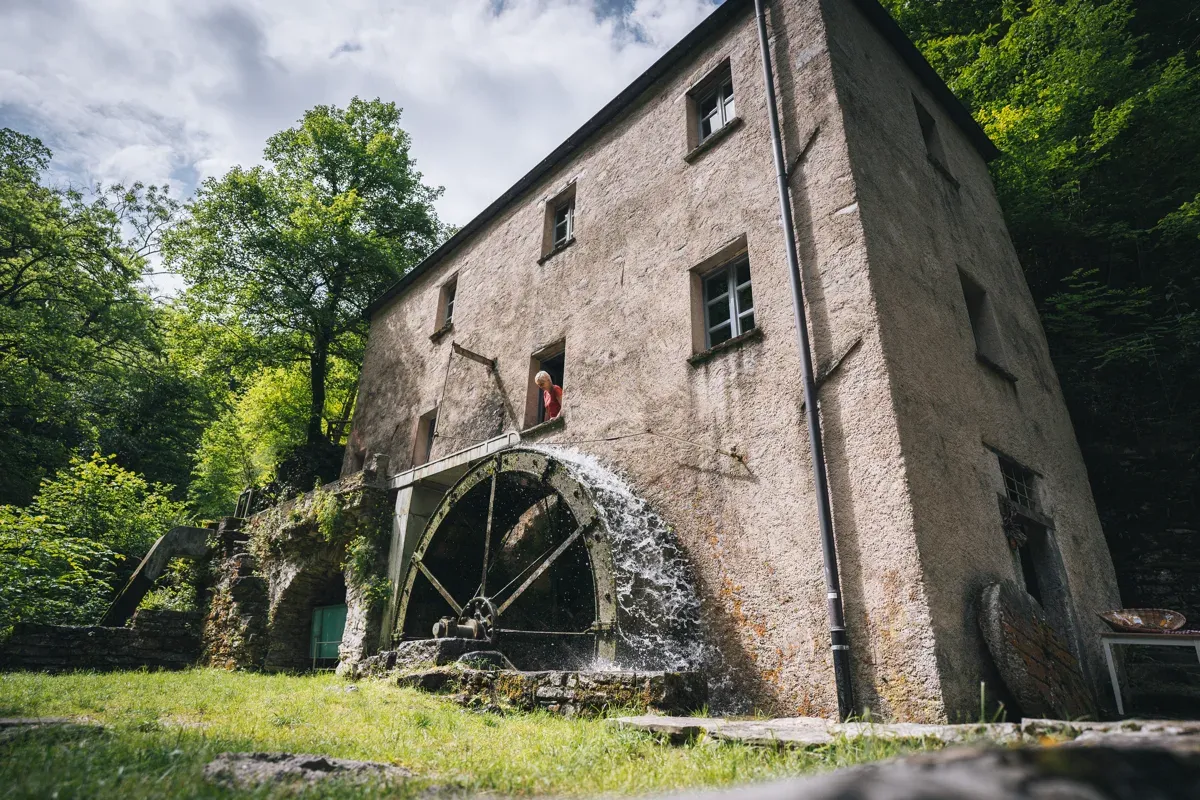
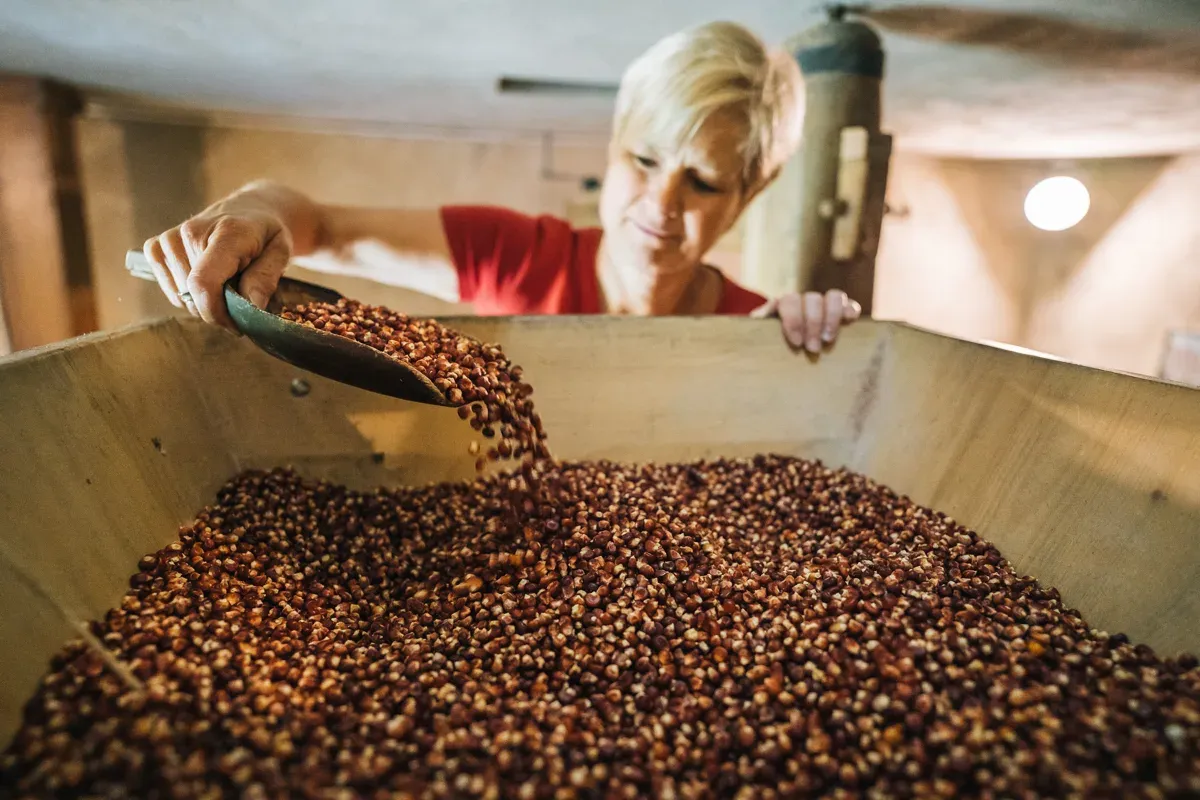
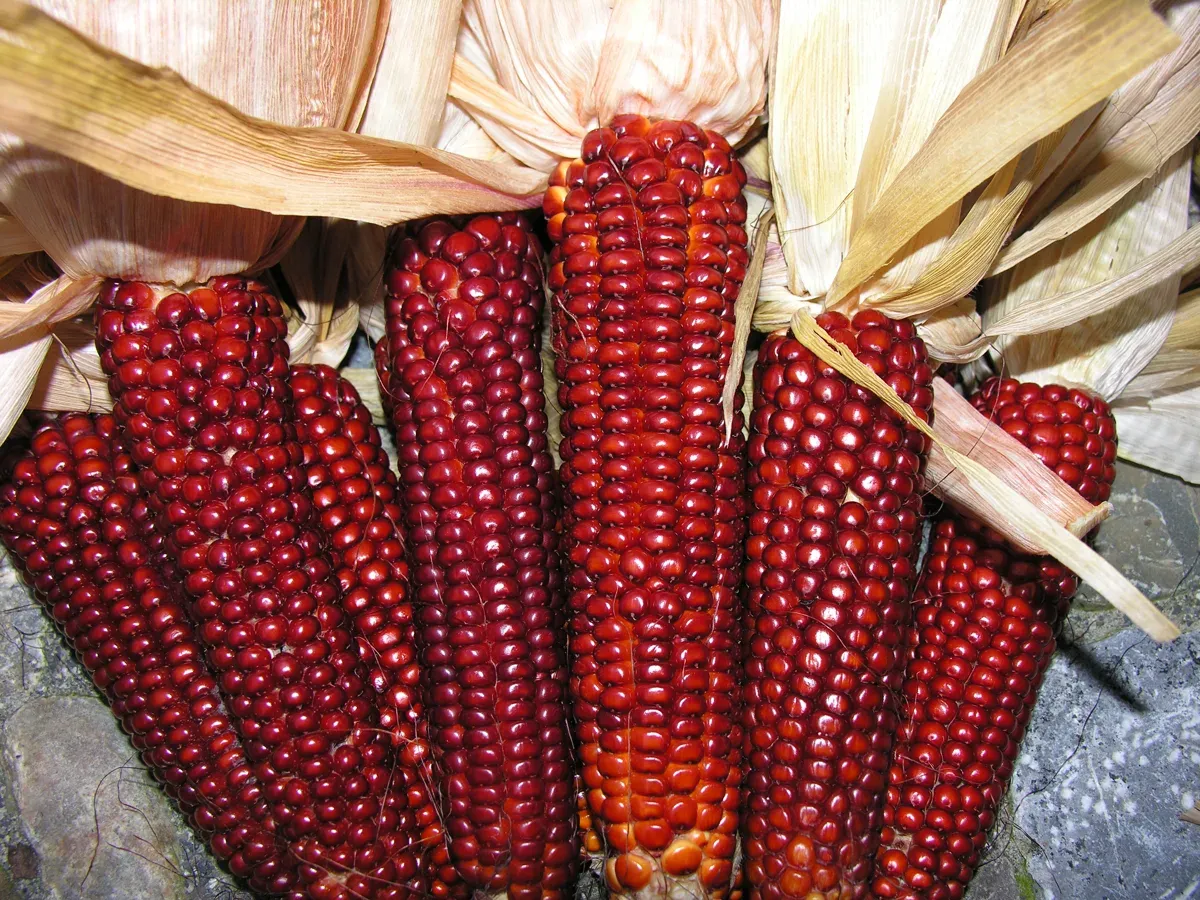
Irene Petraglio processes the rare red corn into delicious polenta flour.
The Gniff Carrot
A violet-colored carrot from Ticino, locally called "Gniff", was also once widespread in some mountain regions. The cook Meret Bissegger and ProSpecieRara managed to bring the seeds back into circulation, so that the rarity is now again available on some local markets.
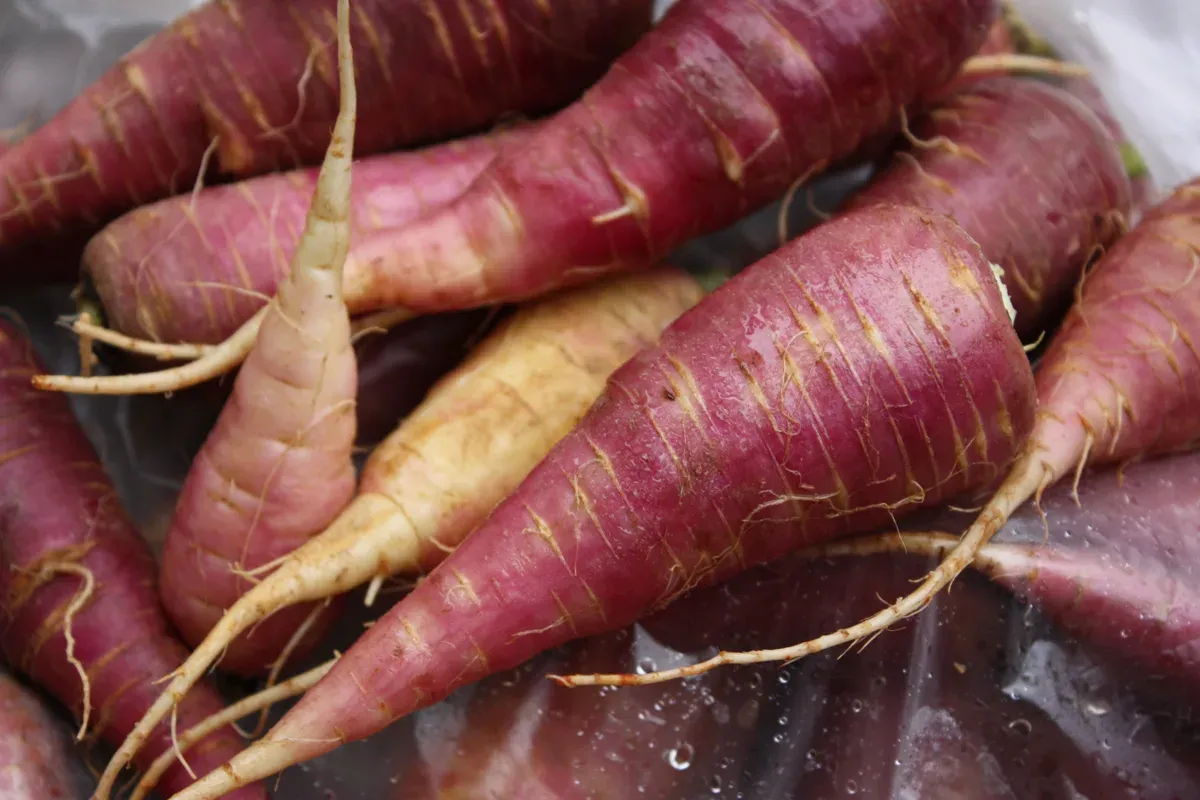
The unique shape of this carrot variety is elongated and resembles a stake, with a white center and dark violet outer part. The name comes from a local dialect of the Tessin region, where carrots were generally referred to as "Gniff," when this white-violet carrot was the only native variety. There are several differences between the Gniff and other carrot varieties, not only in color and shape, but also in taste, which is less sweet in the Gniff. This property allows for a greater range of flavors when the violet carrot is combined with other carrot varieties. A traditional use of the Gniff is to pickle in vinegar, but specific recipes are not known.
The Bondola Grape
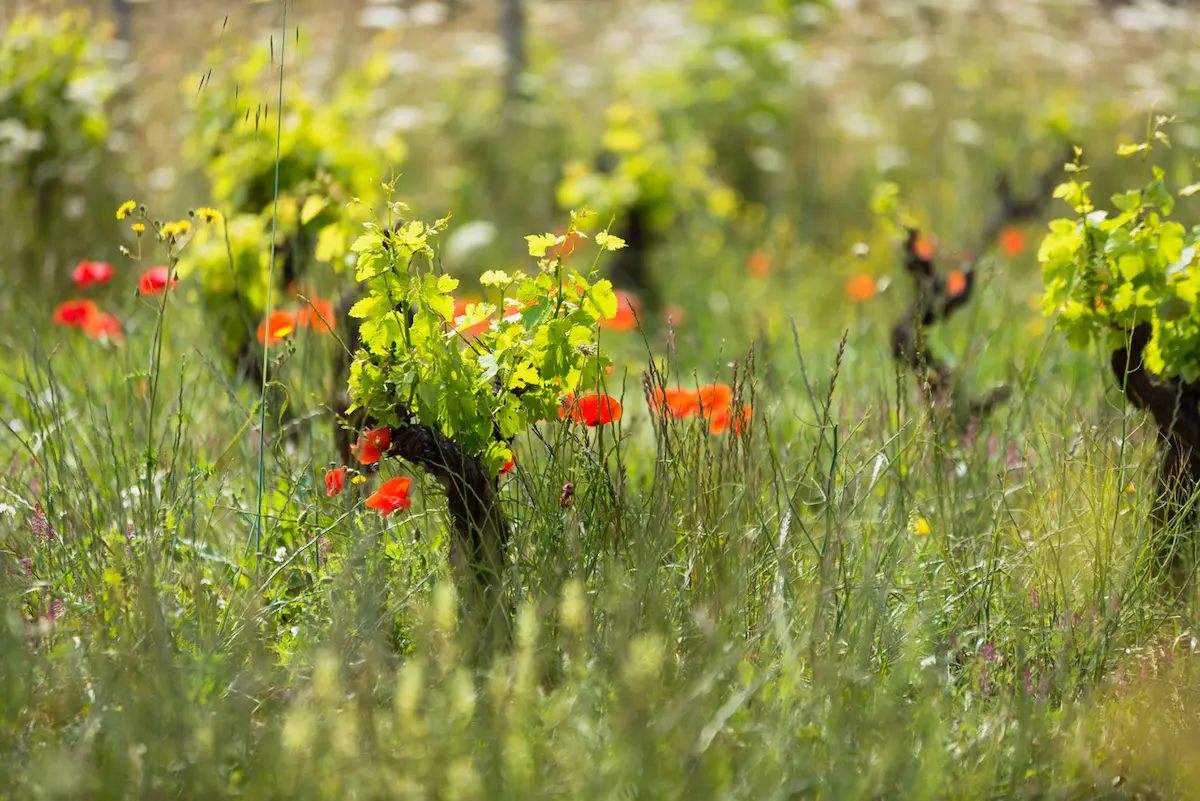
The "Bondola" grape is a red variety that was once widely cultivated in the "Sopraceneri," the northern part of the Tessin, and in the Misox Valley of Graubünden. The first evidence of the existence of Bondola vines can be found in a text by the Swiss naturalist Hans Rudolf Schinz, a Protestant pastor who was present in the Tessin around 1770. In it, he mentions about thirty grape varieties and writes, among other things:
"The Bondola is a very short grape, with perfectly round grapes, with a pleasant, sweet and intense taste; it produces a fine wine."
Bondola: A Rare Grape Variety Making a Comeback
Hand-picked Bondola and Bondoletta grapes from late September to early October. After pressing and destemming, the must ferments for about 7-8 days with the skins. Depending on the type of wine, Bondola eventually matures in oak barrels or stainless steel or amphora containers. It can be tasted young after one year, but Bondola red wine also benefits from a few years of aging.
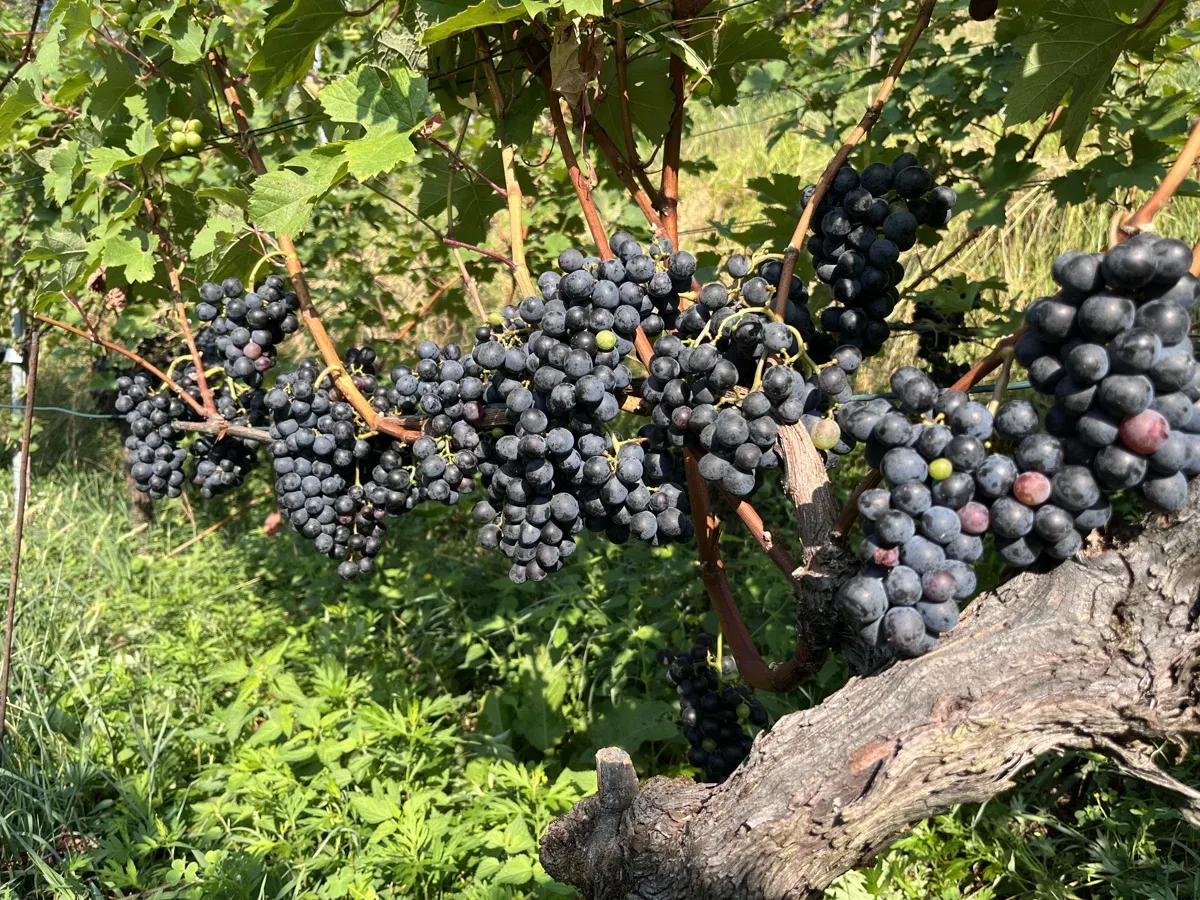
Tessiner Bondola-Traube: A Regional Specialty Rediscovered
New Research Vineyard Planted Within the Walls of Castelgrande di Bellinzona
Swiss Arche-Passage Passengers: A Slow Food Biodiversity Initiative
https://slowfoodticino.ch/presidi-e-prodotti-dellarca/
ProSpecieRara – Swiss Foundation for the Cultural and Genetic Diversity of Plants and Animals:
https://www.prospecierara.ch/tiere/rassenportraets/ziegen
Peter Grett
Images:
Headline: ProSpecieRara
Images in the text:
1-4: Touremo/Anett Tobies
5 and 6 on the slider: Milo Zanecchia
7 in the Slider: ProSpecieRara
8 & 9: ProSpecieRara
Switzerland, Ticino, Biodiversity, Slow Food, Ark of Taste, ProSpecieRara, Goat Breeds, Corn, Wine, Vegetables