The eastern Alpine region was for a long time home to sheep that, thanks to their hard hooves, their surefootedness, robustness and frugality, were ideally adapted to the harsh conditions of the high mountains. They made a significant contribution to preserving traditional alpine pasture landscapes, keeping the areas open by browsing on encroaching trees and shrubs and protecting them from erosion by compacting the turf. Many mountain farmers met their need for wool and meat with these animals.
The “primal mother” of Alpine sheep breeds
Various breeds of mountain sheep still exist today, the most original among them belonging to the group of stone sheep. This group comprises four related but independent breeds: the Carniolan, the Montafon, the meat-focused Tyrolean and the Alpine Stone Sheep, which shows a certain genetic distance from the other three. It descends directly from the extinct peat sheep of the Neolithic (approx. 10,000–approx. 2,000 BC) and is regarded as the historical founding breed of mountain sheep farming in the eastern Alpine region.
Almost gone forever
As with the Alpine cattle breeds adapted to the harsh conditions of the mountain regions, sheep too suffered dramatic population collapses, at the latest from the mid-20th century onward. The reasons generally lay in the transformation of agriculture, which turned into an agrarian economy in which farmers’ self-sufficiency played an ever smaller role and which increasingly abandoned the laborious and barely profitable grazing of alpine pastures by sheep. Over time, fewer and fewer markets could be found for stone sheep wool, which once supplied a sought-after material for loden production, among other things. On top of this, here too a trend toward modern high-performance breeds set in, through which the original mountain and stone sheep were deliberately displaced. In the 1980s only small remnant populations of the Alpine Stone Sheep remained in the traditional strongholds of the Garmisch, Berchtesgaden and Salzburg regions.
Ultimately only a few animals were left, which were tracked down and purchased in particular by two dedicated breeders during their numerous exploratory trips in search of the original type from 1985 onward. These animals eventually formed the basis for today’s breeding lines, for which a herd book has been kept since 1991.
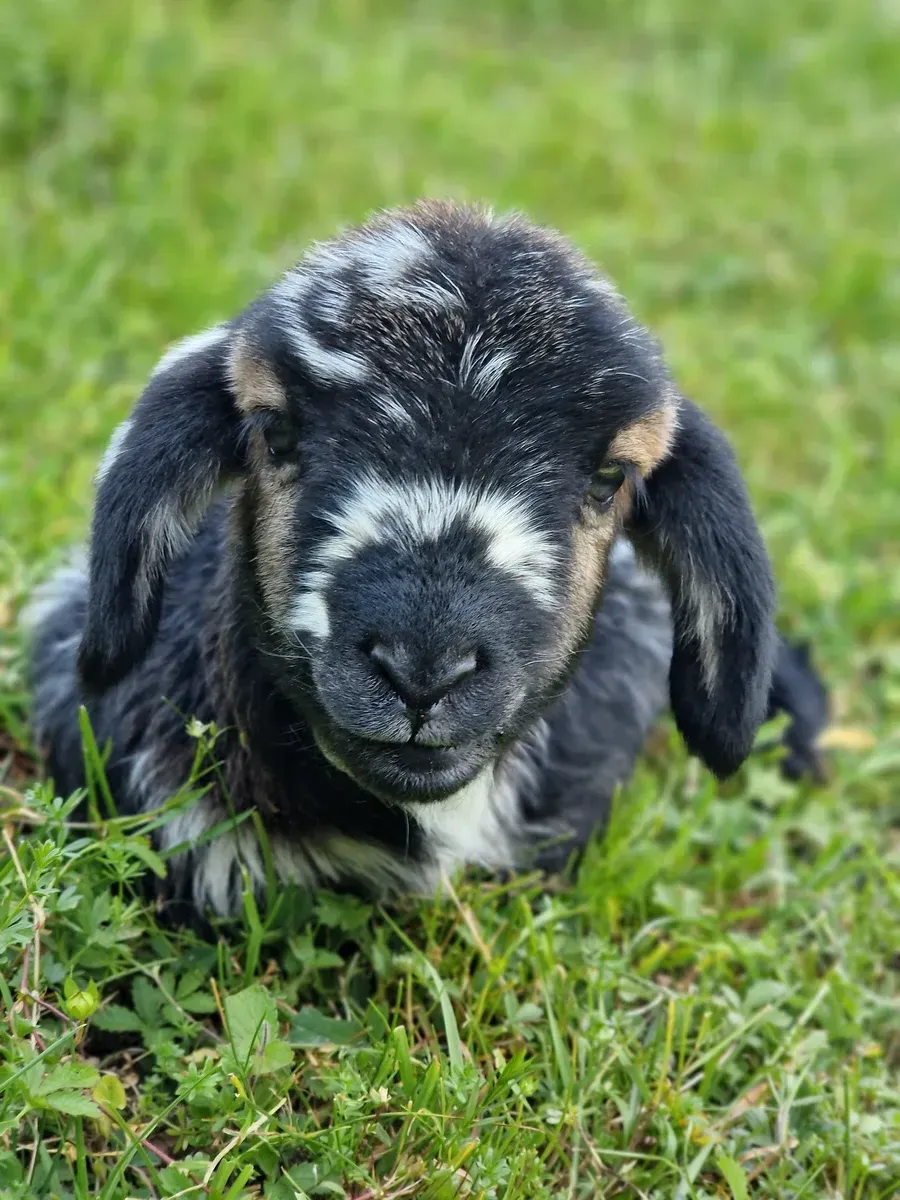
Most Alpine Stone Sheep today are kept in small flocks by hobby breeders or part-time farmers and are frequently used in landscape conservation. Even though more people are once again taking an interest in this living cultural heritage and the products it provides, the breed is – to stay with the Alpine imagery – far from out of the woods and is still listed in the Red List of the “Society for the Conservation of Old and Endangered Livestock Breeds (GEH)” in Category II as highly endangered.
Characteristics and traits
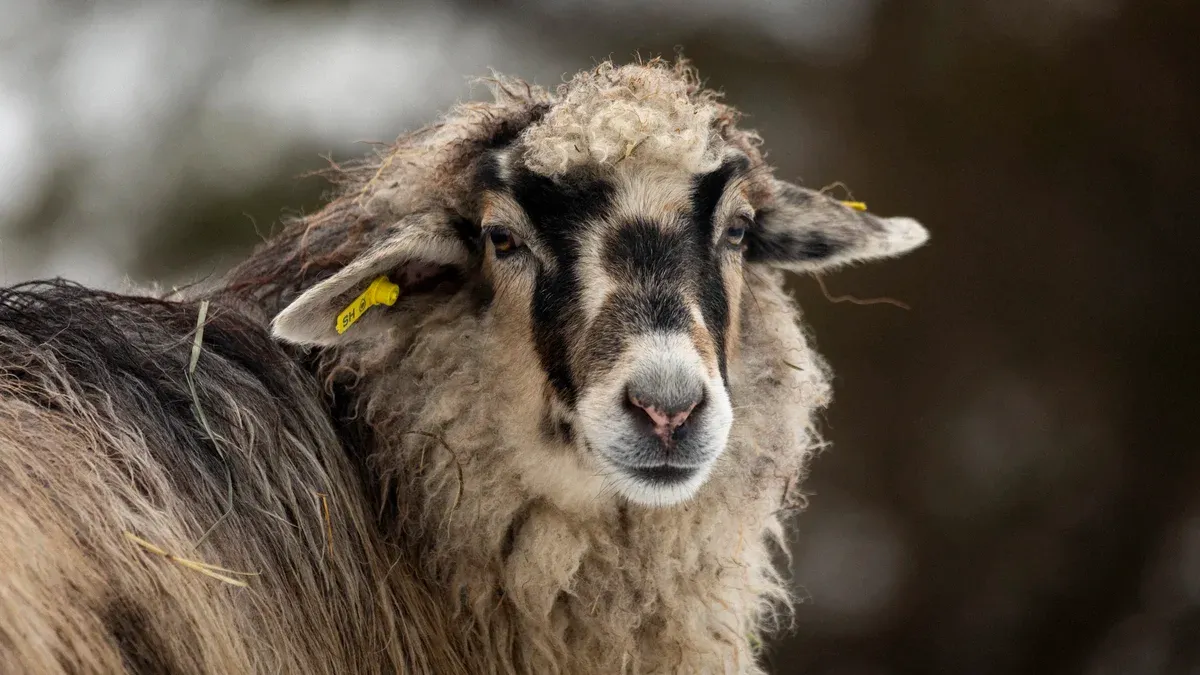
The Alpine Stone Sheep is small to medium-sized, delicate in build, and has a mixed fleece in which the most varied colors and markings appear. Typical are the long guard hairs and the wavy, fine wool hairs. The head profile is straight, the nasal bone only slightly curved, the ears stand out and hang slightly.
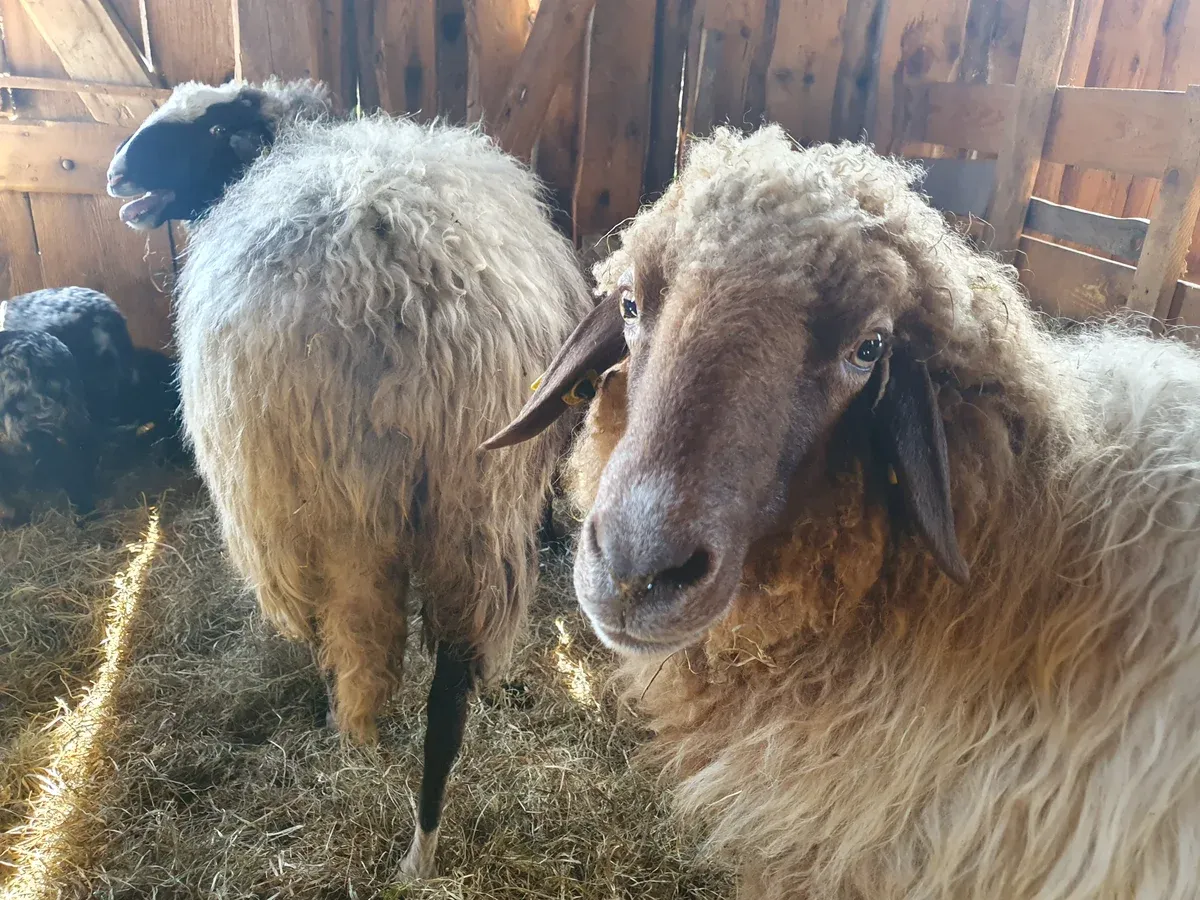
The rams usually carry a pronounced spiral horn; even in females, horn buds and sometimes even horns occasionally occur. Stone sheep are distinguished by very good mothering qualities and high milk yields. Their non-seasonal estrus and high fertility often even allow two lambings per year. Because Alpine Stone Sheep have a calm character and are exceptionally trusting, they are ideally suited for keeping in small flocks, for school farms, “farm holiday” operations and animal-assisted work.
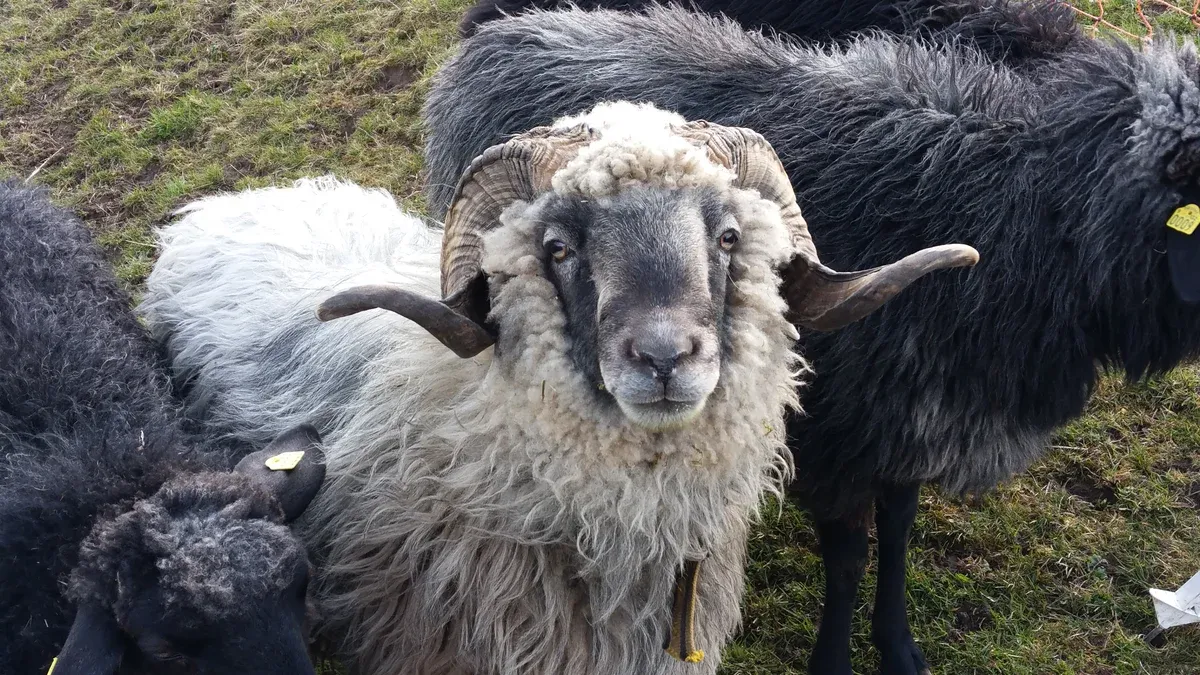
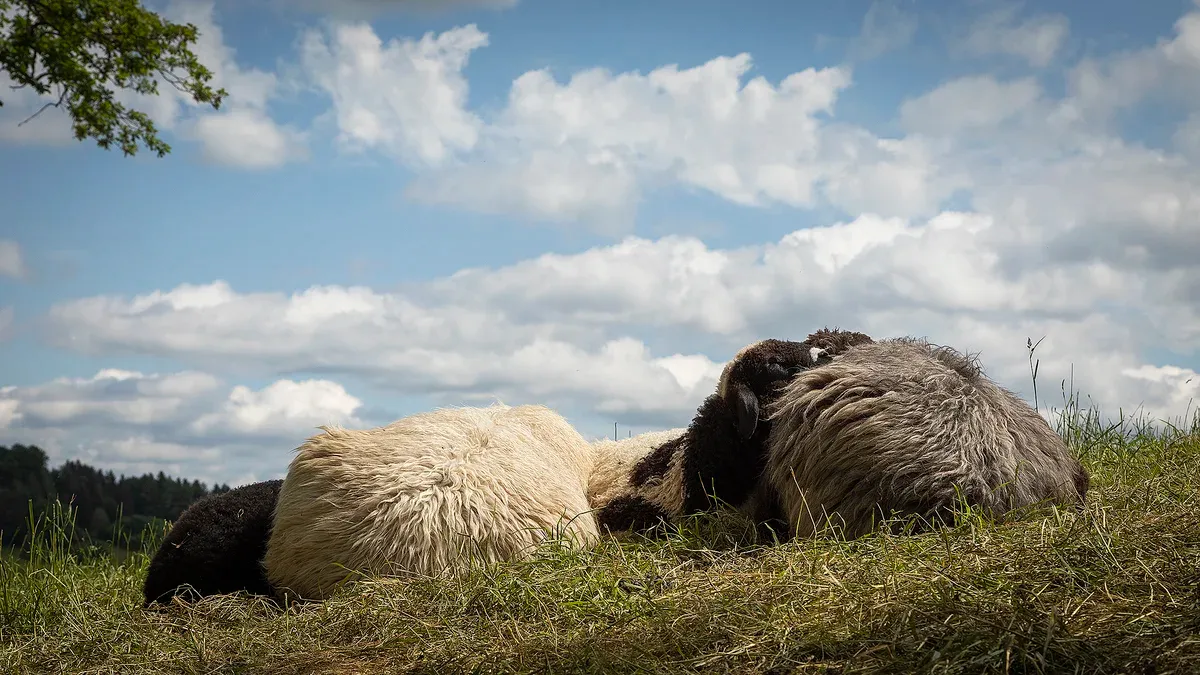
Compared to other breeds, the meat of the Alpine Stone Sheep is lower in fat, more flavorful and finer in texture. It has a slight gamey taste. In terms of spinnability, felting properties and dye uptake, the wool has the best processing qualities of all gene-conservation breeds. It also impresses with its attractive fleece colors, ranging from white through brown to black and gray. Particularly characteristic are marbled colorings, silver-gray and anthracite.
Quality over quantity: the Ark passengers
In many respects, old breeds cannot keep up with specialized high-performance animals. Yet to preserve them from extinction merely for reasons of tradition, as museum-like show creatures, would be short-sighted, for they make an important contribution to preserving genetic diversity, which is essential in order to pass on or crossbreed desired traits such as robustness or fertility. And as the example of the Alpine Stone Sheep makes clear, the products of some of these animal rarities are moreover of excellent quality. But only if it proves possible to bring these closer to consumers can a contribution be made to preserving the breed – and with it small-scale farming operations. That this can succeed is shown by the successful marketing projects of, for example, the Swabian-Hall pig, the Limpurg pasture ox or the Murnau-Werdenfels cattle.
As the examples mentioned show, the Slow Food organization plays an exemplary role in promoting and spreading the products of endangered breeds. With the project “Ark of Taste,” it succeeds in building a bridge from horticultural and agricultural producers to restaurateurs and consumers. In Germany, over 90 “Ark passengers” are currently being supported, including fruit and vegetable varieties, traditional recipes and old breeds. Among them, since 2013, is also the Alpine Stone Sheep.
The Ark sheep farm “Wolle & Kraut”
As an example of dedicated breeders who work to preserve Ark passengers and market their products, in our breed portraits we always also present an accompanying farm. In this case it is “Wolle&Kraut,” a herd-book sheep farm in Seeshaupt on the southern shore of Lake Starnberg, not far from Munich.
Verena Hausmann still remembers her first encounter with sheep during her studies in Eichstätt, where they grazed on the nearby juniper slopes. The fascination these animals held for her later gave rise to the wish to breed sheep herself and, in doing so, to support the preservation of an old breed threatened with extinction. Verena managed to win her husband Martin over to her long-cherished ambition, and by now her daughters have been infected with it too.
In 2015 the time finally came: the first five Alpine Stone Sheep moved onto the farm. The decision in favor of this handsome breed had aesthetic reasons on the one hand, but the animals’ particular trustfulness was also an important criterion. After talking with a breeder, the matter was then settled once and for all.
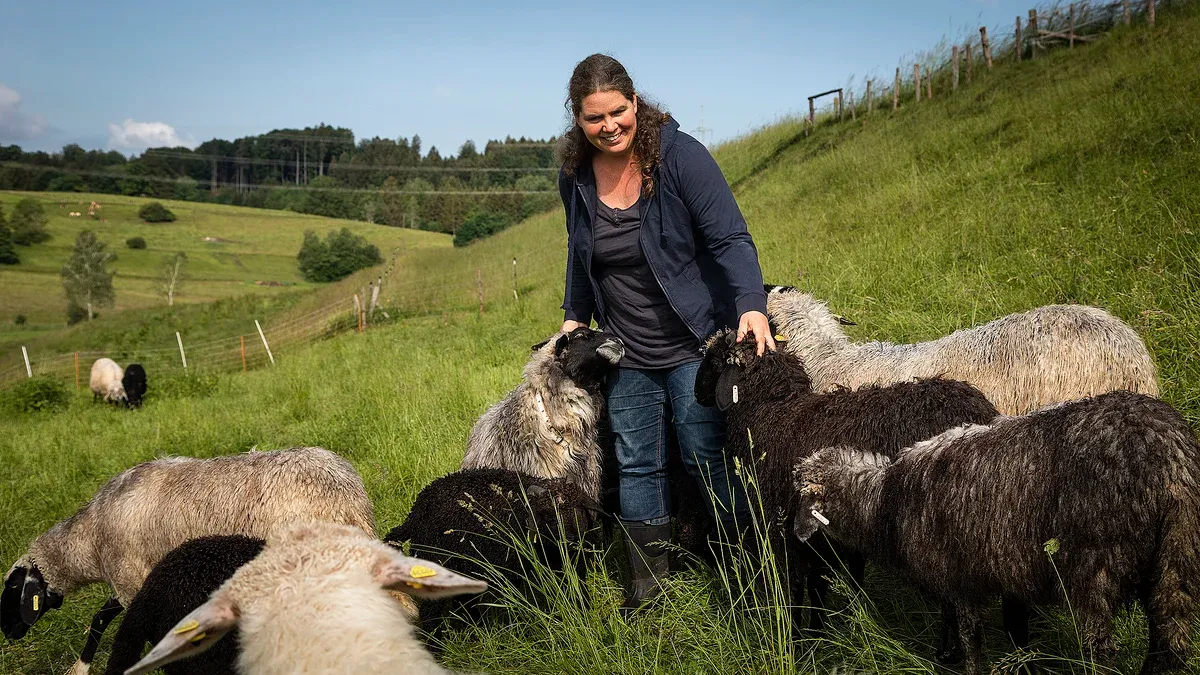
By now the little hobby has grown into a part-time farming operation with around 50 sheep. Grazing takes place on a roughly 14-hectare sensitive area of ecological conservation value, made up of various leased plots and traditional orchard meadows. In this way the sheep farm makes a significant contribution to preserving biodiversity on these areas – a greater one, in fact, than would be possible through mowing.
Exemplary: the innovative marketing concept
Part of Verena’s credo is to appeal to an audience that values a good way of life, sustainable agriculture and high-quality food. Raising people’s awareness of the preservation of native livestock species and of questions concerning the production and marketing of animal products is also close to the family’s heart. But can these lofty ideals also be reconciled with successful business? In the case of Wolle&Kraut, this question can clearly be answered with yes. The “secret” behind it lies in a highly diversified marketing concept for the stone sheep products, one that reaches far beyond merely selling wool for textile processing and meat.
Wool in numerous variations for diverse applications
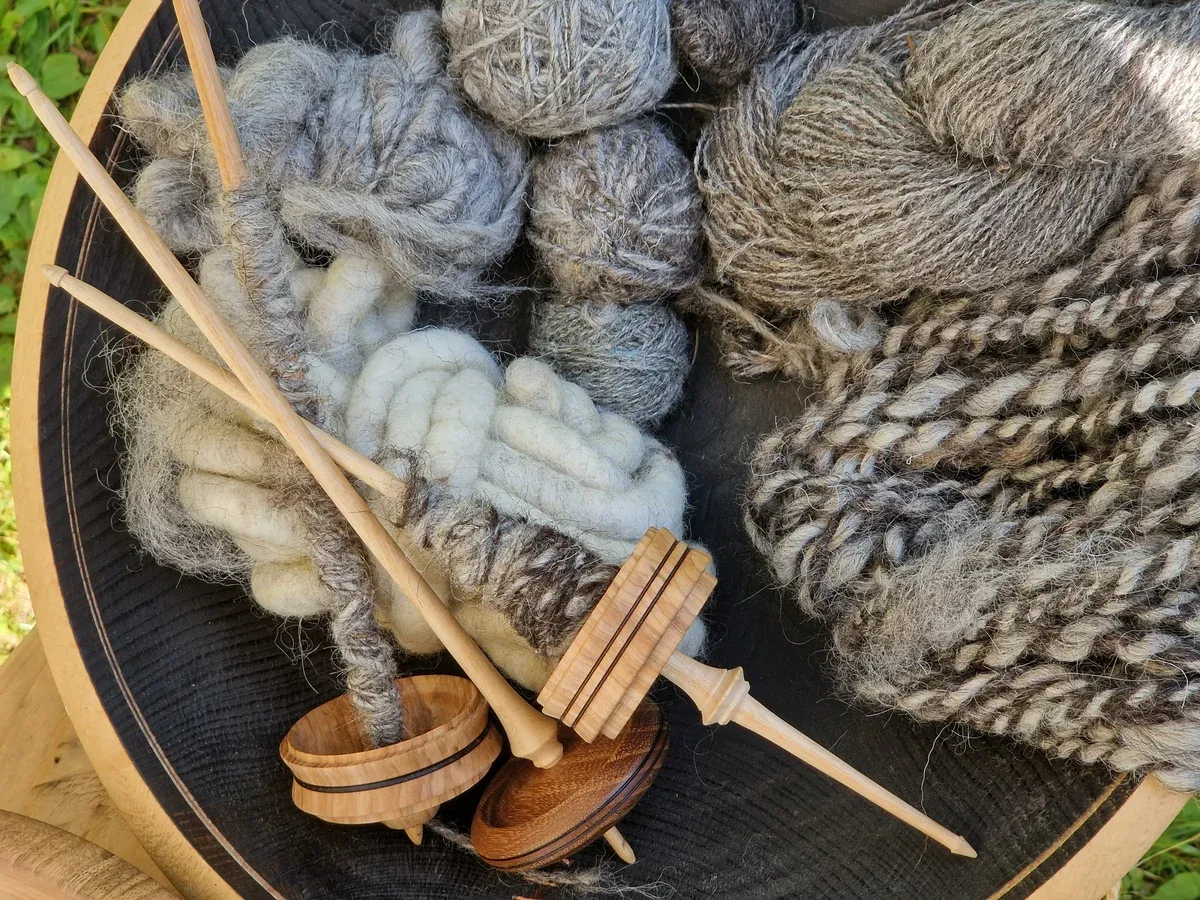
Today no native sheep keeper can make a living from selling wool alone. On the contrary, the shearer’s wage often exceeds the proceeds from the wool sale, if a buyer can be found at all. At Wolle&Kraut they have found a clever and practical solution to this problem: Martin completed a course and has since sheared the animals himself, and a wide variety of sales channels has been opened up for the wool. For instance, the ARGE Steinschaf organizes an annual wool collection and its subsequent processing. In the process, various products from cardigans to felt slippers are made and offered at markets. Customers of “Wolle&Kraut” can also have individual bedding such as pillows or quilts made from the wool fleece. The filling of sheep’s wool is temperature- and moisture-regulating as well as free of pollutants and environmentally friendly. Since 2018 Verena has had the dirty wool processed into fertilizer pellets. In this way even a “waste product” can be given value – one that is enjoying growing popularity in gardening and vegetable growing.
But that is not all: for some time now the pelts of the Alpine sheep have been tanned chrome-free according to old craft tradition and sold at regional markets. Since the sheep naturally display various colors, the pelts can be purchased in black, white, gray, brown or piebald. Most recently Verena Hausmann took a further step to use the whole animal in all its parts and found a business in Austria that produces soft and durable leather from the animals’ hides. As chamois leather it is currently going through a test phase with good results. The “chamois tanning” process used here employs tanning agents based on animal fats such as fish oil. This ancient ecological method is now part of the intangible cultural heritage.
The comprehensive range of products also includes fine sheep’s milk soaps in the varieties “Natural,” “Alpine Herbs” and “Rosehip-Mallow,” which are boiled by a soap workshop in the region. Thanks to its high lanolin content, the soap is particularly nourishing and moisturizing.
A delicacy: Alpine Stone Sheep
As mentioned, the tender, juicy and aromatic meat of the animals is of particular quality. It is therefore no surprise that consumer interest in this specialty is growing, which ultimately helps to secure the breed’s population. True to the motto “conserve by eating.” The meat can only be obtained as a whole or half lamb via a “lamb leasing” scheme (see homepage).
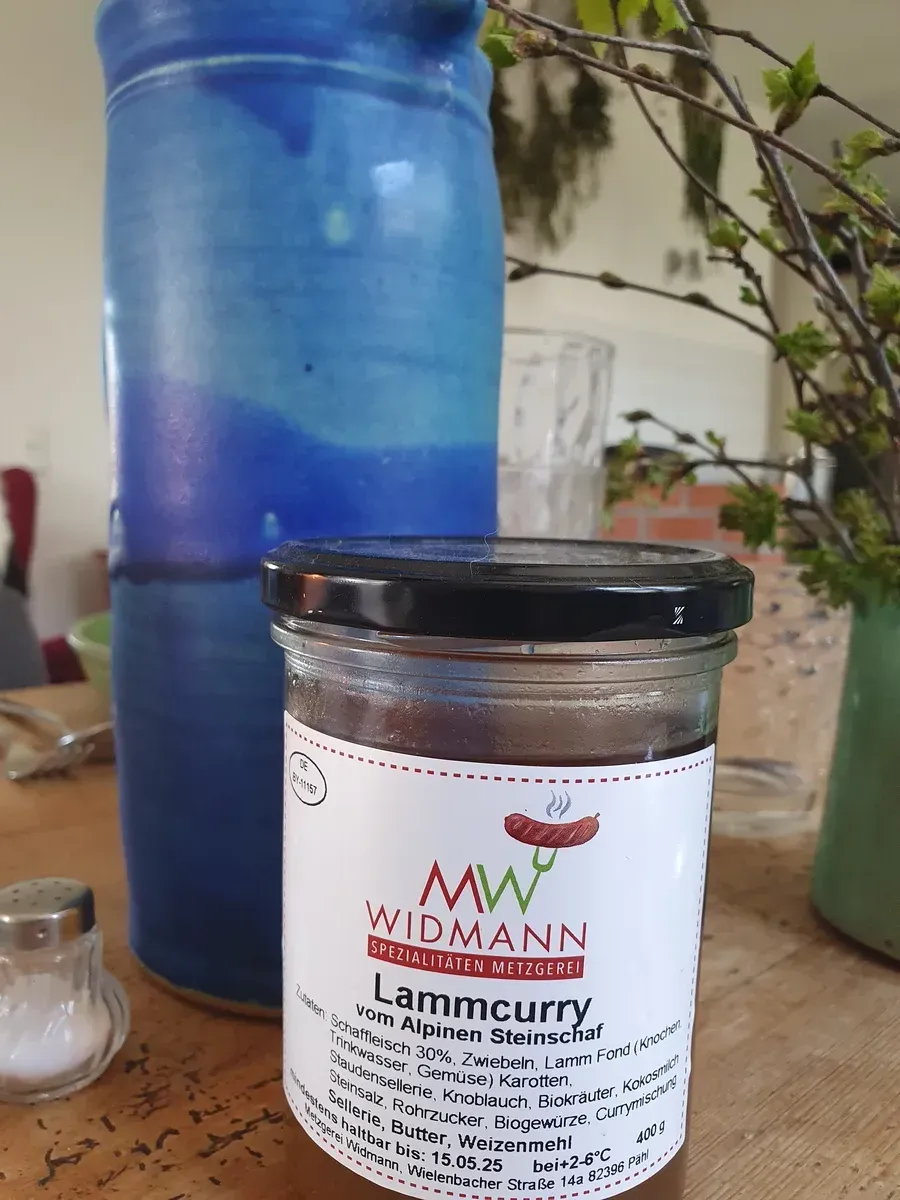
The culinary offering also includes, among other things, liver sausage and lamb curry, which are offered for example at the annual Christmas market in Seeshaupt or can be obtained via the “Genussgemeinschaft Städter und Bauern e.V.” (Association of Townspeople and Farmers for Good Food).
Slaughtering is done locally without long journeys; the Widmann butcher’s shop in Pähl handles the processing of the products.
Anyone who would like to enjoy the stone sheep delicacies can have them served at the “Zum Fischmeister” inn in Ambach or at the Munich Slow Food restaurant “Broeding.” We will soon publish a portrait of the latter in the “Cuisine” section.
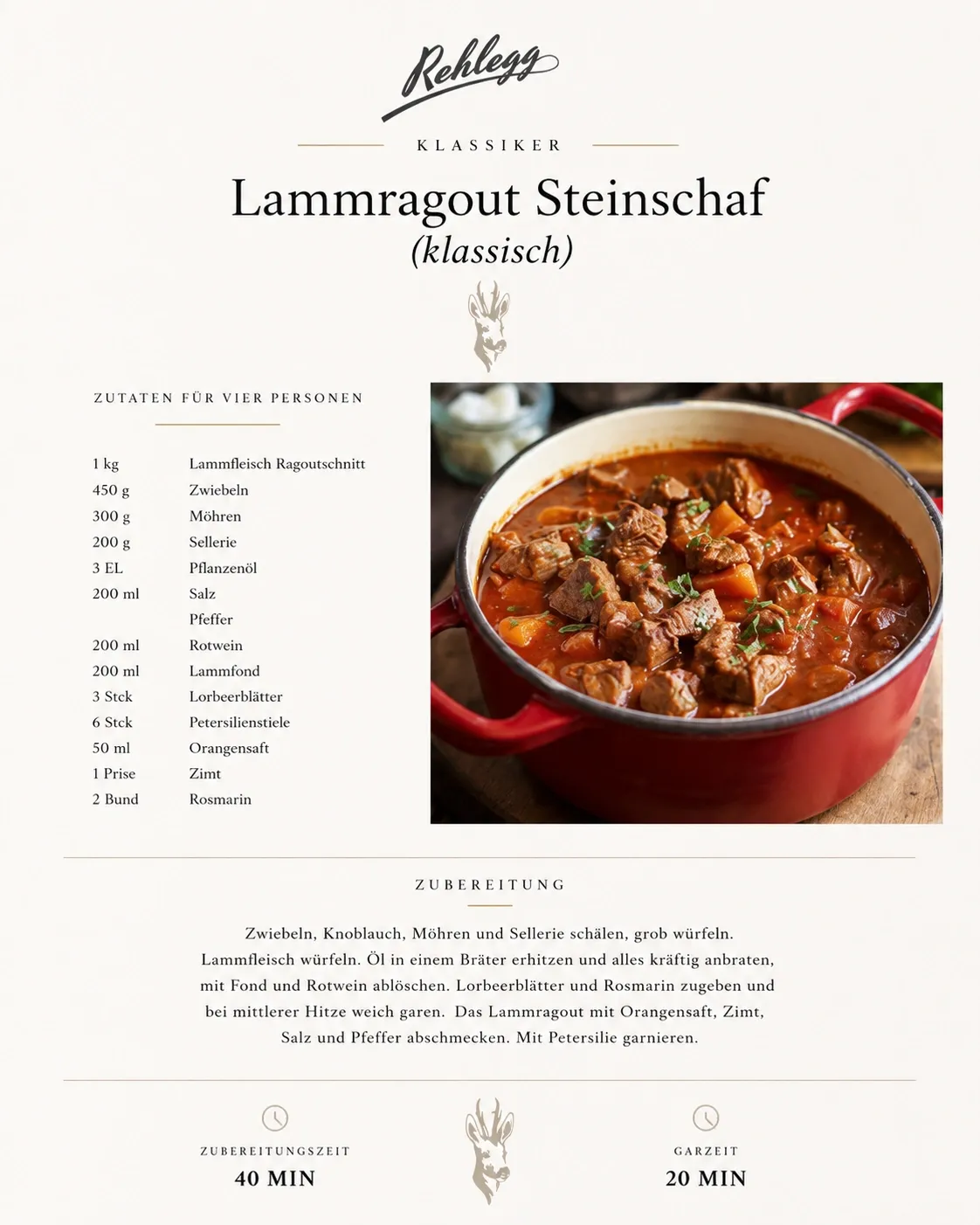
One stronghold of the Alpine Stone Sheep lies traditionally in the Berchtesgadener Land. And here it is Hannes Lichtmannegger in particular, the owner of the Berghotel Rehlegg in the national park municipality of Ramsau, who together with his cooks devotes himself to the regional specialty. And successfully so, for the stone sheep dishes are always very popular with his guests. The hotel owner kindly made a recipe available to us:
An important element of the regional marketing concept is participation in the exemplary initiative “Genussgemeinschaft Städter und Bauern e.V.,” which promotes direct-marketing farms in the urban surroundings and thereby acts as a guide for consumers to small-scale, family-run operations.
Animal-assisted work
Living and working with the sheep, Verena discovered that her animals hold even more potential than supplying wool and meat. Through their calm manner and trusting nature, she herself – as well as visitors to the family – felt how beneficial contact with these peaceful creatures can be. And that, quite incidentally, a great deal can be conveyed about sustainability, breed conservation or regional marketing. And so she pursued further training in the field of animal-assisted work and ultimately obtained the operating permit under § 11 of the Animal Welfare Act. Since then, the corresponding offerings have included visits to the sheep meadow.
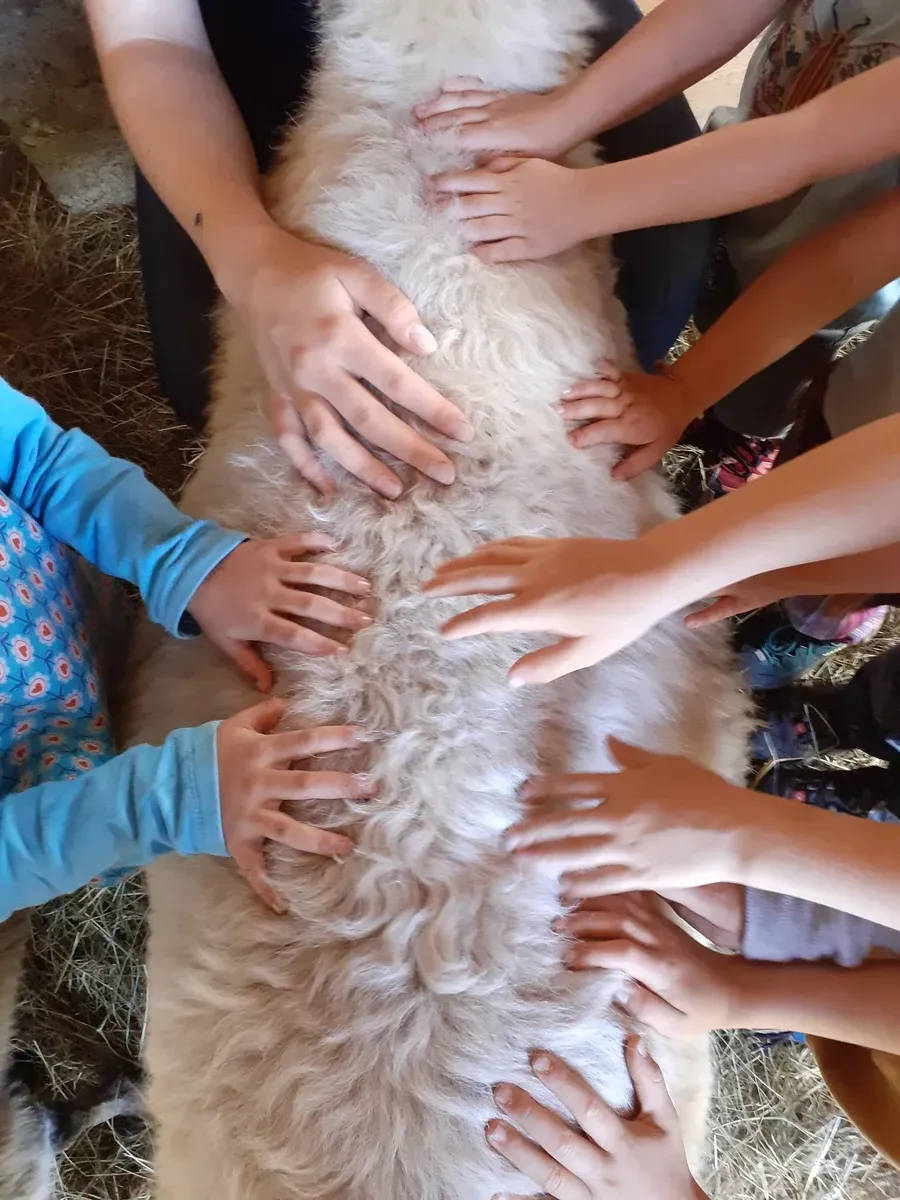
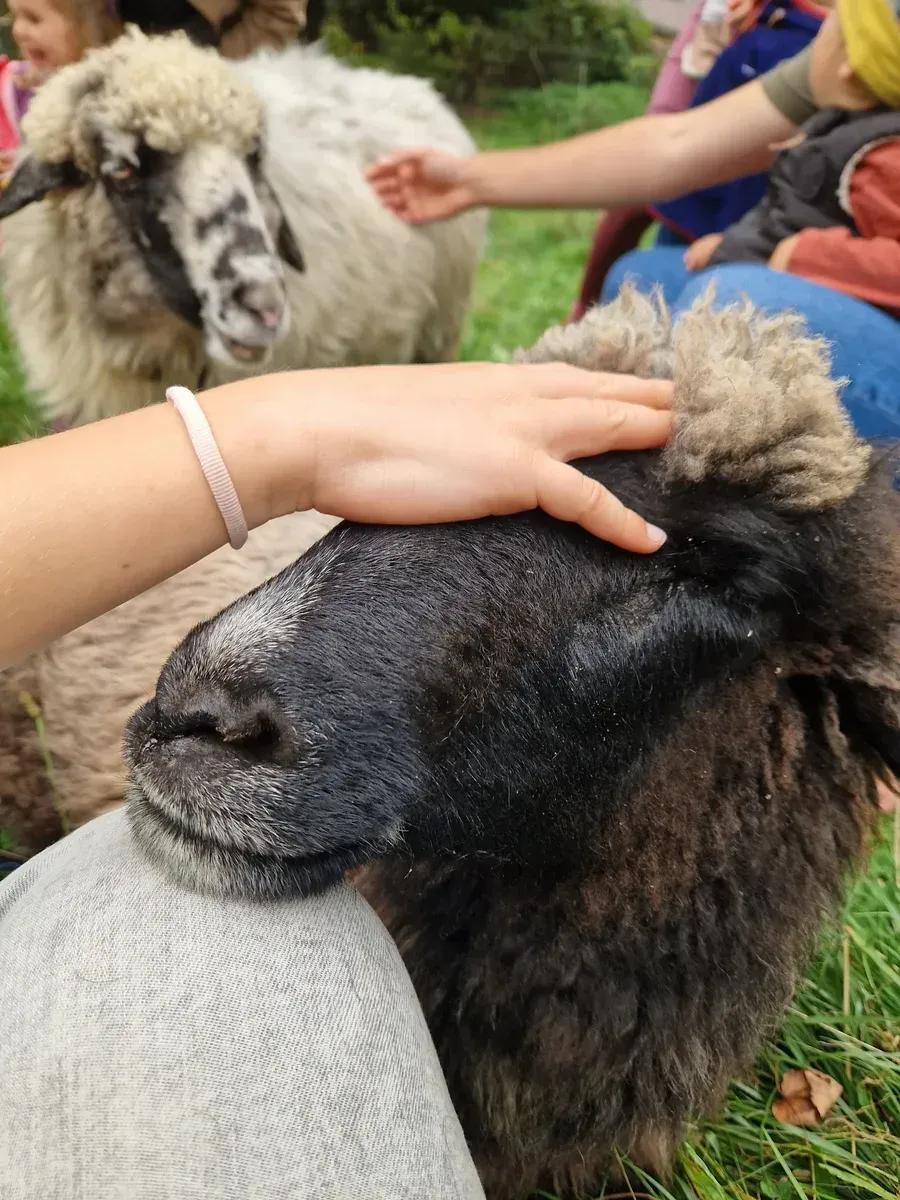
One day the 5th-grade classes of the local secondary school visited the flock as part of their hiking days. At the initiative of many enthusiastic pupils, the School Sheep project was brought to life. Since then, the respective fifth-graders take on sheep sponsorships. Through various projects at the school, the children can share in the life and development of “their” sheep. Other schools and kindergartens in the region can also register for a school sheep project.
Individuals can also take on a one-year sponsorship for the animal “co-workers” used in animal-assisted work. As already done for “Benni,” “Hacon,” “Hilde” and “Nannerl,” who are no longer used as breeding animals, whether due to age like 14-year-old Hilde or castrated like the two rams. But all of them are especially approachable and affectionate.
Ark passenger of Slow Food Germany
slowfood.de
Ark sheep farm “Wolle & Kraut”
wollekraut.de
With a video worth watching.
Förderverein Alpines Steinschaf e.V.
alpines-steinschaf.de
Chamois tannery
UNESCO Austria
Genussgemeinschaft Städter und Bauern
genussgemeinschaft.de
Widmann butcher’s shop
metzgerei-mw.de
“Zum Fischmeister” inn
zumfischmeister.com
“Broeding” restaurant
broeding.de
Berghotel Rehlegg
rehlegg.de